The Thematic Core: Dark Comedy and Disillusionment
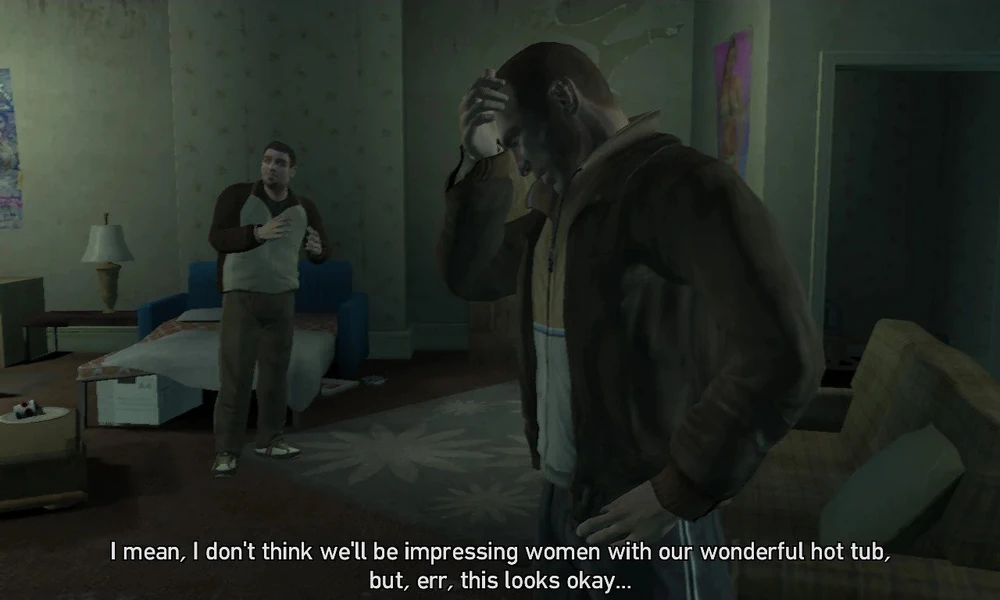
At its heart, Grand Theft Auto IV operates on a foundational comedic tension: the clash between Niko Bellic’s war-hardened Eastern European pragmatism and the garish, often hypocritical, spectacle of 2008 America. Niko is not the silent, stoic protagonist typical of some action games; instead, he is a fully voiced, opinionated character whose constant bewilderment and sardonic observations serve as the primary source of the game’s humor. His quest for a fresh start, lured by his cousin Roman’s exaggerated tales of wealth and success, quickly devolves into a desperate struggle for survival within a city brimming with opportunists, criminals, and the profoundly delusional. This immediate disillusionment, coupled with Niko’s dry wit, transforms seemingly grim scenarios into darkly comedic vignettes. For instance, Roman’s incessant calls for bowling or darts, despite their escalating criminal predicaments, become a running gag that highlights the surreal normalcy Niko is forced to navigate amidst chaos.
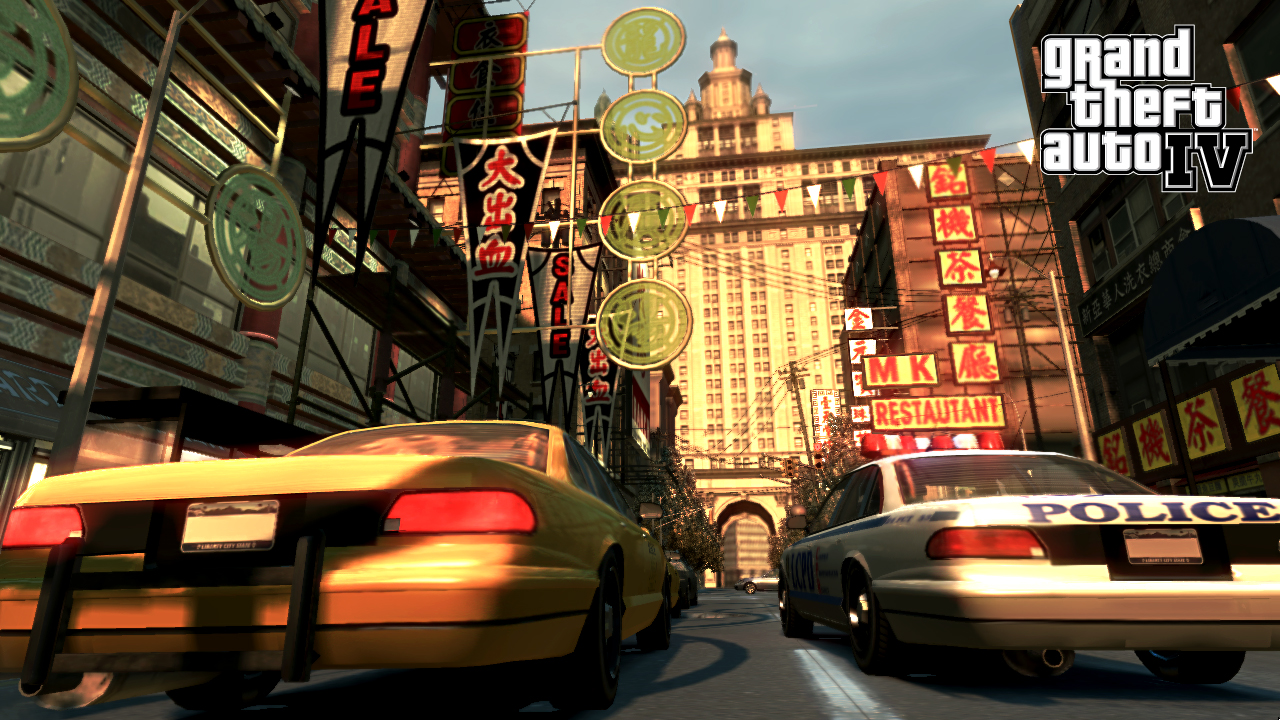
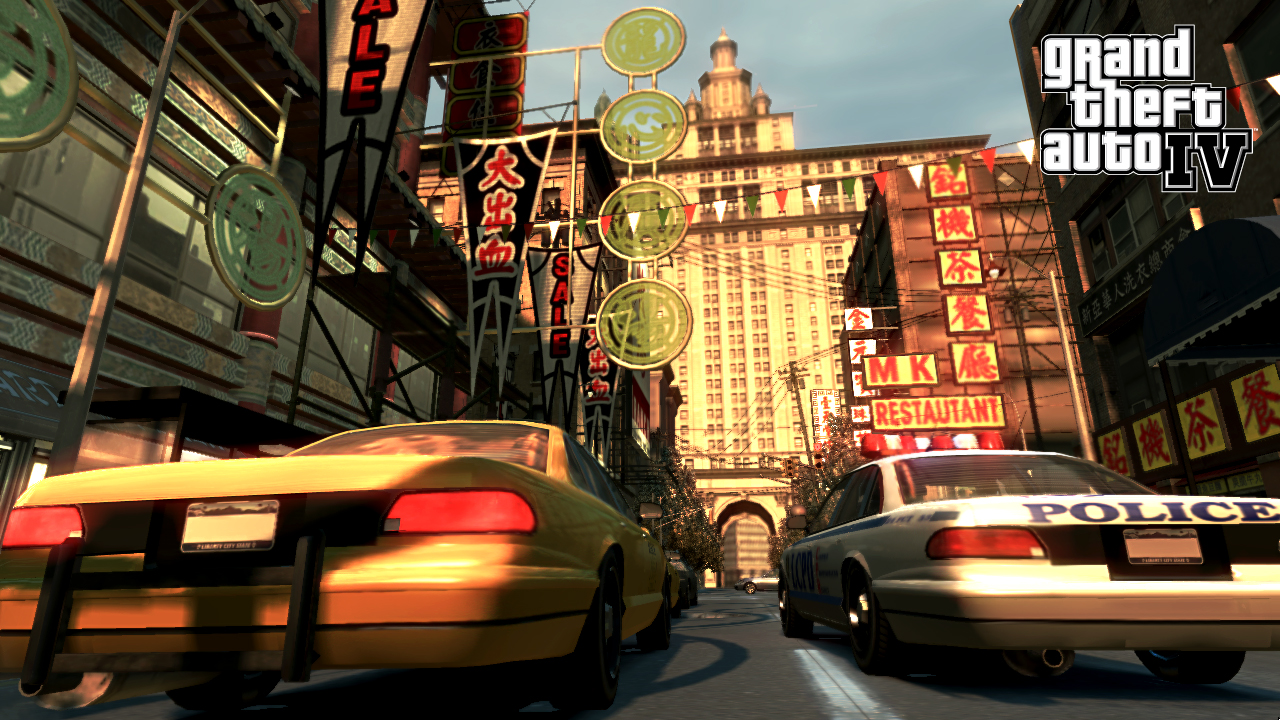
Rockstar North’s design choice to ground the narrative in realism, particularly with its depiction of Liberty City in the throes of a pre-recession financial boom, amplified this comedic effect. The city itself, with its grimy streets, towering skyscrapers, and diverse but often self-absorbed populace, acts as a sprawling stage for Niko’s existential observations. From encountering self-obsessed gym bros to navigating the convoluted politics of various criminal enterprises, Niko’s reactions are consistently relatable, making him an unlikely everyman in a world designed for excess. His commentary on American consumerism, celebrity culture, and the pervasive pursuit of superficial wealth provides a biting social satire that resonates far beyond the game’s initial release.
Narrative and Character Dynamics
Niko Bellic’s journey begins with his arrival in Liberty City, a refuge from a brutal past involving wartime atrocities in the Balkans and a life of crime. Roman’s promises of luxury – mansions, sports cars, and supermodels – quickly dissolve upon Niko’s discovery of Roman’s debt-ridden taxi business and dilapidated apartment in Hove Beach. This initial deception sets the tone for Niko’s cynical outlook. His primary objective, beyond helping Roman, is to hunt down the individual who betrayed his military unit, a quest that anchors the game’s more serious dramatic elements. However, even this grim pursuit is frequently punctuated by comedic interactions with a diverse cast of characters.
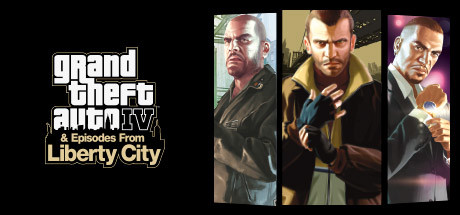
The supporting cast is instrumental in crafting the game’s comedic landscape. Roman Bellic, with his eternal optimism, boundless enthusiasm for bowling, and chronic inability to manage money, is a constant foil to Niko’s cynicism. Their brotherly bond, despite its inherent frustrations, provides much of the game’s emotional core and many of its lighter moments. Characters like Little Jacob, a Jamaican arms dealer whose thick patois often requires subtitles, and Brucie Kibbutz, a steroid-addled, self-proclaimed alpha male obsessed with fitness and online dating, represent caricatures of distinct urban subcultures. Even the antagonists, such as the arrogant and perpetually irritated Russian mobster Vlad Glebov, generate humor through their petty grievances and Niko’s exasperated responses. The dialogue, meticulously written and delivered, highlights the cultural misunderstandings and generational gaps that permeate Liberty City’s melting pot. Niko’s dry retorts and understated reactions to the hyperbolic behavior of those around him cement his status as one of the most memorable and genuinely funny protagonists in video game history.
Liberty City: A Character in Itself
Liberty City in Grand Theft Auto IV is not merely a backdrop but a fully realized character, contributing significantly to both the game’s atmospheric realism and its comedic satire. Rockstar North painstakingly recreated a gritty, plausible urban environment, eschewing the brighter, more exaggerated aesthetics of previous GTA titles for a muted color palette and a more grounded visual style. This commitment to realism extended to the game’s physics engine, particularly its driving mechanics, which were more weighty and less arcade-like than earlier entries. While some players found these physics "clunky" initially, they contributed to a sense of tangible interaction with the city, making high-speed chases and accidental collisions feel more impactful and, at times, comically chaotic.
The city’s dynamic systems further enriched the experience. The pedestrian AI was significantly advanced for its time, with characters engaging in everyday activities, reacting to Niko’s presence, and generating emergent scenarios that often bordered on the absurd. The in-game media, including television shows, internet cafes, and particularly the radio stations, were critical components of the game’s social commentary. The radio stations, featuring a curated mix of licensed music spanning various genres and satirical talk shows, provided constant background noise that both immersed players in the 2008 zeitgeist and offered sharp critiques of American politics, consumerism, and popular culture. Rockstar’s decision to later release official GTA IV Spotify playlists underscores the enduring appeal and cultural significance of the game’s audio landscape. These elements collectively built a living, breathing world where the mundane and the insane coexisted, providing endless opportunities for Niko’s sardonic observations to shine.
Development and Production Context
The development of Grand Theft Auto IV was a monumental undertaking for Rockstar North, the Edinburgh-based studio responsible for the main series. Following the monumental success of Grand Theft Auto: San Andreas in 2004, Rockstar aimed to push the boundaries of open-world gaming with a more mature, technologically advanced, and narratively complex experience. The game was the first in the series to utilize the proprietary Rockstar Advanced Game Engine (RAGE) in conjunction with the Euphoria animation engine, which allowed for unprecedented levels of environmental detail, realistic character animations, and advanced physics. This technological leap enabled the detailed portrayal of Liberty City and its inhabitants, lending credibility to the game’s gritty aesthetic.
The development cycle spanned several years, with a reported budget exceeding $100 million (though official figures vary, estimates place it among the most expensive video games ever made at the time). The shift to a more grounded, character-driven narrative, moving away from the more outlandish themes of previous titles, was a deliberate choice by the developers. Dan Houser, co-founder of Rockstar Games and lead writer, emphasized the desire to create a more believable world and a protagonist with a genuinely compelling backstory, which ultimately informed Niko’s nuanced personality and his role as the game’s comedic anchor. The decision to cast a fully voiced protagonist, rather than a silent one, was pivotal in allowing Niko’s unique perspective and dry humor to fully manifest.
Critical Acclaim and Commercial Success
Upon its release on April 29, 2008, Grand Theft Auto IV was met with near-universal critical acclaim. It achieved a Metacritic score of 98/100 for both its PlayStation 3 and Xbox 360 versions, making it one of the highest-rated video games of all time. Critics lauded its compelling narrative, deep character development, groundbreaking open-world design, and the technical prowess of the RAGE engine. Publications highlighted the game’s mature themes, its nuanced portrayal of the immigrant experience, and its sharp social commentary. The comedic elements, particularly Niko’s dialogue and the satirical portrayal of American life, were frequently cited as standout features.
Commercially, Grand Theft Auto IV was an immediate and overwhelming success. Within its first 24 hours, the game sold 3.6 million copies worldwide, generating over $310 million in revenue. Within the first week, sales surged to 6 million units, grossing over $500 million, breaking multiple industry records for sales and revenue. By 2011, Rockstar Games announced that the game had sold over 25 million copies globally. Its commercial performance underscored not only the enduring appeal of the Grand Theft Auto franchise but also the market’s appetite for sophisticated, narrative-driven open-world experiences. The game received numerous "Game of the Year" awards from various publications and organizations, solidifying its status as a cultural phenomenon and a benchmark for video game excellence.
The Enduring Legacy of Grand Theft Auto IV
More than a decade and a half after its release, Grand Theft Auto IV continues to be a subject of discussion and analysis within the gaming community. Its legacy is multifaceted, marked by its groundbreaking technological achievements, its mature narrative, and its distinctive blend of gritty realism and dark humor. The game’s influence can be seen in numerous subsequent open-world titles that have strived for greater narrative depth and environmental realism. It demonstrated that a video game could tackle complex social issues, explore the psychological toll of violence, and still provide an entertaining, expansive sandbox experience.
The character of Niko Bellic remains a fan favorite, often praised for his complexity and relatability. His journey from a war-torn past to a disillusioned present in Liberty City resonates with themes of identity, survival, and the often-elusive nature of the American Dream. The game’s expansion packs, "The Lost and Damned" and "The Ballad of Gay Tony," further enriched the Liberty City narrative, offering new perspectives on the city’s criminal underworld and often injecting even more overt comedic elements, particularly in the flamboyant adventures of Gay Tony and Luis Lopez. These expansions were also critically acclaimed, proving that Rockstar could successfully build upon an already robust foundation.
Even with the subsequent release of Grand Theft Auto V, which pushed the franchise into even greater commercial heights, GTA IV holds a unique place. Its distinct tone, character focus, and specific satirical lens on the late 2000s set it apart. The game is frequently revisited by players who appreciate its immersive atmosphere, its nuanced storytelling, and the timeless appeal of Niko’s deadpan observations on a world gone mad. Grand Theft Auto IV stands as a testament to Rockstar Games’ ability to craft not just entertaining video games, but culturally significant works that deftly blend intense drama with profound, often hilarious, social commentary.
About the Author