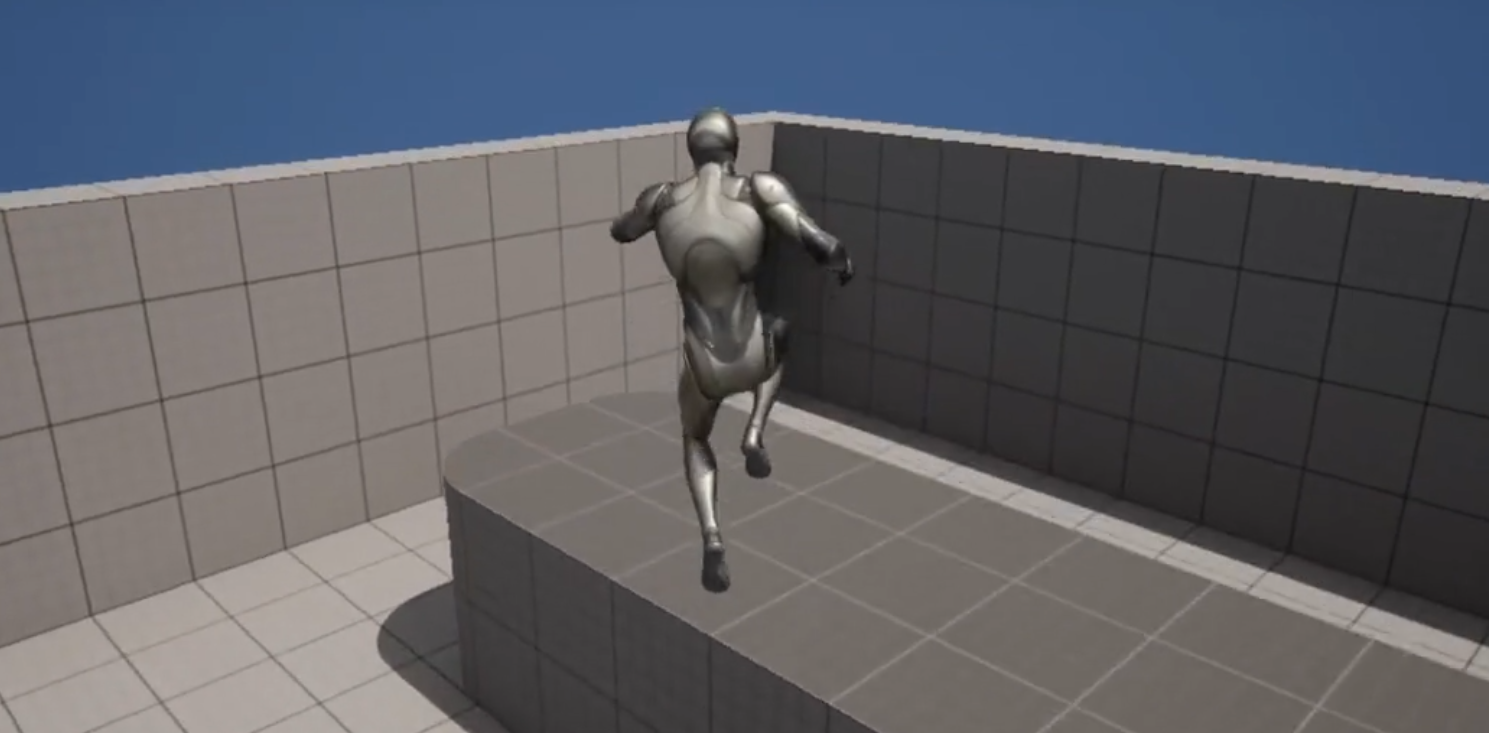
The integration of fundamental platforming mechanics, such as the widely popular double jump, into modern game development pipelines has traditionally involved intricate coding and meticulous animation work. However, Epic Games’ Unreal Engine 5 (UE5) is rapidly redefining this landscape, offering developers remarkably straightforward methods to incorporate such staple features. This ease of implementation, exemplified by the streamlined process for enabling a double jump, signifies a broader trend towards democratizing game development, empowering creators to focus more on innovative design and less on foundational technical hurdles. The accessibility of these tools within UE5 marks a significant evolution, promising to accelerate development cycles and foster a richer, more diverse ecosystem of interactive experiences.
The Enduring Legacy of the Double Jump in Gaming
The double jump stands as one of the most recognizable and beloved mechanics in video game history, transcending genres and generations. Its appeal lies in its simplicity yet profound impact on player agency and level design. From its early appearances, the double jump offered players a crucial second aerial maneuver, extending reach, facilitating evasive actions, and unlocking new navigational possibilities within complex environments. Iconic titles like Castlevania: Symphony of the Night, which captivated audiences with its sprawling gothic castle and deep RPG elements, utilized the double jump as a cornerstone of its exploration and combat. Similarly, Crash Bandicoot, a titan of 3D platforming, often required precise double jumps to navigate perilous gaps and collect hidden treasures. The charming Kirby series, known for its accessible gameplay, also integrated a form of multi-jump, allowing players to float across hazards. Even the expansive worlds of Banjo-Kazooie leveraged varied aerial abilities, including aspects akin to a double jump, to encourage thorough exploration and puzzle-solving.
This mechanic’s ubiquitous presence across retro and modern gaming underscores its importance as a design staple. It’s not merely a feature; it’s an expectation, often serving as a gateway to more complex platforming challenges and rewarding players with a sense of mastery over their character’s movement. The ability to execute a second leap mid-air adds a layer of depth to character control, transforming simple vertical traversal into a dynamic dance between timing and spatial awareness. For game designers, the double jump opens up a vast array of level design possibilities, enabling the creation of intricate platforming sequences that would be otherwise impossible or frustrating without this expanded verticality. Its consistent appearance across countless titles solidifies its status as a core component of player movement, influencing everything from level geometry to combat encounters.
Unreal Engine 5: A New Era of Developer Accessibility
Unreal Engine 5, launched by Epic Games, has rapidly established itself as a leading force in game development, celebrated for its cutting-edge rendering technologies like Nanite and Lumen, which enable unprecedented visual fidelity. Beyond its graphical prowess, a core tenet of UE5’s design philosophy is the empowerment of developers through enhanced accessibility and efficiency. This philosophy extends to foundational game mechanics, aiming to simplify processes that once demanded extensive programming expertise. The engine’s robust Blueprint visual scripting system, a hallmark carried over and enhanced from previous Unreal iterations, allows designers and artists to implement complex game logic without writing a single line of C++ code. This visual, node-based approach has been instrumental in democratizing game development, significantly lowering the barrier to entry for aspiring creators and accelerating prototyping for established studios.
In the past, implementing a double jump, while seemingly straightforward, involved delving into character movement components, managing jump states, and handling input events through code. This often required a solid understanding of object-oriented programming and the engine’s internal architecture, making it a task primarily for experienced programmers. However, UE5’s evolution focuses on abstracting away much of this complexity, presenting developers with intuitive parameters and visual tools that encapsulate sophisticated logic into user-friendly interfaces. This strategic simplification aligns with Epic Games’ broader vision to make high-quality game development accessible to a wider audience, fostering innovation and reducing the time-to-market for new titles. The engine’s continuous updates and comprehensive documentation further bolster this commitment, ensuring developers have the resources needed to leverage these powerful tools effectively.
Streamlined Implementation: The Core Technical Advantage
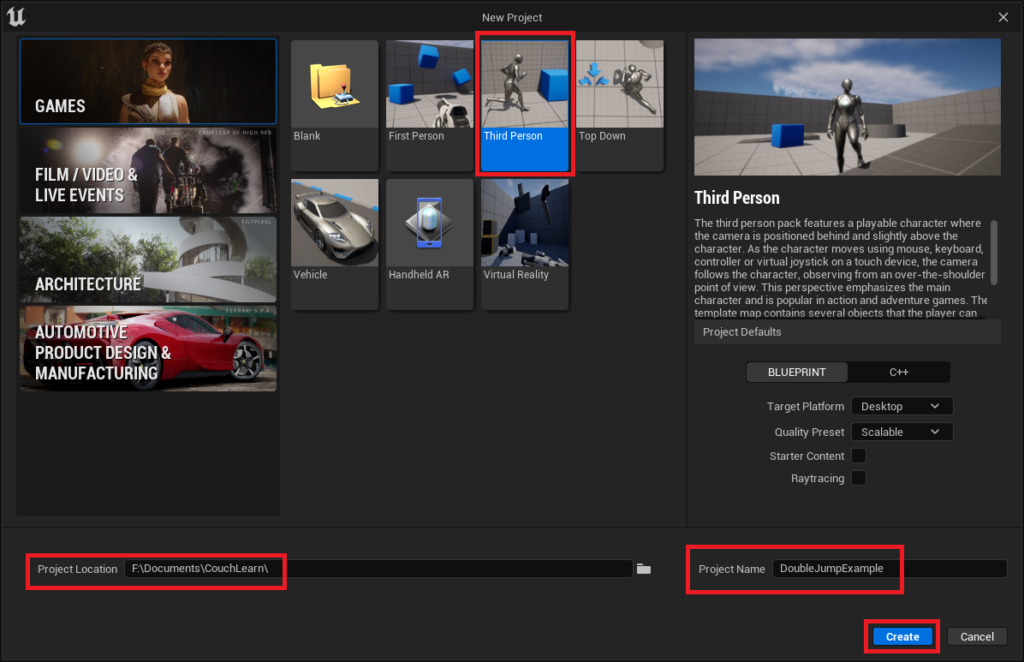
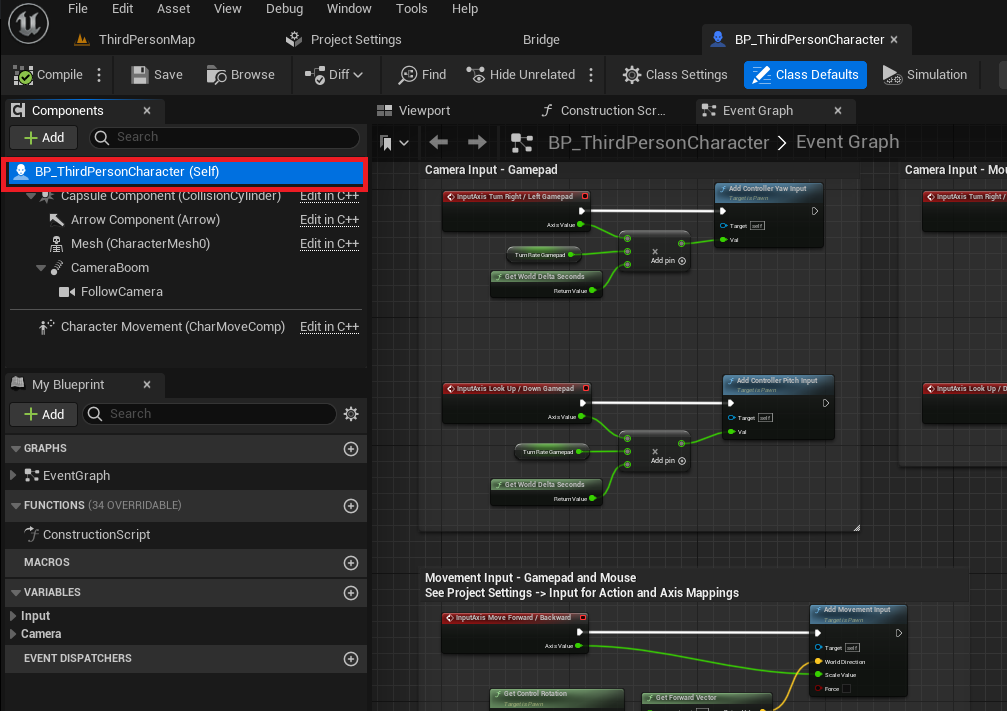
The ease with which a double jump can be added in Unreal Engine 5 is a testament to the engine’s thoughtful design. Unlike previous generations where developers might have needed to write custom code or implement complex state machines to manage multiple jumps, UE5 integrates this functionality directly into its core character movement component. The primary adjustment required is a simple parameter modification within the character’s Blueprint class, a visual scripting asset that defines a character’s properties and behaviors.
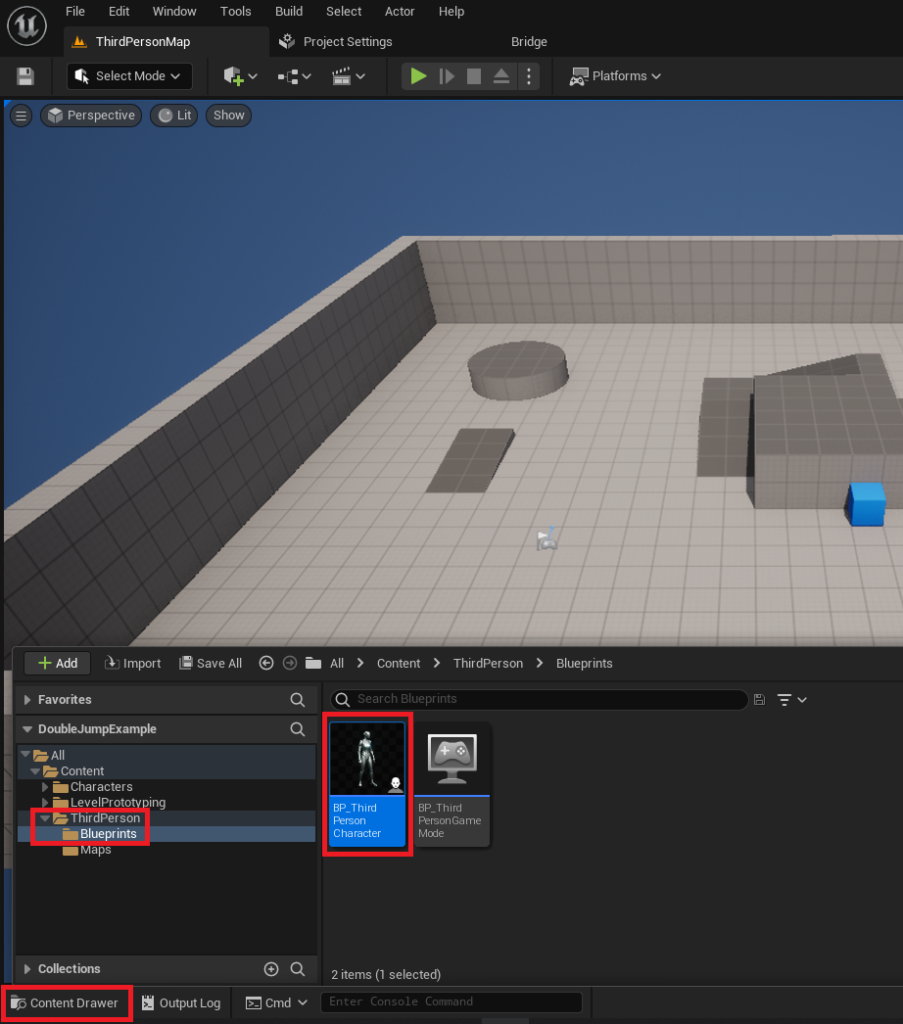
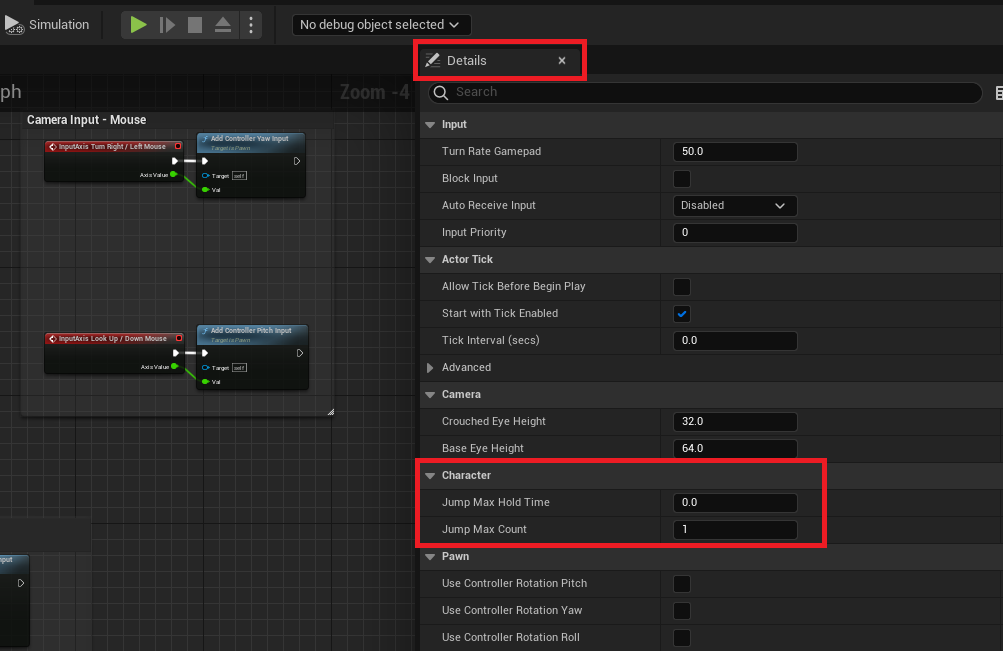
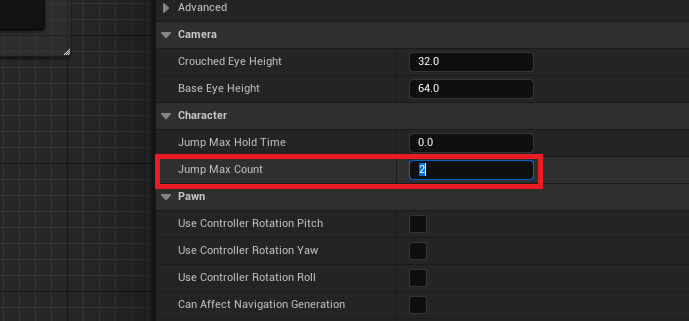
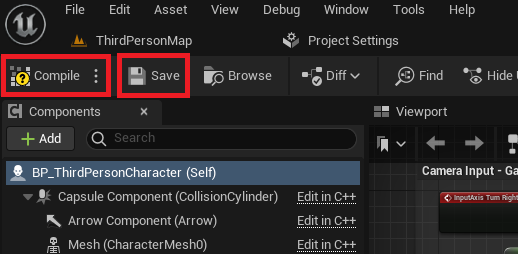
Specifically, within the BP_ThirdPersonCharacter Blueprint, which serves as the default character template for new projects, developers can locate a property known as "Jump Max Count" under the "Character" settings in the Details panel. By default, this value is set to ‘1’, allowing for a single jump. Changing this value to ‘2’ instantly enables the double jump functionality. For games requiring even more aerial maneuvers, this parameter can be adjusted to any desired number, offering remarkable flexibility without requiring additional coding. This single, easily accessible setting eliminates the need for manual state management, custom variables, or intricate conditional logic that would typically be required to track and reset jump counts. The engine handles the underlying mechanics, such as resetting the jump count upon landing, automatically. This level of abstraction significantly reduces development time and minimizes potential errors, allowing developers to implement a polished core mechanic in mere moments. After adjusting the parameter, a quick compile and save within the Blueprint editor ensures the changes are applied, immediately making the character capable of multi-jumps within the game world. This method is a stark contrast to older systems that demanded custom code for each additional jump, highlighting UE5’s efficiency.
Enhancing Player Experience Through Responsive Animations
While core functionality is critical, a truly polished game experience demands more than just basic mechanics; it requires fluid and responsive animations that provide clear visual feedback to the player. A character performing a double jump without a corresponding visual cue can feel disconnected and unsatisfying, diminishing the overall quality of gameplay. Unreal Engine 5’s animation system, particularly its State Machine within Animation Blueprints, facilitates the creation of dynamic animations that accurately reflect character actions. The initial implementation of the double jump, while functional, might only trigger the standard jump animation once, leaving subsequent jumps visually unrepresented. This can break immersion and diminish the perceived quality of the player experience.
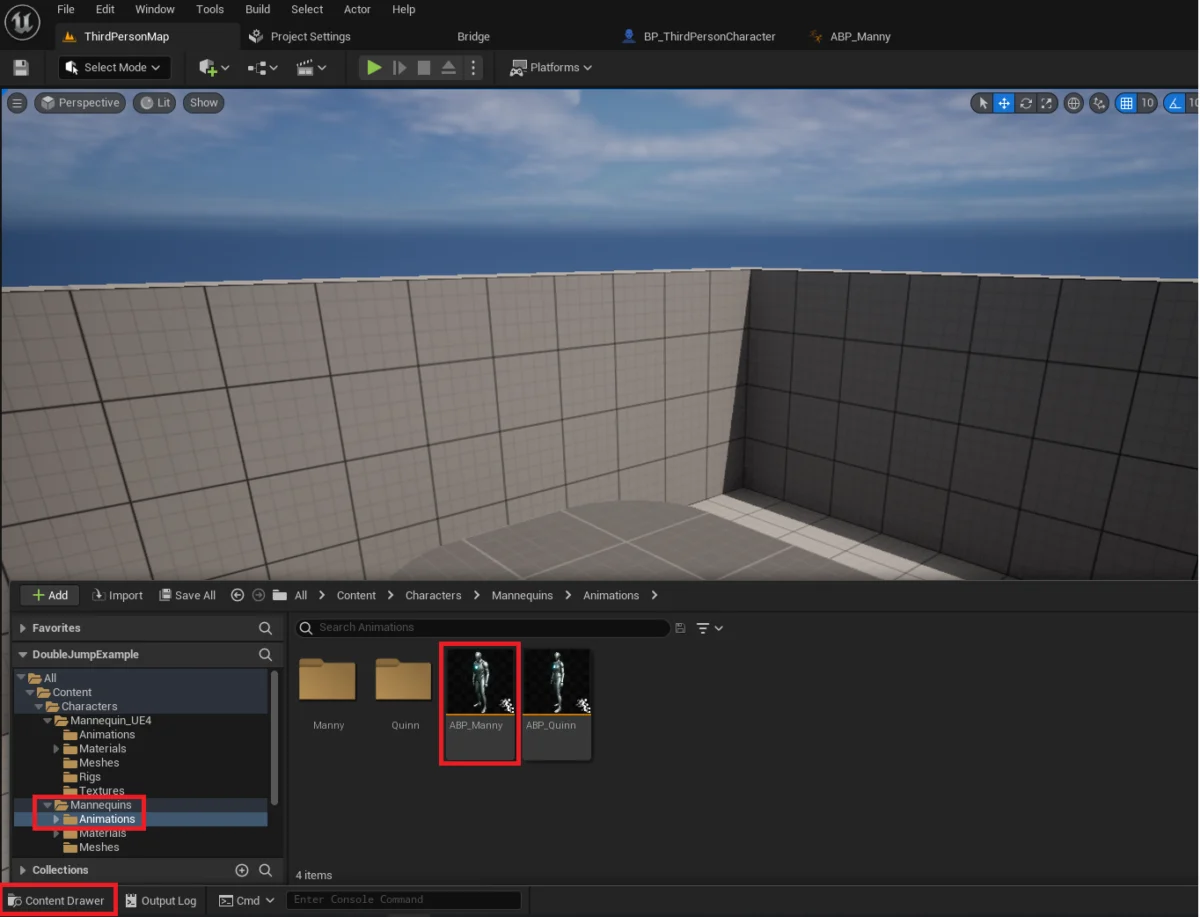
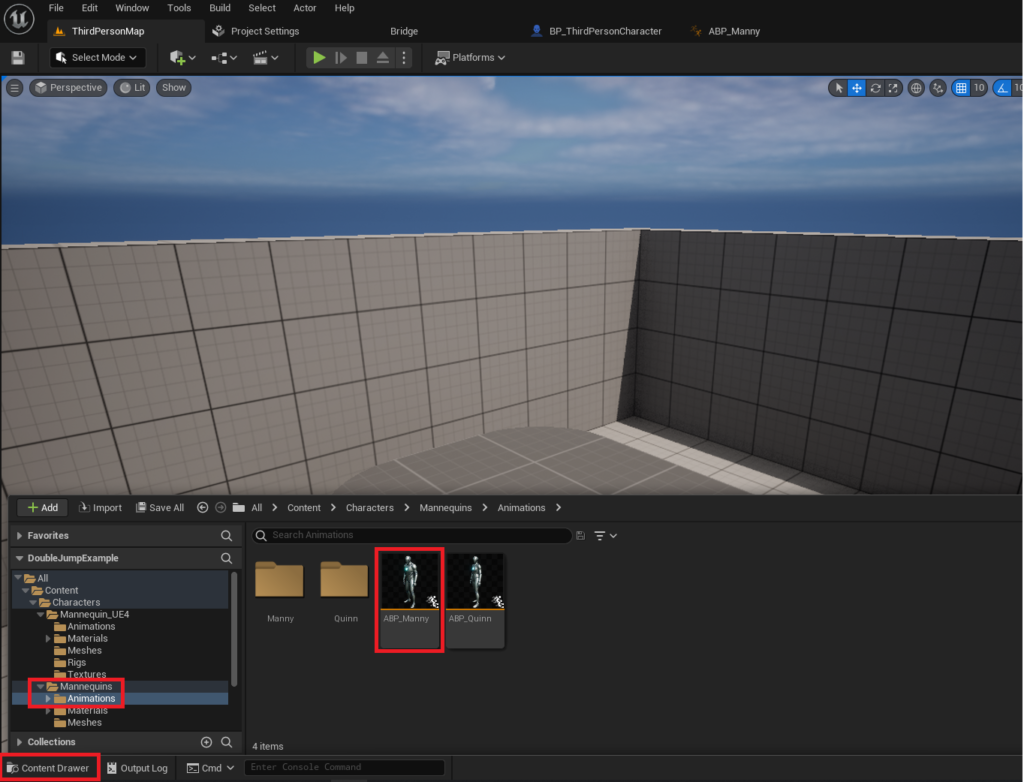
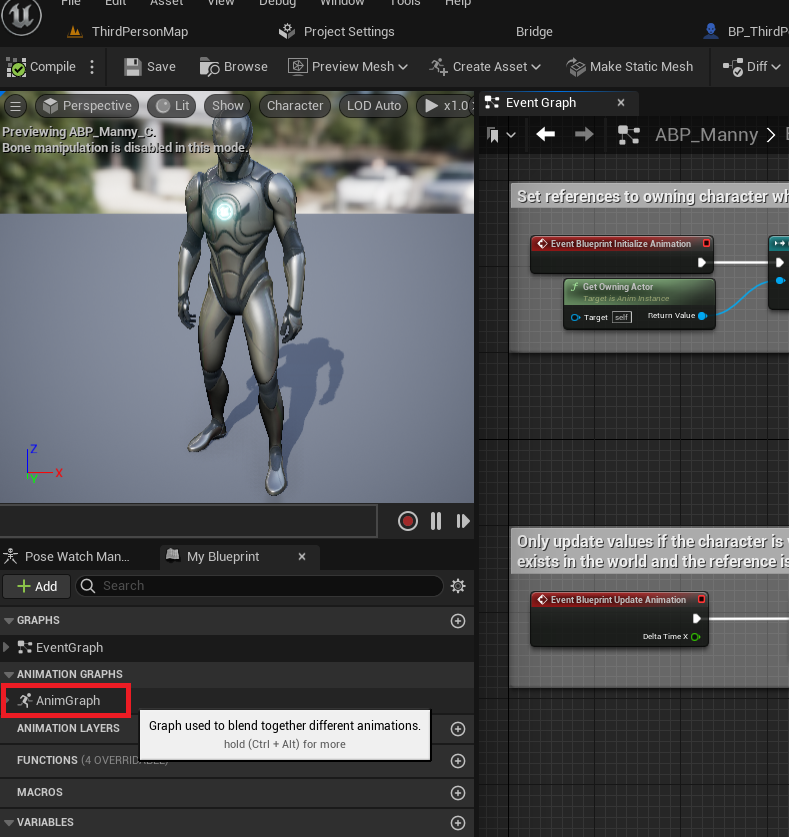
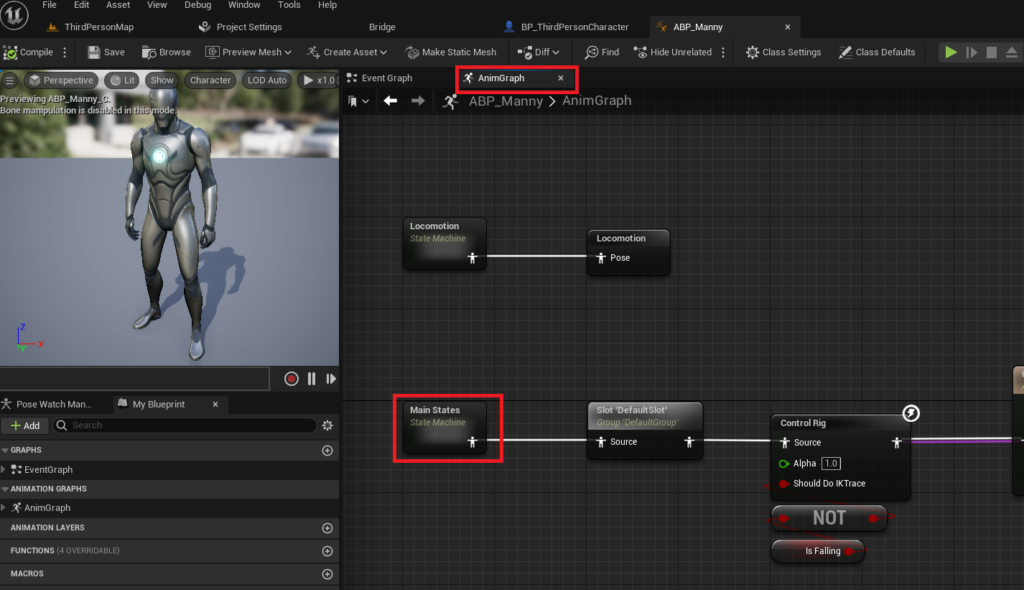
To address this, UE5 provides robust tools within the Animation Blueprint, such as the ABP_Manny asset typically found in template projects, to manage animation transitions. By accessing the AnimGraph and navigating to the Main States state machine, developers can establish intelligent transitions between animation states. A key improvement for the double jump involves creating a transition path from the "Fall Loop" state back to the "Jump" state. This ensures that when a player initiates a second jump while already in the air (i.e., in a falling or mid-air state), the jump animation is re-triggered, providing immediate and intuitive visual feedback.
This animation logic involves checking the character’s current jump count and velocity. Specifically, a transition condition can be set to allow the character to move from a falling state back into a jumping animation state if the Jump Current Count is greater than 1 and the character’s Z velocity is positive (indicating an upward movement). This ensures the animation only plays when an actual second jump is performed, not just during a brief upward momentum. The ability to visually script these complex animation rules within the Blueprint editor, rather than through C++ code, further underscores UE5’s commitment to accessibility, allowing animators and designers to directly influence gameplay feel without deep programming knowledge. The result is a character whose movements are not only functional but also visually expressive, enhancing player engagement and satisfaction through clear, responsive cues that reinforce the mechanic.
Industry Reactions and Broader Implications
The simplification of fundamental mechanics like the double jump within Unreal Engine 5 has garnered significant positive attention across the game development industry. This approach is widely seen as a direct fulfillment of Epic Games’ long-term strategy to democratize game creation and elevate the quality of interactive experiences.
Epic Games’ Vision and Developer Empowerment
From Epic Games’ perspective, the ease of implementing features such as the double jump is not merely a technical convenience but a strategic move to empower a wider array of creators. Tim Sweeney, CEO of Epic Games, has frequently articulated a vision for a more open and accessible development ecosystem, where powerful tools are available to all. By reducing the complexity associated with core mechanics, Epic aims to free up developers’ time and resources, allowing them to allocate more effort towards innovative gameplay elements, unique artistic styles, and compelling narratives. This aligns with the engine’s broader goal of providing high-end tools that are simultaneously powerful and user-friendly, catering to both AAA studios and burgeoning indie teams, thus fostering a vibrant and competitive market.
Benefits for Independent and Smaller Studios
For independent developers and smaller studios, the impact of such simplified tools is particularly profound. Historically, these teams often faced immense pressure to meticulously craft every system from scratch, a process that consumed valuable development time and often required specialized programmers. With UE5, many foundational systems are robustly pre-built and easily configurable, significantly lowering the barrier to entry. An indie developer can now rapidly prototype a platformer with a functional and visually responsive double jump in hours, rather than days or weeks, allowing them to quickly test gameplay concepts and iterate on design. This acceleration of the prototyping phase can be a critical factor in the success of smaller projects, enabling them to bring their unique visions to market more efficiently and compete with larger entities.
Veteran Developer Insights and Resource Allocation
Even large, established studios benefit from these advancements. Veteran developers note that while they possess the expertise to code these mechanics, the ability to rapidly implement and iterate on them through intuitive Blueprint interfaces frees up their highly skilled engineers to tackle more complex, bespoke systems unique to their game. It transforms common mechanics from potential time sinks into readily available building blocks, optimizing resource allocation and project timelines. The implication is a shift in focus: from building the scaffolding to decorating the house, enabling more time for creative embellishment and less on structural integrity. This efficiency gain can translate into higher production values or shorter development cycles, directly impacting profitability and market responsiveness.
Analyst Commentary on Industry Trends
Industry analysts observe that UE5’s approach to simplifying complex tasks is part of a larger trend in game engine development, where accessibility and efficiency are increasingly prioritized. This trend is driven by the growing demand for games, the expansion of development teams globally, and the need for faster content creation cycles. Engines that can abstract away boilerplate code while maintaining high performance are seen as key enablers for innovation. The simplification of core mechanics within UE5 is therefore not an isolated feature but a strategic component of a comprehensive platform designed to meet the evolving needs of the global game development community. This democratizing effect is expected to lead to a greater diversity of games, as more creators can realize their ambitious projects without prohibitive technical overhead, potentially fostering new genres and play experiences.
The Broader Implications for Game Design and Development
The ease of implementing features like the double jump in Unreal Engine 5 extends beyond mere technical convenience; it has significant implications for the creative process, the quality of games, and the overall trajectory of the industry.
Accelerated Prototyping and Iteration
One of the most immediate benefits is the acceleration of the prototyping and iteration phases of game development. Designers can quickly block out levels and test movement mechanics without waiting for programmers to implement custom code. This rapid feedback loop allows for more experimental gameplay ideas to be explored and refined early in the development cycle, reducing the risk of costly reworks later on. The ability to tweak jump parameters and animation transitions in real-time fosters a more agile and responsive development environment, leading to more robust and enjoyable gameplay experiences.
Fostering Creative Freedom
By abstracting away the boilerplate code for common mechanics, UE5 allows developers to allocate more creative energy to unique aspects of their games. Instead of spending time on "how to make a character jump twice," creators can focus on "how does the double jump fit into my unique game world?" or "what unique visual or audio effects can accompany this double jump to enhance its feel?" This shift enables a greater focus on innovative game design, distinctive art direction, and compelling storytelling, ultimately leading to more original and memorable player experiences. It empowers developers to push the boundaries of established genres rather than being constrained by the technical overhead of foundational systems.
Lowered Barrier to Entry and Increased Diversity
The democratization of complex mechanics is a powerful force for increasing diversity within the game development community. Individuals and small teams without extensive programming backgrounds can now access and utilize high-fidelity engine capabilities, bringing fresh perspectives and unique cultural narratives to the gaming landscape. This could lead to a broader range of game genres, styles, and themes, enriching the entire industry and appealing to a wider audience of players. The rise of accessible tools means that creativity, rather than deep technical knowledge, increasingly becomes the primary driver of game creation, fostering a more inclusive and innovative environment.
Elevated Player Expectations
As such mechanics become easier to implement and refine, players will naturally come to expect a higher standard of polish and responsiveness in character movement across all games. A poorly implemented double jump or one lacking proper visual feedback will stand out more starkly when other titles effortlessly achieve a seamless experience using engines like UE5. This pushes the overall quality bar for the industry, encouraging all developers to invest in robust and satisfying core gameplay loops, thereby elevating the overall player experience across the board.
The Future of Core Mechanics in Advanced Engines
The trajectory set by Unreal Engine 5 in simplifying complex mechanics points towards a future where game engines act as highly sophisticated, yet intuitive, creative platforms. We can anticipate further advancements in automating or simplifying other challenging aspects of game development, such as complex AI behaviors, advanced physics interactions, or intricate environmental storytelling systems. The integration of artificial intelligence and machine learning could further streamline asset generation, animation retargeting, and even procedural level design, allowing developers to conjure entire worlds with unprecedented speed and efficiency.
Unreal Engine’s strong market position, coupled with Epic Games’ continuous investment in developer tools and resources, suggests it will remain at the forefront of this evolution. As engines become more powerful and user-friendly, the distinction between a "game developer" and a "game designer" may blur further, enabling individuals to wear multiple hats more effectively. The focus will increasingly shift
About the Author