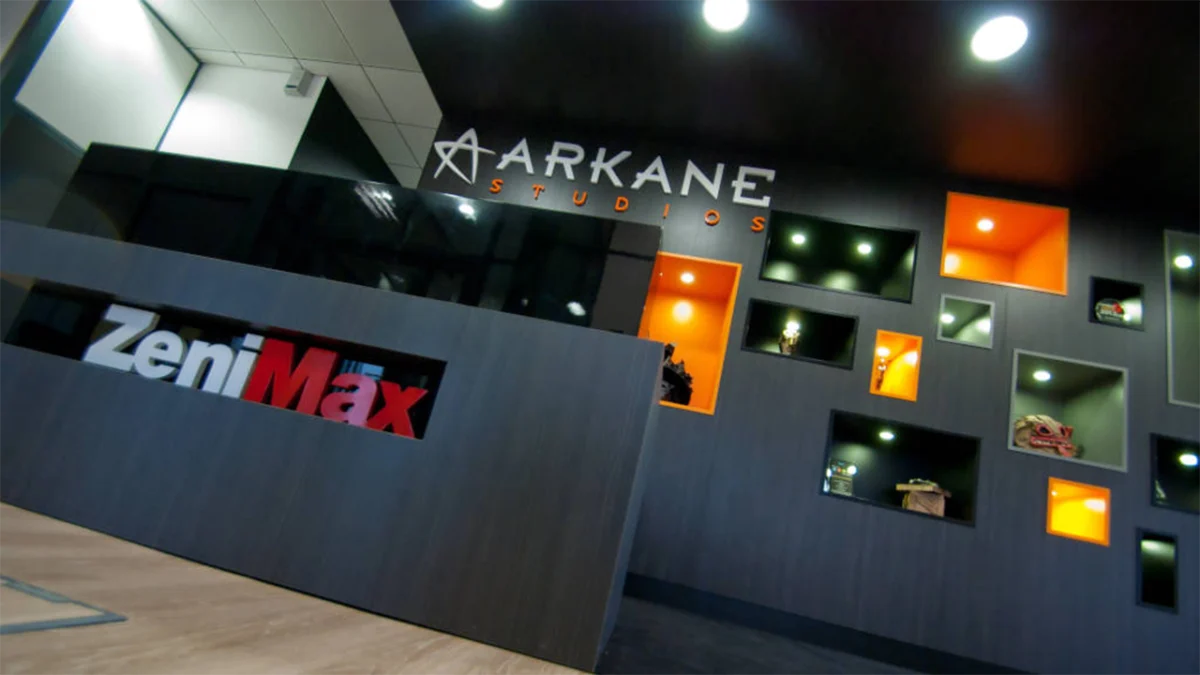
Since Xbox announced plans for a sweeping structural reset this past summer, Microsoft and its expansive video game division have been actively pursuing divestitures of several studios, a strategy designed to streamline operations and enhance profitability. Among the entities facing an uncertain future is Zenimax’s critically acclaimed Arkane studio, based in Lyon, France. Unique circumstances, primarily the stringent French labor laws mandating a comprehensive period of consultation with the Social and Economic Committee (CSE) before any large-scale layoffs or significant organizational changes, have allowed Arkane Lyon to remain operational while Microsoft diligently seeks a suitable buyer. Recent reports indicate a clearer picture of the studio’s potential fate, with possibilities ranging from an acquisition by French gaming giant Ubisoft to an unprecedented management buyout, allowing the studio to regain independence.
The Context of Microsoft’s Strategic Overhaul
Microsoft’s decision to embark on a significant "structural reset" within its Xbox division followed a period of aggressive expansion, most notably the $7.5 billion acquisition of ZeniMax Media in 2021 and the monumental $69 billion purchase of Activision Blizzard King, which finalized in late 2023. While these acquisitions positioned Microsoft as a dominant force in the global gaming landscape, they also brought challenges related to integration, overlapping functions, and managing a vastly expanded portfolio of studios and intellectual properties. The "reset" initiative, unveiled last summer, was framed as a necessary step to optimize resources, reduce redundancies, and focus on strategic priorities in a highly competitive and evolving industry. This initiative has been far-reaching, impacting approximately 3,200 employees across various Xbox, Bethesda, and Activision Blizzard divisions.
The consequences of this restructuring have been severe for several development teams. In May 2024, Microsoft announced the closure of multiple studios under its ZeniMax umbrella, including the acclaimed Tango Gameworks, known for titles like Hi-Fi Rush and The Evil Within, and Arkane Austin, the American counterpart to Arkane Lyon, which had recently released the troubled title Redfall. These closures sent shockwaves through the industry, highlighting Microsoft’s willingness to make difficult decisions to achieve its strategic objectives, even at the cost of critically respected studios. Furthermore, the reset has seen Microsoft actively seek to divest other studios, with Double Fine Productions and Undead Labs reportedly making significant layoffs after being effectively jettisoned from the Xbox ecosystem. Ninja Theory, another Xbox-owned studio, also reportedly faced layoffs after failing to secure a spin-off deal, underscoring the precarious situation studios find themselves in under the new corporate directive.
Arkane Lyon: A Legacy of Immersive Design
Arkane Lyon, founded in 1999 by Raphaël Colantonio, has carved out a unique and esteemed niche in the video game industry. Acquired by ZeniMax Media in 2010, the studio quickly became synonymous with the "immersive sim" genre, characterized by player agency, intricate world design, and multiple pathways to achieve objectives. Their foundational work includes the highly influential Dark Messiah of Might & Magic (2006), developed in collaboration with Ubisoft, which showcased their prowess in first-person combat and environmental interaction.
The studio truly solidified its reputation with the Dishonored series, beginning with the critically acclaimed Dishonored in 2012, followed by Dishonored 2 in 2016, and the standalone expansion Dishonored: Death of the Outsider in 2017. These titles garnered widespread praise for their unique steampunk aesthetics, compelling narratives, and unparalleled freedom in gameplay, allowing players to choose between stealthy, non-lethal approaches or direct, brutal combat. Dishonored received numerous Game of the Year awards and nominations, establishing Arkane Lyon as a premier developer.
In 2017, Arkane Lyon released Prey, a sci-fi psychological thriller that reimagined the immersive sim genre in a space station setting. Prey was lauded for its innovative gameplay mechanics, atmospheric storytelling, and profound choices that impacted the narrative. More recently, Deathloop (2021) continued Arkane’s tradition of innovation, presenting a stylish first-person shooter with roguelike elements, where players are trapped in a time loop on a mysterious island. Deathloop was a commercial and critical success, earning multiple awards, including several Game of the Year nominations and wins from various outlets, and showcasing the studio’s ability to evolve its core design philosophy.
Currently, Arkane Lyon is deep in development on Marvel’s Blade, a highly anticipated superhero action game announced in 2023. Expected to be released within the next one to two years, Blade represents a significant project for the studio, moving beyond its established original IPs into a globally recognized franchise. The potential divestiture raises questions about the future of this high-profile project and its continued development under new ownership.
The Bidding Process and Potential Suitors
As reported by Bloomberg, Arkane Lyon is currently entertaining multiple bids, although no definitive deal has reportedly reached a conclusive stage. The active search for a buyer is crucial for the studio’s survival and the continuation of its work, particularly on Marvel’s Blade. The successful sale of the studio would likely ensure the project’s completion, providing stability for its development team and avoiding further disruption.
One of the most prominent potential bidders is Ubisoft, a French video game publisher headquartered just under 300 miles from Lyon. The geographical proximity offers a natural synergy, potentially easing logistical and cultural integration. Moreover, Arkane and Ubisoft share a history of collaboration, notably on Dark Messiah of Might & Magic in 2006, demonstrating a pre-existing working relationship and mutual understanding of creative processes. While specific financial details of Ubisoft’s bid have not been disclosed, acquiring Arkane Lyon would represent a strategic move for Ubisoft. The company, which has recently faced its own financial pressures and strategic shifts, could benefit from integrating a highly skilled and critically acclaimed development team known for its innovative game design. This could bolster Ubisoft’s first-party portfolio, potentially introducing new IPs or elevating existing ones with Arkane’s distinctive creative touch.
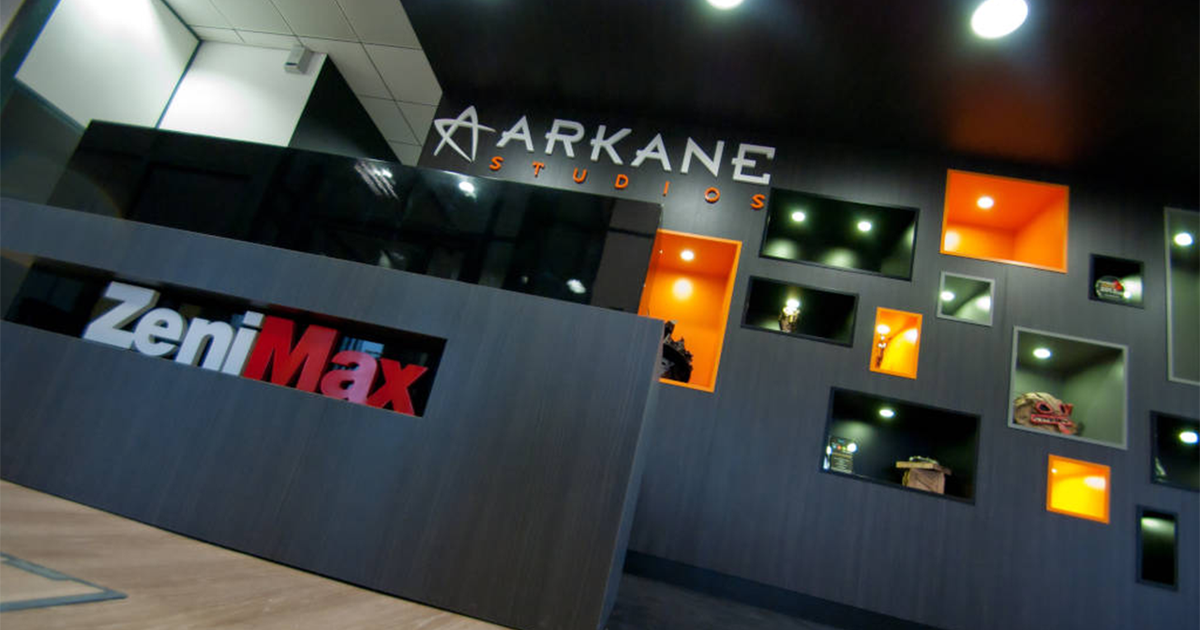
Another significant consideration for Microsoft is the possibility of a management buyout (MBO). This scenario would see Arkane Lyon’s current leadership team acquiring the studio, effectively allowing it to go independent. Such a deal would not be entirely unprecedented within Xbox’s divestiture strategy, echoing the situations with Double Fine and Undead Labs, where studios transitioned out of Microsoft’s direct ownership. A management buyout could offer Arkane Lyon maximum creative autonomy and preserve its unique studio culture, which has been a hallmark of its success. However, it would also entail significant financial and operational challenges for the newly independent entity, requiring them to secure funding, publishing deals, and handle all administrative functions previously managed by Microsoft/ZeniMax.
The Crucial Role of French Labor Law
The unique situation of Arkane Lyon, which has held on while other ZeniMax studios faced immediate closure or divestiture, can be largely attributed to the robust labor protections enshrined in French law. Specifically, the mandate for a period of consultation with the Social and Economic Committee (Comité Social et Économique, or CSE) before any large-scale layoffs or significant structural changes comes into play.
The CSE is a representative body of employees that plays a critical role in corporate decision-making processes that affect workers. In France, employers are legally obligated to inform and consult the CSE on a wide range of issues, including economic and financial decisions, strategic orientations, working conditions, and, crucially, plans for collective redundancies or company restructurings that could impact employment. This consultation process is not merely a formality; it is a substantive dialogue that can involve several meetings over an extended period, often weeks or even months. During this time, the employer must provide detailed information, explain the rationale behind the proposed changes, and consider the CSE’s opinions and proposals. The committee also has the right to appoint external experts (e.g., accountants, lawyers) to analyze the employer’s plans, funded by the company, to ensure the proposals are justified and that employee interests are adequately represented.
For Microsoft, this means that even if a decision to divest or close Arkane Lyon were made internally, the execution of such a plan would be significantly delayed by the legal requirement to engage in this extensive consultation process. This mandatory period has provided Arkane Lyon with a crucial window of opportunity to seek a buyer, effectively shielding its employees from the immediate impact felt by their counterparts in other Microsoft-owned studios located in countries with less stringent labor laws. It highlights the profound influence of national regulatory frameworks on global corporate strategies and employee protection.
Broader Industry Impact and Implications
The ongoing situation with Arkane Lyon is emblematic of broader trends sweeping across the video game industry. The past year has seen an unprecedented wave of layoffs, with thousands of developers losing their jobs across companies of all sizes, from indie studios to major publishers. This downturn, following a boom during the pandemic, is attributed to various factors including over-hiring, increased development costs, economic uncertainties, and a push for greater profitability from investors. Microsoft’s structural reset, while massive in scale, is part of this larger industry-wide consolidation and belt-tightening.
For Arkane Lyon, a successful acquisition, whether by Ubisoft or through an MBO, offers the best hope for maintaining its creative identity and ensuring job security for its highly skilled workforce. An MBO could foster a renewed sense of independence and allow the studio to chart its own course, free from direct corporate oversight, though with the inherent risks of self-management. An acquisition by Ubisoft, conversely, would integrate Arkane into a larger publishing ecosystem, providing financial stability and potentially new resources, but perhaps at the cost of some creative autonomy. The success of Marvel’s Blade would undoubtedly be a key factor in any new owner’s strategic planning.
For Microsoft, the divestiture of Arkane Lyon, alongside other studio closures and sales, reinforces its commitment to a more focused and streamlined first-party strategy. While the company continues to invest heavily in its Xbox Game Pass subscription service and major first-party titles, it appears to be shedding assets deemed non-core or underperforming in its new operational model. This could lead to a more centralized and efficient development pipeline for Xbox, but it also risks alienating portions of the player base and diminishing the diversity of its portfolio.
The outcome for Arkane Lyon will serve as a significant case study, demonstrating the interplay of corporate strategy, market dynamics, and national labor laws in the complex world of video game development. It underscores the challenges faced by creative studios navigating an increasingly consolidated and volatile industry, where even critical acclaim and a strong legacy do not guarantee immunity from structural changes.
Looking Ahead
As Arkane Lyon continues its work on Marvel’s Blade, the coming months will be critical in determining its future. The negotiations with potential buyers, including Ubisoft, and the exploration of a management buyout option, are proceeding under the shadow of Microsoft’s broader restructuring. Should a suitable buyer not be found, the studio faces the grim prospect of closure, a fate that has befallen other esteemed developers in the wake of Xbox’s reset. Arkane leadership and its employees are undoubtedly hoping for a swift and favorable resolution, one that preserves the studio’s unique legacy, protects its talent, and allows it to continue contributing its distinctive creative vision to the global gaming community. The eyes of the industry remain fixed on Lyon, awaiting the next chapter in the story of one of gaming’s most innovative studios.
About the Author