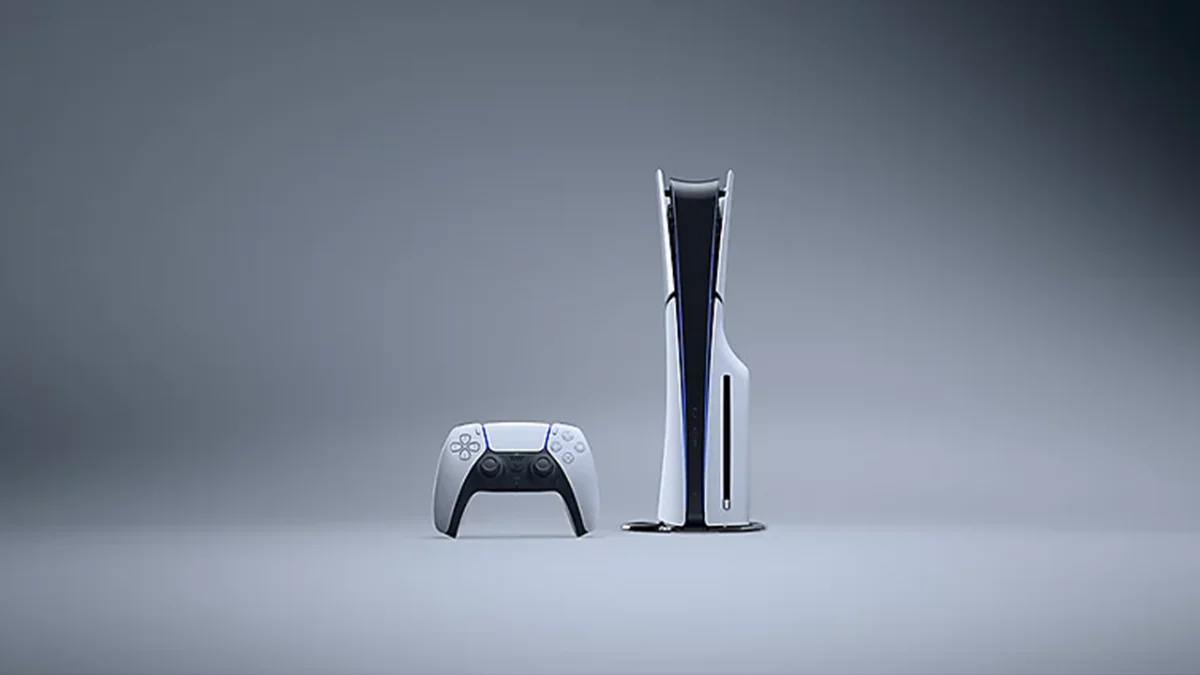
As of November 10, 2026, Sony Interactive Entertainment’s PlayStation 5 has officially achieved a monumental sales milestone, shipping over 100 million units worldwide, as confirmed by data published on Sony Interactive’s Business Data & Sales page. This significant benchmark places the current-generation console in an exclusive pantheon alongside its highly successful predecessors, the original PlayStation, PlayStation 2, and PlayStation 4, as well as Nintendo’s iconic Wii and Switch systems, which are the only other home consoles to have surpassed the nine-figure shipment mark. The achievement, which industry analysts and observers had anticipated for some time, underscores the console’s enduring appeal and Sony’s robust market position in the fiercely competitive video game industry.
A Journey Marked by Resilience: The PS5’s Path to 100 Million
The PlayStation 5’s journey to 100 million units has been anything but conventional. Launched globally in November 2020 amidst unprecedented global challenges, the console faced immediate and persistent supply chain disruptions exacerbated by the COVID-19 pandemic and a severe global shortage of semiconductors. These factors severely limited initial availability, leading to widespread consumer frustration, exorbitant resale prices by scalpers, and a slower initial uptake compared to some of its predecessors. Despite these formidable headwinds, demand for the PS5 remained exceptionally high, fueled by its powerful hardware, innovative DualSense controller, and a strong pipeline of exclusive titles.
Throughout 2021 and much of 2022, acquiring a PlayStation 5 proved to be a significant challenge for many consumers. Sony repeatedly acknowledged these supply constraints, working diligently with manufacturing partners to ramp up production. It wasn’t until late 2023 and early 2024 that supply bottlenecks largely eased, allowing for more consistent retail availability across major markets. This period of improved supply coincided with a surge in sales, demonstrating the pent-up demand that had accumulated since its launch. The console’s consistent performance through various fiscal quarters, even during periods of limited stock, hinted at the eventual crossing of the 100 million threshold, making the official announcement on November 10, 2026, a culmination of years of persistent effort and sustained consumer interest.
Historical Context: PS5 Among Gaming’s Giants
Reaching 100 million units shipped is a testament to the PlayStation brand’s enduring strength and the PS5’s appeal. To put this into perspective, the original PlayStation (PS1) shipped approximately 102.49 million units, the PlayStation 2 (PS2) remains the best-selling console of all time with over 155 million units, and the PlayStation 4 (PS4) achieved 117.2 million units. The PS5’s current standing places it firmly within this legacy of success, demonstrating remarkable consistency across generations for Sony’s flagship gaming division.
Beyond the PlayStation family, only two other home consoles have managed to reach this elite status: the Nintendo Wii, which sold 101.63 million units, and the Nintendo Switch, which as of mid-2026, is estimated to be well over 130 million units and still actively selling. The PS5’s entry into this exclusive club underscores its widespread global acceptance and reinforces the notion that dedicated gaming consoles continue to hold a vital place in the entertainment landscape, even amidst the rise of PC gaming, mobile platforms, and cloud streaming services.
A brief look at the sales velocity of previous generations highlights the PS5’s resilience. The PS4, launched in November 2013, reached 100 million units in approximately 5 years and 9 months. The PS2, launched in March 2000, achieved the milestone in roughly 5 years and 9 months as well. The PS5, launched in November 2020, has reached 100 million in precisely six years. Considering the unprecedented supply chain disruptions it faced for nearly half of its lifecycle, this timeline is particularly impressive. Had initial production been unhindered, many analysts believe the PS5 could have potentially matched or even surpassed the PS4’s velocity. This delayed but robust acceleration signifies the console’s fundamental attractiveness and the strength of the PlayStation ecosystem.
Driving Factors: Innovation, Content, and Ecosystem
Several factors have been instrumental in the PlayStation 5’s success. At its core, the console offered a significant leap in hardware capabilities over its predecessor. The custom SSD revolutionized load times and enabled new game design paradigms, while the AMD RDNA 2-based GPU delivered stunning 4K visuals and ray tracing capabilities. The Tempest 3D AudioTech provided immersive soundscapes, but perhaps the most talked-about innovation was the DualSense wireless controller. Its haptic feedback and adaptive triggers offered a level of tactile immersion previously unseen in console gaming, fundamentally altering how players interacted with games.
The software library has also been a crucial driver. Launch titles like Marvel’s Spider-Man: Miles Morales immediately showcased the console’s power and the DualSense’s unique features. Subsequent exclusives such as God of War Ragnarök, Horizon Forbidden West, Ratchet & Clank: Rift Apart, and Marvel’s Wolverine (anticipated for late 2026/early 2027) have consistently provided system-selling experiences. Beyond first-party titles, strong third-party support from major publishers like Activision, Electronic Arts, Ubisoft, and Square Enix, along with a burgeoning independent game scene, has ensured a diverse and rich content offering.
Furthermore, the PlayStation ecosystem, including the PlayStation Plus subscription service, has continued to evolve. With multiple tiers offering access to vast game catalogs, cloud streaming, and online multiplayer, PlayStation Plus has become an increasingly valuable proposition for PS5 owners, fostering greater engagement and recurring revenue for Sony. The integration of PlayStation VR2 (PS VR2) in early 2023 also added a new dimension to the PS5 experience, expanding its appeal to virtual reality enthusiasts and further differentiating it from competitors.
The Competitive Landscape: Navigating a Shifting Market
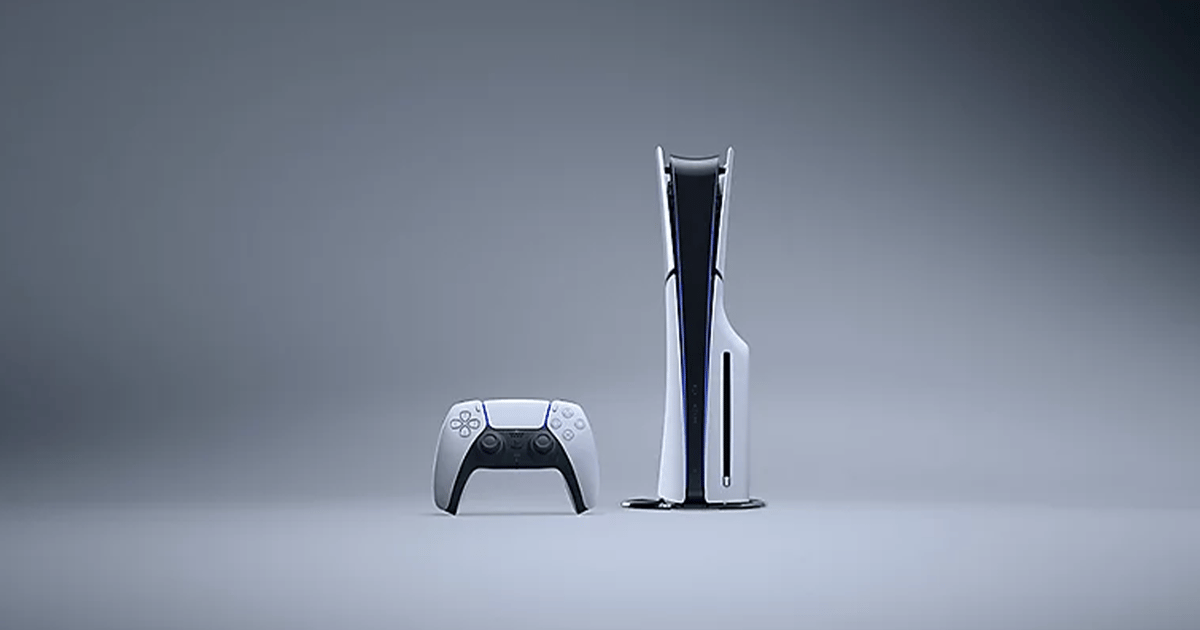
The PlayStation 5’s achievement comes within a dynamic and highly competitive gaming market. Its primary rival, Microsoft’s Xbox Series X and Series S, launched concurrently in November 2020. While Microsoft has not publicly disclosed precise shipment figures for its current generation consoles in the same manner as Sony, industry estimates suggest the Xbox Series X/S combined install base is significantly lower than the PS5’s, likely in the range of 50-60 million units by late 2026. Microsoft’s strategy has heavily leaned into Xbox Game Pass, its subscription service, and its multi-platform approach, emphasizing accessibility across consoles, PC, and cloud, rather than solely focusing on hardware unit sales.
Nintendo, with its highly successful Switch, occupies a different segment of the market, often appealing to a broader, more casual audience and offering a unique hybrid portable/home console experience. While the Switch’s momentum has begun to naturally slow after nearly a decade on the market, its unprecedented success ensured a robust three-way console competition throughout the PS5’s early years. The PS5’s ability to carve out such a significant install base amidst these strong competitors underscores its distinct value proposition and Sony’s continued ability to execute on its core console strategy.
Official Responses and Industry Perspectives
While Sony Interactive Entertainment has yet to release a detailed press statement specifically commemorating the 100 million units shipped milestone as of this publication, industry observers widely anticipate a celebratory announcement from SIE’s leadership. It is expected that figures such as Jim Ryan, President and CEO of Sony Interactive Entertainment (or his successor by late 2026), will likely express profound gratitude to PlayStation fans worldwide, acknowledge the efforts of developers and partners, and reiterate Sony’s commitment to pushing the boundaries of interactive entertainment. Such statements typically highlight not just the hardware success but also the vibrant community and the future innovations planned for the PlayStation ecosystem.
Industry analysts have already begun weighing in on the significance of this achievement. "The PlayStation 5 reaching 100 million units, especially after navigating such severe supply constraints, is a powerful affirmation of the console’s design, its software library, and the enduring power of the PlayStation brand," stated Dr. Emily Chen, a senior analyst at GlobalTech Gaming Insights. "This large install base provides a tremendous foundation for software sales, PlayStation Plus subscriptions, and future hardware iterations. It also signals strong developer confidence, as studios are incentivized to create high-fidelity experiences for such a vast audience." Developers and publishers are also likely to view this milestone positively, as a larger user base directly translates to a greater potential market for their games and digital content, potentially influencing future development decisions and investment in PS5-exclusive or optimized titles.
Broader Implications for the Gaming Industry
The PlayStation 5’s ascent to 100 million units carries significant implications for the wider gaming industry. Firstly, it solidifies Sony’s position as a dominant force in the console market, providing them with considerable leverage in negotiations with third-party publishers and developers, as well as in setting industry trends. This robust install base also reinforces the viability of traditional console gaming in an era increasingly fragmented by various platforms and business models.
Secondly, the success of the PS5 demonstrates the continued appetite for high-fidelity, premium gaming experiences. While free-to-play mobile games and subscription services have expanded the market, the demand for powerful dedicated hardware capable of delivering cutting-edge graphics and innovative gameplay remains strong. This encourages continued investment in AAA game development, pushing technological boundaries and fostering innovation across the industry.
Thirdly, the PS5’s performance provides a strong economic tailwind for Sony’s entire gaming division. Beyond hardware sales, the console drives revenue through software sales (both physical and digital), accessory sales, PlayStation Plus subscriptions, and microtransactions. This diversified revenue stream ensures long-term profitability and allows Sony to invest further in research and development, potentially leading to the next generation of gaming hardware and services.
Finally, the achievement fuels speculation about the future trajectory of the PlayStation brand. With 100 million units in the wild, Sony can confidently plan its next moves, whether it involves further hardware revisions (e.g., a "PS5 Pro" or a true "PS6"), deeper integration of cloud gaming technologies, or expansion into new entertainment verticals. The massive user base represents a captive audience for new innovations and content offerings, providing a stable platform for Sony’s long-term vision in interactive entertainment.
Looking Ahead: Sustaining Momentum and Future Innovations
As the PlayStation 5 enters its post-100-million phase, Sony’s focus will likely shift towards sustaining momentum and further enriching the user experience. This will involve a continued commitment to delivering compelling first-party titles, fostering strong relationships with third-party developers, and evolving the PlayStation Plus service to maintain its competitive edge. The ongoing development of technologies like cloud streaming and artificial intelligence in gaming will undoubtedly play a role in the console’s future, potentially extending its lifecycle and capabilities.
The PlayStation 5’s journey from a highly anticipated, supply-constrained launch to a 100-million-unit success story is a testament to the power of innovation, brand loyalty, and persistent execution. It underscores that despite the challenges and the ever-evolving nature of the entertainment landscape, dedicated gaming consoles continue to capture the imaginations of millions worldwide, providing immersive experiences that drive the industry forward. The PS5 has not just sold units; it has cemented its legacy as a cornerstone of modern gaming, setting the stage for PlayStation’s next chapter.
About the Author