Contextualizing the Latest Cuts: A Pattern of Workforce Reduction
The redundancy of 36 positions at Tripwire Interactive marks a significant workforce reduction for the studio. This is not the first instance of layoffs at the company this year; an earlier restructuring plan saw 23 jobs eliminated, bringing the total number of roles cut within 2026 to 59. Such repeated downsizing raises questions about the studio’s stability, its strategic direction, and its capacity to manage multiple ambitious projects simultaneously. The timing of these latest layoffs is particularly noteworthy, occurring just days after Tripwire Interactive publicly launched "Tripwire Presents." This initiative was positioned as a strategic expansion, intended to leverage Tripwire’s publishing expertise to champion smaller, innovative titles. The apparent contradiction between expanding publishing operations and simultaneously reducing internal development staff suggests a potential re-prioritization of resources, a shift in business model, or perhaps an attempt to streamline operations in one area to fund growth in another, albeit at the cost of existing talent.
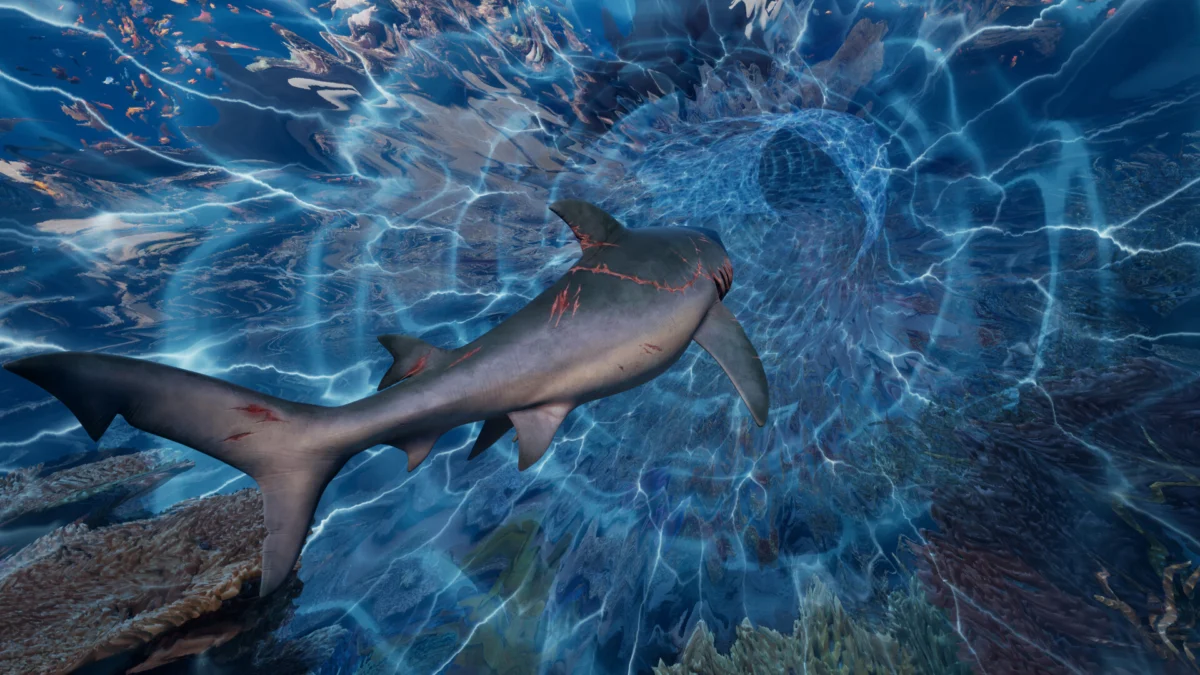
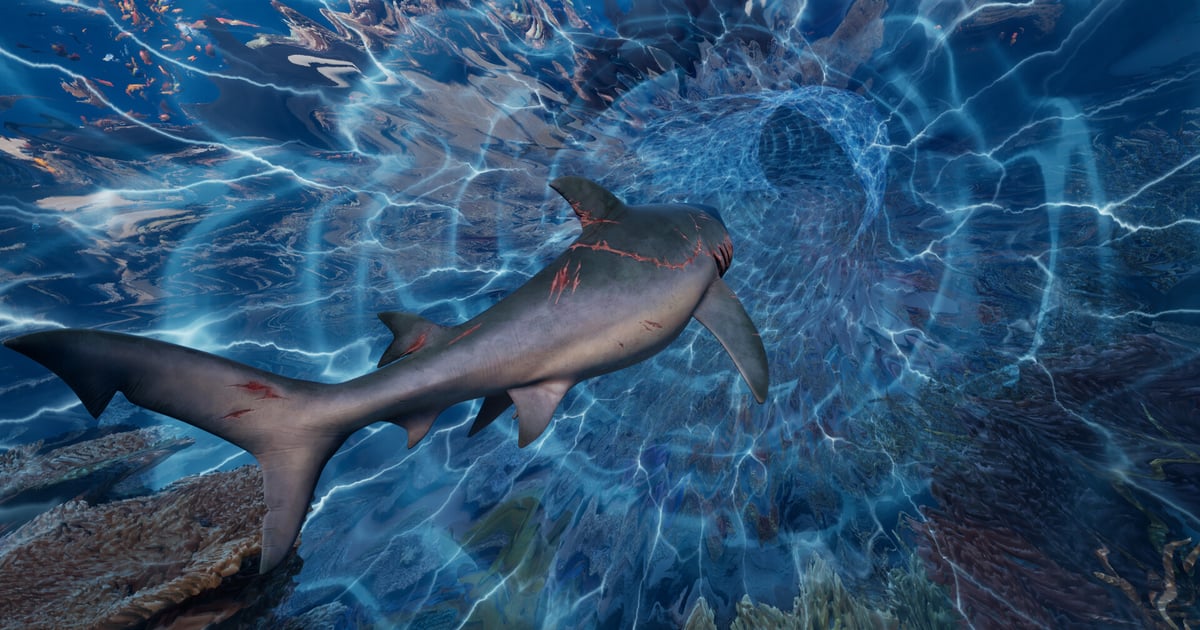
Tripwire Interactive, in a statement shared on X (formerly Twitter), acknowledged the layoffs while reiterating its commitment to ongoing projects. The studio confirmed that development continues on Maneater 2 and Killing Floor 3. The latter, released last year, has reportedly struggled to replicate the commercial success and critical reception of its predecessor, Killing Floor 2. This underperformance is a critical factor in the studio’s current challenges, especially given the high development costs associated with modern AAA-adjacent titles. The competitive landscape of the gaming market, combined with increasing player expectations, places immense pressure on studios to deliver consistent hits. When a tentpole title like Killing Floor 3 falls short of expectations, it can have immediate and severe financial repercussions, often leading to cost-cutting measures such as layoffs.
Tripwire’s Portfolio and Performance Challenges
The Killing Floor series has long been a cornerstone of Tripwire Interactive’s identity, establishing the studio as a formidable player in the cooperative first-person shooter genre. Killing Floor 2, released in 2016, garnered widespread acclaim for its visceral combat, robust perk system, and extensive post-launch support, cultivating a dedicated player base. Its commercial success provided a strong foundation for the studio’s subsequent ventures. However, the trajectory for Killing Floor 3, launched in 2025, appears to have diverged significantly. While specific sales figures have not been publicly detailed by Tripwire, reports from industry analysts and community feedback suggest that the game has not achieved the same level of market penetration or sustained engagement as its predecessor. Factors contributing to this could include increased competition in the online shooter space, evolving player preferences, or perceived shortcomings in the game’s launch state or content roadmap.
The development of Maneater 2, the sequel to the unique "ShaRkPG" Maneater, represents another significant investment for Tripwire. The original Maneater, released in 2020, was lauded for its innovative concept and enjoyable gameplay loop, offering a fresh take on the action-RPG genre. The success of the first title naturally led to expectations for a follow-up. However, maintaining development on two major titles—especially when one has underperformed—while simultaneously undergoing multiple rounds of layoffs, poses considerable logistical and morale challenges for the remaining development teams. Such conditions can strain resources, potentially impact development timelines, and even affect the final quality of the games if key personnel or institutional knowledge are lost during the restructuring process. The balance between fulfilling existing commitments and adapting to market realities is a delicate one, and Tripwire Interactive appears to be navigating this tightrope with increasing difficulty.
The "Tripwire Presents" Initiative: A Conflicting Development?
The announcement of "Tripwire Presents" just days before the latest layoff round introduces a layer of complexity and perceived contradiction to Tripwire’s current strategy. On one hand, expanding into third-party publishing for smaller games could be a forward-thinking move, diversifying revenue streams and leveraging the company’s established market presence. It could also represent a strategic pivot, aiming to reduce the inherent risks and massive investment required for internal AAA-scale development by fostering a portfolio of more agile, potentially less capital-intensive projects. This model has proven successful for other publishers who balance internal development with external partnerships.
However, the timing of the announcement in relation to significant workforce reductions raises questions about the strategic rationale and transparency of these decisions. It is unclear whether the "Tripwire Presents" initiative was conceived with full knowledge of impending layoffs, or if the layoffs were a direct consequence of a strategic re-evaluation that prioritized publishing over internal development capacity. This confluence of events could lead to skepticism within the industry and among the player community. Stakeholders might question the long-term commitment to internal game development if the company is simultaneously shedding staff while outwardly presenting an image of expansion through external partnerships. For the affected employees, the announcement of a new venture while facing redundancy could be particularly disheartening, highlighting a potential disconnect between corporate strategy and employee welfare.
Embracer Group’s Wider Restructuring and Its Ripple Effects
Tripwire Interactive’s situation cannot be fully understood in isolation; it is deeply intertwined with the ongoing restructuring efforts of its parent company, Embracer Group. The Swedish video game holding company embarked on an aggressive acquisition spree between 2020 and 2022, accumulating over 100 studios and intellectual properties, including major acquisitions like Gearbox Entertainment, Crystal Dynamics, Eidos-Montréal, and the rights to The Lord of the Rings and The Hobbit. This rapid expansion positioned Embracer as one of the largest entities in the gaming industry.
However, this period of hyper-growth was followed by significant financial challenges. A crucial $2 billion partnership deal fell through in mid-2023, triggering a widespread "restructuring program" across the entire Embracer ecosystem. This program, announced in June 2023, aimed to reduce costs, improve capital allocation, and increase efficiency. It has since led to the closure of several studios, the cancellation of numerous unannounced projects, and thousands of layoffs across its various subsidiaries globally. Prominent examples include the closure of Volition (developers of Saints Row), layoffs at Gearbox, and reductions at Crystal Dynamics. The restructuring has been characterized by its broad and deep impact, fundamentally altering the landscape of the Embracer family of companies.
Tripwire Interactive’s layoffs, both the 23 earlier in the year and the latest 36, are directly attributable to this larger corporate mandate. Studios within the Embracer Group have been tasked with demonstrating profitability and strategic alignment, leading to difficult decisions regarding staffing and project portfolios. While specific details of Tripwire’s financial performance under Embracer are not public, it is highly probable that the studio was subject to similar pressures to streamline operations and cut expenditures. This overarching corporate context transforms Tripwire’s layoffs from an isolated incident into a symptom of a much larger, industry-wide phenomenon driven by the financial re-evaluation of a major conglomerate.
The Echoes of Leadership: John Gibson’s Controversial Departure and Recent Commentary
Adding another layer of complexity to Tripwire’s narrative is the shadow cast by its co-founder and former CEO, John Gibson. Gibson, a prominent figure in the studio’s history, departed from his leadership role in 2024 under controversial circumstances. His departure stemmed from public comments he made in support of Texas’ anti-abortion law, which drew significant criticism and led to several of Tripwire Interactive’s development partners publicly severing ties with the studio. This incident created a crisis for the company, forcing a leadership change to mitigate further reputational and business damage.
In response to the latest layoff news, Gibson weighed in on X, directly addressing a post by game consultant Iain Garner that suggested Killing Floor 3‘s performance was the primary culprit. Gibson vehemently disagreed, asserting, "This wasn’t the issue, it was that woke leftists got me, the CEO, key leader and creative force ousted and the company forced to be sold." He explicitly linked his removal and the subsequent sale of Tripwire to Embracer as the root cause of the studio’s current struggles. Gibson further argued, "This narrative that CEO’s are just greedy stuffed shirts is destroyed by this result. The same team that made KF3 made KF2, minus it’s [sic] leader." He implied that his leadership was the "linchpin" of Tripwire’s success, stating, "I’m not saying mistakes weren’t made following my departure, and I’m not saying I was the only talented person there. I lead a great team of talented individuals, and we succeeded as a team. But pull the linchpin and the machine collapses. Like kicking Steve Jobs out of Apple."
Gibson’s public commentary reignites the debate surrounding his departure and offers a highly personal, albeit controversial, interpretation of Tripwire’s recent history. While it is undeniable that a founder’s vision and leadership can be crucial to a company’s identity and success, attributing complex corporate challenges solely to a single factor, particularly one tied to a cultural and political stance, oversimplifies a multifaceted situation. The comparison to Steve Jobs’ departure from Apple, while evocative, presents a narrative that may not fully account for the myriad economic, market, and strategic pressures that have converged upon Tripwire and the wider industry in recent years. Gibson’s statements, while offering a glimpse into his perspective, remain his personal opinion and are not corroborated by official statements from Tripwire or Embracer regarding the direct causation of the current layoffs.
Industry-Wide Turbulence: A Landscape of Layoffs
The challenges faced by Tripwire Interactive are unfortunately not isolated incidents but rather reflective of a broader, unsettling trend across the video game industry. The period between 2023 and 2026 has witnessed an unprecedented wave of layoffs, impacting thousands of developers globally. Data indicates that "one in three developers say they’ve been laid off within the last two years," highlighting the pervasive nature of this instability. Major publishers and independent studios alike have announced significant workforce reductions, project cancellations, and even studio closures.
Several factors contribute to this turbulent landscape. The post-pandemic boom in gaming, fueled by increased leisure time and digital consumption, appears to have plateaued, leading to a market correction. Investors who poured capital into the industry during this period are now seeking clearer returns, pressuring companies to cut costs and demonstrate profitability. Development costs for modern games have soared, making it harder for even successful titles to break even, let alone deliver substantial profits. Market saturation, particularly in certain genres, and the intense competition for player attention further exacerbate these pressures. Additionally, macroeconomic factors such as inflation, rising interest rates, and a general economic slowdown have tightened consumer spending, impacting game sales. The consolidation efforts by large entities like Embracer, while aiming for efficiency, often result in redundancies as overlapping roles are eliminated and underperforming assets are divested. This confluence of internal corporate strategies and external market forces has created a precarious environment for game developers, making job security an increasing concern across the sector.
Implications for Tripwire Interactive and Its Future
The repeated layoffs and ongoing restructuring at Tripwire Interactive carry significant implications for the studio’s future, its existing projects, and its reputation. Operationally, the loss of 59 employees within a single year will undoubtedly strain the remaining teams. Institutional knowledge, creative talent, and essential technical expertise depart with each round of layoffs, potentially impacting the efficiency and quality of ongoing development for Maneater 2 and Killing Floor 3. Project timelines may need to be adjusted, and the scope of these games could be re-evaluated to match reduced resources. Morale among the remaining staff is also a critical concern; repeated layoffs can foster an environment of uncertainty and anxiety, potentially leading to further talent drain.
From a strategic perspective, the future of "Tripwire Presents" in this context remains to be seen. While it could represent a viable path for diversification, its success will depend on Tripwire’s ability to effectively onboard and support external developers while simultaneously stabilizing its internal operations. The public perception of Tripwire Interactive may also suffer. The combination of underperforming titles, controversial past leadership, and recurring layoffs could diminish the studio’s standing among players and potential talent. Rebuilding trust and demonstrating stability will be crucial for attracting future employees and maintaining a loyal player base.
Ultimately, Tripwire Interactive’s trajectory will be heavily influenced by its parent company, Embracer Group. As Embracer continues its extensive restructuring program, studios within its portfolio will need to demonstrate clear pathways to profitability and strategic value. Tripwire’s ability to navigate these internal and external pressures, deliver on its current project commitments, and successfully integrate its new publishing initiative will determine its long-term viability and role within the evolving gaming landscape. The human cost of these corporate decisions, however, remains a poignant reminder of the fragility of careers in an increasingly volatile industry.
About the Author