The extended reality (XR) industry is currently navigating a period of significant structural realignment, characterized by supply chain disruptions, strategic corporate pivots, and high-value acquisitions. This week, Valve Corporation confirmed a delay in the release of its highly anticipated Steam Frame hardware, while Meta’s executive leadership clarified the company’s future hardware roadmap following a series of controversial layoffs. Simultaneously, Samsung and Apple have signaled their next moves in the wearable technology sector, highlighting a shift toward artificial intelligence (AI) integration and specialized input methods.
Valve Reevaluates Steam Frame Launch Timeline and Pricing
Valve Corporation has officially informed stakeholders and enthusiasts that the release window and pricing for the Steam Frame, its upcoming XR-integrated computing device, are under revision. In a recent corporate communication, Valve cited global shortages in memory and storage components as the primary catalyst for these adjustments.
The shortage is largely attributed to the unprecedented expansion of AI data centers, which have monopolized the global supply of high-performance RAM and NAND flash storage. This increased demand has driven wholesale component prices upward, directly impacting the manufacturing costs of PC-grade hardware like the Steam Frame. While Valve originally intended to finalize the device’s retail price by late 2024, the company now anticipates the final cost will trend toward the upper limit of its projected $1,000 threshold. Industry analysts suggest a retail price between $800 and $900 is likely, positioning the device as a premium tool for prosumers rather than a mass-market consumer product.
Despite these headwinds, Valve maintains its commitment to a launch within the first half of the year. The company also confirmed that first-party prescription lens inserts will be made available shortly after the hardware’s debut, ensuring accessibility for users with corrective vision requirements.

Meta Strategy: Hardware Continuity and Studio Realignment
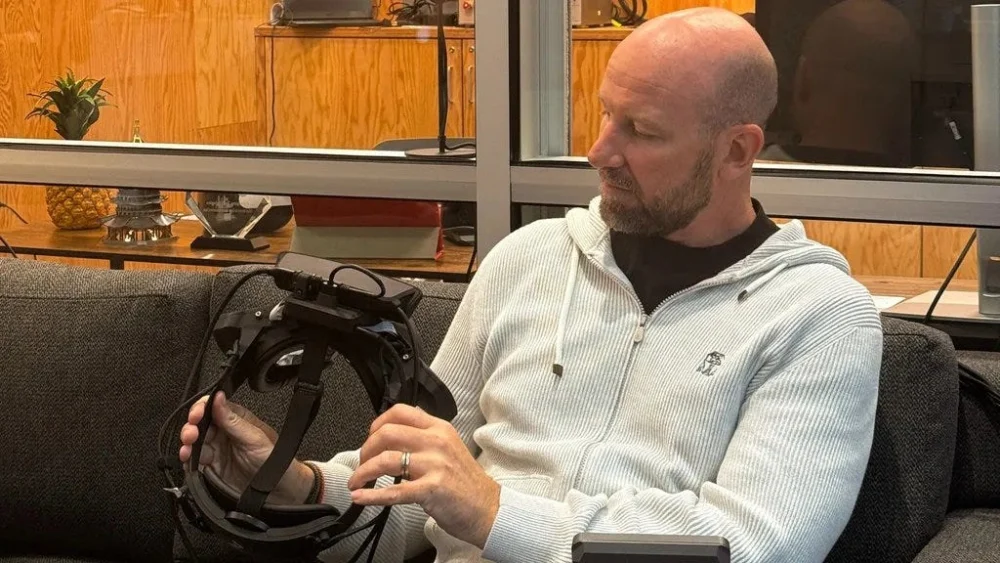
Meta’s Chief Technology Officer, Andrew “Boz” Bosworth, recently addressed the company’s long-term XR roadmap during a public Q&A session. Bosworth confirmed that Meta remains on track to ship two new headsets, despite recent workforce reductions within Reality Labs.
The decision to shutter several first-party game studios was framed by Bosworth as a strategic necessity to avoid internal competition with third-party developers on the Horizon Store. Meta’s leadership contends that the VR market is growing at a more measured pace than initially forecasted, necessitating a "remodulation" of investments. By reducing its first-party footprint, Meta aims to foster a more diverse ecosystem for independent developers, though the move has drawn criticism from industry observers who point to the historical importance of "system-seller" titles in driving hardware adoption.
To mitigate concerns regarding content scarcity, Bosworth reiterated that Meta will continue to fund third-party titles. However, the nature of this funding appears to be shifting. Rather than focusing exclusively on high-budget AAA exclusives, the company is reportedly diversifying its portfolio to include social-first experiences and indie-led projects. This strategy is supported by recent leaks regarding "Puffin," a rumored lightweight mixed reality (MR) headset designed for media consumption and social interaction rather than high-end gaming.
Samsung and Apple: The Race for Smart Glasses and Silent Input
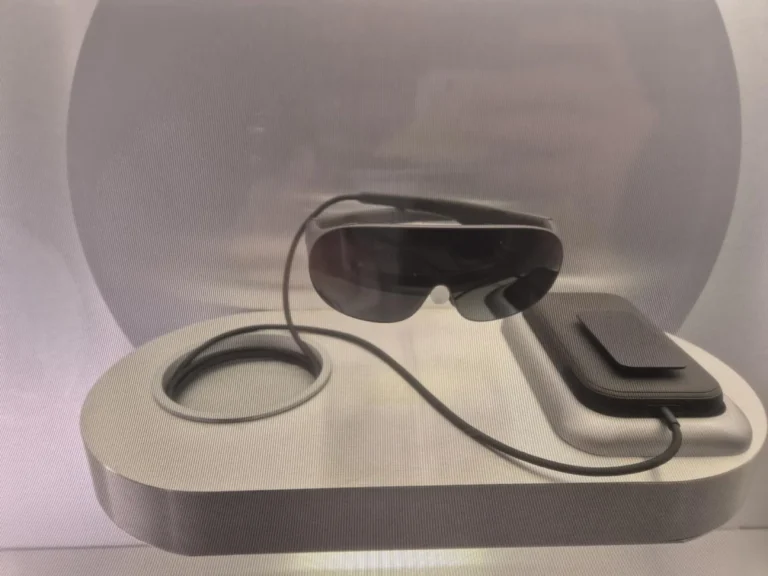
Samsung Electronics has officially entered the 2026 hardware conversation. During its Q4 2025 earnings call, Seong Cho, head of Samsung’s mobile experience division, confirmed the development of "next-generation AR glasses." While Cho utilized the term "augmented reality," market trends suggest Samsung’s initial offering may focus on AI-powered smart glasses similar to those showcased by Google. These devices prioritize multimodal AI interactions—such as real-time translation and visual search—over complex 3D spatial computing.
In a parallel move, Apple has reportedly acquired Q.ai, a startup specializing in "silent speech" technology, for an estimated $1.6 billion. This technology allows users to issue vocal commands by tracking the movement of the jaw and throat without the need for audible sound.

Implications of Silent Speech Technology
- Privacy: Enables users to interact with XR devices in public spaces without disclosing sensitive information.
- Accessibility: Provides an alternative input method for individuals with vocal impairments.
- Form Factor: Reduces the reliance on handheld controllers, supporting the industry-wide move toward "all-day" wearable glasses.
Chronology of Key XR Developments
The following timeline reflects the rapid succession of industry updates over the past week:
- Monday: Apple’s acquisition of Q.ai is leaked, signaling a focus on non-verbal AI interaction for future Vision Pro or AR iterations.
- Tuesday: Valve publishes its blog post regarding memory shortages and the resulting delays for the Steam Frame.
- Wednesday: Meta CTO Andrew Bosworth clarifies the company’s "two-headset" roadmap and defends the closure of first-party studios.
- Thursday: Samsung confirms a 2026 release window for its XR wearable during its quarterly earnings report.
- Friday: The Khronos Group announces initiatives to integrate Gaussian Splatting into the GLTF 3D format, streamlining volumetric content delivery.
Innovations in Volumetric Content and Developer Tools
Beyond hardware, the software and infrastructure layers of the XR ecosystem are seeing significant advancements. Arcturus Studio recently demonstrated progress in volumetric sports broadcasting using Gaussian Splatting. This technology allows for the reconstruction of live sports matches in 3D, permitting viewers to observe the action from any angle within a virtual stadium. While the infrastructure requirements—including dozens of synchronized high-resolution cameras—are substantial, the technology represents the next frontier for immersive entertainment.
On the developer side, Logitech has launched the "Logi DevStudio Challenge," offering up to $10,000 in prizes for creators who can find innovative uses for the MX Ink stylus on the Meta Quest platform. This initiative highlights the growing demand for precision input tools in spatial design and professional workflows.
Market Data and Industry Sentiment
According to the GDC 2026 State of the Game Industry survey, approximately 8% of game developers are currently working on XR applications. The Meta Quest series remains the dominant platform for development, though interest in open-platform PC VR persists due to the performance capabilities of devices like the upcoming Steam Frame.
The industry is also witnessing a grassroots effort to revive legacy social platforms. A community-led reboot of AltspaceVR is currently in development. While the project has faced skepticism due to its proposed integration of cryptocurrency for its internal economy, it underscores the persistent demand for dedicated social VR spaces following the platform’s original shuttering by Microsoft.

Broader Impact and Future Outlook
The current state of the XR market reflects a transition from experimental technology to a disciplined consumer electronics sector. Valve’s price adjustments and Meta’s studio closures indicate that even the largest players are no longer willing to subsidize hardware at a loss indefinitely. Instead, the focus has shifted toward sustainable growth, AI integration, and refined user interfaces.
The entry of Samsung and the continued investment from Apple suggest that the "smart glasses" form factor may eventually eclipse traditional VR headsets in terms of daily utility. As component shortages ease and AI models become more efficient, the convergence of high-fidelity spatial computing and discreet wearable hardware remains the primary objective for the industry’s leading innovators.
About the Author