New Orleans, a city historically celebrated as the first in the United States to host opera and renowned globally for its rich cultural tapestry, is now quietly forging a new identity as a burgeoning hub for interactive entertainment and game design education. While its legacy in performing arts remains indelible, a growing number of academic institutions are dedicating resources to support a developing scene in game design, preparing a new generation of creative technologists for careers in an expanding global industry. This strategic pivot highlights a broader trend of diversification within the city’s economy, leveraging its inherent creativity into the digital realm.
New Orleans’ Evolving Identity: From Opera Houses to Digital Worlds
For centuries, New Orleans has been synonymous with cultural innovation, from the birth of jazz to its significant contributions to American literature and cuisine. The city’s distinction as the first in the U.S. to host an opera performance in 1796 speaks volumes about its historical openness to artistic expression and avant-garde movements. This deep-seated appreciation for creativity is now finding a contemporary outlet in the rapidly expanding field of interactive media. While the selection of dedicated game design universities may not be as extensive as in established tech hubs, the available academic programs are meticulously designed to cover all key essentials, equipping students with the theoretical knowledge and practical skills necessary for building successful careers in game design and the broader interactive media industry. This evolution positions New Orleans not just as a preserver of tradition but as an incubator for future-forward creative industries.
The global video game industry, valued at over $200 billion in 2023, continues its exponential growth, fueled by advancements in technology, increasing accessibility, and a broadening demographic of players. This robust growth translates into a high demand for skilled professionals across various disciplines—from concept artists and narrative designers to software engineers and quality assurance testers. The average salary for a game designer in the United States, for instance, often exceeds $80,000 annually, with experienced professionals commanding significantly higher compensation, underscoring the lucrative nature of these careers. Recognizing this immense potential, institutions in New Orleans are stepping up to cultivate local talent, ensuring that the city’s creative workforce is well-prepared to tap into this dynamic market.
Rigorous Evaluation: Identifying Top-Tier Game Design Programs
To identify the leading game design schools in New Orleans, Louisiana, a comprehensive review was conducted, examining publicly available information and detailed program offerings. This evaluation process heavily relied on data and rankings provided by EduRank, a reputable academic ranking entity, to ensure an objective and consistent selection. The primary focus was on identifying institutions that provide the strongest preparation for professional game design careers, emphasizing curricula that equip students with both foundational knowledge and practical, industry-relevant skills essential for the evolving gaming landscape.
It is crucial to acknowledge that while such lists are grounded in statistical analysis and factual program details, they are not absolute. Each student possesses unique needs and preferences regarding program focus, campus culture, cost of attendance, and desired lifestyle. Therefore, these rankings are intended to serve as a guiding resource, highlighting programs that offer robust pathways to a career in game design, rather than prescribing a definitive choice. Prospective students are encouraged to conduct their own due diligence, considering how each program aligns with their individual aspirations and circumstances.
Spotlight on New Orleans’ Premier Game Design Institutions (2026)

New Orleans’ academic landscape offers distinct pathways into game design, each leveraging the strengths of its respective institution.
Tulane University
Tulane University, a prestigious institution known for its rigorous academics and interdisciplinary approach, offers a compelling pathway into game design through its Games & Interactive Media specialization within the broader Digital Media Practices program. This curriculum is characterized by its interdisciplinary and experimental philosophy, encouraging students to explore the multifaceted dimensions of interactive media. Key courses within this pathway include "VR and Narrative in Games," delving into the storytelling potential of virtual reality within gaming; "Experimental Game Design," fostering innovative approaches to game mechanics and player experience; "Personal Data Visualization," bridging data science with interactive design; and "Educational Game Design," exploring serious games and their application in learning environments. "Intro to Game Studies" provides a critical and theoretical framework for understanding the cultural and historical impact of games.
Students receive hands-on training in industry-standard tools, notably the Unity game engine, a widely adopted platform for developing 2D, 3D, VR, and AR games, and the JavaScript library p5.js, which enables creative coding and interactive art. This practical training ensures that learners not only grasp theoretical concepts but also hone their skills in actual game creation and programming. A culminating senior capstone project requires students to produce fully functional interactive games, providing them with invaluable portfolio pieces. Graduates of this pathway emerge with a solid foundation for diverse careers in game design, equipped with both creative vision and technical proficiency.
From a financial perspective, tuition and fees at Tulane University typically range from approximately $61,000 to over $63,000 per year for both in-state and out-of-state students, reflecting its status as a private research university. While a significant investment, the program’s interdisciplinary nature and robust technical training aim to provide a strong return on investment through career readiness. University officials often emphasize the program’s commitment to fostering critical thinking and creative problem-solving, attributes highly valued in the dynamic game industry.
University of New Orleans
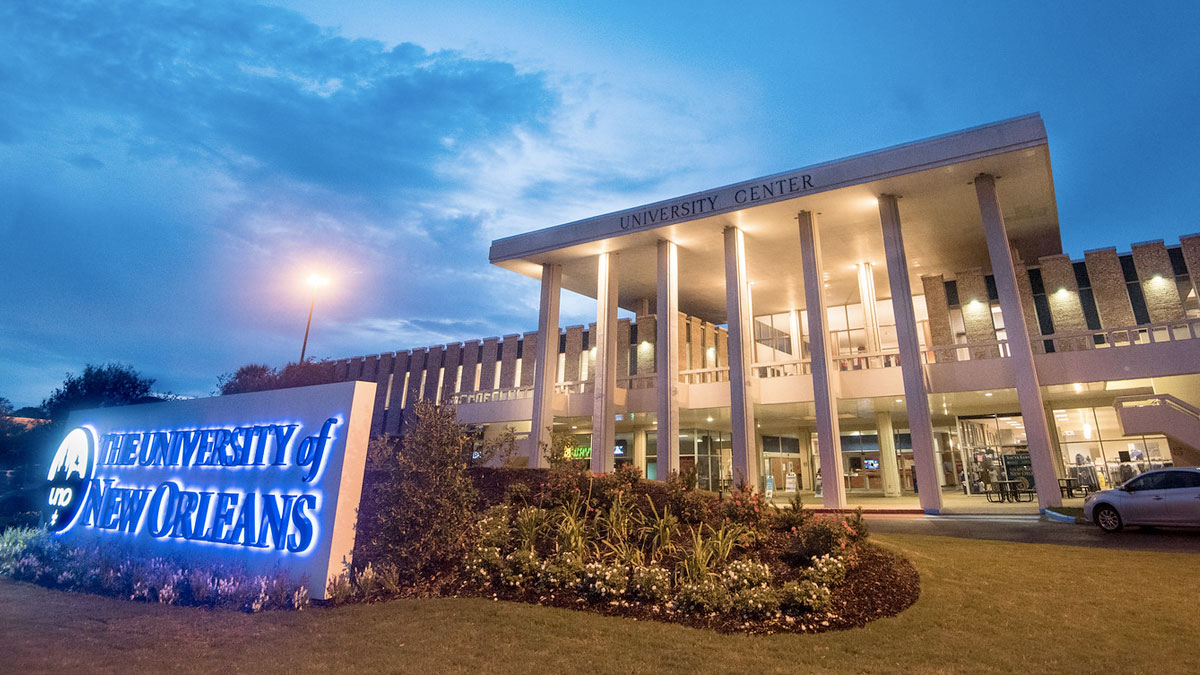
The University of New Orleans (UNO) stands out for its direct and comprehensive approach to game development through its Bachelor of Science in Computer Science with a specialized Game Development concentration. This program is arguably the closest to a standalone game design curriculum in the city, providing a deep dive into the technical and artistic aspects of game creation. The concentration highlights multiple critical areas of study, including agile software engineering, crucial for modern development methodologies; artificial intelligence, focusing on creating intelligent non-player characters and adaptive game systems; audio design, for immersive soundscapes; core game design principles; graphics programming for visual fidelity; and physics engines for realistic in-game interactions.
Students enrolled in this program can expect to master design patterns, efficient algorithms, and industry-standard tools and software, all within a framework that emphasizes team-based development methods—mirroring real-world studio environments. A mandatory capstone game project serves as a cornerstone of the program, allowing students to apply their cumulative knowledge to develop a complete game, which becomes a crucial component of their professional portfolio. Furthermore, for those seeking flexibility, UNO distinguishes itself by offering an online course specifically focusing on game design, game development, and programming, making quality education accessible to a broader audience. These robust options open clear pathways into various careers within the gaming industry, from game programmer and engine developer to technical designer and AI specialist.
UNO is a more accessible option in terms of tuition, with annual fees ranging from approximately $6,000 for in-state students to over $10,000 for out-of-state students. This affordability, coupled with a specialized curriculum, makes UNO an attractive choice for many aspiring game developers. Representatives from UNO’s computer science department frequently highlight the program’s strong ties to computational theory and practical application, ensuring graduates are not only skilled but also adaptable to future technological shifts in the industry.

Loyola University New Orleans
Loyola University New Orleans, a Jesuit institution with a strong emphasis on holistic education, offers two distinct yet relevant programs for students interested in game design, even without a standalone game design degree. The first is a Bachelor of Science in Computer Science with a concentration in Game Programming. This curriculum features core computer science courses such as "Computer Graphics," "Data Structures & Algorithms," "Introduction to Programming," and "Programming Languages," providing a strong technical backbone. For a broader educational experience, students can also select from electives like "Game as Art," exploring the artistic and cultural dimensions of games, and "Making Games," offering practical development experience. This program is primarily geared towards students aspiring to become game programmers, focusing on the underlying code and systems that bring games to life.
The second pathway is a bachelor’s degree with an Interactive Design concentration. This program shifts focus from pure programming to the user experience (UX) and user interface (UI) aspects of interactive media. It meticulously explores the critical role of UX/UI design in crafting intuitive, engaging, and noteworthy experiences across various digital platforms, including games. Graduates of the Game Programming concentration are typically prepared for roles as game programmers, engine developers, or tools programmers, while those from the Interactive Design concentration are well-suited for careers as UI/UX designers, interaction designers, or usability analysts, vital roles in modern game development.
Tuition and fees at Loyola University New Orleans range from approximately $20,000 to over $45,000 per year for both in-state and out-of-state students. The university prides itself on fostering a creative and collaborative environment, which is highly beneficial for students entering interdisciplinary fields like game design. Faculty often speak to the importance of balancing technical prowess with ethical considerations and user-centered design principles, aligning with the university’s broader mission.
Honorable Mentions
Beyond these primary institutions, Delgado Community College and Dillard University also contribute to the local ecosystem of digital media education. While perhaps not offering full degree programs solely focused on game design, they provide valuable foundational courses or complementary skills that can be essential for aspiring professionals in the interactive media space, such as digital art, animation, or basic programming.
Why Choose New Orleans for Game Design Education?
New Orleans offers a unique and compelling environment for studying game design, transcending its celebrated operatic and cultural firsts. The universities in the area are committed to providing learners with access to multiple game design pathways, all designed to impart a broad and deep perspective on game creation. This comprehensive approach ensures that graduates are not just specialists but versatile professionals capable of adapting to the industry’s evolving demands.
Beyond the academic offerings, New Orleans and the state of Louisiana, in general, are steadily attracting and nurturing game studios. Companies like inXile Entertainment, a renowned developer of role-playing games, have a presence in the region, providing tangible career options for graduates. This growing local industry creates a valuable ecosystem where students can find internships, network with professionals, and ultimately secure employment without necessarily relocating. Furthermore, Louisiana offers various incentives for film and digital media production, which can indirectly benefit the game development sector, encouraging further growth and investment. The city’s vibrant cultural backdrop itself can serve as an endless source of inspiration for narrative design, world-building, and character development, offering a distinct creative advantage that few other cities can match.
The Future Landscape of Game Design in Louisiana
The commitment to fostering game design education in New Orleans is a strategic investment in the state’s economic diversification. By nurturing a skilled workforce, Louisiana aims to attract more digital media companies and encourage local startup creation. This not only generates high-tech jobs but also positions the state as a significant player in the national interactive entertainment industry. The synergy between a rich cultural heritage and a burgeoning tech sector creates a unique proposition for students and professionals alike, promising a future where New Orleans is celebrated not only for its past but also for its innovative contributions to digital creativity.
Frequently Asked Questions
Q: Can I pursue a comprehensive game design education in New Orleans?
A: Absolutely. While dedicated standalone game design degrees are emerging, New Orleans universities offer robust concentrations and pathways within broader computer science or digital media programs. These curricula provide a comprehensive education covering essential aspects of game design, programming, art, and interactive media.
Q: Which program is considered the most focused on standalone game design in New Orleans?
A: The Bachelor of Science in Computer Science with a Game Development concentration at the University of New Orleans is currently the most direct and specialized program focusing explicitly on game development, offering a deep dive into various technical and creative facets of game creation.
Q: Are there opportunities for online game design training in the New Orleans area?
A: Yes, institutions such as the University of New Orleans actively provide online courses focusing on game design, game development, and programming, offering flexibility for students who require remote learning options. Other local institutions may also offer related online modules or certificate programs.
Q: What kind of career prospects can graduates expect from these programs?
A: Graduates can expect to find career opportunities across a wide spectrum of roles within the interactive entertainment industry. These include game programmers, level designers, UI/UX designers, game artists, quality assurance testers, technical designers, and even roles in serious games or simulation development. The skills acquired are also highly transferable to other digital media and tech sectors.
Q: How does New Orleans’ cultural environment benefit game design students?
A: New Orleans’ unique cultural environment provides a rich tapestry of inspiration. Its vibrant history, diverse music, art, and storytelling traditions can directly inform game narratives, aesthetic design, and unique gameplay mechanics. The city itself can serve as a living laboratory for creative expression, fostering a distinct perspective among its game designers.
Note: This article incorporates the latest available data and information at the time of writing. Please note that statistics and program details can fluctuate over time due to updates and real-world changes. Prospective students are advised to consult directly with the institutions for the most current information.
About the Author