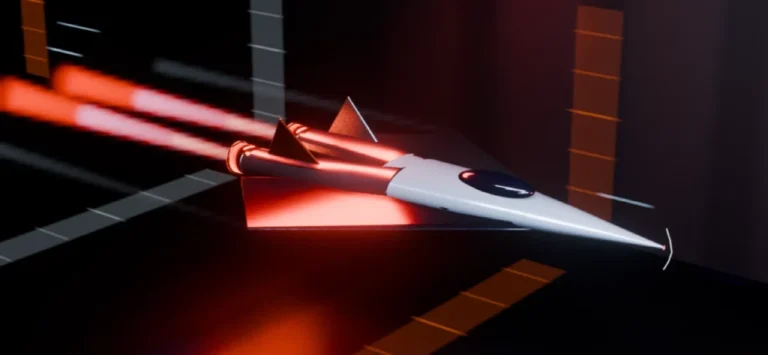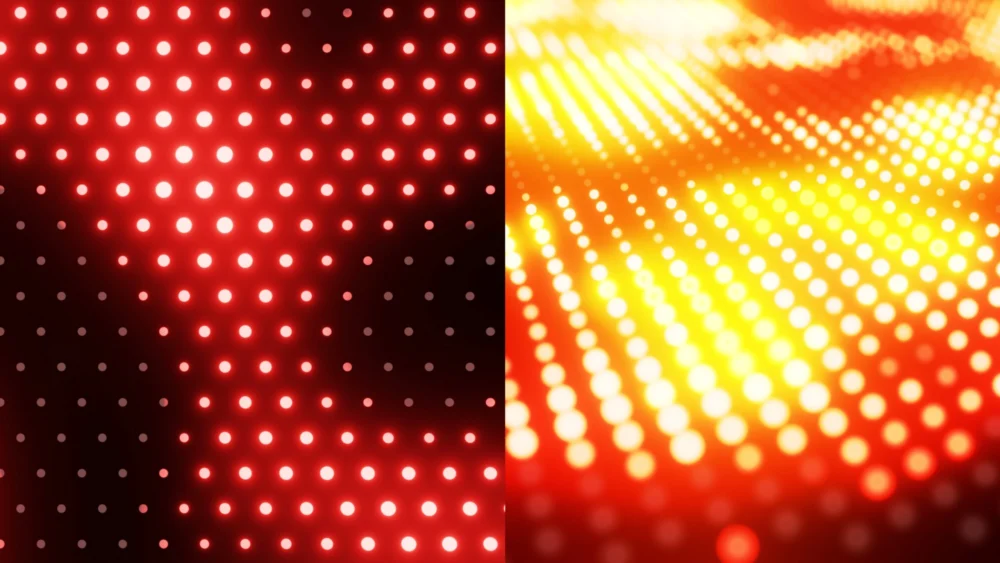
In a recent development for the 3D animation and motion graphics community, artist Ryan King has released a comprehensive tutorial demonstrating the creation of a "Sci-Fi Grid Pattern Animation Loop" using Blender. This tutorial, published on February 24, 2026, provides a step-by-step guide for users looking to master advanced animation techniques within the popular open-source 3D creation suite. The release caters to a growing demand for visually striking and technically sophisticated motion graphics, particularly within the science fiction genre.
The tutorial, available on King’s YouTube channel, breaks down the complex process into manageable segments, making it accessible to intermediate to advanced Blender users. The core of the tutorial focuses on generating an animated grid pattern, a common visual motif in science fiction that evokes themes of futuristic interfaces, digital landscapes, and advanced technological displays. Such patterns are frequently seen in films, video games, and visual effects, serving to establish a sense of place and technological sophistication.
The Genesis of the Sci-Fi Grid Pattern
The creation of such an animation typically involves several key Blender features. While the specific methodology employed by Ryan King is detailed within the tutorial, general approaches to generating animated grid patterns often involve:

- Procedural Generation: Utilizing Blender’s powerful node-based shading system (Shader Editor) and geometry nodes to procedurally generate the grid structure. This allows for infinite variation and easy modification of parameters like line thickness, spacing, and color.
- Animation Techniques: Employing various animation methods to bring the grid to life. This can include animating the position, scale, or rotation of grid elements, as well as applying modifiers like Array, Wireframe, or Subdivision Surface to create dynamic effects. Keyframing, drivers, and expression nodes are also crucial for fine-tuning the movement.
- Material and Lighting: Developing futuristic materials and lighting setups to enhance the sci-fi aesthetic. This often involves emissive shaders to make the grid lines glow, metallic shaders for reflective surfaces, and careful placement of lights to create depth and atmosphere.
- Compositing: Using Blender’s compositing nodes to add post-processing effects such as bloom, lens distortion, and color grading to achieve a polished, cinematic look.
The demand for tutorials of this nature has seen a significant surge in recent years, correlating with the increasing adoption of Blender by both independent artists and professional studios. As of early 2026, Blender’s market share in the 3D software industry continues to expand, driven by its robust feature set, active community, and perpetual free access. This tutorial by Ryan King aligns with this trend, offering valuable knowledge to a growing user base.
Ryan King’s Contribution to the Blender Community
Ryan King is a recognized figure within the Blender community, known for his prolific output of educational content on YouTube. His channel, which he describes as a platform for 3D artists and educators, consistently delivers tutorials covering a wide spectrum of Blender functionalities, from beginner basics to complex VFX and animation. This latest offering reinforces his commitment to sharing his expertise and empowering other creators.
The timing of this tutorial’s release is also noteworthy. With the ongoing evolution of visual effects technology and the increasing demand for dynamic digital content across various media, mastering advanced animation techniques like procedural grid generation is a valuable skill. The "Sci-Fi Grid Pattern Animation Loop" is a versatile asset that can be adapted for numerous applications, including:
- Backgrounds for Sci-Fi Films and Series: Providing immersive and futuristic visual backdrops.
- User Interface (UI) Elements: Creating interactive or informational displays for fictional technology.
- Motion Graphics Packages: Designing title sequences, lower thirds, or branding elements for sci-fi-themed content.
- Video Game Development: Implementing dynamic environmental elements or HUD displays.
- Visualizations and Simulations: Representing complex data or abstract concepts in a visually engaging manner.
The tutorial’s structure, as indicated by its publication on BlenderNation, a prominent platform for Blender news and resources, suggests a deliberate effort to reach a broad audience. BlenderNation’s editorial process typically involves vetting tutorials for quality, clarity, and relevance to the Blender community. The fact that King’s tutorial was selected for publication highlights its perceived value and educational merit.

Supporting Data and Community Impact
The growth of Blender’s user base is a significant factor driving the demand for advanced tutorials. According to recent industry reports, Blender has seen a consistent year-over-year increase in active users, with its open-source nature and comprehensive feature set making it a compelling alternative to proprietary software. This surge in adoption naturally leads to a higher volume of users seeking to expand their skill sets.
Furthermore, the increasing integration of motion graphics into mainstream media—from social media content to high-budget film productions—underscores the relevance of tutorials like King’s. The ability to create visually appealing and dynamic animations efficiently is a key differentiator for digital artists. The "loopable" nature of the animation is also a crucial element, allowing for seamless, continuous playback in various applications, a common requirement in professional animation pipelines.
The engagement with such tutorials is often quantifiable through metrics like views, likes, shares, and comments on platforms like YouTube. While specific data for Ryan King’s tutorial would be available on his channel, the general trend for high-quality Blender tutorials indicates a significant level of community interest and interaction. This engagement not only benefits the individual artist creating the content but also contributes to the collective knowledge base of the Blender ecosystem.
Analysis of Implications
The release of this tutorial has several implications for the Blender community and the broader motion graphics industry:

- Democratization of Advanced Techniques: By providing accessible, step-by-step instructions, King’s tutorial helps to democratize advanced motion graphics techniques. This allows artists with limited budgets or those working independently to achieve professional-quality results.
- Skill Development and Career Advancement: For aspiring and established 3D artists, mastering such techniques can lead to enhanced skill sets, opening up new career opportunities in animation, visual effects, and motion design. The ability to create sophisticated sci-fi visuals is a marketable skill in today’s digital landscape.
- Community Knowledge Sharing: Ryan King’s continued contribution to the Blender community through educational content exemplifies the collaborative spirit that underpins open-source software development. This sharing of knowledge fosters innovation and accelerates the learning curve for new and existing users.
- Innovation in Visual Storytelling: The ability to create compelling visual elements like the sci-fi grid pattern loop contributes to the richer tapestry of visual storytelling across various media. These elements can significantly enhance the narrative impact and aesthetic appeal of projects.
The tutorial itself is embedded within the article, allowing viewers to directly access the instructional content. This seamless integration is a hallmark of modern online educational platforms and news outlets that aim to provide comprehensive and engaging user experiences. The inclusion of related articles, such as a tutorial on "Cinematic Lighting," further contextualizes King’s work within the broader landscape of Blender-related educational content.
In conclusion, Ryan King’s "Sci-Fi Grid Pattern Animation Loop" tutorial represents a valuable addition to the wealth of educational resources available for Blender users. It addresses a specific need within the motion graphics and visual effects community for creating contemporary, genre-specific visuals, and it underscores the ongoing growth and accessibility of advanced 3D animation techniques through the power of open-source software and dedicated community educators. The detailed breakdown and practical application demonstrated in the tutorial are poised to empower a new generation of digital artists to bring their futuristic visions to life.
About the Author