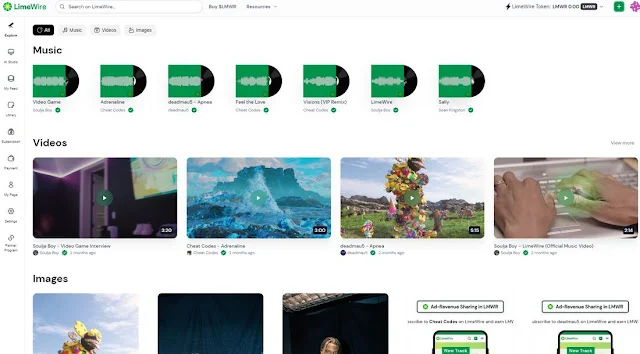
In a significant pivot from its controversial past, the name LimeWire has been resurrected, not as a peer-to-peer file-sharing service, but as a sophisticated AI content publishing platform. This metamorphosis marks a new chapter for the brand, positioning it at the forefront of generative AI innovation, offering creators robust tools for image generation, with ambitious plans for music and video expansion. The platform distinguishes itself by not only empowering users to create AI-generated content but also by providing integrated pathways for sharing, monetizing, and minting these creations as Non-Fungible Tokens (NFTs).
The resurgence of LimeWire in the AI space is a compelling narrative of digital evolution. Initially known for its widespread use in the early 2000s for peer-to-peer music sharing, which led to significant legal challenges and eventual shutdown due to copyright infringement, the re-emergence of LimeWire under a new guise highlights the dynamic nature of the digital economy and the transformative power of emerging technologies. This reinvention aims to leverage the brand’s recognition while charting a completely new course focused on legitimate creative expression and decentralized digital ownership.
The platform’s core offering, LimeWire AI Studio, currently focuses on AI image generation, drawing upon advanced models like Stable Diffusion 2.1, Stable Diffusion XL, and DALL-E 2. This suite of tools is designed to be accessible to users of all skill levels, from those who prefer simple text prompts to those who wish to craft intricate instructions for highly specific outputs. The integration of various AI models and design styles, including cinematic, digital art, pixel art, anime, and analog film, provides creators with a broad spectrum of aesthetic possibilities. Furthermore, features such as samplers and prompt guidance enhance user control and creative exploration. The company has also signaled its commitment to ongoing development by working on its proprietary AI model, a move that could further distinguish its offerings in the competitive AI art generation market.
Beyond mere creation, LimeWire has strategically integrated monetization and ownership models. Creators can choose to publish their AI-generated content either publicly or exclusively for premium subscribers. A key feature is the automatic minting of content as NFTs on either the Polygon or Algorand blockchain upon publication. This process imbues digital creations with verifiable authenticity and ownership in the decentralized realm. This integration of NFTs directly addresses a growing trend in digital art and collectibles, offering creators a novel way to engage with their audience and establish value for their work.
Monetization is a central pillar of LimeWire’s new model. Creators can earn revenue through two primary avenues: ad revenue sharing and NFT sales. When content is published, it generates ad revenue from users who view it on the platform. Creators receive 70% of this ad revenue, a significant incentive designed to benefit visual artists and content producers. Earnings are paid out monthly in LMWR tokens, LimeWire’s native cryptocurrency. These tokens are tradable on major cryptocurrency exchanges such as Kraken, ByBit, and UniSwap, providing liquidity and flexibility for creators. Additionally, LMWR tokens can be used to pay for prompts within LimeWire’s generative AI tools, creating a symbiotic ecosystem.
The platform also incentivizes creators through NFT royalties. When a creator’s minted NFT content is traded on the platform, the original creator receives a 2.5% royalty on each subsequent sale. This recurring revenue stream offers a long-term benefit to artists, aligning the platform’s success with that of its creators. The ability to control access to content, offering it publicly for trading or exclusively to paying subscribers, provides creators with granular control over their distribution strategies and revenue streams. This flexibility caters to a range of creator goals, from broad public engagement to building exclusive communities.
LimeWire has attracted attention from established figures in the entertainment industry. Artists such as Deadmau5, Soulja Boy, and Sean Kingston have reportedly embraced the platform to publish their content, including NFT music, videos, and images. This endorsement from prominent artists lends credibility to LimeWire’s vision and its potential to become a significant player in the creator economy. Their involvement suggests a recognition of the platform’s innovative approach to digital asset creation and distribution, particularly within the burgeoning NFT market.
The platform offers a tiered pricing structure designed to accommodate varying user needs and budgets. A free tier allows users to sign up and receive 10 credits, enabling the generation of approximately 20 AI images per day, along with a 50% ad revenue share. This entry point provides accessibility for individuals to explore the platform’s capabilities without an initial financial commitment.
For more intensive users and professional creators, several premium plans are available:
- $9.99 per month: Offers 1,000 credits, up to 2,000 image generations, early access to new AI models, and a 50% ad revenue share.
- $29 per month: Provides 3,750 credits, up to 7,500 image generations, early access to new AI models, and a 60% ad revenue share.
- $49 per month: Grants 5,000 credits, up to 10,000 image generations, early access to new AI models, and a 70% ad revenue share.
- $99 per month: Delivers 11,250 credits, up to 22,500 image generations, early access to new AI models, and a 70% ad revenue share.
All premium plans include a Pro profile badge, access to full creation history, faster image generation speeds, and an ad-free experience. These pricing tiers reflect a strategy to scale with user demand and offer increasing value and revenue-sharing percentages as users invest more in the platform.
The broader implications of LimeWire’s resurgence extend beyond its immediate user base. It represents a significant trend in the tech industry: the repurposing of established brands to align with cutting-edge technologies. The success of this strategy hinges on the platform’s ability to deliver on its promises of user-friendliness, robust creative tools, and a fair monetization system. The integration of AI, NFTs, and cryptocurrency positions LimeWire as a holistic ecosystem for digital creators, potentially setting a precedent for how other legacy brands might navigate the evolving digital landscape.
The company’s forward-looking roadmap includes the expansion into AI music and video generation. This strategic diversification aims to transform LimeWire Studio into a comprehensive content creation hub. The anticipation surrounding these upcoming features suggests a commitment to continuous innovation and a desire to cater to a wider array of creative professionals. The potential for artists to generate not only images but also unique musical compositions and video content, all within a single, integrated platform, could unlock unprecedented creative synergies and economic opportunities.
In conclusion, LimeWire has successfully reinvented itself as a pioneering platform in the generative AI space. By merging advanced AI creation tools with integrated NFT minting and multiple monetization streams, it offers a compelling proposition for artists, musicians, and content creators worldwide. The platform’s accessibility, coupled with its ambitious expansion plans and the endorsement of notable figures, positions it as a significant force in shaping the future of digital content creation and ownership. As the digital frontier continues to expand, LimeWire’s journey from a controversial file-sharing service to a leading AI content ecosystem serves as a powerful testament to adaptation and innovation in the digital age.
About the Author