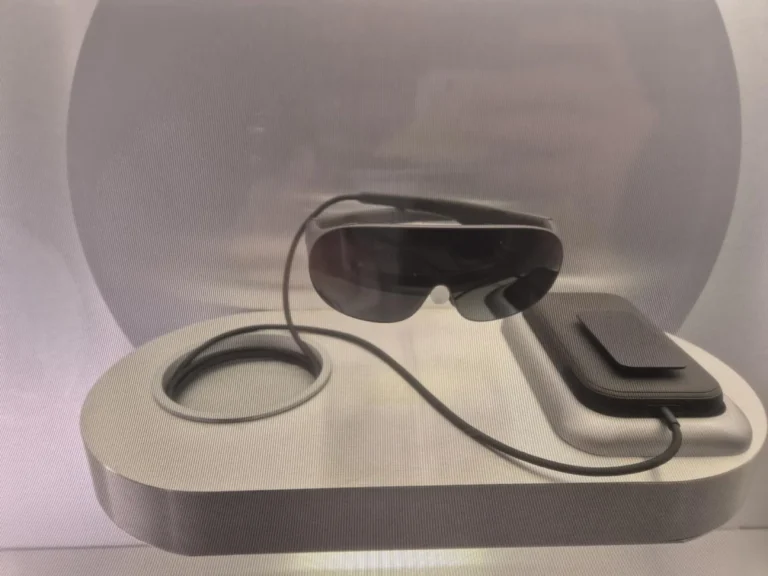
Meta Platforms Inc. has formally reiterated its commitment to the development of virtual reality hardware despite reporting record-breaking quarterly losses within its Reality Labs division. During the company’s Q4 2025 earnings call, Chief Financial Officer Susan Li confirmed that the technology giant continues to focus on "building future headsets," specifically addressing market speculation regarding upcoming iterations of the Quest line and high-end prototypes currently codenamed Puffin, Loma, and Phoenix. This strategic confirmation follows recent comments from Chief Technology Officer Andrew Bosworth, who emphasized the necessity of a robust third-party developer ecosystem to sustain the industry’s growth.
Meta Reality Labs Financial Performance and Strategic Pivot
The financial data released during the recent earnings call underscores the massive scale of Meta’s investment in the metaverse and spatial computing. Reality Labs reported a quarterly loss of nearly $7 billion, a figure that highlights the intensive capital requirements of hardware R&D and ecosystem seeding. Despite these "stellar" losses, Meta executives have projected that financial deficits in this division will likely peak in 2026 before beginning a gradual trajectory toward profitability.
Parallel to its headset development, Meta is increasingly integrating artificial intelligence with its wearable hardware. CEO Mark Zuckerberg articulated a vision for "world models" that would allow users to transition from passive video consumption to immersive, interactive environments. This strategy involves doubling down on smartglasses—specifically the Ray-Ban Meta line—and leveraging generative AI to enhance user agency within digital spaces. The company’s long-term goal appears to be the convergence of AI-driven content and spatial hardware, positioning the Quest and future AR glasses as the primary interfaces for a new generation of media.
Google Project Genie and the Disruption of Game Development
While Meta focuses on hardware, Google has introduced a significant technological shift in how virtual environments are created. The public release of the "playground" for Project Genie, Google’s generative AI world-creation model, marks a milestone in real-time interactive media. Project Genie allows users to generate explorable, interactive environments and character avatars through natural language prompts.

The system utilizes frame-by-frame AI generation to simulate movement and interaction, effectively bypassing traditional game engines for short-form experiences. However, the technology remains in an experimental phase, currently limited to 60-second sessions for Google AI Ultra subscribers in the United States.
Market Impact and Technical Constraints
The announcement of Project Genie had immediate repercussions in the financial markets. Shares of major gaming and software companies, including Unity, experienced significant volatility as investors weighed the potential for AI to automate complex development tasks traditionally handled by game engines.
Despite the market’s reaction, technical analysts note that AI-generated worlds currently lack the "deterministic" nature required for complex gaming. Unlike traditional engines where physics and logic are hard-coded, Large Language Models (LLMs) and world models are probabilistic, leading to "hallucinations" or inconsistencies in long-term gameplay. For the foreseeable future, industry experts suggest that while AI will handle rapid prototyping and small-scale interactive experiences, high-fidelity, persistent games will continue to rely on traditional development frameworks.
Snap Inc. Restructures for Consumer AR Launch
Snap Inc. has signaled its intent to become a major player in the augmented reality hardware sector by establishing "Specs Inc.," a dedicated subsidiary focused on its AR glasses and smartglasses portfolio. The formation of a subsidiary provides Snap with several strategic advantages:
- Risk Isolation: Financial and legal liabilities associated with hardware manufacturing and battery technology are separated from the core Snapchat social media platform.
- Specialized Recruitment: A dedicated entity allows for compensation structures and corporate cultures tailored to hardware engineers rather than software developers.
- Investment Transparency: Analysts can more easily track the performance and capital expenditure of the AR division independently of the company’s advertising revenue.
Internal reports suggest that Snap’s upcoming consumer AR glasses are in the final stages of preparation, with the company aiming to provide a lightweight, wearable alternative to the bulkier headsets offered by Meta and Apple.

Virtuix Nasdaq Listing and the Maturity of VR Locomotion
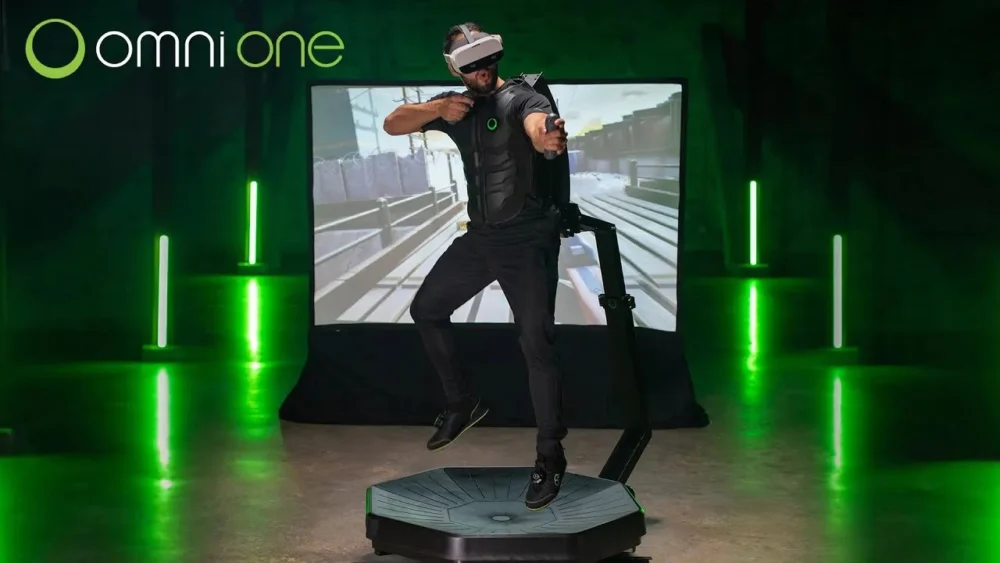
In a significant milestone for VR hardware startups, Virtuix, the manufacturer of the Omni-series VR treadmills, has officially gone public on the Nasdaq Global Market under the ticker VTIX. The IPO was accompanied by an $11 million investment from Chicago Venture Partners and the establishment of a $50 million equity line of credit.
Virtuix’s journey from a 2013 Kickstarter project to a Nasdaq-listed company serves as a case study for the XR industry. Initially targeting the consumer market, the company pivoted toward Location-Based Entertainment (LBE) to achieve financial stability before returning to the home enthusiast market with the Omni One. This successful listing indicates a growing institutional confidence in specialized VR peripherals that solve the fundamental issue of physical locomotion in digital spaces.
Technological Advancements in Display and Interface
The broader XR ecosystem continues to see rapid iterative improvements in both software and hardware:
XREAL’s Real-Time 3D Conversion
XREAL has begun rolling out a proprietary algorithm across its AR glasses lineup that enables the automatic conversion of 2D content into 3D. This update applies to streaming movies, local media, and traditional games, significantly expanding the library of immersive content available to users without requiring developers to release dedicated 3D patches.
Meta Quest 3 Surface Haptics
Meta’s v85 Public Test Channel (PTC) update for the Quest 3 has introduced a "surface keyboard" feature. By leveraging advanced hand-tracking and scene understanding, the headset can now project a virtual keyboard onto any flat physical surface, such as a desk or table. This allows users to utilize the tactile feedback of the physical surface to improve typing speed and accuracy, addressing one of the primary hurdles for productivity in spatial computing.

The Evolving Landscape of XR Media and Journalism
The industry is also navigating internal shifts regarding how XR news is reported and analyzed. The recent departure of longtime editor Ian Hamilton from UploadVR has sparked a wider conversation about the role of artificial intelligence in journalism. Hamilton’s exit reportedly stemmed from a dispute over the integration of AI-generated content within the publication.
Following his departure, Hamilton launched a specialized Substack to continue his coverage of the industry, while UploadVR leadership confirmed the publication remains stable and is actively recruiting new editorial staff. This friction reflects a broader tension within the tech industry as organizations weigh the efficiency of AI-driven reporting against the nuanced analysis provided by veteran human journalists.
Industry Outlook and Broader Implications
Despite recurring "VR is dead" narratives in mainstream tech media, the data suggests a period of intense industrial consolidation and foundational R&D. While companies like Vivo have reportedly canceled their smartglasses projects, new startups such as Gestala are emerging to explore high-frontier technologies like ultrasound-based brain-computer interfaces (BCI).
The current trajectory of the XR market is defined by three primary pillars:
- Hardware Refinement: Moving toward smaller, lighter form factors (Meta’s Puffin, Snap’s Specs).
- AI Integration: Utilizing world models to lower the barrier for content creation (Google’s Genie).
- Infrastructure Maturity: Transitioning from experimental startups to public entities with established credit lines (Virtuix).
As the industry moves toward 2026—the year Meta predicts its Reality Labs losses will peak—the focus is shifting from proving the concept of the "metaverse" to delivering functional, AI-enhanced utility in everyday wearable devices.
About the Author