The relentless demands of the vlogging life have long posed a significant challenge to content creators, with the sheer volume of tasks required for a single video often leading to severe burnout. The process, from meticulously scrubbing through raw footage to correcting imperfect audio takes, hunting for unique B-roll, and finally hitting the export button, is an incredibly exhausting endeavor. In an era defined by rapid content consumption and the ever-present pressure to maintain audience engagement, the traditional workflow of a solo creator is becoming increasingly unsustainable. This pervasive issue of creator burnout, characterized by mental and physical exhaustion, diminished creativity, and reduced productivity, has spurred a critical demand for innovative solutions within the burgeoning creator economy. As the industry advances into 2026, the secret weapon for growing channels is no longer solely about acquiring a superior camera or more sophisticated lighting equipment; it is increasingly about integrating an AI teammate. Artificial intelligence, in its various forms, is now handling the heavy lifting of video production, fundamentally reshaping how vloggers, from solo travelers to tech reviewers, conceptualize, create, and distribute their content.
The Dawn of AI-Powered Vlogging: A Market Overview
The evolution of content creation tools has seen a paradigm shift, moving from purely manual, labor-intensive processes to highly automated, AI-driven workflows. This transformation is not merely an incremental improvement but a fundamental change in how video production scales. The global creator economy, estimated to be worth over $100 billion in 2020 and projected to grow substantially, is heavily reliant on video content, making efficiency paramount. Industry analysts indicate that investment in AI-driven media tools has surged by over 300% in the last two years, reflecting a clear market trend towards automation. This rapid adoption is driven by the promise of democratizing high-quality video production, making advanced techniques accessible to creators without extensive technical skills or large budgets. The initial timeline of AI integration in media began with basic automation tasks like transcription and captioning, rapidly progressing to sophisticated generative AI models capable of creating entire video sequences from text prompts or enhancing low-quality footage to professional standards.
With a multitude of AI video generation platforms now flooding the market, discerning which tools genuinely deliver on their promises of utility and efficiency has become a complex task for creators. This review delves into several leading platforms, examining their core functionalities, target demographics, and the specific advantages they offer to vloggers seeking to optimize their production pipelines and mitigate burnout. These tools represent a significant leap forward, not merely as editing aids but as comprehensive creative partners, offering solutions that range from automated scripting and visual generation to intelligent content repurposing.
Navigating the AI Toolkit: Top Generators for Vlogs in 2026

The current landscape of AI video generators offers specialized solutions catering to diverse vlogging styles and production needs. Each platform brings a unique set of capabilities, harnessing different facets of AI to streamline specific stages of the video creation process.
1. Vmake AI: The Comprehensive UGC Studio
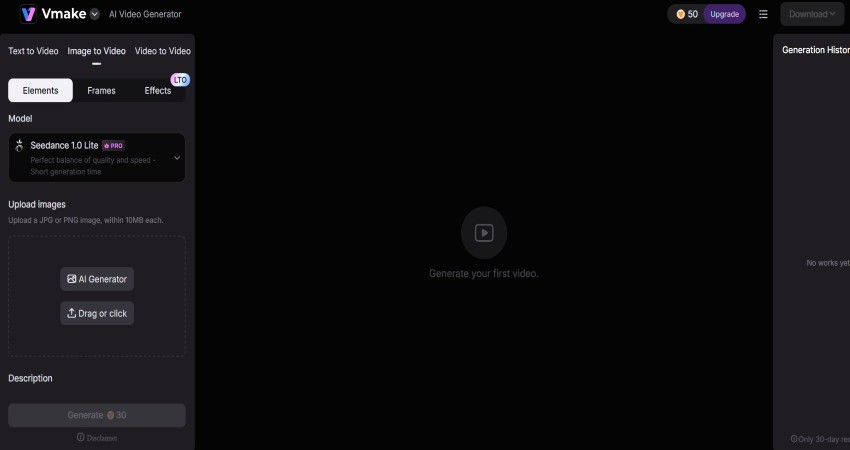
Vmake AI has rapidly emerged as a preferred solution for creators specializing in User-Generated Content (UGC), a segment of the market characterized by its authentic, often spontaneous, and high-volume nature. Unlike conventional video editors that primarily offer a timeline-based interface, Vmake functions as a centralized creative studio. Its architecture is particularly well-suited for vlogs focused on product reviews, fashion showcases, or high-energy social media content, where rapid iteration and consistent quality are critical. The platform’s unique strength lies in its ability to manage the entire UGC lifecycle, from ideation to final packaging.
The standout feature is the Vmake AI Agent, a sophisticated tool that transcends simple automation. It operates as a full UGC Video Crew, capable of handling everything from initial content strategy and script development to the final video packaging. For creators grappling with "blank page syndrome" or lacking a clear content roadmap, the AI Agent offers a transformative solution. Users can simply describe their product or concept, and the Agent will intelligently construct a coherent script and a structured video ready for immediate posting. This capability significantly reduces the cognitive load on creators, allowing them to focus more on their niche expertise rather than the mechanics of production.
Furthermore, Vmake addresses a common pain point for many emerging creators: limitations in camera quality and equipment. Its integrated Vmake Video editor incorporates advanced enhancement tools designed to upscale 720p footage to stunning 4K resolution using generative reconstruction. This technology employs advanced algorithms to predict and synthesize missing details, such as intricate skin textures or fine fabric patterns, resulting in a professional-grade aesthetic that was previously unattainable without high-end equipment. This democratizes visual quality, allowing creators with modest setups to compete with larger productions. In addition, for creators looking to repurpose existing content or clean up acquired footage, Vmake’s inpainting technology offers the ability to seamlessly remove watermarks from videos, further expanding content utility.
Analysis of Vmake AI’s Impact:
The high efficiency Vmake offers is a game-changer for creators producing a large volume of content, a necessity for maintaining relevance on platforms like TikTok and Instagram Reels. Its "Explode Mode," allowing individual layers like scripts and audio to be edited separately, provides granular control without sacrificing speed. The cloud-based processing is another significant advantage, eliminating the need for powerful local computing hardware to export high-quality video, thus leveling the playing field for creators with varying technical resources. "This kind of centralized AI workflow represents the future for high-volume content creators," notes Dr. Anya Sharma, a digital media strategist. "It not only boosts productivity but also ensures consistency in branding and messaging, critical for audience growth." However, as with any comprehensive AI tool, there might be a learning curve for new users to fully harness its extensive features, and the reliance on AI for creative strategy, while efficient, could potentially lead to a homogenization of content styles if not carefully managed by the creator.
2. Descript: Revolutionizing Script-Based Editing
For vloggers whose content is heavily reliant on spoken word, storytelling, and interviews, Descript presents a revolutionary approach to video editing. Moving away from the traditional, often daunting, complex timelines of software like Adobe Premiere Pro, Descript transcribes video footage into editable text. This innovation fundamentally alters the editing paradigm: to remove a sentence or a pause from the video, a user simply highlights the corresponding text and presses delete. The video automatically edits itself to match the text changes, including cutting out the associated video and audio segments. This intuitive, text-based workflow is a boon for anyone who finds conventional video editors cumbersome or difficult to master, effectively bridging the gap between writing and video production.
Descript’s underlying technology leverages advanced Natural Language Processing (NLP) to convert spoken words into highly accurate text, which then serves as the primary interface for editing. This is particularly valuable for creators producing educational content, podcasts with video components, or narrative vlogs where the clarity and conciseness of the spoken message are paramount.
Analysis of Descript’s Impact:
The text-based editing feature significantly accelerates the post-production process, especially for content where verbal accuracy and flow are critical. Its ability to automatically remove filler words ("um," "uh") and generate accurate captions with speaker identification further enhances accessibility and viewer experience. "Descript democratizes complex audio and video editing," says Mark Chen, a seasoned podcast producer. "It allows creators to focus on the narrative, making it an invaluable tool for storytellers who are not necessarily video editing experts." The primary limitation, however, might be its dependency on accurate transcription, which can sometimes falter with poor audio quality or heavily accented speech, requiring manual corrections. Additionally, while excellent for dialogue-heavy content, its visual editing capabilities, though robust, may not be as intuitive or feature-rich as dedicated visual effects software.
3. Runway: Pioneering Generative Visuals
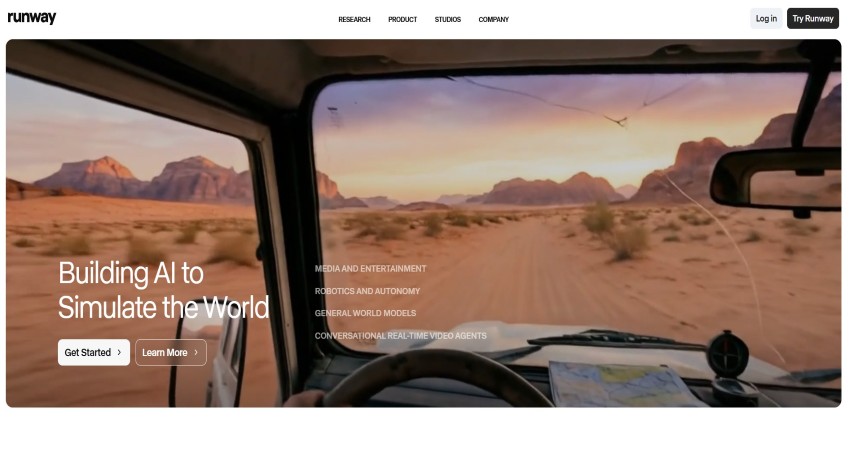
Runway distinguishes itself as the go-to platform for vloggers aspiring to infuse their content with cinematic flair and visually stunning sequences. While other AI tools often focus on optimizing existing footage or automating editing tasks, Runway’s core strength lies in generating entirely new visuals from scratch. Its latest generative models are particularly adept at creating high-quality, cinematic B-roll from simple text prompts, offering a powerful solution for creators who need diverse and unique visual assets without the time or resources for extensive filming.
Imagine a vlogger discussing a remote, exotic location they haven’t visited yet; Runway can generate incredibly realistic footage of that place, seamlessly integrated into their narrative. This capability extends beyond mere scenic generation; it also empowers creators to transform existing video clips into entirely different visual styles, applying artistic filters, motion graphics, or even changing environmental elements with unprecedented ease. This is achieved through sophisticated AI models that understand context, lighting, and movement, allowing for highly nuanced and believable visual output.
Analysis of Runway’s Impact:
Runway’s generative capabilities offer unparalleled creative freedom, allowing vloggers to produce visuals that would traditionally require significant budgets, specialized equipment, or extensive animation skills. "Runway is pushing the boundaries of what’s possible in visual storytelling for independent creators," states Dr. Elena Petrova, a researcher in generative AI. "It enables artistic expression that was once exclusive to large studios." This tool is particularly impactful for experimental creators, filmmakers, and those who prioritize visual aesthetics in their vlogs. However, the computational intensity of generating high-quality video means that processing times can be longer, and the cost associated with advanced generative AI features might be higher compared to more conventional editing tools. The ethical implications of hyper-realistic generated content, especially concerning authenticity and potential misuse, also remain an ongoing discussion within the industry.
4. InVideo AI: High-Volume Content Automation
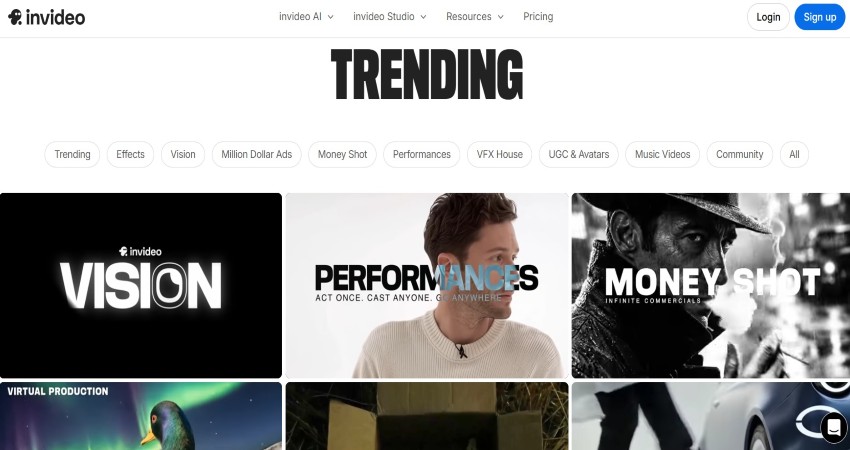
InVideo AI is specifically engineered for YouTube channels with a high output requirement, particularly those focused on informational content, listicles, or news summaries. This platform excels at rapid content creation from a minimal input. A user can provide a simple text prompt, and InVideo AI will automatically assemble a complete video: it pulls relevant stock footage from its extensive libraries, generates a coherent script, and adds a professional voiceover.
The platform’s primary appeal lies in its ability to produce a rough cut in mere seconds, drastically reducing the initial production bottleneck. Creators can then fine-tune the video, swapping out clips, editing the generated text, or adjusting the voiceover to match their specific preferences. The integration with massive, high-quality stock footage libraries ensures that the visual elements are generally professional and diverse, catering to a wide range of topics.
Analysis of InVideo AI’s Impact:
InVideo AI is a powerhouse for scaling content production, making it ideal for channels that require frequent uploads to maintain audience engagement and algorithmic visibility. "For content strategists managing multiple channels or niche topics, InVideo AI is an indispensable tool for rapid prototyping and mass production," comments Sarah Jenkins, a digital marketing consultant. The automation of scripting, voiceovers, and visual selection significantly reduces the manual effort involved. However, while efficient, the reliance on stock footage and AI-generated scripts means that the content might lack the unique personal touch or highly specialized visual storytelling that bespoke productions offer. Creators need to actively intervene to inject their brand’s distinct voice and visual style, preventing the content from appearing generic.
5. OpusClip: Maximizing Content Reach for Short-Form Platforms
Not every vlogger’s primary need is to generate entirely new videos. Many are focused on maximizing the reach and longevity of their existing long-form content. OpusClip is a specialized AI tool designed precisely for this purpose: transforming lengthy YouTube vlogs into viral, short-form clips optimized for platforms like TikTok, Instagram Reels, and YouTube Shorts. It leverages AI to intelligently identify the most engaging, impactful, or shareable segments within a longer video.
Once identified, OpusClip automatically reframes these segments for vertical screens, adds dynamic captions, and often includes other elements like jump cuts or background music that resonate with short-form platform trends. This process allows creators to effectively "atomize" their content, ensuring that every minute of their original video has the potential to reach new audiences on different platforms without significant manual editing effort.
Analysis of OpusClip’s Impact:
OpusClip is a strategic tool for content repurposing, crucial in an ecosystem where audience attention is fragmented across multiple social media platforms. "The ability to instantly generate viral-ready short-form content from long-form videos is a massive time-saver and a key growth hack for creators," observes David Lee, a social media growth expert. It allows vloggers to extend the life of their content, tap into new demographics, and drive traffic back to their main channels. The AI’s ability to identify "hook points" and compelling moments is a significant advantage over manual selection. However, the quality of the generated clips is heavily dependent on the engagement level and clarity of the original long-form video. While it excels at identifying clips, fine-tuning the exact messaging or creative direction for specific short-form trends might still require human oversight.
Broader Implications and Future Outlook
The advent of these advanced AI video generators marks a pivotal moment for the creator economy and the broader media landscape. The implications are far-reaching, affecting individual creators, small businesses, and even traditional media houses. For solo creators, AI tools are democratizing access to high-quality production, allowing them to compete with larger entities by dramatically increasing their output and refining their craft. This fosters a more diverse and vibrant content ecosystem.
However, the rapid progression of AI also brings forth critical discussions. Ethical considerations surrounding content authenticity, the potential for deepfakes, and the impact on traditional video editing jobs are paramount. Industry stakeholders, including platform providers and regulatory bodies, are increasingly grappling with guidelines to ensure responsible AI development and deployment. The future will likely see even more sophisticated AI capabilities, including personalized content generation, real-time editing, and deeper integration across different platforms, potentially leading to fully autonomous content production workflows. The challenge will be to balance efficiency with maintaining human creativity, authenticity, and ethical standards.
Conclusion: Strategic Selection in the AI-Driven Creative Landscape
The choice of the right AI video generator in 2026 ultimately hinges on a creator’s specific needs, content style, and production goals. For creators prioritizing fast, professional-grade marketing and UGC content with granular control, Vmake AI stands out as a robust and versatile solution, capable of both enhancing low-quality footage and generating new clips from conceptual input. Its comprehensive studio approach makes it a strong contender for high-volume content producers.
For vloggers whose content is heavily focused on dialogue, interviews, and narrative storytelling, Descript offers an unparalleled text-based editing experience that streamlines post-production. Experimental creators and those aiming for highly cinematic visuals will find Runway to be an invaluable partner for generating stunning visual assets from scratch. InVideo AI is the optimal choice for high-output informational YouTube channels that require rapid content assembly from stock libraries and automated scripting. Finally, OpusClip is indispensable for creators looking to maximize the reach of their existing long-form content by efficiently repurposing it for short-form viral platforms.
These AI tools are not designed to diminish or replace human creativity but rather to augment it, empowering creators to overcome technical hurdles, combat burnout, and bring their visions to life with unprecedented efficiency and scale. As the technology continues to evolve, strategic integration of these AI teammates will be key to thriving in the competitive and demanding world of digital content creation.
About the Author