The extended reality (XR) industry is currently navigating a significant period of transition, marked by a substantial internal reorganization at Meta Platforms Inc. and a shifting focus toward wearable augmented reality (AR) technology. Recent reports indicate that Meta has initiated a series of divestments within its virtual reality (VR) and metaverse divisions, signaling a strategic move away from its previous emphasis on immersive VR environments like Horizon Worlds in favor of smartglass development. This restructuring comes at a critical juncture for the industry, as hardware manufacturers and software developers weigh the long-term viability of high-fidelity VR against the emerging mass-market potential of AI-integrated eyewear.
Meta Reality Labs Initiates Major Layoffs and Studio Closures
Meta has confirmed a workforce reduction impacting approximately 10% of its Reality Labs division, the business unit responsible for the company’s Quest headsets and metaverse initiatives. While initial internal communications suggested these changes were limited to budget reallocations toward the smartglasses division, the scope of the cuts has proven more extensive. The layoffs have specifically targeted several high-profile internal game studios acquired by Meta in recent years, including Armature Studio, Twisted Pixel, and Sanzaru Games.
The impact of these closures extends beyond personnel reductions, resulting in the cancellation of several highly anticipated software projects. Reliable industry sources report that a planned sequel to Batman: Arkham Shadow, developed by Camouflaj, has been terminated following significant layoffs at that studio. Furthermore, a long-rumored Harry Potter VR title has reportedly been canceled. These moves suggest a fundamental retreat from first-party AAA VR content development as Meta reassesses its return on investment in the gaming sector.

The Discontinuation of Enterprise VR Services
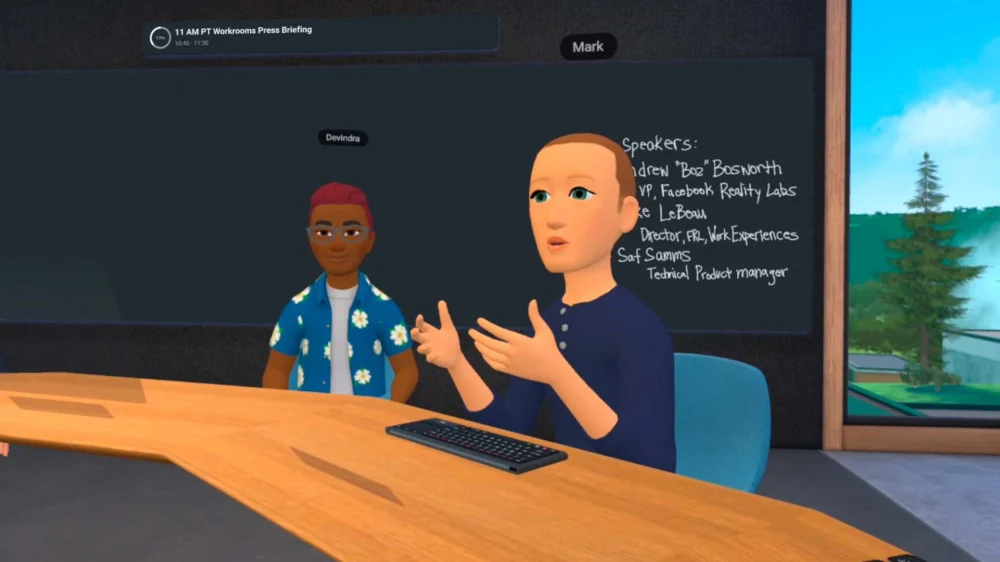
In addition to the contraction of its gaming portfolio, Meta is scaling back its enterprise-facing XR solutions. The company has announced that Horizon Workrooms, its flagship virtual collaboration platform, will be discontinued in 2026. Simultaneously, the "Quest for Business" program, designed to integrate VR hardware into professional IT infrastructures, has been placed on a maintenance track with no further major updates expected.
This shift represents a significant departure from Meta’s 2021-2023 strategy, which positioned the metaverse as the future of remote work. The decision to sunset these programs follows a period of lower-than-expected adoption rates in the corporate sector, where many organizations found the friction of wearing headsets for extended periods to be a barrier to daily productivity.
Strategic Realignment Toward Smartglasses and AI Wearables
While Meta is reducing its footprint in the VR space, it is simultaneously doubling down on its partnership with EssilorLuxottica, the parent company of Ray-Ban. Meta is reportedly considering a two-to-threefold increase in the production of its smartglasses. While Luxottica had initially planned for a production run of 10 million units in 2026, discussions are now underway to increase that figure to 20 million, or potentially 30 million units, should consumer demand continue to accelerate.
To put these figures into perspective, the Meta Quest 2—currently the most successful VR headset in history—sold an estimated 25 million units over its entire multi-year lifespan. If Meta achieves its production targets for smartglasses, it would match the Quest 2’s lifetime sales in a single calendar year. This pivot is driven by the rapid integration of on-device AI and the increasing consumer preference for lightweight, socially acceptable form factors over bulky VR visors.

The State of PCVR and the Stagnation of High-End Content
The broader XR market is also witnessing a divergence between standalone success and PCVR stagnation. Data released by Steam regarding the most-played VR titles of 2025 reveals a persistent reliance on legacy software. The "Platinum" tier of most-played games is dominated by titles released in 2020 or earlier, such as Half-Life: Alyx, Beat Saber, and Skyrim VR.
The lack of new high-budget PCVR entries suggests that developers are increasingly prioritizing the standalone Quest ecosystem or mobile-based AR. Only one title from 2025, VR Secretary: Ailey Edition, managed to reach the "Silver" tier of Steam’s rankings, highlighting a significant "content gap" in the high-end VR market. This trend reinforces the narrative that the industry is entering a "VR winter" for enthusiast-grade hardware, even as mobile XR continues to find a niche.
Market Success Stories: XREAL and Gorilla Tag
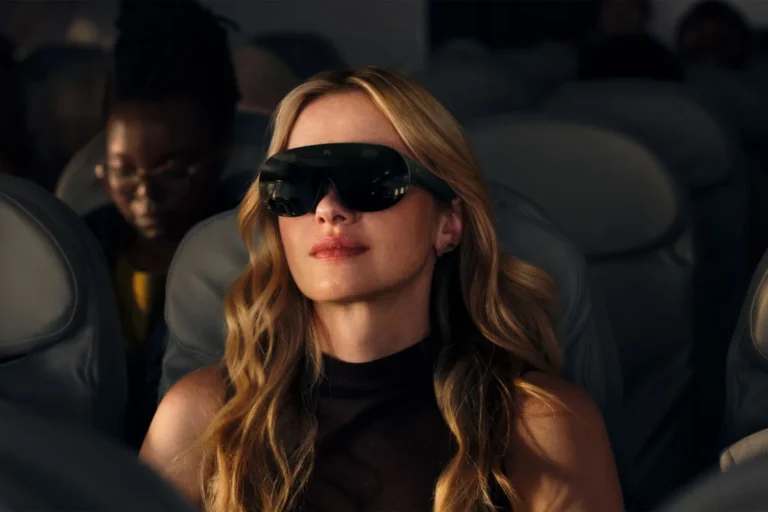
Despite the volatility at Meta, other sectors of the XR market are reporting robust growth. The Chinese manufacturer XREAL recently announced a $100 million investment round from supply chain partners and undisclosed backers. This latest infusion of capital brings XREAL’s total funding to over $400 million, pushing the company’s valuation above $1 billion and granting it "unicorn" status. XREAL’s success is largely attributed to its focus on AR media glasses, which offer a simpler, more portable alternative to full VR headsets. However, the company is also currently engaged in legal challenges, having recently filed a patent infringement lawsuit against competitor Viture.
In the software sector, Gorilla Tag, developed by Another Axiom, continues to defy broader market trends. The social VR title recently recorded a milestone of 110,000 concurrent users during a live in-game event. Over a single weekend, the game attracted more than 1 million unique users. The success of Gorilla Tag underscores a shift in consumer behavior toward low-fidelity, high-social-interaction experiences, which often perform better on standalone hardware than visually complex AAA titles.

European Innovation and Emerging Technologies
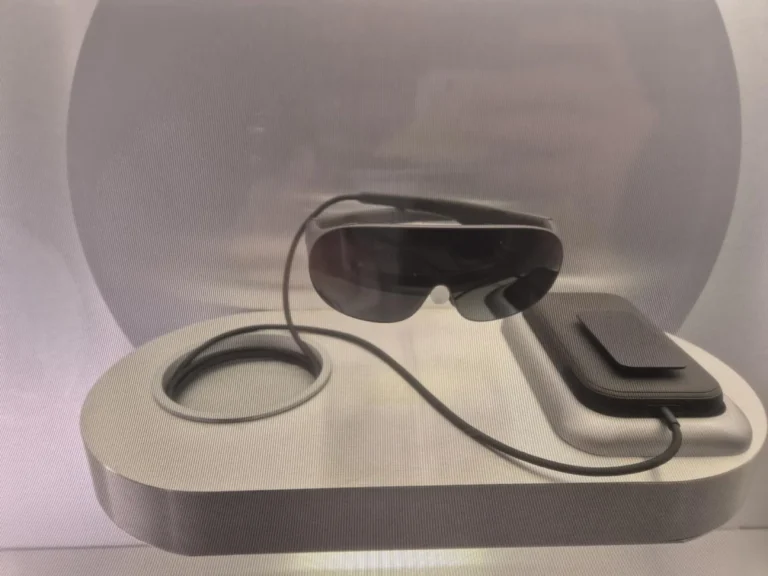
The European XR ecosystem is also seeing movement, with the French startup Lynx preparing to unveil its latest hardware, the Lynx R2. Following the lessons learned from its first-generation mixed reality headset, the R2 is expected to offer a refined standalone experience with a focus on privacy and open-source compatibility.
On the technological frontier, Apple has contributed to the open-source community by releasing an on-device AI model capable of instantly converting standard images into 3D scenes using Gaussian splatting. This advancement could significantly lower the barrier for 3D content creation in AR environments. Additionally, the startup Merge Labs has emerged in the Brain-Computer Interface (BCI) space, aiming to bridge biological and artificial intelligence for future XR control schemes. In the enterprise haptics market, Teslasuit has launched its XR5 suit, a high-end full-body haptic feedback system priced at $10,000, targeting specialized industrial and medical training.
Analysis of Industry Implications
The current restructuring at Meta and the broader market shifts suggest a cyclical correction within the XR industry. The transition from VR-centric development to AR-focused smartglasses indicates that the industry is moving toward "ambient computing"—technology that integrates seamlessly into daily life rather than requiring total immersion.
While the immediate impact of Meta’s layoffs is negative for the VR development community, industry analysts suggest this may create opportunities for smaller, more agile companies to capture market share. The massive production targets for smartglasses indicate a belief that AR is the true path to mainstream adoption. However, the success of this pivot will depend on whether consumers utilize the "smart" features of these devices or simply treat them as traditional eyewear. As the industry moves into 2026, the focus will likely remain on AI integration, lightweight hardware, and the search for a "killer app" that justifies the transition from smartphones to head-worn displays.
About the Author