Meta Platforms Inc. has initiated a significant strategic withdrawal from its primary virtual reality (VR) and metaverse initiatives, marking a pivotal shift in the landscape of extended reality (XR) technology. The company recently confirmed a workforce reduction of approximately 1,500 employees, primarily targeting departments associated with the Horizon Worlds platform and first-party VR content development. This move follows a period of intense capital expenditure and signifies a broader transition in Meta’s long-term hardware and software roadmap. The disinvestment comes at a critical juncture for the industry, as hardware cycles lengthen and the focus shifts from immersive gaming toward augmented reality (AR) and wearable smartglasses.
Strategic Contraction and the Workforce Impact
The layoffs at Meta represent a substantial percentage of its Reality Labs division, which has historically been the primary driver of the consumer VR market. Among those affected are high-level engineers, content creators, and community managers who were instrumental in building the Horizon Worlds ecosystem. This internal restructuring is mirrored by external shocks within the development community. Cloudhead Games, a veteran studio in the VR space, recently announced a 70% reduction in its staff, citing the sudden evaporation of platform-holder funding and a tightening market for premium VR titles.
Industry analysts suggest that Meta’s decision to scale back first-party and third-party game funding will create a significant "content vacuum" for the Quest ecosystem. Since the acquisition of Oculus in 2014, Meta has been the primary financier for high-fidelity VR experiences. Without this continuous flow of capital, many independent studios face insolvency or must pivot to more established platforms like PC or traditional consoles. The immediate consequence is a projected decline in high-budget releases for the Quest platform through 2026 and 2027.
Chronology of the Meta VR Strategy: 2014–2026
To understand the current "VR Winter," it is essential to examine the trajectory of Meta’s involvement in the sector.
- 2014–2018: The PCVR Era. Following the $2 billion acquisition of Oculus, the focus remained on high-end PC-tethered VR. This period saw the launch of the Rift and the funding of seminal titles that defined the medium’s early potential.
- 2019–2021: The Standalone Revolution. The launch of the Quest and Quest 2 democratized VR, removing the need for expensive computers. In 2021, Facebook rebranded to Meta, signaling a total commitment to the "metaverse."
- 2022–2023: Market Saturation and Economic Headwinds. The Quest 2 saw massive sales during the COVID-19 pandemic, but retention rates struggled. The launch of the Quest 3 and Quest Pro targeted higher-end users but failed to replicate the mass-market explosion of their predecessor.
- 2024–2025: The Arrival of Competition and AR Pivots. Apple’s entry with the Vision Pro reframed the conversation around "spatial computing" rather than "gaming VR." Simultaneously, Meta began increasing its focus on the Ray-Ban Meta smartglasses.
- 2026: The Retrenchment. Meta halts investment in several VR hardware projects, cancels numerous first-party gaming contracts, and focuses on consolidating its OS into a more general-purpose computing layer.
Financial Data and Market Realities
The financial burden of Reality Labs has been a point of contention for Meta’s shareholders for several years. Since 2021, the division has reported cumulative operating losses exceeding $40 billion. While CEO Mark Zuckerberg previously defended these losses as necessary for "building the next computing platform," the 2026 figures suggest a limit to investor patience.
Market data indicates that while the Quest 2 sold approximately 20 million units, the Quest 3 has seen a slower adoption rate, partly due to its higher price point and a perceived lack of "must-have" exclusive software. Furthermore, user behavior has shifted. The most popular applications on the Quest Store are no longer high-fidelity, narrative-driven games, but rather "social-physical" titles like Gorilla Tag and user-generated content (UGC) platforms. This shift suggests that the multi-million dollar budgets previously allocated to "AAA" VR titles may no longer yield a viable return on investment in a market that remains a niche compared to mobile or console gaming.
The Shift Toward Augmented Reality and Wearables
As Meta disinvests in VR-centric gaming, it is doubling down on its partnership with Luxottica, the parent company of Ray-Ban. Reports indicate that Meta is in negotiations to scale production of smartglasses to 20–30 million units per year. This move signifies a belief that the "bridge" to the metaverse is not a closed-off headset, but a pair of fashionable glasses that integrate artificial intelligence and light AR overlays.
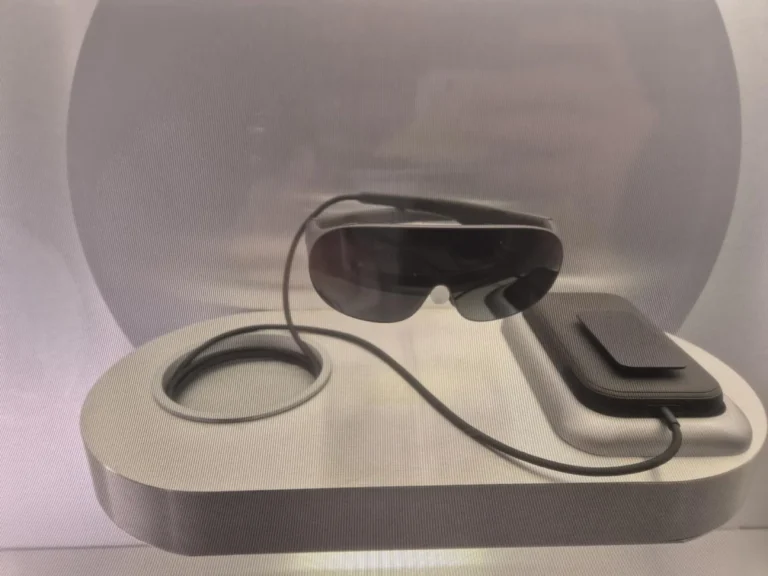
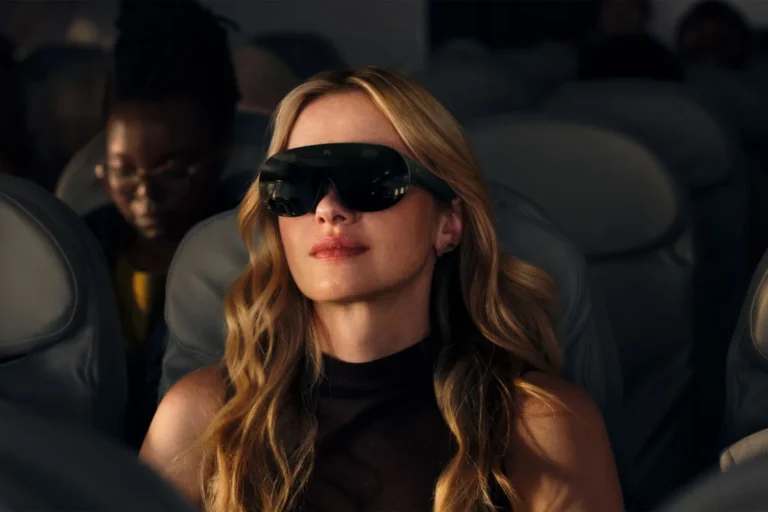
The upcoming launch of Snap’s consumer-oriented Spectacles and the rumors surrounding Meta’s "Project Puffin"—a lightweight, externally powered headset—suggest that the industry is moving toward a "Vision Pro-lite" model. This model prioritizes media consumption, social connectivity, and utility over immersive gaming. Consequently, VR is being reframed as a subset of the broader XR category, rather than its primary driver.
Impact on the Enterprise and B2B Sectors
Meta’s withdrawal from the business-to-business (B2B) sector for the third time in a decade has raised concerns regarding its reliability as an enterprise partner. Companies that integrated Quest headsets into their training or collaborative workflows now face uncertainty regarding long-term support and software updates.
This retreat has created an opening for competitors who have maintained a consistent focus on the professional market. Firms such as HTC, Pico (owned by ByteDance), and Varjo are positioned to capture the enterprise share that Meta has vacated. These companies offer hardware with longer lifecycles and dedicated professional support structures, which are essential for industrial and medical applications where Meta’s "move fast and break things" approach has proven problematic.
Broader Implications for the XR Ecosystem
The current state of the industry suggests a period of cooling often referred to as a "technology winter." This phase is characterized by:
- Hardware Stagnation: With no major VR hardware refreshes expected from Meta in 2026, the current generation of devices must remain relevant longer than previous cycles.
- Increased Barrier to Entry for Developers: Without platform subsidies, developers must rely on organic sales. In a market with a limited user base, this increases the financial risk of innovation.
- Consolidation of Platforms: The "Meta Horizon OS" is likely to become a licensing model for other hardware manufacturers, similar to how Android functions for smartphones, as Meta seeks to reduce its own hardware manufacturing risks.
- The Rise of AI Integration: The focus of XR is shifting from "visual immersion" to "intelligent assistance," where AI agents within smartglasses provide more value to the average consumer than a virtual world.
Conclusion: The Path to 2035
Despite the immediate downturn, industry veterans remain optimistic about the long-term outlook for XR. The consensus among technologists is that the goal of a ubiquitous, wearable computing platform remains achievable by 2035. The current disinvestment is viewed not as an abandonment of the technology, but as a necessary correction to align with current consumer demand and technological limitations.
For professionals within the space, the "winter of 2026" necessitates a survival-oriented strategy. This includes diversifying skill sets into AI and AR, maintaining lean operations, and looking beyond the Meta ecosystem for growth. While the "metaverse" as envisioned in 2021 may have failed to materialize on schedule, the underlying technologies of spatial computing and immersive interfaces continue to evolve, albeit at a more measured and sustainable pace. The transition from a gaming-first niche to a general-purpose computing utility is underway, and the current restructuring is a painful but perhaps inevitable part of that maturation process.
About the Author