A new chapter in the Canadian video game development landscape has begun with the quiet formation of New Radical Games Inc., a studio spearheaded by seasoned industry veterans from the now-defunct Radical Entertainment and Hothead Games. The venture, which appears to have been in operation since late 2024, signals a strategic return for key figures like Ian Wilkinson, co-founder of the original Radical Entertainment, and Tim Bennison, who held executive roles at both Radical and Hothead. This development, initially brought to light by vigilant users on Reddit and subsequently confirmed via the new studio’s official website and key personnel’s LinkedIn profiles, underscores a persistent entrepreneurial spirit within the gaming sector, even in the wake of significant studio closures.
The formation of New Radical Games is particularly notable given the recent trajectory of its founders’ previous affiliations. Radical Entertainment, a studio with a storied history spanning over two decades, was instrumental in developing beloved titles such as The Simpsons: Hit & Run, The Incredible Hulk: Ultimate Destruction, and the critically acclaimed Prototype series. After its acquisition by Vivendi Games in 2006 and subsequent operation under Activision, Radical’s footprint gradually diminished, ultimately becoming a support studio for projects like Bungie’s Destiny before its operational scale was significantly reduced. Hothead Games, on the other hand, a studio where both Wilkinson and Bennison later served, met a more definitive end, filing for bankruptcy in December 2024 after an 18-year run that included titles like the Deathspank series and Penny Arcade Adventures. The convergence of these two distinct legacies within New Radical Games suggests a strategic consolidation of experience and a fresh approach to game development.
A Chronology of Veteran Leadership and Studio Evolution
The timeline of Ian Wilkinson’s career provides a clear narrative of dedication and evolution within the Canadian game development scene. Wilkinson co-founded Radical Entertainment in Vancouver in 1991, at a time when the video game industry was undergoing a rapid expansion with the advent of 16-bit consoles and the burgeoning PC gaming market. Radical quickly established itself, developing a diverse portfolio of games across various genres and platforms. Its creative output and technical prowess eventually led to its acquisition by Vivendi Games in 2006, a significant milestone that reflected the studio’s success and the consolidation trend within the industry. Wilkinson, after leading Radical through this transitional period, retired as CEO and president in 2008.
His hiatus from active leadership was relatively brief, as he re-emerged in the industry in 2009, joining Hothead Games. Hothead, founded in 2006 by former employees of Relic Entertainment and Electronic Arts Canada, was known for its distinct creative vision and downloadable titles, carving a niche in the digital distribution market. Wilkinson’s move to Hothead marked a pivot towards a different scale and type of development, focusing on innovative, often humor-infused, projects. His LinkedIn profile now explicitly states his current role as co-founder, CEO, and president of New Radical Games Inc. since December 2024, directly following the closure of Hothead Games.
Tim Bennison’s journey mirrors Wilkinson’s in many respects, underscoring a long-standing professional partnership. Bennison served alongside Wilkinson at Radical Entertainment, holding key positions as an executive producer and VP of technology. His technical expertise and leadership were instrumental in Radical’s output during its most prolific years. Following his tenure at Radical, Bennison eventually joined Hothead Games as COO in 2020. His experience extends further into the broader industry, with a notable stint as COO at Capcom Game Studio Vancouver. This diverse background in both creative and operational leadership positions him as a crucial figure in the new studio’s strategic direction.
The Legacy of Radical Entertainment: Innovation and IP Development
Radical Entertainment’s history is a testament to its adaptive capabilities and its knack for producing engaging gameplay experiences. The studio’s early years saw it develop titles across a wide range of genres, from sports games to action-adventure. However, it was its work on licensed properties that truly solidified its reputation. The Simpsons: Hit & Run (2003) is often cited as one of the best licensed games ever made, praised for its open-world design, faithful adaptation of the show’s humor, and enjoyable gameplay mechanics that drew comparisons to the Grand Theft Auto series. This title alone sold over 3 million copies worldwide, demonstrating Radical’s ability to transcend the typical limitations of licensed tie-ins and deliver a genuinely compelling game.
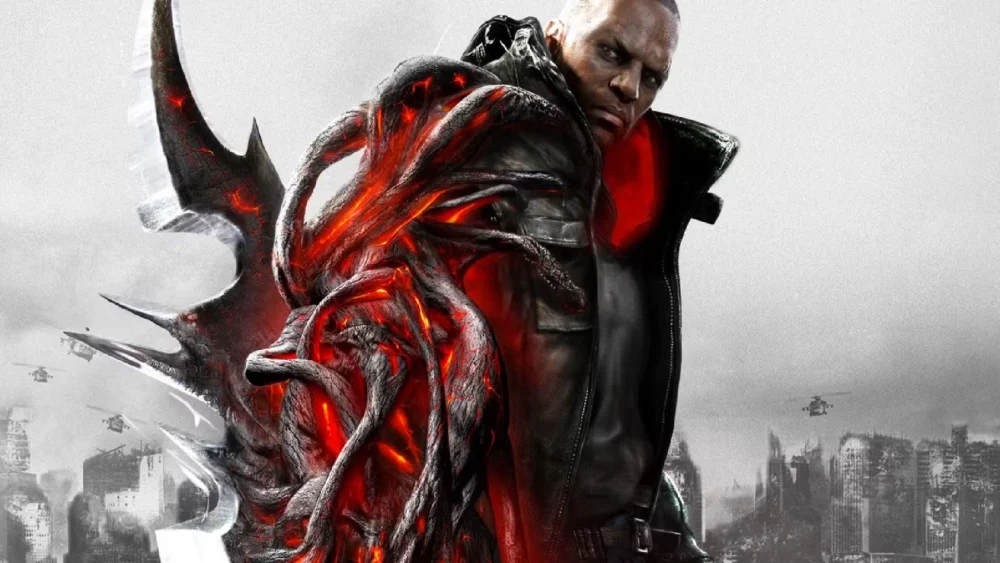
Following this success, Radical continued its streak with The Incredible Hulk: Ultimate Destruction (2005), which redefined superhero game mechanics with its innovative destructible environments and fluid combat system, allowing players to truly embody the power of the Hulk. This game earned critical acclaim for its ambitious design and remains a benchmark for superhero titles. The studio then ventured into its own original intellectual property with the Prototype series, launching the first installment in 2009 and its sequel, Prototype 2, in 2012. These games, known for their visceral combat, shapeshifting protagonist, and open-world mayhem, garnered a dedicated fanbase and showcased Radical’s capacity for creating unique and memorable action experiences.
However, the late 2000s and early 2010s brought significant shifts in the industry. Despite the success of Prototype 2, its sales did not meet Activision’s expectations, leading to a significant downsizing of Radical Entertainment in 2012. The studio transitioned from a primary developer to a support role, assisting other Activision studios, notably contributing to the development of Destiny. This evolution from a leading creative force to a support entity highlights the volatile nature of the video game industry, where even successful studios can face significant restructuring based on market performance and corporate strategy shifts. The experience gained during these periods, particularly in optimizing existing game engines and contributing to large-scale projects, could prove invaluable for New Radical Games’ stated focus on remastering and porting.
Hothead Games: A Niche, Creative Endeavor and Its Ultimate Demise
Hothead Games, co-founded by industry veterans, aimed to carve out a distinct identity in the burgeoning digital distribution market. The studio gained recognition for its quirky and often humorous titles, most notably the Deathspank series, a hack-and-slash action RPG co-created with renowned game designer Ron Gilbert. The series, which debuted in 2010, was praised for its witty dialogue, vibrant art style, and engaging gameplay loop, finding an audience among players seeking a more lighthearted take on the RPG genre. Hothead also developed Penny Arcade Adventures: On the Rain-Slick Precipice of Darkness, an episodic RPG based on the popular webcomic, further cementing its reputation for unique, narrative-driven experiences.
.png?disable=upscale&width=1200&height=630&fit=crop)
Despite its creative successes, Hothead Games faced significant challenges in a rapidly evolving market. In December 2024, the studio filed for bankruptcy, bringing an end to its nearly two-decade run. Ian Wilkinson, in a poignant farewell post via LinkedIn at the time, offered a candid explanation for the studio’s closure. He revealed that Hothead had been diligently working on a playable prototype for a triple-A project, envisioning mobile, PC, and console versions. However, the critical juncture for securing publishing contracts proved elusive, leading to the studio’s ultimate downfall.
Wilkinson’s statement provided a stark illustration of the precarious nature of game development, even for established studios. He detailed how contracts for both mobile and console versions of their ambitious project were on the cusp of being finalized, only for the mobile publisher to withdraw due to a sudden shift in strategy. This setback was quickly followed by the console publisher also pulling out, leaving Hothead with no viable path forward. "At that point our only remaining option was bankruptcy," Wilkinson wrote, underscoring the razor-thin margins and unpredictable market forces that can derail years of development effort. This experience, while unfortunate, offers a profound understanding of industry dynamics that Wilkinson and Bennison undoubtedly carry into their new venture, potentially influencing New Radical Games’ business model and strategic partnerships.
New Radical Games: A Vision for Remasters and Comprehensive Development
The emergence of New Radical Games is not merely a phoenix rising from the ashes of past studios but a strategically positioned enterprise built upon decades of collective experience. The official website for New Radical Games reveals a clear and focused mission. Its meta description explicitly states the team specializes in "remastering classic games by enhancing visuals, audio, and gameplay to revive beloved titles for modern hardware." This focus aligns with a significant and growing trend in the video game industry, where nostalgia, technological advancements, and the desire to introduce classic titles to new generations have fueled a robust market for remasters and remakes.
The services listed on the site further elaborate on their capabilities:
- Work for Hire Full Game Development: This indicates their capacity to undertake complete game projects, leveraging their extensive experience in game design, programming, art, and production.
- Mobile and Console Development: This covers a broad spectrum of platforms, suggesting flexibility and an understanding of the unique requirements and opportunities across different ecosystems.
- Co-Development: This service positions New Radical Games as a valuable partner for other studios, offering their expertise to collaborate on larger projects, potentially filling gaps in development cycles or providing specialized support.
- Porting: The ability to adapt existing games to new platforms is a crucial skill, ensuring wider market reach and extending the lifecycle of titles.
- Remastering: This core focus capitalizes on the team’s understanding of classic game design and their technical prowess to modernize visuals, audio, and potentially gameplay mechanics while preserving the original essence that made the games beloved.
The market for remasters and remakes has proven incredibly lucrative in recent years. High-profile successes such as the Resident Evil 2 and Resident Evil 3 remakes, Final Fantasy VII Remake, and Demon’s Souls have demonstrated the significant commercial and critical potential of revisiting classic titles. Players are often eager to re-experience cherished games with contemporary graphics and improved gameplay, while new players are introduced to celebrated IPs they might have missed. This trend is driven by several factors: lower development risk compared to entirely new AAA titles, leveraging existing intellectual property and fanbases, and the relatively lower cost of marketing for recognizable brands. New Radical Games’ deliberate positioning in this segment suggests a shrewd understanding of current market dynamics and player demand.
Implications and Future Outlook
The formation of New Radical Games carries several significant implications for the Canadian game development scene and the broader industry. Firstly, it represents a valuable retention of veteran talent. In an industry prone to cycles of boom and bust, keeping experienced developers engaged and creating new studios ensures that institutional knowledge and proven leadership continue to contribute to innovation. The combined experience of Wilkinson and Bennison, spanning decades and encompassing various roles from creative design to business operations, provides a solid foundation for the new studio.
Secondly, their focus on remastering offers a pathway for the preservation and revitalization of classic games. Many beloved titles from previous console generations are inaccessible to modern audiences due to platform obsolescence or technical limitations. Studios like New Radical Games can play a crucial role in bringing these games back, ensuring their legacy endures and introducing them to a new generation of players. This not only satisfies fan demand but also contributes to the cultural preservation of video game history.
However, challenges remain. While the remastering market is robust, it is also competitive. Success hinges on a deep understanding of the original material, judicious improvements, and effective marketing. The lessons learned from Hothead Games’ bankruptcy regarding securing publishing contracts will undoubtedly influence New Radical Games’ approach to business development and partnerships. The work-for-hire model, while providing stable revenue, also means navigating client expectations and project scopes carefully.
The return of "Radical" in the studio’s name is a deliberate nod to its founders’ roots and potentially a signal of intent to revisit some of the creative ethos that defined the original Radical Entertainment. While there is no official word on specific projects, the possibility of seeing a new take on a classic Radical title, or even an entirely new IP infused with their signature style, will undoubtedly excite long-time fans.
As New Radical Games embarks on its journey, the industry will be watching closely. The confluence of extensive experience, a clear strategic focus on a thriving market segment, and a history of navigating both successes and challenges positions this new studio as a noteworthy entrant. Its ability to leverage the past, adapt to the present, and innovate for the future will define its trajectory in the ever-evolving landscape of video game development.
About the Author