The latest iteration of Ludum Dare, the globally recognized bi-annual game jam event, concluded this past weekend, running from October 4th to October 7th. Developers worldwide were challenged to conceptualize, design, and implement games within a stringent 48-hour (Compo) or 72-hour (Jam) timeframe, all under the evocative theme of “Tiny Creatures.” As the dust settles and the community begins the extensive process of playing and rating thousands of submissions, itch.io, a prominent platform for independent game developers, has unveiled a curated selection of titles that exemplify the creative interpretations of this intriguing theme. This initial spotlight serves not only to celebrate the ingenuity displayed but also to guide players through the vast ocean of new creations.
Understanding Ludum Dare: A Crucible for Game Development
Ludum Dare stands as one of the longest-running and most influential game jams in the world, having first launched in 2002. Held twice a year, it gathers thousands of developers, from seasoned professionals to aspiring hobbyists, pushing them to craft a complete game from scratch based on a given theme. The event is celebrated for fostering innovation, rapid prototyping skills, and a strong sense of community. Participants typically work against the clock, often sacrificing sleep, to bring their ideas to fruition, covering all aspects of game development including programming, art, sound design, and writing. The 48-hour Compo requires solo development and all assets to be created during the jam, while the 72-hour Jam allows for teams and pre-existing assets, offering a slightly more lenient framework for collaboration and ambition.
The intense time constraints of Ludum Dare compel participants to distill their ideas to their core, focusing on essential mechanics and often leading to highly creative and unconventional solutions. It serves as a vital learning ground, a portfolio builder, and a platform for discovering new talent and unique game concepts. Once the development period concludes, participants engage in a community-wide peer review process, playing and rating each other’s games, providing valuable feedback, and collectively determining the highest-rated entries.
The "Tiny Creatures" Theme: A Catalyst for Diverse Interpretations
For Ludum Dare 56, the chosen theme, "Tiny Creatures," presented a deceptively simple yet profoundly fertile ground for imagination. The interpretation of "tiny" could range from literal physical size to creatures of insignificant social standing, microscopic organisms, or even small, fleeting moments. Similarly, "creatures" invited interpretations from anthropomorphic animals and mythical beasts to abstract entities or even humanoids in miniature. This open-endedness is a hallmark of successful Ludum Dare themes, designed to avoid overly prescriptive ideas and instead encourage a broad spectrum of genres and artistic styles.
The theme inherently nudged developers towards exploring concepts of scale, perspective, vulnerability, and collective action. It could inspire games about managing ant colonies, guiding a single butterfly through a perilous world, or even embodying a microscopic virus. The potential for narrative depth, puzzle design, or even strategic gameplay within these parameters was immense, as demonstrated by itch.io’s varied selection.
itch.io’s Curatorial Insight: Showcasing Innovation and Talent
As a premier digital storefront and community platform for independent games, itch.io plays a crucial role in the indie game ecosystem. Its robust tagging system, developer-friendly revenue share, and emphasis on discovery make it a natural home for game jam submissions. The platform hosts a staggering number of Ludum Dare entries each cycle, making curated lists like this one invaluable for players seeking to navigate the sheer volume of content. itch.io’s recommendations are often a blend of technically impressive projects, conceptually unique titles, and games that perfectly encapsulate the spirit of the jam’s theme. This selection not only highlights promising new games but also reinforces itch.io’s commitment to fostering and promoting the independent development community.
Featured Games: A Deep Dive into "Tiny Creatures" Interpretations
The following games, hand-picked by itch.io, represent a fascinating cross-section of how developers approached the "Tiny Creatures" theme, showcasing a blend of familiar genres with fresh mechanics and compelling aesthetics.

TINY PACK
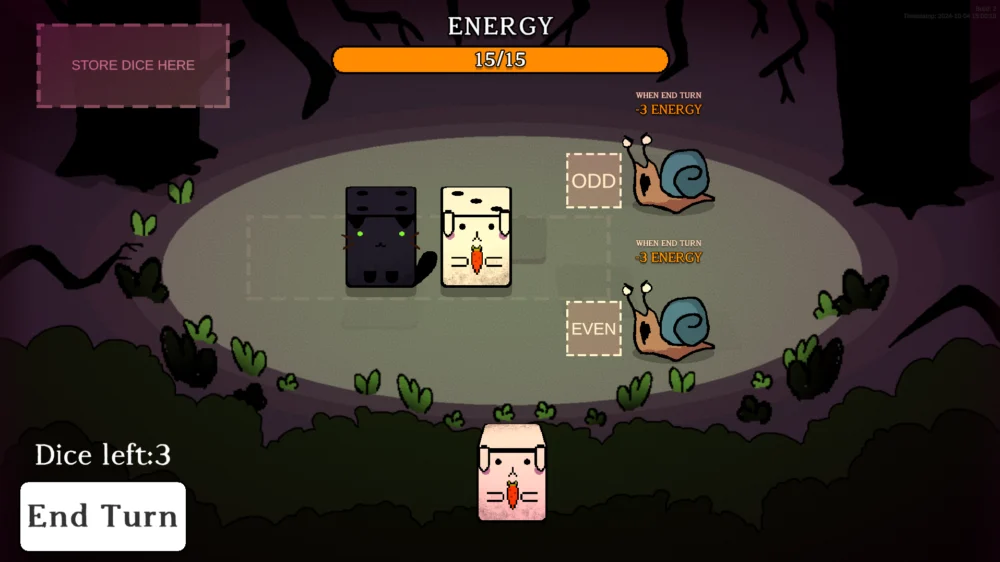
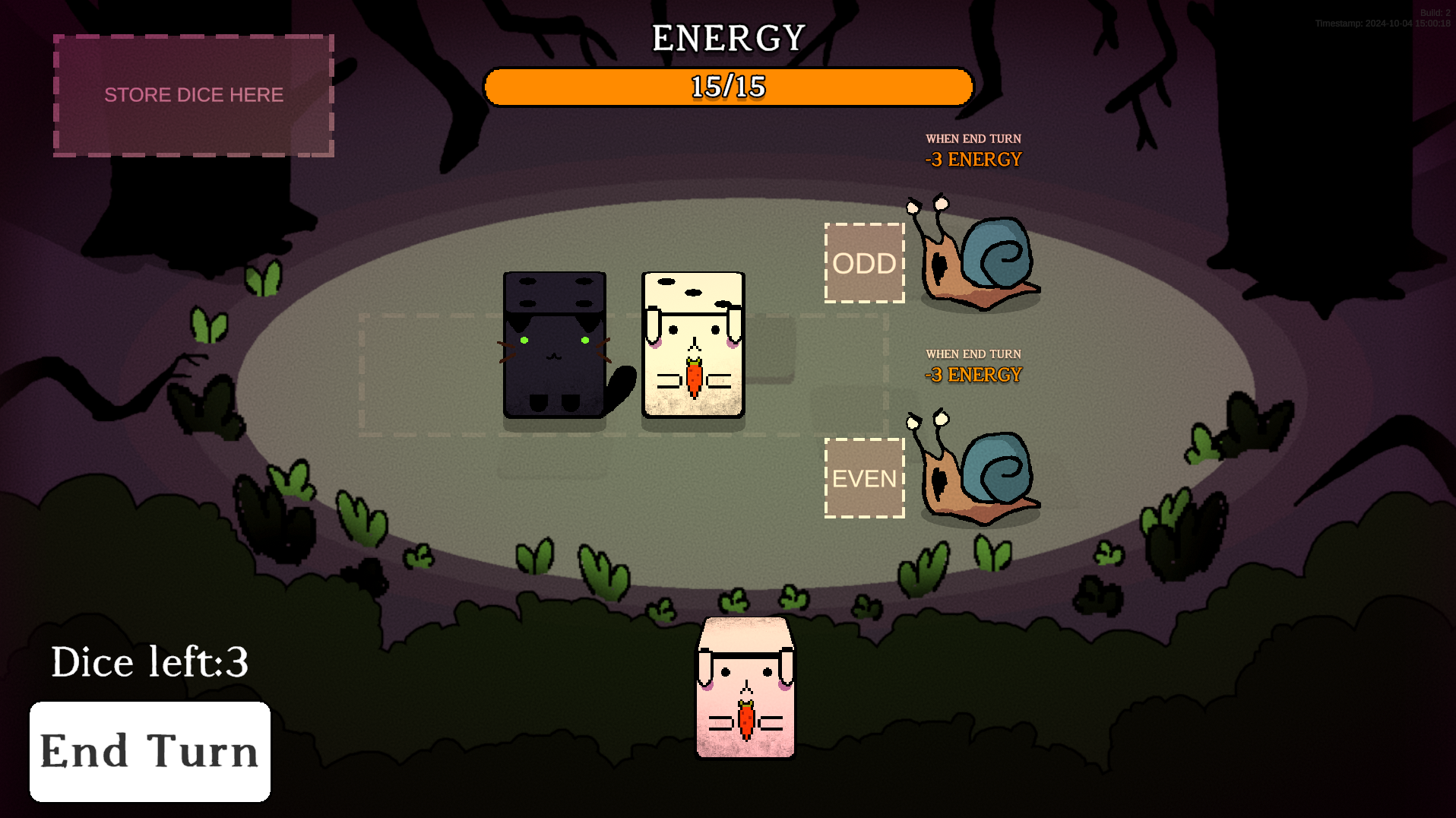
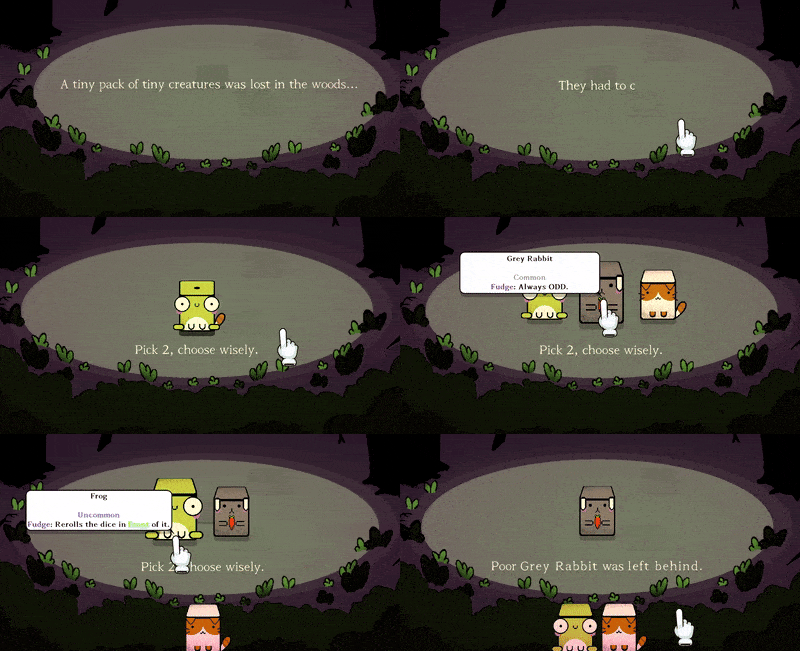
TINY PACK emerges as a compelling roguelike adventure that masterfully weaves together elements of dice mechanics, animal characters, and a forest setting. Players are tasked with guiding a cohesive pack of miniature creatures through an ever-changing woodland environment. The core gameplay loop revolves around utilizing dice abilities strategically to overcome a myriad of obstacles and challenges. What sets TINY PACK apart is its thoughtful integration of deck-building elements, allowing players to customize and evolve their pack’s capabilities over time, adding a layer of strategic depth to the turn-based combat. The game’s pixel art visuals contribute significantly to its charm, rendering the tiny creatures and their forest home with a nostalgic yet clear aesthetic. The decision to make it playable directly in the browser ensures broad accessibility, inviting a wide audience to embark on this micro-scale odyssey. It embodies the "Tiny Creatures" theme by focusing on a collective of small beings navigating a world that feels vast and perilous from their perspective, emphasizing their cooperative survival.
Butterjar
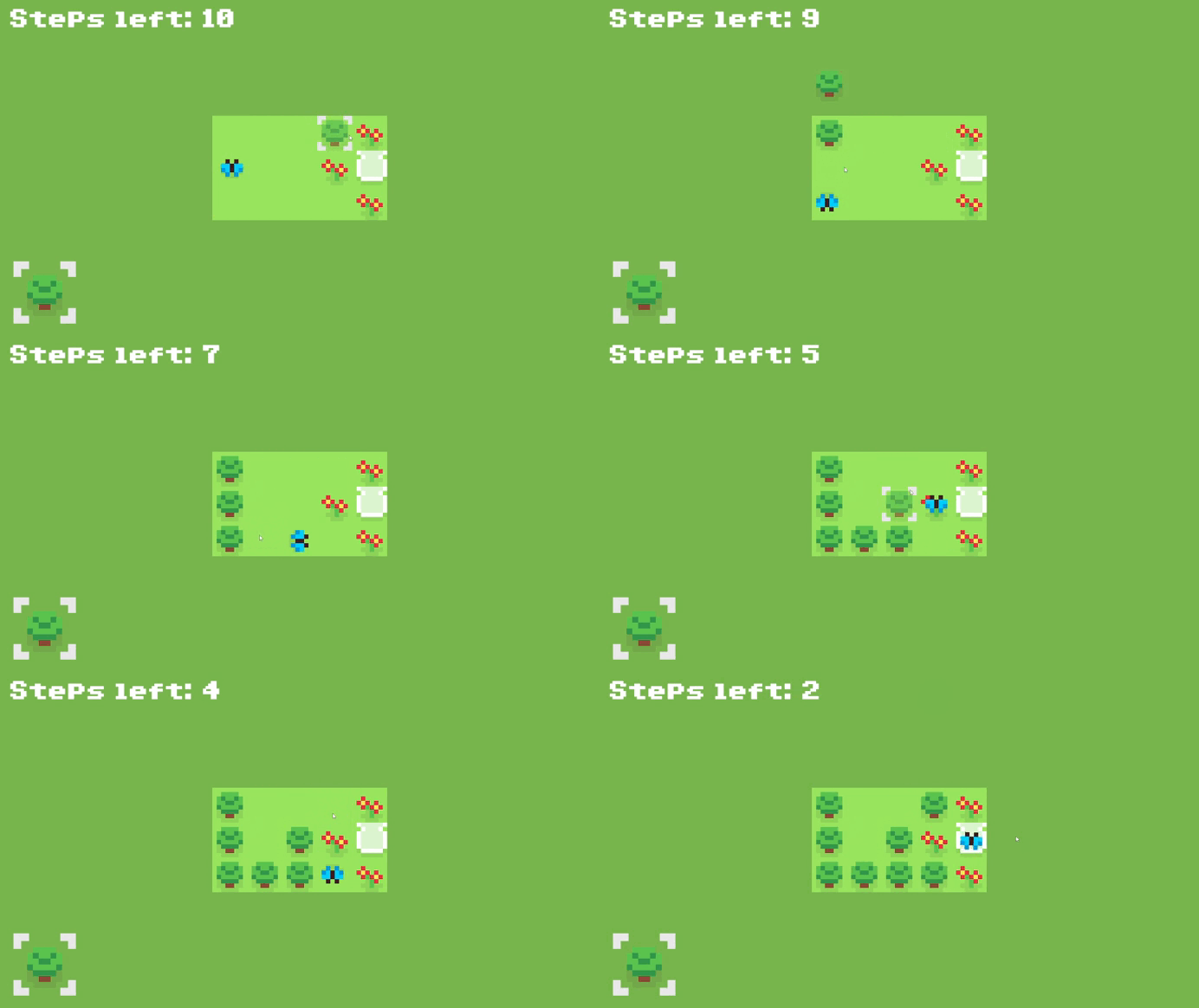
A quintessential puzzle game, Butterjar distills the "Tiny Creatures" theme into an elegant and focused experience. Players are presented with the seemingly simple objective of guiding a delicate butterfly into a jar. This premise, however, unfolds over 13 meticulously designed levels, each introducing new environmental puzzles and requiring precise timing and clever thinking. The game’s concise playtime, approximately 10 minutes, speaks to its tight design and immediate gratification. The choice of a butterfly as the central "tiny creature" inherently evokes a sense of fragility and delicate movement, which is likely mirrored in the puzzle mechanics. As a browser-based game, Butterjar offers instant engagement, making it an ideal candidate for quick, satisfying bursts of problem-solving. Its simplicity is its strength, proving that even the most miniature of concepts can yield a deeply engaging experience.
GO BLO
GO BLO presents a unique take on the puzzle genre, centering around the concept of collective growth and problem-solving. In this game, players are tasked with leading a troop of "blue people" – presumably tiny, undifferentiated creatures – through various levels. The core mechanic involves accumulating a larger and larger crowd of followers to surmount each level’s specific puzzles. This mechanic cleverly interprets the "Tiny Creatures" theme by emphasizing the power of numbers and the necessity of collective action for seemingly small beings to achieve larger goals. The visual style, while not explicitly detailed, appears to convey a sense of charming simplicity, fitting for the blue, blob-like protagonists. Its browser-based accessibility further enhances its appeal, allowing players to immediately jump into the challenge of marshaling their growing legion of tiny followers.
Slimeow Game
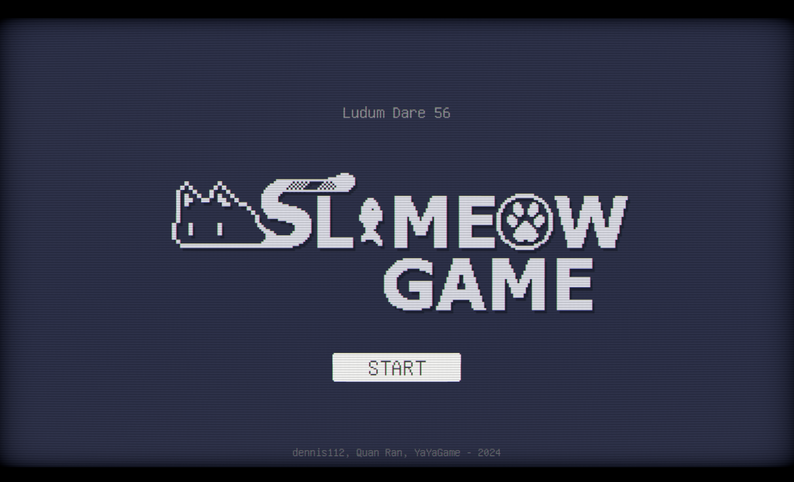
Combining the strategic depth of tower defense with the addictive progression of incremental gameplay, Slimeow Game offers a hybrid experience centered on adorable slime creatures. Players are put in charge of guiding these "slimeows" to collect fish, which in turn facilitates their breeding and expansion. The ultimate goal is to defend their pond from invading "bobtails," presumably a larger, antagonistic creature. This game expertly leverages the "Tiny Creatures" theme by making the slimeows both the resource gatherers and the defensive units, highlighting their ability to multiply and form a formidable force through sheer numbers. The incremental aspect, where actions lead to more resources and more creatures, feeds into the fantasy of a thriving, self-sustaining ecosystem of tiny beings. The provided screenshot, depicting vibrant slimeows and their pond, suggests a colorful and engaging visual style. Playable in the browser, Slimeow Game provides an accessible entry point into its unique blend of genres.
A very small seed
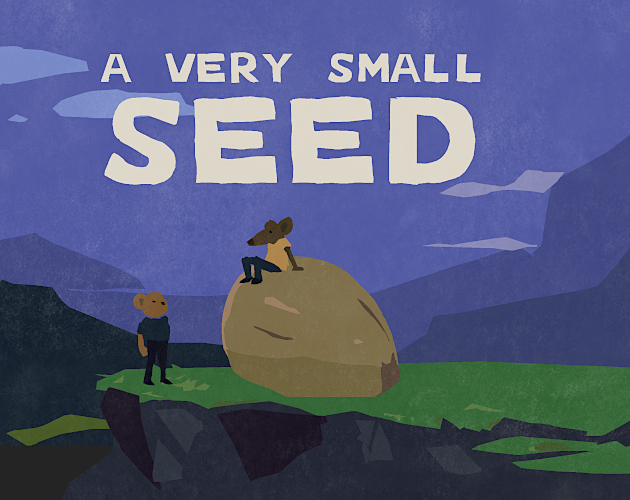
This adventure title stands out with its distinctive hand-drawn aesthetic, immediately setting a gentle and intimate tone. A very small seed chronicles the journey of two tiny creatures on a heartfelt quest to bring a diminutive seed back to their home. The game is described as a "short interactive experience," suggesting a focus on narrative and atmosphere over complex mechanics. The "Tiny Creatures" theme is central here, not just in the size of the protagonists but also in the significance of their small mission: transporting a "very small seed." This implies a story about perseverance, the importance of seemingly minor tasks, and perhaps the delicate balance of nature. The hand-drawn visuals likely enhance the game’s emotional resonance, creating a world that feels both fragile and endearing. As a browser-based experience, it promises an immediate and engaging narrative journey.
Critter Switcher
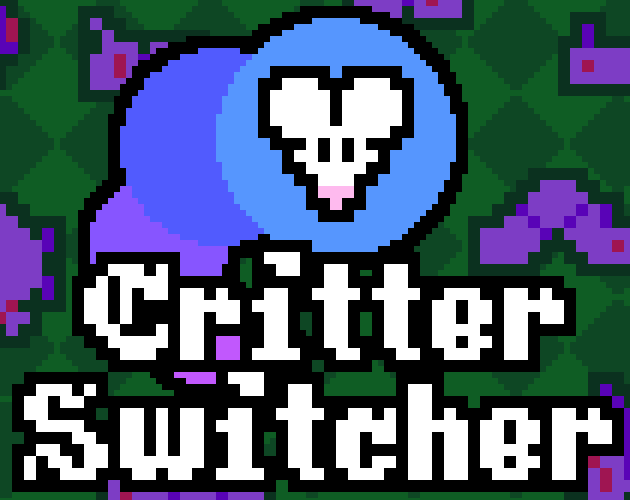
Critter Switcher returns to the roguelike genre, offering a pixel-art adventure set within a charming garden. Players navigate their mouse character through this intricate environment, with the ultimate goal of finding their "posse" or group of fellow critters. The roguelike elements suggest procedural generation, replayability, and potentially challenging encounters within the garden’s confines. The "Tiny Creatures" theme is explicitly embodied by the mouse protagonist and its allies, suggesting a perspective where everyday garden elements become significant obstacles or features. The pixel art style, a popular choice for game jam titles due to its efficiency and aesthetic appeal, likely gives the garden a detailed yet stylized look. While details on the "switcher" mechanic are sparse, it hints at abilities to change characters or perspectives, adding a layer of strategic depth to this miniature quest.
Candyween
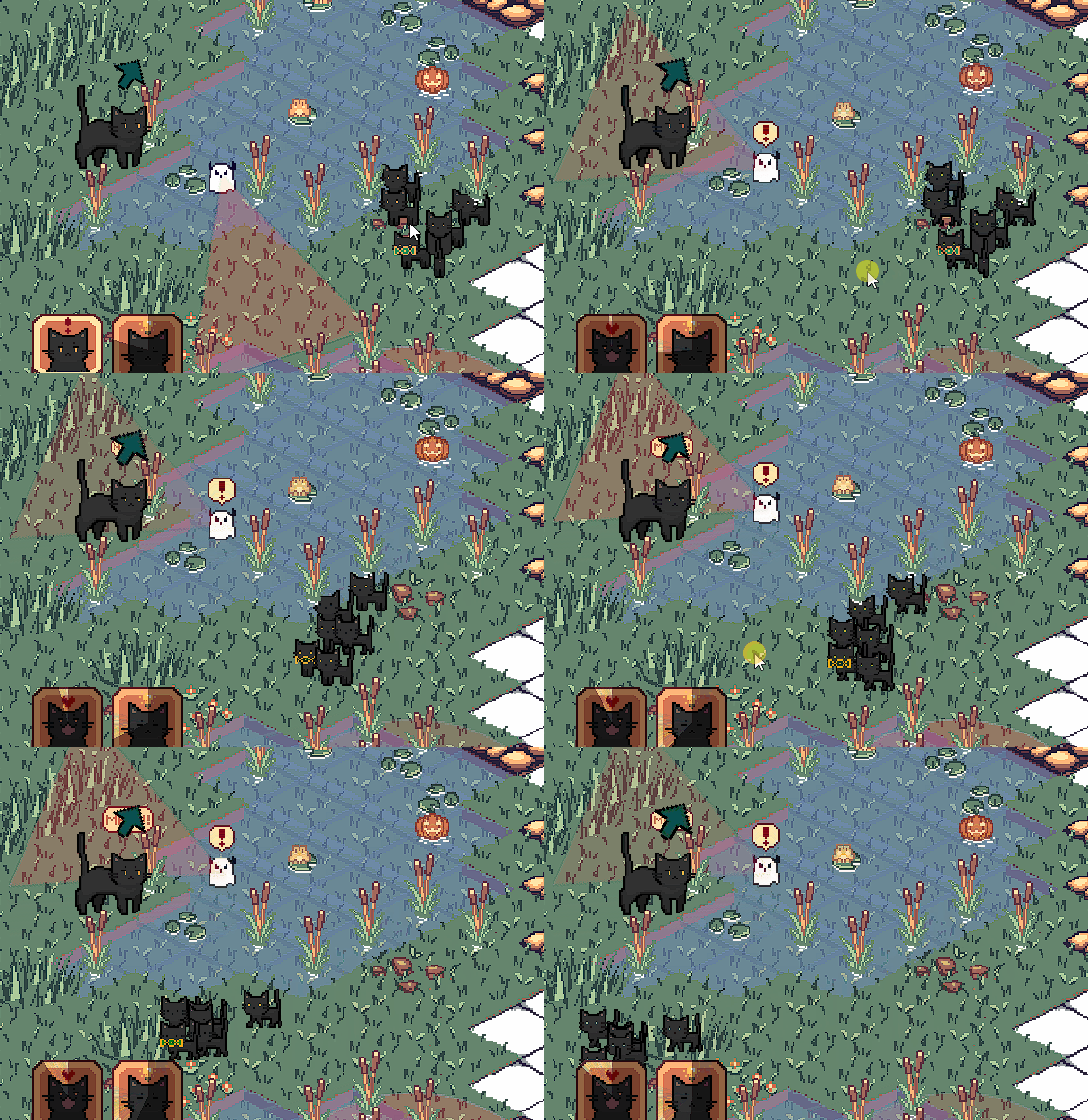
Injecting a seasonal twist, Candyween is a Halloween-themed puzzle platformer that features an isometric pixel art style. Players take on the role of a cat, a creature often seen as a guardian or companion, assisting a witch in her quest to retrieve scattered candies. The "Tiny Creatures" theme is cleverly interpreted here through the cat protagonist and the various other small, thematic entities encountered, such as ghosts and dogs. The isometric perspective lends itself well to puzzle design, allowing for intricate level layouts where players must navigate around spectral obstacles and canine patrols. The Halloween setting provides a festive backdrop, potentially influencing the game’s atmosphere and the types of puzzles encountered. The combination of puzzle-platforming, a charming aesthetic, and a clear objective makes Candyween an appealing entry for those seeking a thematic and engaging experience.
Tiny Apple
Tiny Apple offers a departure from action and puzzles, delving into the realm of idle simulation with a unique twist. In this game, players are tasked with generating "love" within a city through simple, one-button gameplay. The "Tiny Creatures" theme in this context might refer to the subtle, almost imperceptible actions that accumulate to create a larger impact, or perhaps the "love" itself is a tiny, intangible creature or resource. Idle games are known for their passive progression and satisfying accumulation mechanics, making them ideal for quick, relaxing sessions. The one-button interface suggests extreme simplicity and accessibility, aligning with the often minimalist nature of idle titles. As a browser-based game, Tiny Apple provides an immediate, low-barrier entry into its unique blend of city-building and emotional resource management.
Combo Critters
For fans of strategic card battling, Combo Critters delivers a robust experience centered around, as the title suggests, tiny creatures. Players are challenged to build formidable teams of these critters, each possessing unique abilities that can be combined to create powerful synergies and defeat opponents. The game’s focus on "combos" highlights strategic depth and player agency in constructing effective decks. The "Tiny Creatures" theme here is directly applied to the card characters, each likely designed with distinctive personalities and powers despite their diminutive size. The strategic depth of card battling, combined with the charm of tiny critters, creates a compelling gameplay loop. Available free for Windows, Combo Critters offers a complete and engaging experience for those looking for a more tactical interpretation of the Ludum Dare 56 theme.
Would You Still Love Me?
Would You Still Love Me? stands out as a narrative adventure, leveraging the "Tiny Creatures" theme to explore deeply personal and emotional territory. The game’s premise—what happens if your partner inexplicably transforms into a tiny creature—presents a poignant and thought-provoking scenario. This interpretation of the theme moves beyond physical size to delve into themes of change, acceptance, and the enduring nature of relationships. Narrative games, especially those created within game jam constraints, often succeed by focusing on strong writing and impactful choices. The "Tiny Creatures" aspect here serves as a powerful metaphor for vulnerability and the challenges that unforeseen circumstances can impose on human connection. Playable in the browser, this game offers an accessible and emotionally resonant experience for players seeking a story-driven approach to the theme.
Broader Impact and Legacy of Ludum Dare 56
The collective output of Ludum Dare 56, as exemplified by itch.io’s recommendations, underscores the event’s enduring significance in the independent game development landscape. These games, born from intense creative pressure and limited resources, often serve as prototypes for larger projects, as valuable portfolio pieces, or simply as standalone testaments to human ingenuity. The accessibility of many of these titles, particularly those playable directly in a browser, ensures that the fruits of these developers’ labors can be enjoyed by a global audience, fostering a continuous cycle of feedback and inspiration.
Beyond the immediate enjoyment of playing these games, Ludum Dare contributes to the health of the indie game industry by:
- Fostering Innovation: The themes and time limits compel developers to think outside the box.
- Building Skills: Participants gain invaluable experience in rapid development, project management, and problem-solving.
- Community Building: The collaborative spirit, peer feedback, and shared experience strengthen the global game development community.
- Discovering Talent: Many successful indie developers and studios trace their origins or early successes back to game jam entries.
As the community continues to explore the thousands of submissions under the "Tiny Creatures" tag on itch.io, the full breadth of interpretations will undoubtedly emerge. Each game, whether featured or yet to be discovered, represents a unique journey of creativity, a testament to the power of constraints, and a celebration of the vibrant indie game development spirit. itch.io’s timely recommendations serve as an excellent starting point for this grand exploration, inviting players to delve into worlds where even the smallest beings can inspire grand adventures and profound narratives. The legacy of Ludum Dare 56 will continue to unfold as these "tiny creatures" make their big impact.
About the Author