
The landscape of social media has undergone a profound transformation following Elon Musk’s acquisition of Twitter in October 2022, a period marked by significant policy shifts, widespread layoffs, and a rebranding to "X." This turbulent era has led many commentators and users to lament the platform’s perceived decline, prompting a critical re-evaluation of centralized digital communication models and a growing interest in decentralized alternatives. The dramatic changes have ignited a broader discourse on platform governance, user control, and the inherent vulnerabilities of services beholden to singular authority.
A Tumultuous Takeover: Musk’s Vision and Immediate Repercussions
Elon Musk’s bid to acquire Twitter, which began in early 2022 and culminated in a $44 billion purchase in October of that year, was predicated on a stated vision of transforming the platform into a bastion of "free speech absolutism" and an "everything app." He vowed to unlock Twitter’s "tremendous potential," reduce spam, authenticate all human users, and open-source the algorithms. However, the transition was immediately met with controversy and instability. Within weeks of the takeover, Musk initiated drastic changes, including mass layoffs that reduced the company’s workforce by an estimated 80%, impacting critical engineering, trust and safety, and content moderation teams. This swift reduction in staff raised immediate concerns about the platform’s operational stability, security, and ability to manage harmful content effectively.
One of the most significant and contentious changes was the overhaul of the verification system. The legacy blue checkmark, previously signifying authenticity for notable figures, was replaced with a subscription-based model under "Twitter Blue" (later "X Premium"). This change, implemented in November 2022, allowed anyone to purchase a blue checkmark, leading to a surge in impersonation and misinformation. Several high-profile incidents of corporate and public figure impersonation quickly highlighted the system’s flaws, eroding user trust and prompting an initial exodus of advertisers. The financial pressures mounted as major brands paused or significantly reduced their advertising spend, citing concerns over brand safety and the proliferation of hate speech and misinformation on the platform. Reports from companies like GroupM, one of the world’s largest media buying agencies, indicated that many clients had pulled back spending due to these concerns. Insider Intelligence projected a significant drop in Twitter’s ad revenue, forecasting a 28% decline in 2023, far outpacing general market trends.
The Erosion of Trust and the "Nazi Bar" Analogy
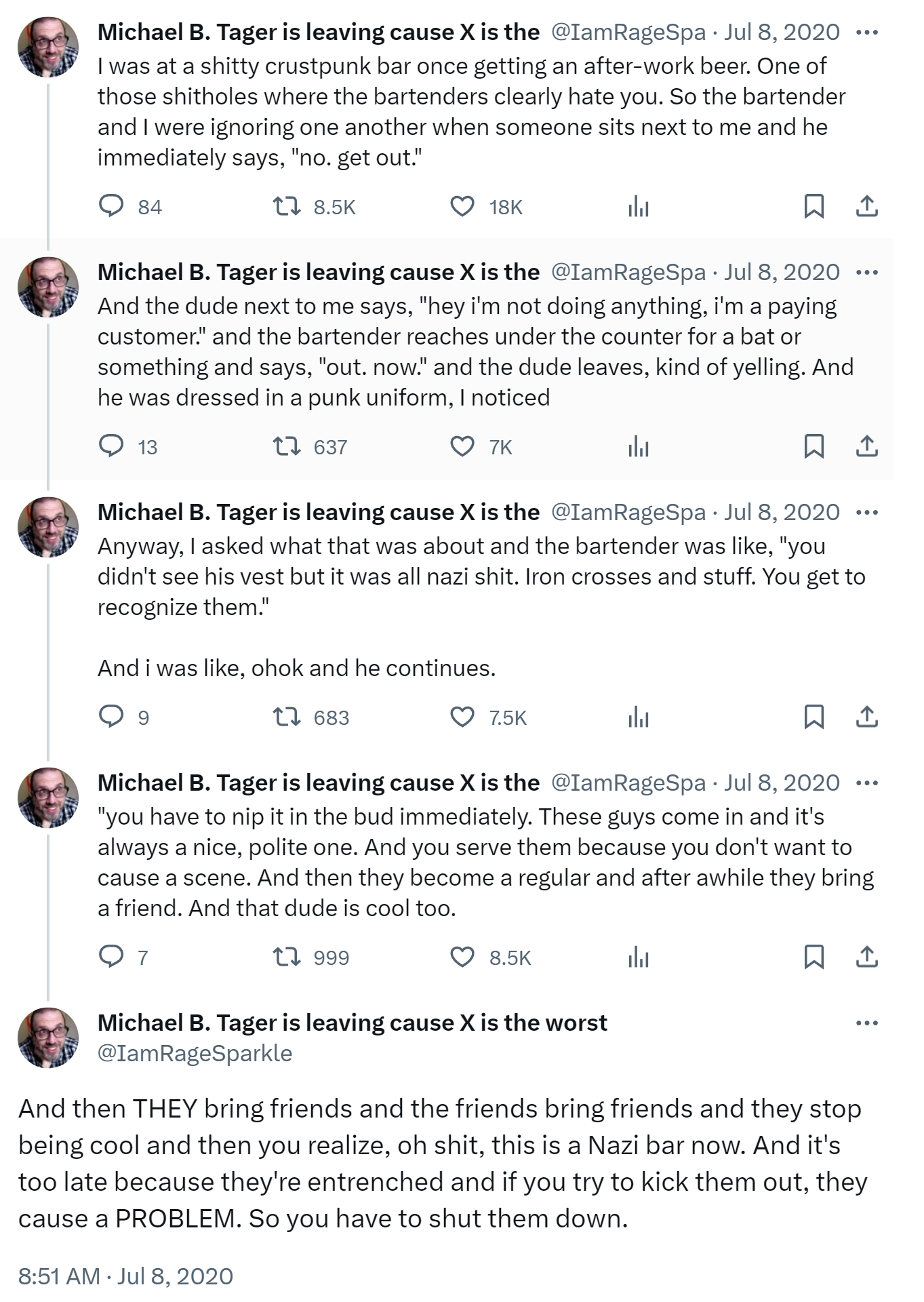
The rapid changes under Musk’s leadership were widely perceived as undermining the platform’s core functionalities and its role as a reliable public square. Critics pointed to a perceived decline in content moderation, leading to an increase in hateful rhetoric, harassment, and conspiracy theories. This phenomenon was vividly captured by a widely circulated analogy that likened platform governance to a bartender’s vigilance against extremist elements. The story describes a bartender’s strict policy of immediately expelling patrons displaying neo-Nazi symbols, explaining that ignoring even a single such individual inevitably leads to their friends joining, eventually transforming the establishment into a "Nazi bar." This narrative, often cited in discussions about content moderation, highlights the critical importance of proactive and consistent enforcement of community guidelines to prevent the normalization of harmful ideologies and the degradation of online spaces. The perceived laxity in content moderation under X’s new management led many users and organizations to voice fears that the platform was becoming increasingly unwelcoming and unsafe for marginalized communities.
Musk himself contributed to the contentious environment through his public statements and actions. He notably linked his acquisition to combating a "trans woke virus," a comment that fueled concerns among LGBTQ+ communities and allies about the platform’s future inclusivity. Such remarks, alongside the reinstatement of numerous previously banned accounts, including those associated with far-right extremism, further alienated a significant portion of the user base and deepened the rifts within the platform’s community. The perception of arbitrary decision-making and a lack of transparency regarding content policies further solidified the view among many that X was no longer a neutral or reliably governed public forum.

From Twitter to X: A Rebranding Amidst Controversy
In July 2023, Musk announced the drastic rebranding of Twitter to "X," retiring the iconic bird logo and replacing it with a minimalist "X." This move was part of Musk’s long-term ambition to transform the platform into an "everything app" similar to China’s WeChat, integrating payments, messaging, and various other services. However, the rebranding was met with widespread confusion and skepticism. Brand equity built over 17 years was seemingly discarded overnight, raising questions about the strategic rationale and the potential for alienating long-time users and advertisers. The abrupt change symbolized for many the final severance from the platform’s original identity and purpose, cementing its transformation under a singular, idiosyncratic vision.
The timeline of key events underscores the rapid and often chaotic nature of this transition:
- April 2022: Elon Musk makes an unsolicited offer to buy Twitter.
- October 2022: Musk completes the acquisition of Twitter for $44 billion. Mass layoffs begin immediately.
- November 2022: Launch of the new Twitter Blue subscription service with paid verification. Numerous impersonation incidents follow.
- December 2022: Suspension of several prominent journalists’ accounts, drawing international condemnation.
- January 2023: Further layoffs, particularly impacting trust and safety teams. Reports of declining advertiser revenue surface.
- April 2023: Legacy blue checkmarks are removed for non-subscribers, leading to confusion and a further push for paid verification.
- July 2023: Twitter officially rebrands to "X," replacing the iconic bird logo.
- Late 2023 – Early 2024: Continued reports of advertiser hesitancy, user migration to alternative platforms, and ongoing content moderation challenges, including a significant drop in ad revenue.
The Exodus: Users, Advertisers, and the Call for Disavowal
The cumulative effect of these changes has been a notable shift in user behavior and a significant blow to the platform’s financial standing. Surveys and analyses from various firms, including Pew Research Center and Sensor Tower, have indicated a decline in active users or a decrease in engagement among remaining users. Many long-time users, disillusioned by the platform’s direction, the increase in toxicity, and the perceived arbitrary nature of policy enforcement, began actively seeking alternatives. This sentiment was encapsulated in a stark call to action by prominent tech figures and former users: "disavow Twitter and never look at it again." The argument posited that continuing to engage with X, or even link to its content, inadvertently feeds the platform the attention it relies on, thereby perpetuating a system deemed unhealthy for mental well-being and public discourse.
Advertisers, the lifeblood of most social media platforms, also reacted negatively. Many major brands, including prominent automotive manufacturers, pharmaceutical companies, and consumer goods giants, significantly reduced or entirely paused their advertising campaigns on X. Their primary concerns revolved around brand safety, the increase in hate speech and misinformation, and the unpredictable nature of platform management. According to data from Pathmatics by Sensor Tower, nine of the top 10 advertisers on Twitter in the U.S. before Musk’s takeover had either stopped advertising entirely or significantly cut their spending by mid-2023. This advertiser exodus has had a severe financial impact, with X’s advertising revenue reportedly plummeting by more than 50% compared to pre-acquisition levels.
The Imperative of Decentralization: A Paradigm Shift
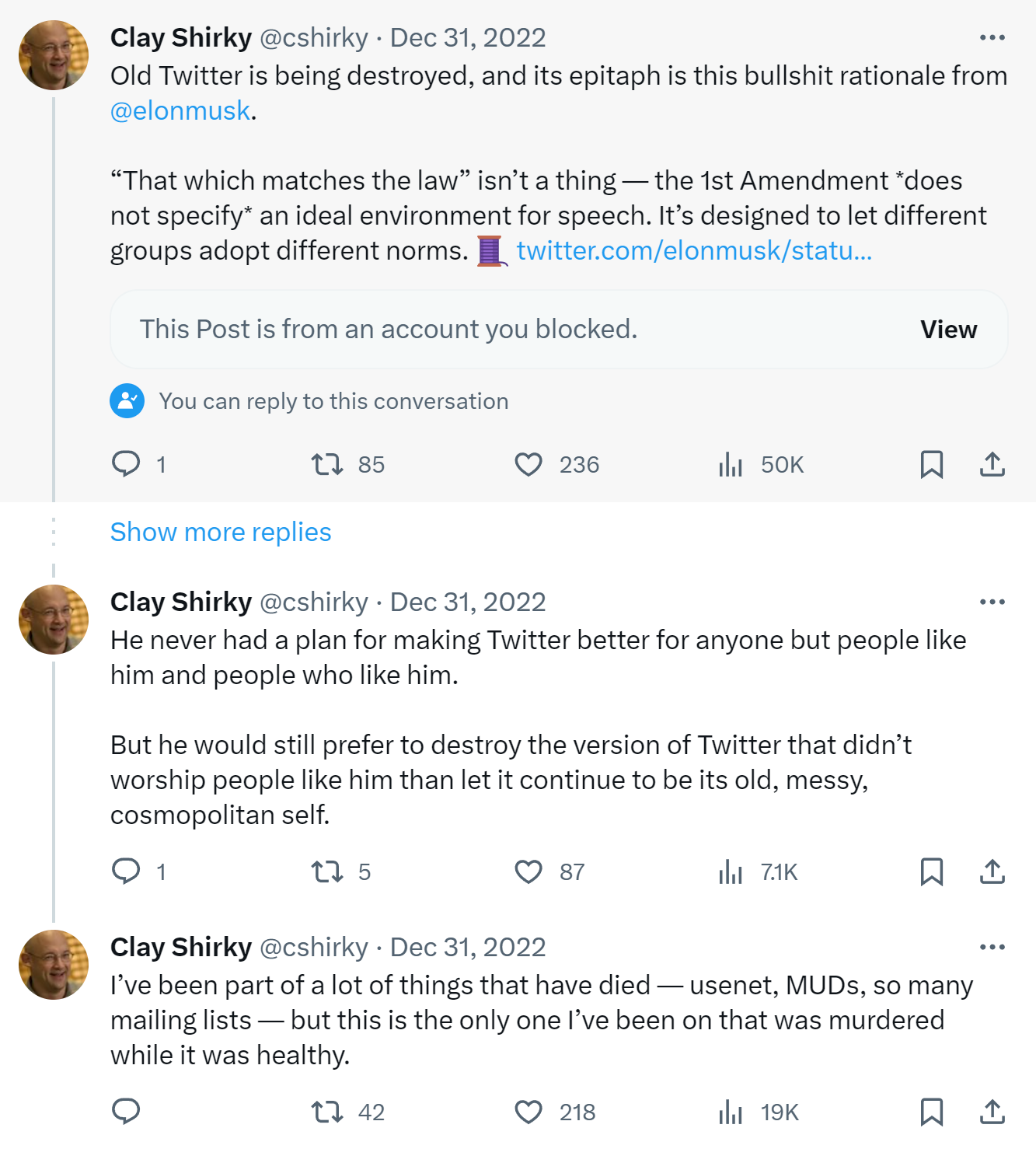
The tumultuous saga of Twitter/X has served as a powerful, albeit unintended, catalyst for a broader re-evaluation of how digital public spaces should be structured and governed. The core lesson drawn by many in the tech community and beyond is the inherent danger of any platform controlled by a single, unchecked authority—a "king, a dictator, a tyrant, a despot, an autocrat." Such centralized control exposes users to the risk of having their content "rug-pulled" (suddenly made inaccessible or devalued) and their communities transformed by the arbitrary whims of a proprietor.
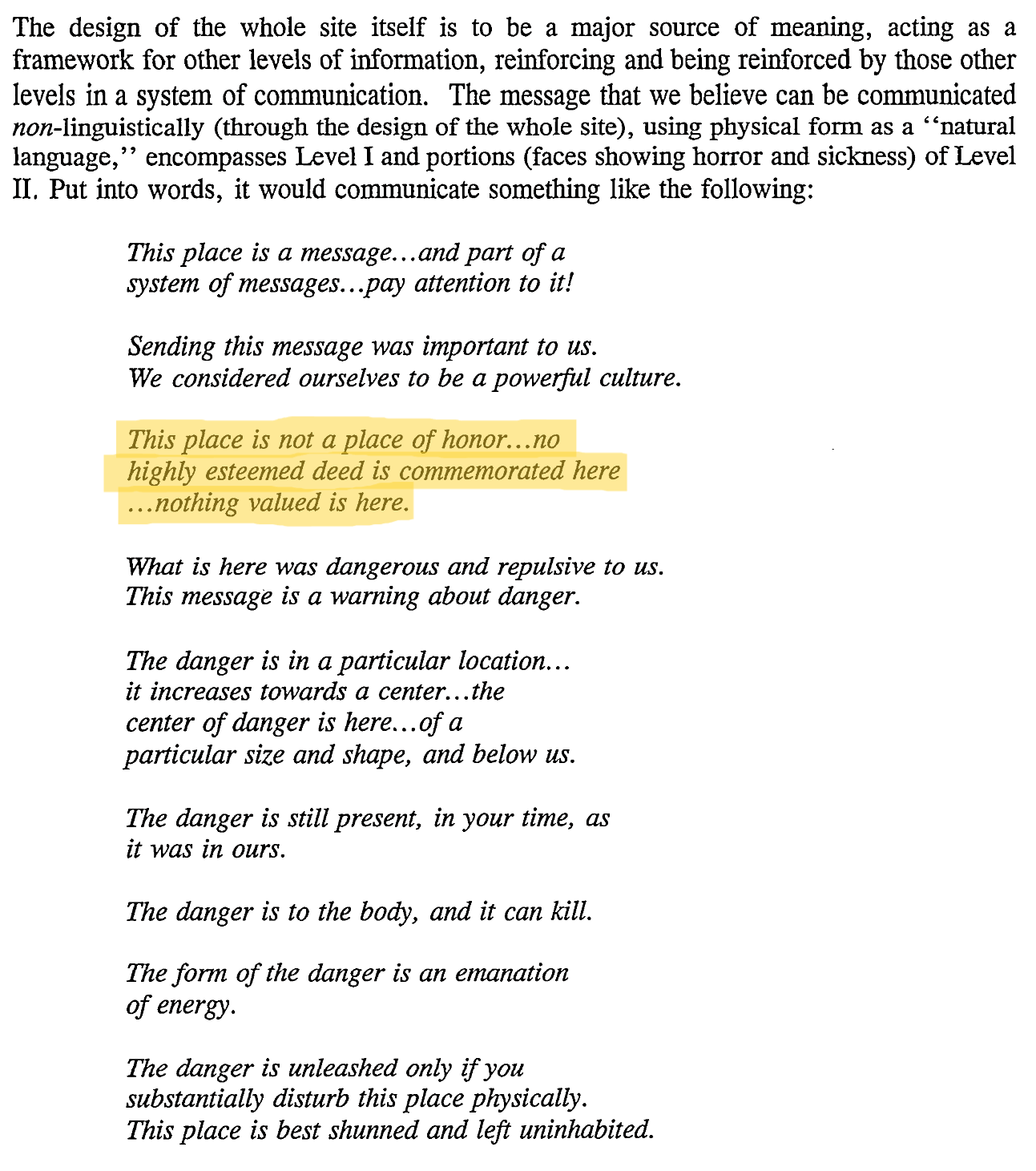
This realization has invigorated the long-standing argument for decentralization. Proponents argue that while sane centralized services certainly have their place, it is "imperative that we also build decentralized services which empower users and give them control," rather than treating them as "digital sharecroppers." The term "digital sharecropper" refers to users who contribute valuable content and data to platforms without true ownership or control over their digital labor, effectively working on someone else’s land without reaping the full benefits.
Decentralized models, such as those employing open-source software and federated networks, aim to distribute power and ownership across multiple entities or individual users. This approach mitigates the risk of a single point of failure or authoritarian control. In a federated system, like the Fediverse (of which Mastodon is a prominent part), individual servers (instances) are independently operated but can communicate with each other. This allows users to choose their community and its specific rules, while still being able to interact with a broader network. If one instance becomes problematic, users can migrate to another without losing their connections or having their content completely erased from the wider network.
Mastodon and the Rise of Alternatives
The disruption at Twitter/X directly fueled the growth of alternative social media platforms, with Mastodon emerging as a leading open-source, federated contender. Mastodon, which predates Musk’s acquisition, experienced a significant surge in user registrations following the acquisition and subsequent changes at Twitter. Its appeal lies in its decentralized nature, community-driven moderation, and a commitment to user privacy and control. Commentators have encouraged users to "join [a] Mastodon server of your choice, or quite literally any other platform besides Twitter." This sentiment reflects a desire for diverse, resilient online spaces that are not susceptible to the arbitrary decisions of a single corporate entity or individual.
Other platforms also saw increased interest, including Bluesky, another decentralized social network backed by Twitter co-founder Jack Dorsey, and Meta’s Threads, which quickly garnered millions of users upon its launch in July 2023, though it operates on a more centralized model. The proliferation of these alternatives, each with its own approach to governance and user experience, indicates a broader shift in user preferences towards platforms that offer greater transparency, stronger community values, or simply a less chaotic environment.
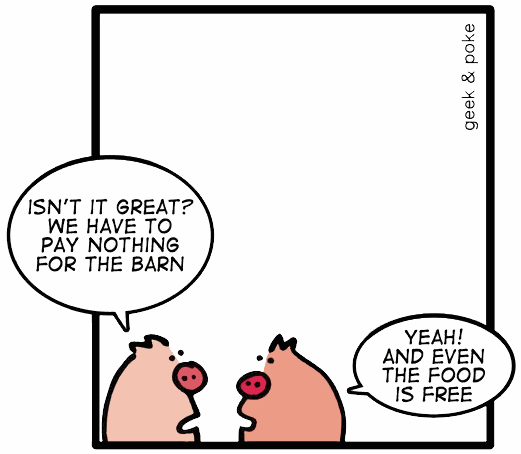
The argument for decentralized and open-source alternatives acknowledges that such systems can be "messy." Democracy itself is often messy, requiring active participation and ongoing effort from its constituents. Similarly, building and maintaining decentralized digital communities demands more engagement and responsibility from users and developers. This stands in contrast to the "free" services offered by many centralized platforms, which, as critics point out, "aren’t really free." Users often pay with their data, their attention, and their susceptibility to algorithmic manipulation and the whims of platform owners. The lesson is clear: true digital empowerment and resilience come at the cost of active participation and, often, a recognition of what is being sacrificed in the name of "free," ultimately yielding greater control and a healthier online experience.
Empowering Users: A Tron-like Philosophy
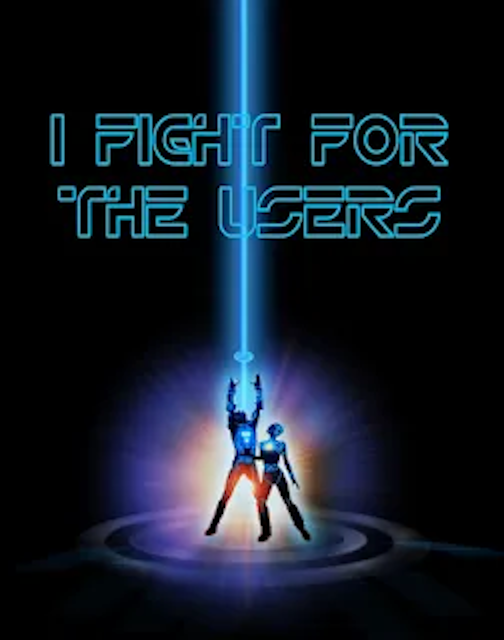
The philosophy driving the push for decentralized platforms echoes a "Tron-like view of the world" where the goal in the software industry should be to "empower users (with strong moderation tools), not exploit them." This perspective advocates for technology that serves humanity rather than controlling it, promoting tools that grant agency and facilitate meaningful interaction, rather than reducing users to passive consumers or data points. Projects like Discourse, a platform designed for building thriving online communities with collective ownership of content and robust moderation tools, embody this principle. They represent an investment in digital infrastructure that prioritizes the health and longevity of communities over the fleeting profits of centralized advertising models.
To further underscore the urgency of this shift and to actively promote alternatives, some prominent tech figures have taken creative steps. For instance, the auctioning of physical plaques commemorating a notable "best tweet of all time" (the "everything happens so much" tweet by @horse_ebooks) with proceeds benefiting The Trevor Project, an organization assisting LGBTQ youth, serves as a symbolic act of disengagement from X while supporting a cause that aligns with principles of inclusivity and community welfare. This initiative not only encourages users to explore platforms like Mastodon (where @horse_ebooks also has a presence) but also highlights a tangible way for individuals to reclaim agency and direct resources towards positive social impact, deliberately bypassing the embattled X platform.
The Future of Digital Public Squares
The transformation of Twitter into X represents a pivotal moment in the history of social media, illuminating the vulnerabilities inherent in highly centralized platforms and accelerating the demand for more robust, user-centric alternatives. The debate extends beyond mere platform preference; it touches upon fundamental questions of digital democracy, free speech, and the societal impact of concentrated power in the hands of a few. As users, developers, and policymakers grapple with these challenges, the emphasis on decentralization, collective ownership, and robust community governance is likely to shape the next generation of online communication. The path forward, while potentially "messy," is seen by many as the "only survivable long term path," ensuring that digital public squares remain spaces for genuine connection, diverse discourse, and true user empowerment. The lessons from X’s tumultuous journey will undoubtedly inform the design and governance of online communities for years to come, advocating for a future where digital citizenship is defined by control, resilience, and shared responsibility.
About the Author