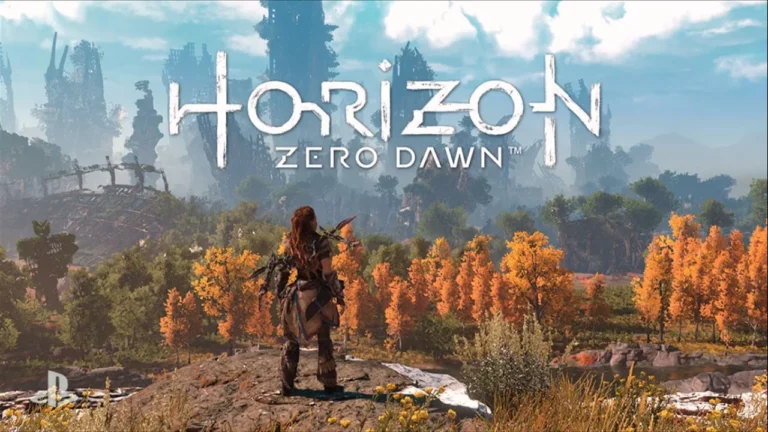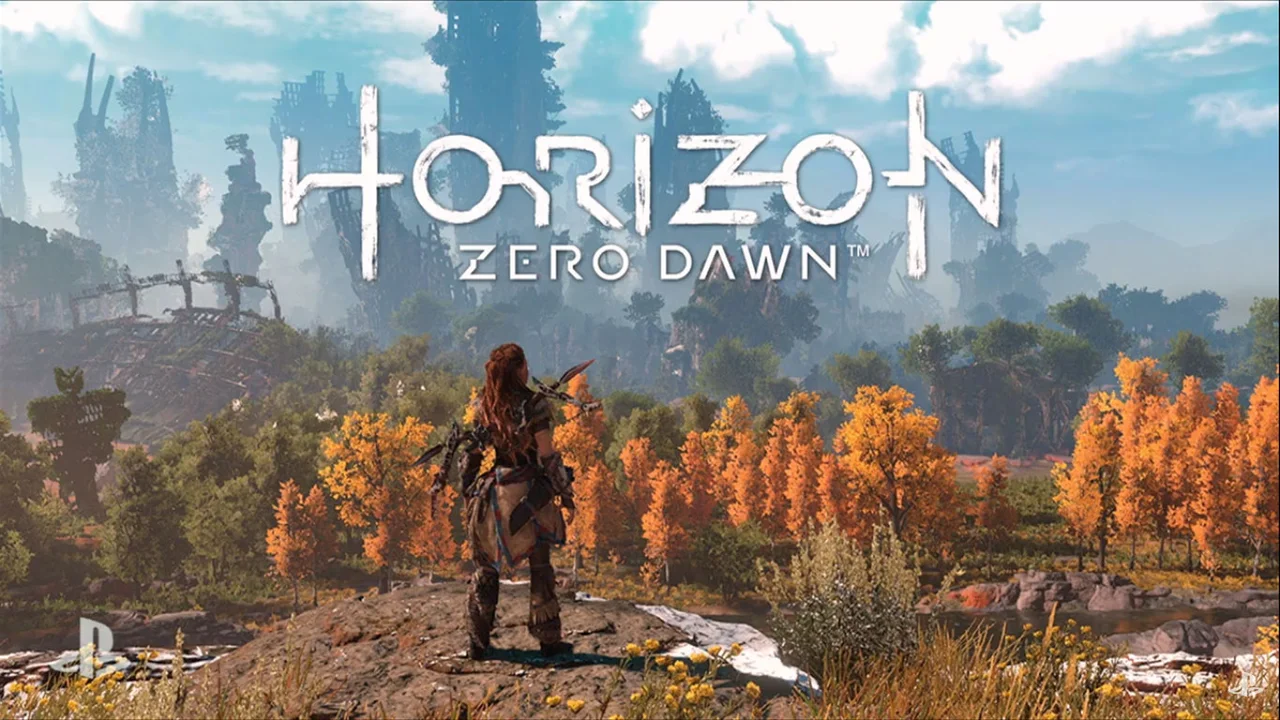
The striking juxtaposition of primitive tribal societies against a backdrop of colossal, technologically advanced robotic wildlife represents a unique narrative premise, one that many might deem challenging to execute effectively. Yet, Guerrilla Games achieved this intricate balance with Horizon Zero Dawn, delivering a critically acclaimed action role-playing game that stands as a testament to exceptional storytelling and innovative world-building. Upon its release, the game garnered widespread praise, with a notable consensus across platforms like Reddit highlighting its compelling writing as one of its foremost strengths. This sentiment was formally recognized when the title received the Outstanding Achievement in Videogame Writing award, solidifying its reputation for a remarkably layered script rich with attitude, riddles, wisdom, and profound detail.
The Genesis of a New Franchise: Guerrilla Games’ Vision
Developed by Guerrilla Games and published by Sony Interactive Entertainment, Horizon Zero Dawn marked a significant departure for the studio, which had previously been known primarily for its linear first-person shooter series, Killzone. The decision to pivot to an open-world action RPG was a bold one, initiated in 2010. The development team embraced the challenge of creating a vast, living world, a complex narrative, and an entirely new combat system. This ambitious undertaking necessitated the evolution of Guerrilla’s proprietary Decima engine, which was meticulously refined to render the game’s expansive environments, intricate machine designs, and dynamic weather systems with breathtaking fidelity. The initial concept, born from art director Jan-Bart van Beek, centered on a beautiful post-apocalyptic world inhabited by robotic dinosaurs, a vision that captivated the team and spurred years of dedicated development. The creative risk paid off, establishing Guerrilla Games as a versatile developer capable of crafting deeply immersive and narratively rich experiences beyond their established genre.
A World Reborn: Unpacking Horizon Zero Dawn’s Rich Lore
The game is set approximately one thousand years after a catastrophic event known as the Faro Plague, which led to the extinction of the "Old Ones" – the advanced civilization that predated the current tribal societies. This post-post-apocalyptic world is characterized by nature reclaiming the ruins of ancient cities, creating a breathtaking landscape where verdant forests intertwine with rusted skyscrapers. Towering mechanical creatures, ranging from agile Watchers to formidable Thunderjaws, dominate this landscape, embodying both a majestic natural presence and a constant threat.
The core of Horizon Zero Dawn‘s lore revolves around understanding the origins of these machines and the true nature of the Old Ones’ downfall. Players uncover the story of Project Zero Dawn, a desperate and covert initiative led by the brilliant roboticist Dr. Elisabet Sobeck. This project was designed as a failsafe to restore life to Earth after the Faro Plague, an uncontrolled swarm of self-replicating, biomass-consuming combat robots, rendered the planet barren. The machines encountered in Aloy’s time are not the destructive Faro robots, but rather terraforming machines, part of Project Zero Dawn’s GAIA system, which were tasked with purifying the environment and re-seeding life. A later corruption, however, turned many of these benevolent machines hostile, creating the dangerous world Aloy inhabits.
Against this backdrop, various human tribal societies have emerged, each with distinct cultures, beliefs, and relationships with the machines. The Nora, Aloy’s adoptive tribe, are matriarchal hunter-gatherers who revere nature and fear the machines, considering them "metal devils." The technologically adept Oseram are known for their craftsmanship and pragmatic approach. The sun-worshipping Carja are a more organized, hierarchical society with grand cities, while the nomadic Banuk are hardy survivalists who view the machines as challenges to overcome. This intricate web of cultures and histories provides a rich tapestry against which Aloy’s personal journey unfolds, adding layers of social and anthropological depth to the game’s futuristic premise.
Aloy’s Journey: The Heart of the Narrative
At the center of this compelling world is Aloy, a young outcast raised by the gruff but loving Rost. Her story begins with a personal quest for identity, as she seeks to uncover the truth about her mysterious origins and the reason for her ostracism from the Nora tribe. What starts as a deeply personal journey soon expands into a grander narrative, as Aloy discovers her unique connection to the ancient past and the looming threat of a second global extinction event, known as the "Derangement."
Aloy’s character is meticulously crafted, possessing an independent spirit, an insatiable curiosity, and a blunt, often sarcastic demeanor. Her skepticism towards tribal lore and superstitions, coupled with her relentless determination, makes her a compelling protagonist. She embodies the thematic explorations of knowledge versus dogma, the individual’s role in collective survival, and humanity’s responsibility towards its legacy and future. As Aloy pieces together the fragments of the Old Ones’ history, she grapples with profound questions about identity, the nature of consciousness, and the choices that define humanity. Her quest transforms from a search for self into a fight to protect a world she never knew existed, elevating the stakes from personal to planetary. The narrative skillfully intertwines her individual growth with the unfolding of the world’s deep lore, ensuring that players are emotionally invested in both her fate and the fate of humanity.
Crafting a Layered Script: The Art of Dialogue and Characterization
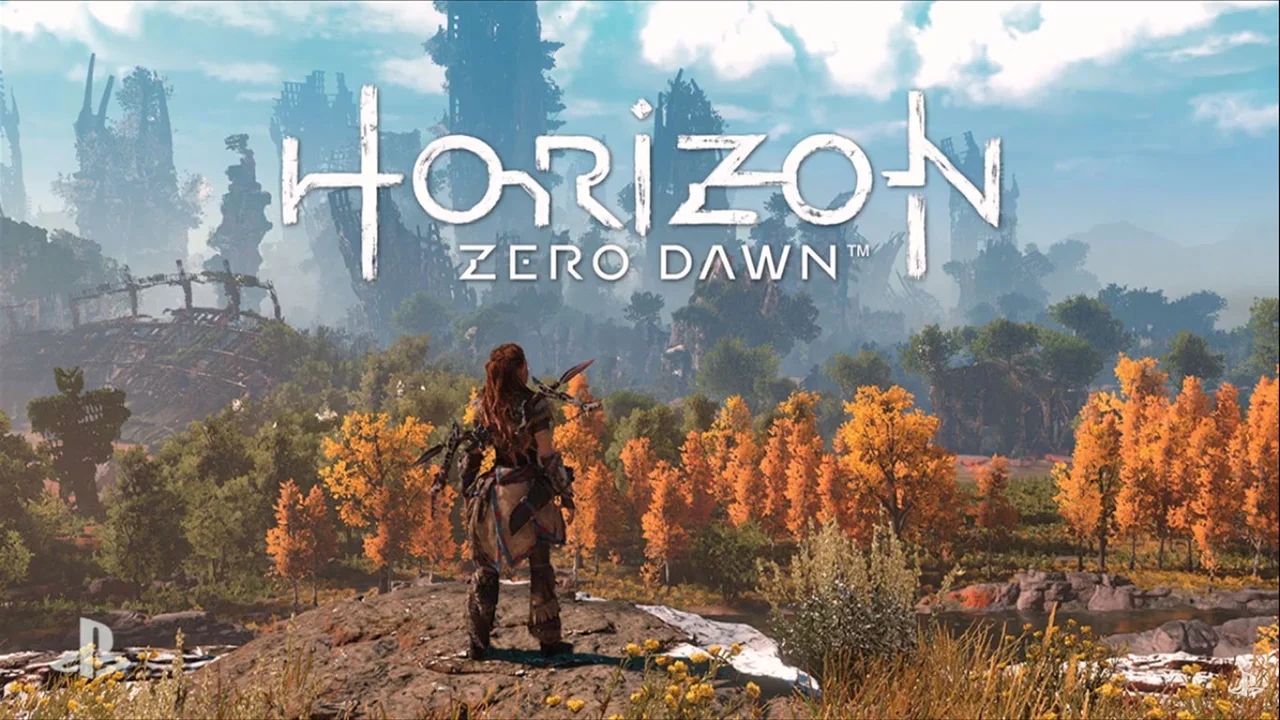
The acclaimed writing in Horizon Zero Dawn is not merely confined to its epic overarching narrative but permeates its character development and dialogue. The game’s diverse cast of characters contributes significantly to its narrative richness, each with a distinct voice and perspective that reflects their tribal background and personal experiences.
Aloy’s dialogue, characterized by its directness and occasional sarcasm, provides insight into her independent and pragmatic nature. She questions assumptions and challenges traditional beliefs, driving both the plot and the player’s understanding of the world. Her interactions with figures like Sylens, an enigmatic and intellectually driven researcher, showcase a fascinating contrast. Sylens, obsessed with uncovering ancient knowledge, provides Aloy with crucial information while also serving as a moral foil, his coldly logical approach often clashing with Aloy’s more empathetic stance. This dynamic interplay between characters, particularly Aloy and Sylens, is central to the game’s philosophical underpinnings, exploring the pursuit of knowledge at any cost.
Even supporting characters like Erend, an Oseram warrior, contribute depth. Erend often provides much-needed levity through his humor and grounded perspective, but his personal struggles and loyalty also reveal layers beyond mere comic relief. The writing ensures that even minor characters leave a lasting impression, offering unique insights into the world’s various cultures and their struggles. The narrative is further enriched by environmental storytelling, audio logs, and holographic recordings left by the Old Ones, which meticulously detail the events leading to humanity’s downfall and the creation of Project Zero Dawn. This blend of direct dialogue, character interactions, and discovered lore creates a narrative that is both expansive and intimately personal, ensuring that the "Outstanding Achievement in Videogame Writing" award was truly merited. The script’s ability to balance exposition with organic discovery keeps players engaged, continuously revealing new facets of the world and its history without feeling overwhelming.
Critical Acclaim and Commercial Triumph: A Timeline of Success
Horizon Zero Dawn made its initial public debut at E3 2015, immediately generating significant buzz for its unique premise and stunning visuals. Following a period of intense anticipation, the game officially launched in February 2017 for the PlayStation 4. Its release was met with near-universal critical acclaim, reflected in an average Metacritic score of 89/100, indicating "generally favorable reviews." Critics lauded its innovative combat, breathtaking open world, compelling narrative, and strong protagonist.
The game’s commercial performance mirrored its critical success. By February 2019, Guerrilla Games announced that Horizon Zero Dawn had sold over 10 million copies worldwide, a monumental achievement for a new intellectual property. This success was further bolstered by the release of its acclaimed expansion, The Frozen Wilds, in October 2017, which added a new region, story content, and challenging machines, further enriching the game’s lore and gameplay experience. In August 2020, Horizon Zero Dawn made its debut on PC, introducing the title to an even wider audience and receiving similarly positive reviews, further expanding its commercial footprint. By the end of 2022, combined sales across PlayStation 4 and PC platforms had exceeded 20 million units, cementing its status as one of PlayStation’s most successful new franchises. This robust sales trajectory, coupled with numerous industry awards beyond writing – including nominations for Game of the Year and wins for Best Original Game – underscored its profound impact on both critics and players.
Industry Impact and Enduring Legacy
Horizon Zero Dawn‘s success had significant implications for Guerrilla Games, PlayStation, and the broader video game industry. For Guerrilla Games, it demonstrated their ability to transcend their established identity as an FPS developer, proving their versatility and creative ambition. The game’s success transformed them into a multi-franchise studio, with Horizon becoming a flagship IP for Sony.
The title set new benchmarks for open-world action RPGs, particularly in its approach to narrative depth and environmental storytelling. It showcased how a compelling story could be seamlessly integrated into an expansive world, encouraging exploration not just for loot or combat, but for lore and narrative progression. Aloy, as a strong, intelligent, and relatable female protagonist, quickly became an iconic figure for PlayStation, resonating deeply with players and critics alike. Her character challenged traditional gaming tropes and contributed to a growing trend of diverse and complex leads in major titles.
The game’s thematic resonance also extends beyond entertainment. Its exploration of environmental collapse, the ethics of artificial intelligence, and humanity’s responsibility for its past and future remains highly pertinent in contemporary global discourse. Horizon Zero Dawn effectively used its futuristic setting to reflect on present-day concerns, adding a layer of intellectual depth often sought in narrative-driven experiences.
Ultimately, Horizon Zero Dawn‘s enduring legacy is evident in its continued popularity and the successful launch of its sequel, Horizon Forbidden West, in 2022. The franchise has expanded into other media, including comic books and a planned Netflix series, signifying its transition into a major multimedia property. The game’s masterful blend of an innovative premise, meticulous world-building, and profound narrative stands as a landmark achievement, solidifying its place as a quintessential title in the modern gaming landscape and a powerful example of what is possible when creative vision meets exceptional execution.
About the Author