The digital content creation landscape is undergoing a profound transformation with the advent of Unreal Engine 5 (UE5) and its integrated MetaHuman character library. This groundbreaking development from Epic Games offers developers, artists, and creators unprecedented access to a vast collection of high-fidelity, production-ready digital humans, all available for free integration into their projects. This initiative democratizes access to photorealistic characters, a capability once reserved for only the most well-funded studios with extensive resources in character modeling and rigging.
The Enduring Challenge of Digital Humans and Epic Games’ Vision

For decades, the creation of truly convincing digital humans has remained one of the most formidable and resource-intensive challenges in computer graphics. Achieving photorealism in characters demands not only immense technical skill but also substantial time investment and significant computational power. Artists typically dedicate hundreds, if not thousands, of hours to meticulously modeling and sculpting intricate details, generating high-resolution textures for every surface, rigging complex skeletal and muscular systems for animation, and developing advanced shaders to realistically simulate properties like skin subsurface scattering, hair translucency, and fabric textures. This painstaking process often necessitates specialized teams of character artists, material artists, riggers, and technical artists, making it a considerable bottleneck for many projects, particularly those operating with limited budgets or tight production timelines.
A persistent psychological hurdle in digital human creation has been the "uncanny valley"—a phenomenon where nearly human but not quite perfect replicas evoke feelings of eeriness, discomfort, or even revulsion in observers. Overcoming this requires an almost obsessive attention to subtle anatomical nuances, micro-expressions, and the complex ways light interacts with various surfaces of the human body. Prior to MetaHumans, achieving this level of fidelity often involved expensive 3D scanning equipment, sophisticated procedural generation tools, and extensive manual cleanup and refinement, all contributing to the high cost and complexity.
Epic Games, a recognized pioneer in real-time 3D technology and the force behind Unreal Engine, identified this industry-wide challenge. Their vision for MetaHumans stems from a deep-seated desire to empower creators by abstracting away much of this inherent complexity. This initiative builds upon Epic’s strategic acquisition of 3Lateral, a company renowned for its cutting-edge digital human technology, and leverages the seamless integration with Quixel Megascans, which boasts the world’s largest library of photogrammetry assets. Together, these elements have set the stage for a new era of character creation. MetaHumans are not merely highly detailed models; they are complete digital characters, featuring meticulously crafted facial and body rigs, advanced hair systems, and sophisticated material shaders that react realistically to light, all designed for real-time performance.
The MetaHuman Promise: Unprecedented Fidelity and Accessibility
The core promise of MetaHumans is to deliver "high fidelity digital humans" that are "free to use as characters in your own projects." This commitment represents a significant paradigm shift, dramatically lowering the barrier to entry for achieving cinematic-quality visuals in real-time applications. Whether the application is video games, virtual production, architectural visualization, or interactive experiences, MetaHumans provide a robust and versatile foundation that can be customized and animated with remarkable ease. The characters come pre-rigged with a comprehensive skeletal and facial animation system, offering compatibility with industry-standard motion capture data and ARKit for facial performance capture. This ensures that MetaHumans can deliver expressive and believable performances right out of the box, greatly enhancing the narrative and emotional depth of any project.
Accessing the MetaHuman Library: A Chronological Guide to Integration
Integrating these advanced digital characters into an Unreal Engine 5 project is designed to be a remarkably streamlined process, leveraging Epic Games’ tightly integrated ecosystem. The journey begins directly within the Unreal Engine editor itself, providing a convenient and efficient gateway to the vast Quixel Bridge library, which serves as the central repository for the MetaHuman collection.
1. Initiating Quixel Bridge within the Unreal Engine Editor:
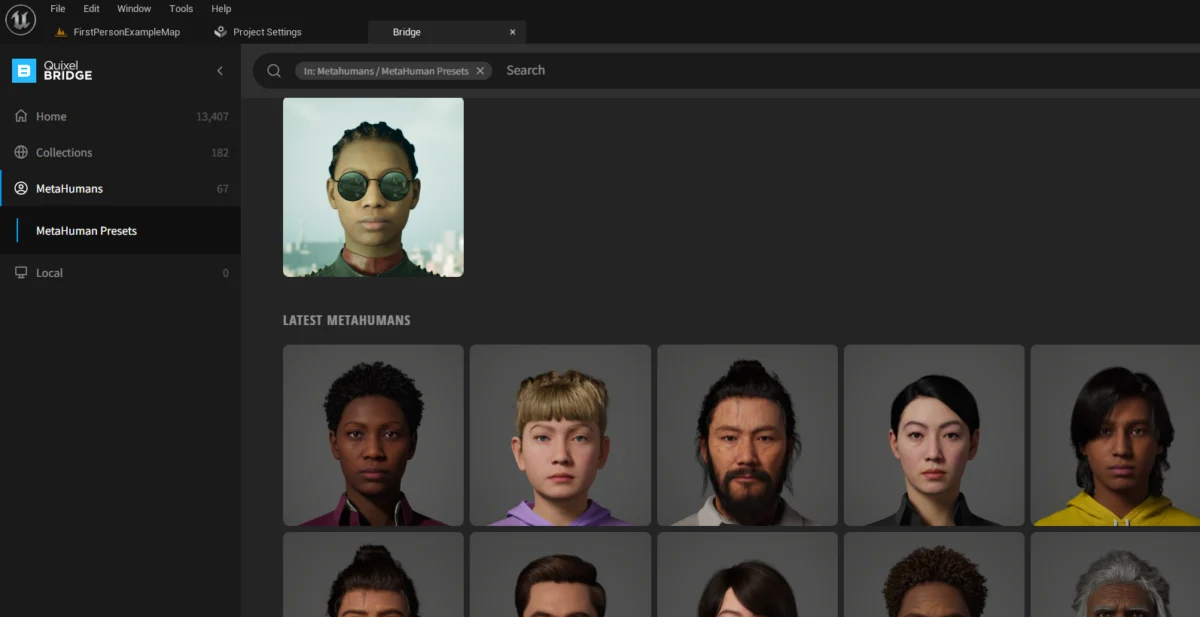
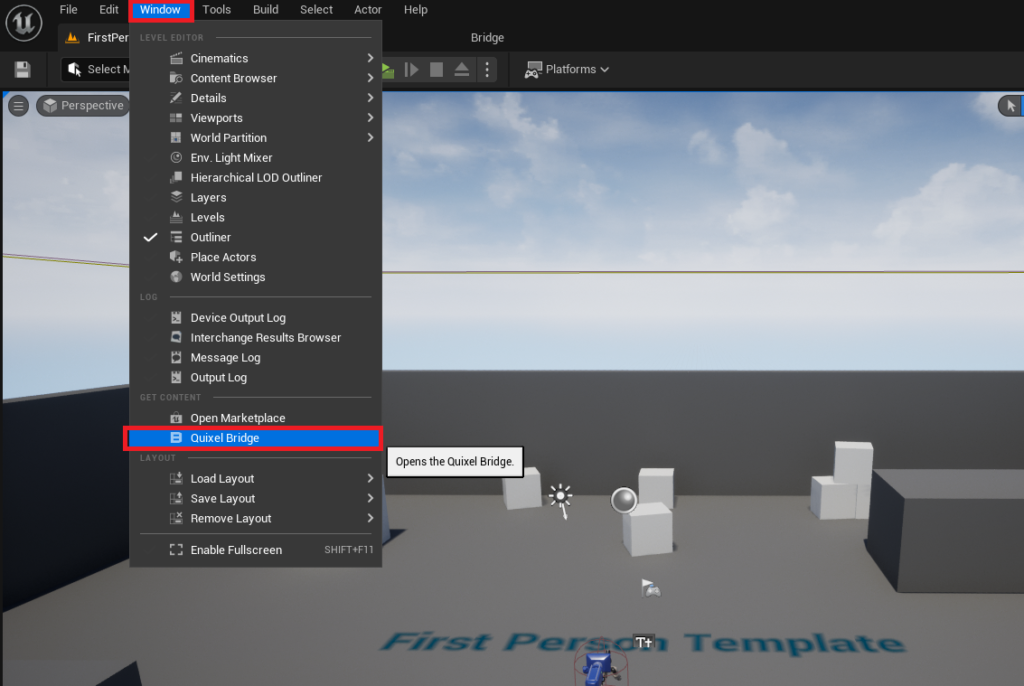
The initial step for any developer seeking to harness the power of MetaHumans is to open the Quixel Bridge directly from within the Unreal Engine editor. This is intuitively accomplished by navigating to the "Window" tab located in the editor’s top menu bar and subsequently selecting "Quixel Bridge." This action launches a dedicated panel or window that functions as the central hub for accessing Epic’s extensive asset libraries, which include the highly detailed Quixel Megascans and, critically, the MetaHuman collection. The deep integration of Quixel Bridge directly into the editor underscores Epic’s strategic approach to providing a cohesive and exceptionally efficient workflow for content creators, effectively eliminating the need to manage external applications for asset procurement.
2. Navigating to the Dedicated MetaHumans Tab:
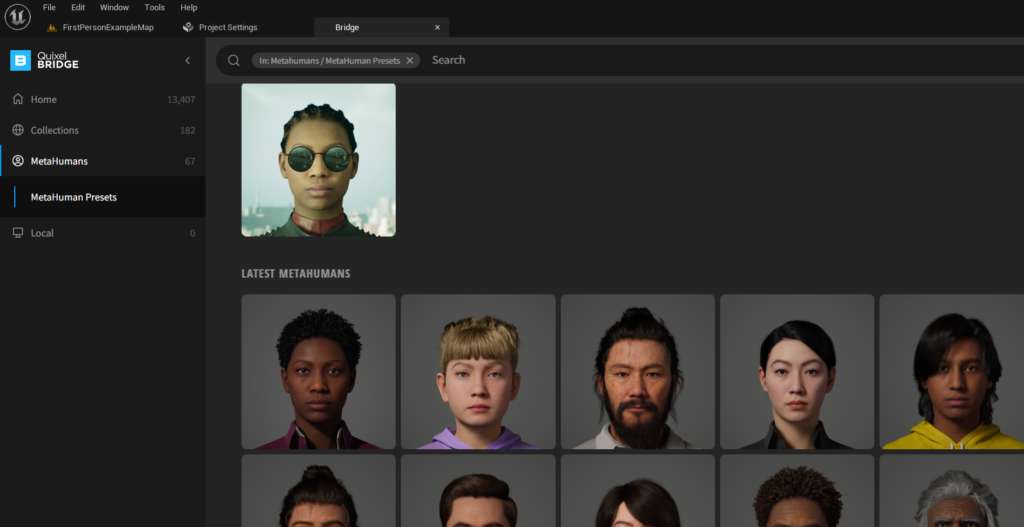
Once the Quixel Bridge interface is active and loaded within the editor, users will observe various tabs specifically designed to categorize the immense library of available assets. To locate and access the digital humans, the user must click on the "MetaHumans" tab. This action instantly filters the vast library, presenting a curated selection of pre-configured MetaHuman characters. This collection prominently displays a diverse array of digital individuals, meticulously crafted to represent varying ethnicities, ages, body types, and stylistic choices, thereby demonstrating the broad spectrum of possibilities available to developers. The interface is highly intuitive, allowing users to effortlessly browse through these stunning examples, each representing a complete, production-ready character. The sheer variety ensures that creators can readily find suitable archetypes for a wide range of narrative or interactive requirements, from primary protagonists to nuanced background crowd characters. The readily available nature of these assets emphatically reinforces Epic’s commitment to significantly accelerating content creation workflows across the board.

3. Exploring the Extensive Pre-configured MetaHuman Library:
Upon successfully entering the MetaHumans tab, developers are immediately greeted with a visually rich grid display showcasing numerous pre-configured MetaHuman characters. These characters are far more than mere static models; they are fully realized digital entities, each boasting intricate skin details, realistically rendered hair, meticulously detailed clothing, and sophisticated underlying rigging systems. This comprehensive library serves as an immediate and invaluable resource for projects that require high-quality human characters without the necessity for extensive custom design work, which can often be time-consuming and costly. The inherent variety within the library ensures that creators can efficiently identify and select appropriate archetypes for a wide array of narrative or interactive demands, ranging from central player characters to believable non-player characters or even large-scale crowd simulations. The immediate availability and high quality of these assets distinctly underscore Epic’s dedication to streamlining and enhancing content creation pipelines for developers of all scales.
4. Epic Games Account Authentication for Library Access:
Before any MetaHuman character can be successfully downloaded and subsequently imported into an Unreal Engine project, users are required to authenticate their access by signing in with their Epic Games account. This authentication step is absolutely crucial for unlocking and accessing the full and expansive breadth of both the Quixel Megascans and the MetaHuman libraries. While Epic Games generously offers these exceptionally high-quality assets free for use with Unreal Engine, account verification is essential for ensuring proper licensing adherence and for tracking general usage data. The "Sign In" button typically becomes visible and active on the bottom right quadrant of the Quixel Bridge window once a MetaHuman avatar has been selected, guiding the user through a standard and secure login process. This seamless integration with the broader Epic Games ecosystem ensures that developers can effortlessly leverage their existing accounts to gain access to premium content, maintaining a unified and user-friendly experience.
5. Downloading and Integrating the Character into the Project:
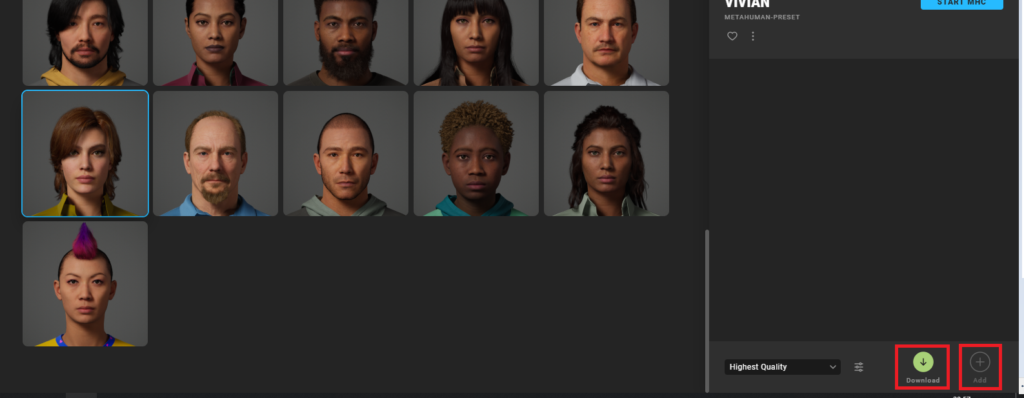
With successful authentication now complete, the process seamlessly transitions to acquiring the chosen MetaHuman. By selecting a specific MetaHuman avatar from the visual grid, users will observe that both the "Download" and "Add" buttons become active and clickable. Clicking "Download" initiates the transfer of the high-fidelity character assets from Epic’s servers to the user’s local machine. This downloading process can potentially take a significant amount of time, primarily due to the substantial file sizes associated with photorealistic digital humans, which encompass numerous high-resolution texture maps, various Levels of Detail (LODs), and extensive rigging data. Once the download operation is successfully completed, the "Add" button becomes readily available. Clicking "Add" then facilitates the direct integration of the MetaHuman assets into the currently open Unreal Engine project, systematically placing all relevant components into the project’s designated content directory.

6. Enabling Required Missing Settings and Plugins:
The successful and optimal integration of MetaHumans frequently necessitates the activation of specific Unreal Engine plugins and the adjustment of certain project settings. As the MetaHuman assets are imported into the project, the editor intelligently performs a scan to detect any missing or inactive dependencies. Notifications will typically appear in the bottom-left corner of the editor interface, proactively prompting the user to "Enable Missing" settings and plugins. These often include essential components such as the "MetaHuman" plugin itself, along with potentially other related plugins crucial for advanced rendering features, realistic hair simulation, or dynamic clothing physics. Activating these necessary components ensures that the engine can correctly interpret, render, and optimally display the complex and detailed MetaHuman assets, guaranteeing their intended visual fidelity and functional performance within the project.
7. Editor Restart for Configuration Application:
Following the enablement of all necessary plugins and settings, the Unreal Engine editor will prompt the user with a "Restart Now" button. This restart is a standard and crucial procedure within Unreal Engine whenever significant project settings or core plugins are modified. The restart allows the engine to fully initialize and apply all the new configurations, ensuring that all MetaHuman-specific functionalities, advanced shaders, and intricate rendering pipelines are correctly loaded and fully operational. This critical step prepares the project environment for the optimal display, manipulation, and integration of the newly added digital characters, preventing potential rendering issues or functionality limitations.
8. Locating the MetaHuman Blueprint in the Content Drawer:
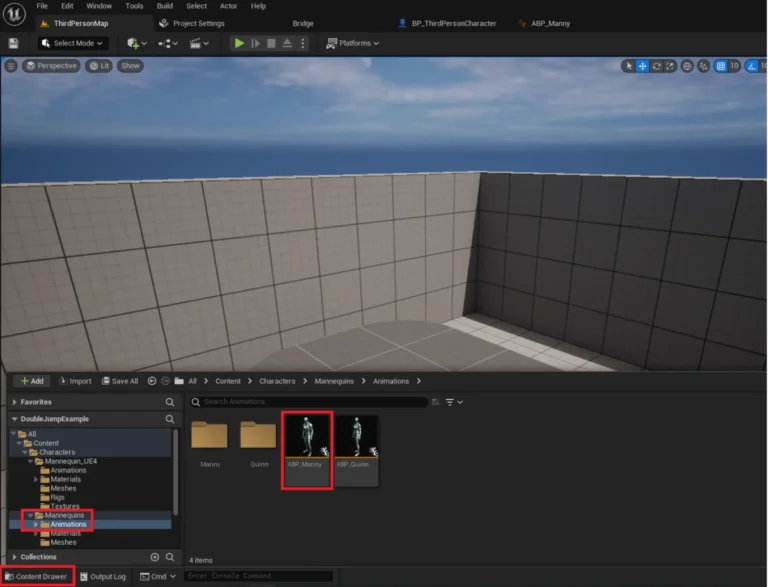
Upon the editor’s successful restart, the newly imported MetaHuman character will be readily accessible within the project’s Content Drawer. Developers can easily navigate to the "MetaHumans" folder, where a distinct subfolder, typically named after the specific MetaHuman chosen in the preceding steps, will be present. Inside this dedicated folder, the core asset representing the MetaHuman is generally found as a Blueprint asset, conventionally prefixed with "BP_." This Blueprint serves as a comprehensive encapsulation of all the MetaHuman’s constituent components: the high-resolution meshes, advanced materials, intricate skeletal rig, detailed facial rig, realistic hair, and dynamic clothing. This makes it a fully configured, ready-to-use asset that can be instantly dragged and dropped into any level or seamlessly integrated into existing character controllers, providing immediate utility for development.
Technical Deep Dive: The Engineering Underpinning MetaHumans
The unprecedented realism and remarkable efficiency of MetaHumans are deeply rooted in several cutting-edge technologies that are integral to Unreal Engine 5’s architecture.
- Nanite Virtualized Geometry: MetaHumans extensively leverage Nanite, UE5’s revolutionary virtualized geometry system. This technology allows for the direct import and real-time rendering of film-quality source art, often comprising millions of polygons. Crucially, Nanite intelligently streams and renders only the necessary detail for pixels on screen, effectively eliminating the laborious and manual process of creating multiple Levels of Detail (LODs). This ensures optimal performance without any compromise on visual fidelity, even when numerous high-detail MetaHumans are present within a complex scene.
- Lumen Global Illumination: The advanced materials and intricate surfaces of MetaHumans benefit immensely from Lumen, UE5’s fully dynamic global illumination and reflections solution. This sophisticated system ensures that light interacts realistically and dynamically with skin, eyes, hair, and clothing. It accurately simulates complex phenomena such as subsurface scattering (where light penetrates the skin and scatters beneath its surface), realistic reflections, and soft, accurate shadows, all of which are absolutely critical for successfully overcoming the uncanny valley effect and achieving believable human representation.
- Advanced Shading Models: MetaHumans employ highly sophisticated skin and eye shaders that are specifically engineered to accurately simulate complex light interactions unique to human biology. This includes advanced subsurface scattering models that mimic how light diffuses through human tissue and intricate reflection models that simulate the complex specular properties of the cornea and iris. Hair is rendered using a dedicated strand-based hair system, providing individual hair strands with realistic physics, dynamic movement, and accurate shading, contributing significantly to overall realism.
- Production-Ready Rigging: Each MetaHuman comes equipped with a complete, production-ready rig for both the body and face. The facial rig alone boasts over 200 meticulously crafted blend shapes, providing an incredible range of nuanced and expressive facial animations. This robust and comprehensive rigging system is fully compatible with industry-standard animation tools and readily supports high-fidelity motion capture data, including advanced facial capture via ARKit. This makes MetaHumans ideally suited for creating performance-driven characters capable of conveying deep emotion and complex expressions.
- Modular Design and Customization Potential: While the initial MetaHuman library offers a substantial collection of pre-configured characters, the underlying architectural design is fundamentally modular. This modularity is particularly evident in the highly anticipated MetaHuman Creator tool (which was in early access or later development stages at the time of the original article’s publication), allowing users to sculpt, combine, and adjust various anatomical parts, modify proportions, and apply diverse stylistic choices to generate truly bespoke digital humans. This inherent modularity means that even the pre-configured characters are composed of separate meshes for the head, body, hair, and clothing, offering extensive flexibility for customization and artistic modification directly within the Unreal Engine environment.
Broader Impact and Transformative Implications

The introduction and free availability of the MetaHuman library within Unreal Engine 5 marks a significant inflection point for multiple industries that heavily rely on digital content creation.
- Game Development: For independent developers and smaller studios, MetaHumans dramatically lower the barrier to entry for creating visually stunning games. They can now incorporate characters that rival the fidelity seen in AAA titles, allowing them to shift their focus from the arduous task of painstaking character art to innovative gameplay mechanics and compelling narrative design. Larger studios can significantly accelerate their character pipeline, utilizing MetaHumans as a high-quality base or for populating environments with secondary characters, thereby freeing up their specialized artists to concentrate on unique hero assets and bespoke designs.
- Film and Television (Virtual Production): The film and television industry, which is increasingly embracing cutting-edge virtual production methodologies, finds immense value in MetaHumans. These digital characters can serve as highly realistic background characters, precise digital doubles for actors, or accurate placeholders during early pre-visualization stages. This significantly streamlines production workflows and substantially reduces the costs traditionally associated with hiring large numbers of extras or executing complex visual effects shots. The real-time rendering capabilities of UE5 mean filmmakers can instantaneously see and direct scenes featuring MetaHumans within virtual environments, fostering greater creative control and efficiency.
- Architectural Visualization and Product Design: Architects and product designers can now infuse their visualizations with lifelike human presence, making proposed spaces and products feel more relatable, dynamic, and lived-in. Instead of relying on generic, static figures, MetaHumans offer believable and expressive occupants that significantly enhance the emotional impact and narrative quality of a rendered scene, allowing clients to better envision themselves within the designs.
- Metaverse and Virtual Worlds: As the concept of the metaverse gains increasing traction and begins to solidify, the demand for high-quality, customizable, and expressive avatars becomes paramount. MetaHumans provide an incredibly strong foundation for future metaverse inhabitants, offering a level of realism and emotional expression that is poised to foster deeper immersion, more meaningful social interaction, and a greater sense of presence in evolving virtual environments. Epic Games’ strategic position at the forefront of this technology positions them as a key enabler for the next generation of digital identities and virtual interactions.
- Education and Training: Beyond entertainment, MetaHumans hold substantial potential in educational and training sectors. They can be employed to create highly realistic virtual instructors, serve as lifelike patients for advanced medical training simulations, or embody historical figures for interactive educational experiences, thereby significantly enhancing engagement, retention, and the overall efficacy of learning modules.
- Ethical Considerations and the Uncanny Valley: While MetaHumans represent a monumental triumph in digital realism, their capabilities also bring renewed focus to significant ethical considerations. The power to create digital replicas that are virtually indistinguishable from real people raises complex questions concerning identity, consent, and the potential for misuse in contexts such as deepfakes or the spread of misinformation. Furthermore, despite the incredible fidelity achieved, the "uncanny valley" remains a subtle yet persistent challenge, albeit one that MetaHumans push closer to overcoming than ever before. Developers and creators must continue to navigate these complexities responsibly and thoughtfully.
Official Responses and Developer Community Reception
Epic Games’ leadership has consistently articulated a clear and unwavering vision of democratizing access to cutting-edge technology. Kim Libreri, CTO of Epic Games, has frequently spoken about the company’s profound commitment to making powerful tools accessible to all creators, regardless of their scale or budget. The strategic release of the MetaHuman library aligns perfectly with this foundational philosophy, providing high-end assets that were once the exclusive domain of top-tier studios to anyone utilizing Unreal Engine.

The developer community’s reaction to MetaHumans has been overwhelmingly positive and enthusiastic. Social media platforms, developer forums, and online communities are abuzz with excitement over the exceptional quality, remarkable ease of use, and transformative potential that MetaHumans bring to their projects. Many independent developers have shared their astonishment at being able to integrate characters of such high visual fidelity into their projects with minimal effort—a feat that was previously considered unimaginable without extensive resources. The "free to use" aspect has been particularly lauded, as it effectively removes a significant financial barrier for aspiring creators and smaller studios, empowering them to compete on a visual level previously unattainable.
**Conclusion: Charting a New Horizon for Digital Story
About the Author