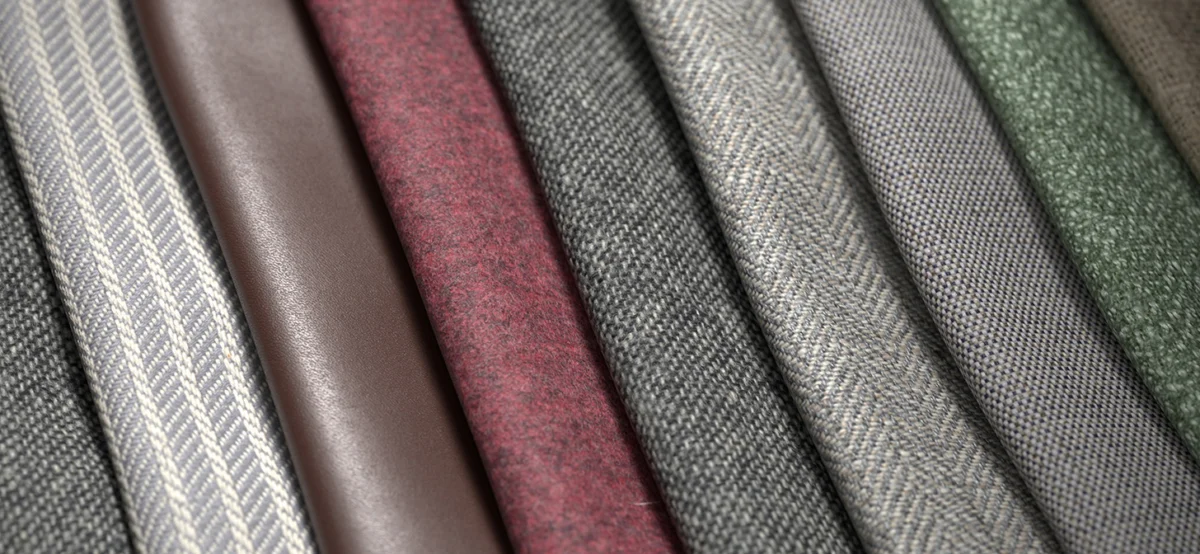
A significant new resource for digital artists, game developers, and 3D modelers has emerged with the launch of the ColorMass library, offering over 100 meticulously crafted Physically Based Rendering (PBR) material scans. This extensive collection, released under a standard royalty-free license, aims to provide creators with high-quality assets that can be seamlessly integrated into a wide range of professional and personal projects without the burden of complex licensing agreements. The initiative, spearheaded by Balint Barlai, seeks to democratize access to premium 3D assets, fostering innovation and efficiency within the creative industries.
Comprehensive Offering for Digital Creation
The ColorMass library distinguishes itself not only by the sheer volume of its initial offering but also by the quality and accessibility of its PBR materials. PBR workflows are the current industry standard for creating realistic 3D visuals, requiring materials that accurately simulate how light interacts with real-world surfaces. This involves detailed maps such as albedo (base color), roughness, metallic, normal, and ambient occlusion, all of which are crucial for achieving photorealistic results. The availability of over 100 such scans means that artists can find a diverse range of textures for immediate use, spanning categories like wood, metal, stone, fabric, and more.
A key aspect of the ColorMass initiative is its commitment to user-friendliness and accessibility. According to the announcement, there is no requirement for users to create an account or undergo any sign-up process. This direct-access model allows for immediate browsing, selection, and downloading of materials. This approach is a departure from many commercial asset marketplaces that often involve account creation, purchase processes, or tiered membership models. The intention is to remove potential barriers, enabling artists to quickly acquire the assets they need to progress with their projects.
Royalty-Free Licensing: A Boon for Creators
The licensing model employed by ColorMass is a significant draw for professionals. The materials are released under a "Standard Royalty-Free license." This means that once acquired, users are granted broad rights to use these materials in their projects. Specifically, the license permits their use in commercial projects, freelance work, personal renders, and even in video games. This level of freedom is invaluable, as it allows for the integration of these high-quality textures into products that can be sold or monetized, without the need to pay ongoing royalties for each use or sale.
However, the license does include standard restrictions designed to protect the integrity of the asset library. Users are expressly prohibited from repackaging, reselling, or redistributing the raw material scans themselves. This ensures that the assets remain exclusive to the ColorMass library and prevents them from being resold as standalone products by third parties. This balance between broad usage rights and protection of the original asset source is a common and effective practice in the digital asset distribution space.
The Genesis of ColorMass: Addressing a Market Need
While the exact inception date and development timeline of the ColorMass library are not detailed in the initial announcement, its emergence can be contextualized within the broader evolution of the 3D content creation industry. The demand for high-fidelity 3D assets has exploded in recent years, driven by the growth of industries such as gaming, virtual reality (VR), augmented reality (AR), architectural visualization, and film production.
The development of PBR workflows, which gained significant traction in the mid-2010s, necessitated a new generation of high-quality texture assets. Many artists and studios found themselves spending considerable time and resources creating or sourcing these materials. This created a market opportunity for providers of pre-scanned or procedurally generated PBR textures. Initiatives like ColorMass are likely born from an understanding of these demands and a desire to contribute to the ecosystem by providing accessible, high-quality resources.
The "Community Reporter" byline suggests that this announcement may have originated from a platform that aggregates news and contributions from its user base, further indicating a grassroots or community-driven aspect to the project. This could imply that the library is either managed by a collective of artists or has been initiated by an individual or small team seeking to contribute to the broader Blender and 3D art community.
Implications for the 3D Art and Game Development Landscape
The introduction of a substantial, freely accessible library of PBR materials has several important implications for the 3D art and game development communities:
- Accelerated Production Cycles: For independent artists and small studios, access to a diverse range of ready-to-use, high-quality textures can significantly reduce the time and effort required for asset creation. This allows them to focus more on artistic direction, scene composition, and other crucial aspects of their projects.
- Lowered Barrier to Entry: The royalty-free and no-signup model democratizes access to professional-grade assets. This is particularly beneficial for students, hobbyists, and emerging artists who may not have the budget for premium asset subscriptions or individual purchases.
- Enhanced Realism: The availability of PBR scans ensures that artists can achieve a higher level of visual fidelity in their renders and game environments. This can elevate the overall quality and believability of digital content.
- Potential for Innovation: With readily available foundational assets, artists can experiment more freely with complex material setups and creative applications, potentially leading to novel visual styles and techniques.
- Increased Competition and Market Saturation: While beneficial for users, the widespread availability of high-quality free assets could also lead to increased competition within the market for 3D content creators. Artists may need to differentiate themselves through unique modeling, animation, or scene design rather than solely on the quality of their textures.
The Technical Backbone: PBR Material Scanning
The creation of PBR material scans involves a sophisticated process that captures the physical properties of real-world surfaces. This typically requires specialized hardware and software:
- High-Resolution Photography: Multiple photographs of a surface are taken under controlled, consistent lighting conditions. This includes capturing the surface from different angles and with varying light polarizations to extract information about its reflectivity.
- 3D Scanning: In some cases, 3D scanners might be used to capture the surface’s micro-geometry, which is essential for creating accurate normal and displacement maps.
- Calibration and Software Processing: Specialized software is used to process the captured data. This involves calibrating the images to account for camera settings, lens distortion, and lighting variations. Algorithms then analyze the images to derive the various PBR texture maps (albedo, roughness, metallic, etc.).
- Quality Control: Each scan undergoes rigorous quality control to ensure that the generated maps are accurate, tileable (meaning they can be seamlessly repeated), and free from artifacts.
The "high-quality" descriptor in the ColorMass announcement suggests that these scans have undergone such a meticulous process, making them suitable for demanding professional applications.
Future Prospects and Community Engagement
The success of a resource like the ColorMass library often hinges on its ability to grow and adapt to the evolving needs of its user base. While the initial launch is substantial, potential future developments could include:
- Regular Updates: Adding new materials to the library on a consistent basis would keep users engaged and provide fresh options for ongoing projects.
- User Feedback and Requests: Implementing a system for users to request specific types of materials or provide feedback on existing assets could foster a sense of community ownership and ensure the library remains relevant.
- Tutorials and Best Practices: Providing resources on how to effectively use PBR materials, particularly within popular 3D software like Blender, could further enhance the value proposition of the library.
- Integration with 3D Software: While not explicitly mentioned, future integrations or plugins that allow for direct importing of ColorMass assets into 3D software could streamline workflows even further.
The announcement’s phrasing, "We hope these assets make a great addition to your toolkit!", suggests a genuine desire to contribute positively to the creative community. This sentiment, coupled with the practical offering of high-quality, accessible assets, positions ColorMass as a potentially valuable new player in the digital asset landscape. The lack of immediate requirements beyond simple download access is a strong indicator of a user-centric philosophy, which is often a recipe for widespread adoption and positive reception within creative communities.
In conclusion, the launch of the ColorMass library represents a significant development for digital artists and creators. By providing over 100 high-quality PBR material scans under a straightforward royalty-free license and an accessible download system, ColorMass aims to empower a wide range of users, from independent artists to larger studios. This initiative addresses a clear market need for efficient access to premium 3D assets, potentially accelerating production workflows, lowering barriers to entry, and ultimately contributing to the advancement of digital art and interactive media. The long-term impact will depend on the library’s continued growth and its ability to foster a strong connection with its user base.
About the Author