The indie game development community recently concluded Ludum Dare 56, the bi-annual game jam that challenges developers worldwide to create a game from scratch within a tight 48 or 72-hour window. Held from October 4th to October 7th, this iteration of the renowned event tasked participants with the theme "Tiny Creatures," inspiring a diverse array of creative interpretations. Following the jam’s conclusion, itch.io, a prominent platform for independent game developers and enthusiasts, has curated a selection of standout titles that exemplify the ingenuity and spirit of Ludum Dare 56, offering a glimpse into the vast potential unleashed by time-constrained creativity.
The Phenomenon of Ludum Dare: A Crucible for Indie Innovation
Ludum Dare, Latin for "to make a game," stands as one of the longest-running and most influential game jams in the world. Initiated in April 2002 by Geoff Howland, it has evolved into a global phenomenon, attracting tens of thousands of participants biannually. The event serves as a crucial incubator for talent, fostering rapid prototyping, experimental design, and community collaboration. Its core premise revolves around a universally chosen theme, announced at the start of the jam, which participants must integrate into their game concepts. The competitive spirit is tempered by a strong ethos of mutual support and learning, with developers often providing feedback on each other’s creations.
The jam operates in two primary categories: the "Compo," a solo endeavor requiring all assets to be created from scratch within 48 hours, and the "Jam," which allows teams and a more relaxed 72-hour timeframe, with the option to use pre-made assets. This structure encourages both individual mastery and collaborative innovation, making Ludum Dare a unique proving ground for emerging and seasoned developers alike. Over the years, countless successful indie games have either originated from or been heavily influenced by Ludum Dare entries, underscoring its impact on the broader independent gaming landscape. The sheer volume of submissions—often exceeding 2,000 to 3,000 games per event—highlights the enduring appeal and vibrant energy of this community-driven initiative.
itch.io’s Curatorial Insight: Spotlight on Emerging Talent
As a digital distribution platform focused on independent video games, itch.io plays a pivotal role in showcasing and supporting the indie development scene. Its open marketplace, ease of use for developers, and robust community features have made it a preferred hub for game jam participants to upload and share their creations. itch.io’s editorial team frequently highlights exceptional titles, offering invaluable exposure to games that might otherwise get lost in the vast sea of submissions. Their "Recommends" series, therefore, carries significant weight, acting as a trusted guide for players seeking high-quality, innovative experiences from the cutting edge of indie development. By featuring these games, itch.io not only celebrates the developers’ achievements but also reinforces the platform’s commitment to fostering a thriving ecosystem for independent creators.
Ludum Dare 56: "Tiny Creatures" Unleashed
The theme "Tiny Creatures" for Ludum Dare 56 presented a fascinating design challenge, prompting developers to explore concepts ranging from microscopic life forms and insects to miniature humanoids and fantastical beings. This theme encouraged creative interpretations of scale, perspective, and the challenges or advantages inherent in being small. Submissions reflected a wide spectrum of genres, from intricate puzzle-platformers and strategic roguelikes to contemplative narrative adventures and innovative idle simulations. The theme’s inherent flexibility allowed for both literal and abstract interpretations, leading to a rich tapestry of gameplay experiences. The following selections from itch.io highlight some of the most compelling and imaginative responses to the "Tiny Creatures" mandate.
Featured Selections: A Deep Dive into "Tiny Creatures"
Among the thousands of entries, a handful of games have particularly captured the attention of itch.io’s curators, demonstrating exceptional creativity, polish, or thematic resonance within the strict confines of the jam. These titles showcase the remarkable diversity of ideas that can emerge when talented developers tackle a singular concept.
TINY PACK
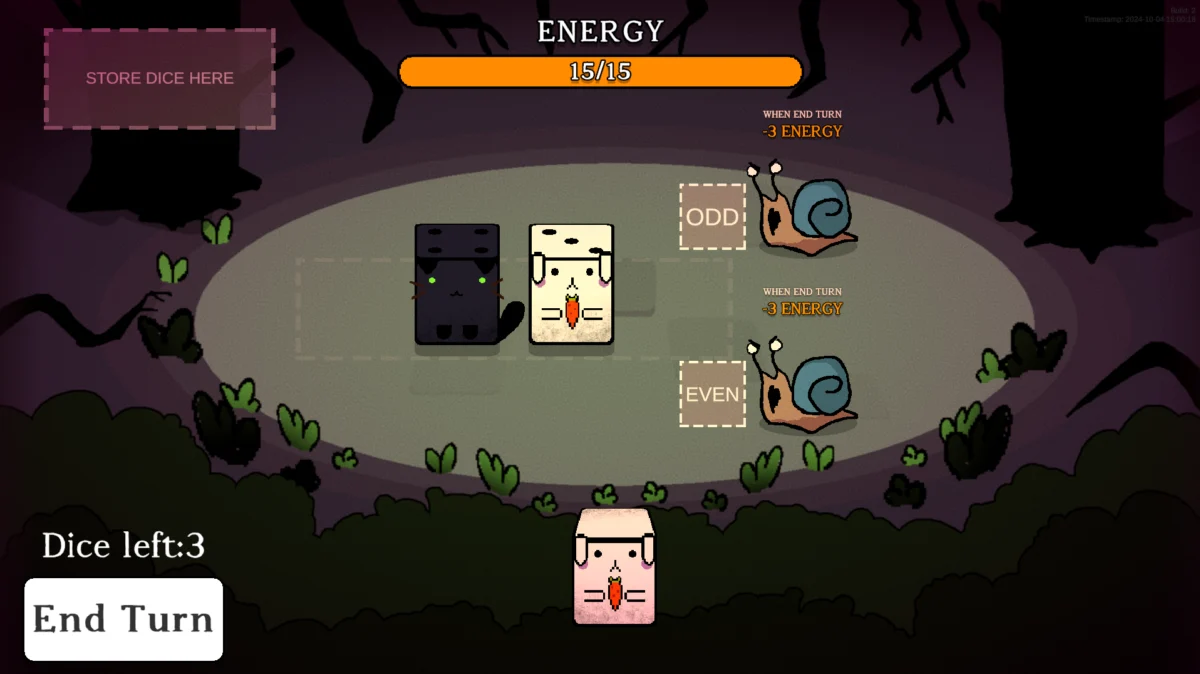
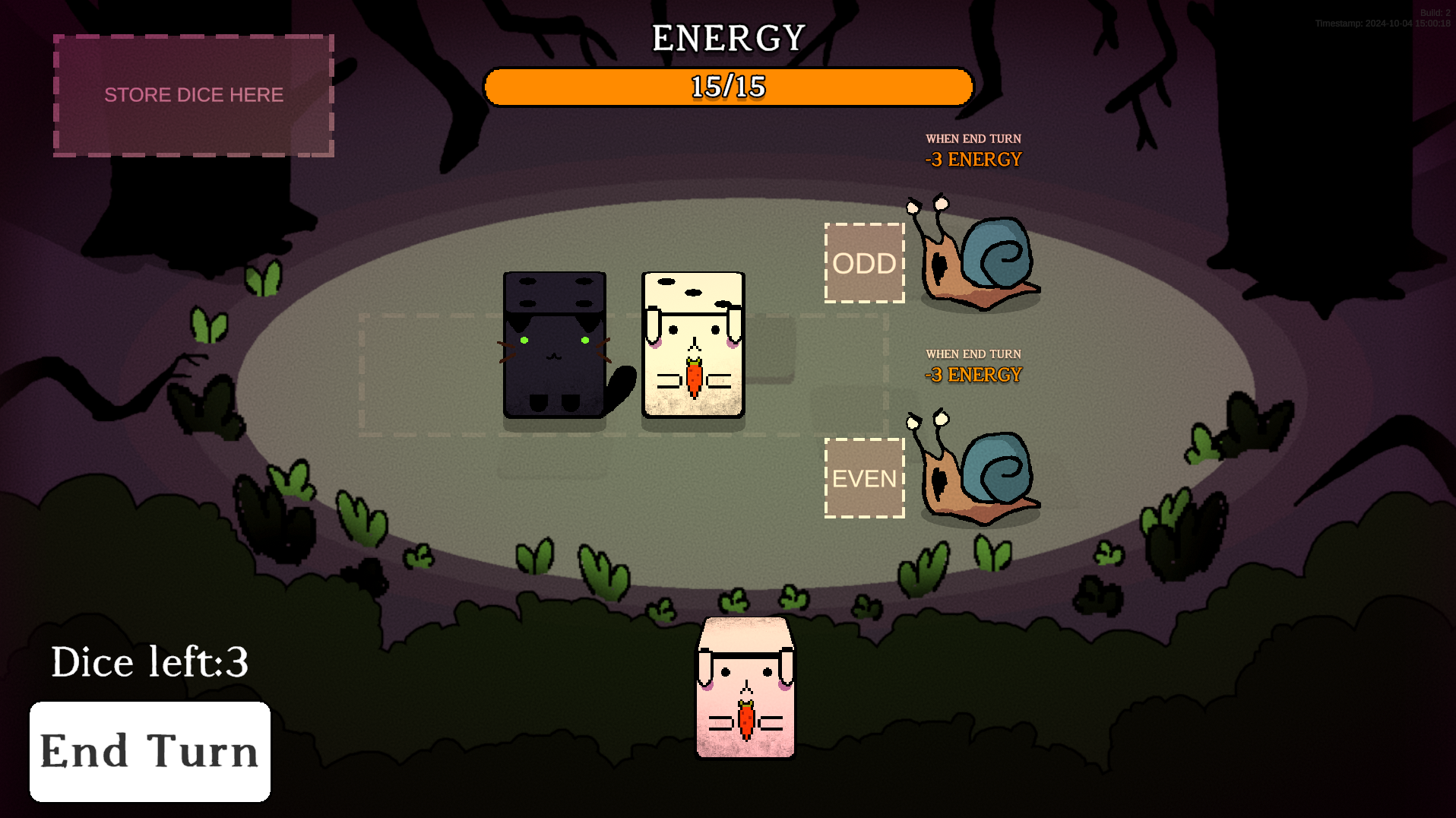
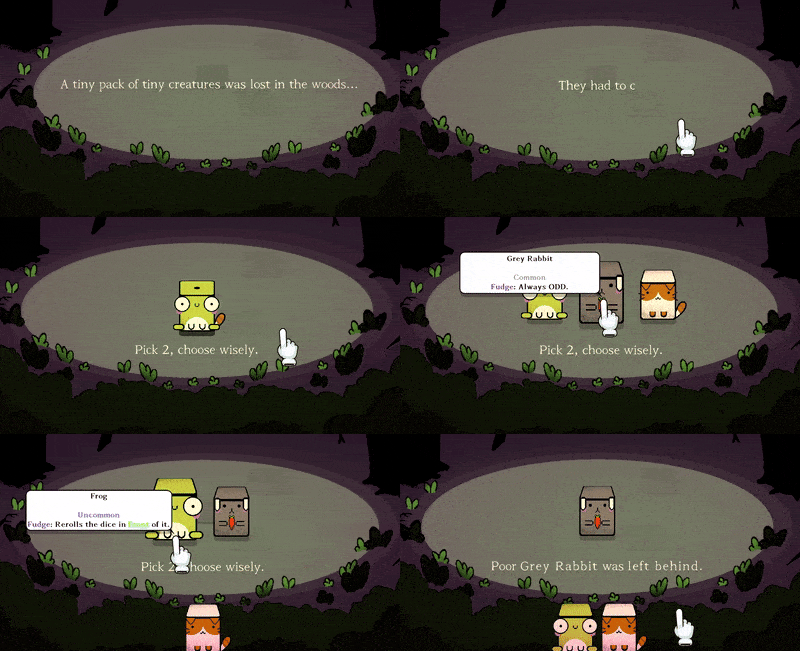
TINY PACK emerges as a compelling roguelike adventure that skillfully weaves together disparate elements into a cohesive and engaging experience. Players are thrust into the role of guiding a resilient pack of tiny creatures through a perilous woodland environment. The core gameplay loop integrates dice mechanics, where the outcome of encounters and the activation of abilities are determined by dice rolls, adding an element of calculated risk and chance. Beyond simple dice rolls, the game incorporates deck-building elements, allowing players to strategically assemble and refine their creature’s abilities and actions over time. This combination introduces significant strategic depth, as players must adapt their tactics to overcome dynamically generated obstacles and enemies. The turn-based strategy combat further enhances the tactical layer, requiring careful planning and resource management. Visually, TINY PACK employs a charming pixel art style that effectively conveys the miniature scale of its protagonists and the whimsical nature of their forest journey, making it an immediately appealing and replayable browser-based title.
Butterjar
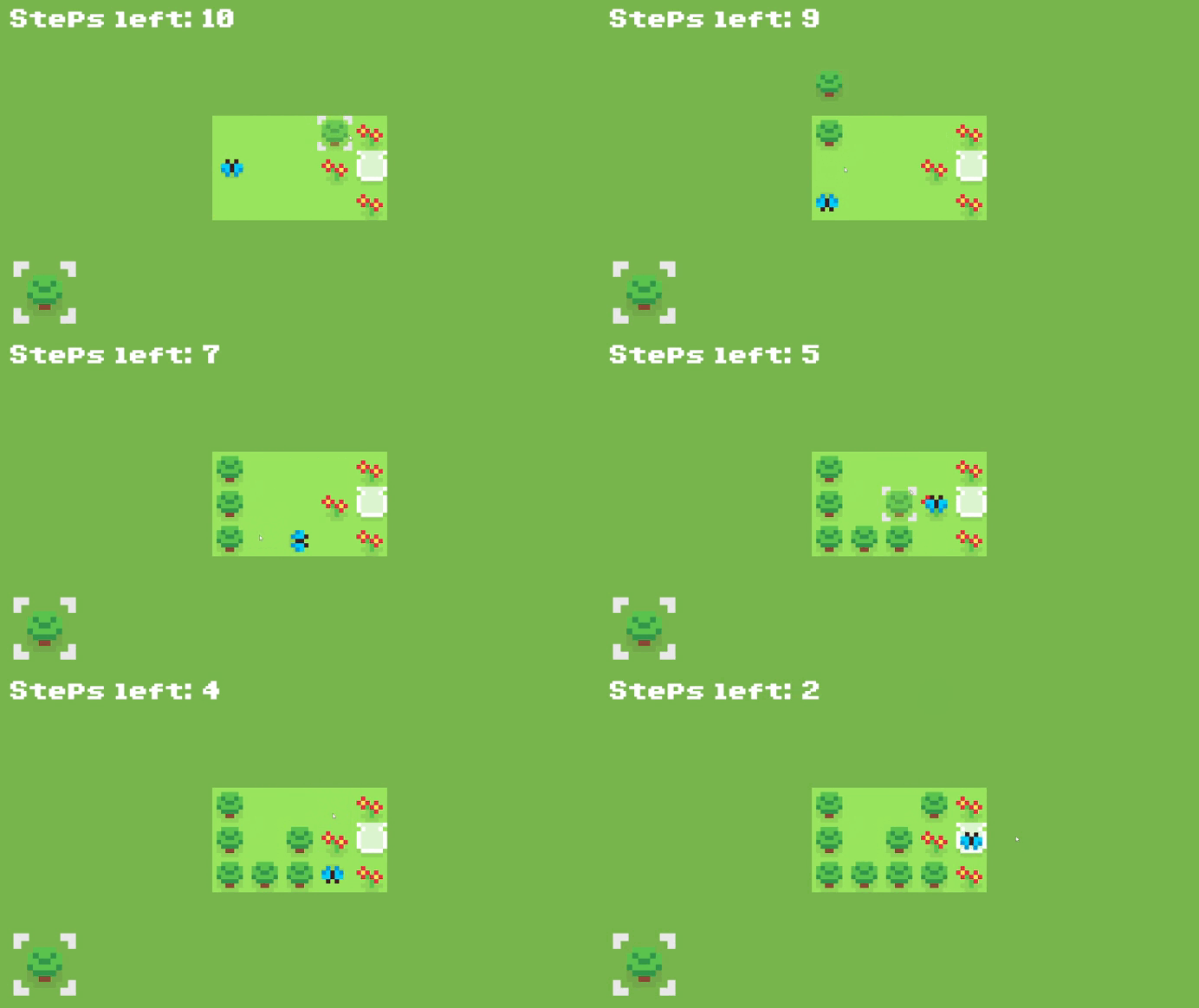
A testament to the power of simplicity and elegant design, Butterjar is a concise yet captivating puzzle game. In this experience, players are tasked with the delicate objective of guiding a butterfly into a jar. The game’s mechanics are straightforward, focusing on environmental manipulation and precise movement to navigate a series of increasingly complex levels. With 13 meticulously designed levels, Butterjar offers a satisfying challenge that can typically be completed within approximately ten minutes, making it an ideal candidate for short, engaging play sessions. Its browser-based accessibility further enhances its appeal, allowing players to jump directly into the experience without any downloads. The game’s minimalist aesthetic and clear objective ensure that the focus remains squarely on the clever puzzle design, providing a polished and enjoyable experience within its constrained scope.

GO BLO
GO BLO presents a unique take on the "Tiny Creatures" theme by focusing on the collective power of a growing troop of miniature blue people. In this puzzle game, players lead their burgeoning crowd through various levels, with the primary goal of amassing a sufficiently large following to overcome environmental obstacles. The central mechanic revolves around the concept of numerical strength: certain puzzles or barriers can only be cleared if the player has gathered enough followers. This dynamic encourages exploration and strategic pathfinding to maximize the group’s size. The game’s visual presentation is distinct, utilizing a simple yet effective style that clearly communicates the movement and aggregation of the blue blobs. As players progress, the puzzles become more intricate, demanding careful planning to ensure the troop not only grows but also navigates complex layouts, making GO BLO an intriguing browser-based experience that leverages its core mechanic effectively.
Slimeow Game
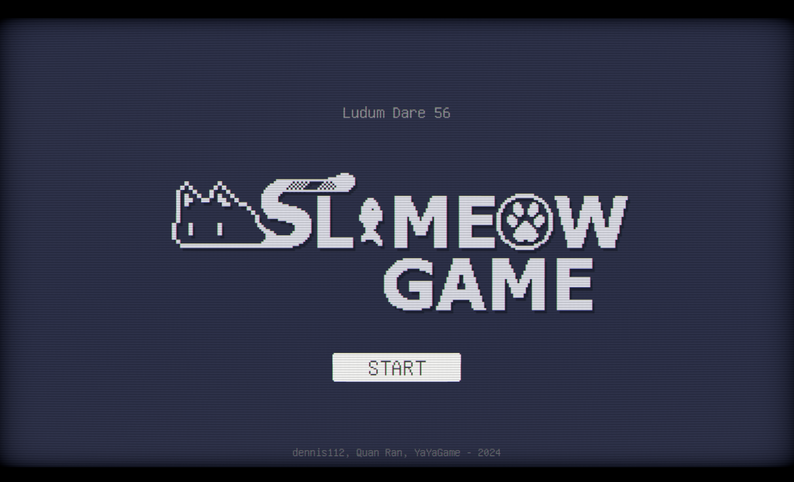
Combining the strategic depth of tower defense with the addictive progression of incremental gameplay, Slimeow Game offers a multifaceted experience. Players are put in charge of a colony of adorable slime creatures, known as "slimeows," whose primary directive is to collect fish from their pond. This collected resource is crucial for breeding more slimeows, thereby expanding the colony. However, the burgeoning slimeow population is not without its threats; invading "bobtails" periodically attempt to raid the pond, necessitating the construction and strategic placement of defenses. The game thus cycles between resource gathering, population management, and defensive strategy. Its browser-based nature ensures broad accessibility, and the visual design, while functional, clearly communicates the various units and their roles. Slimeow Game provides a surprisingly deep and engaging experience for a jam title, demonstrating a strong understanding of genre fusion.
A very small seed
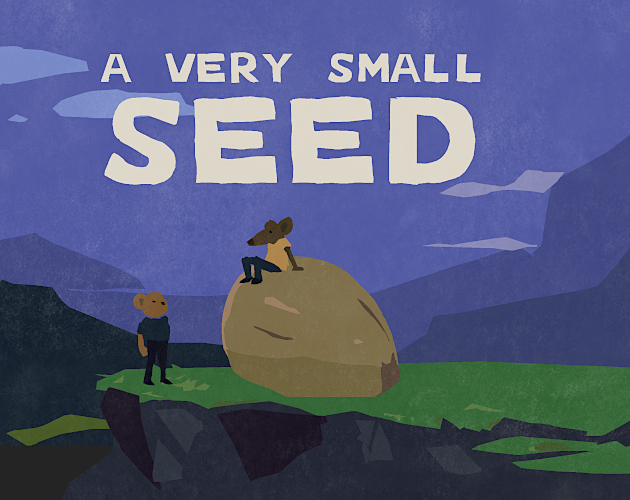
Embracing the narrative potential of the "Tiny Creatures" theme, A very small seed offers a hand-drawn adventure that is both visually charming and emotionally resonant. The game follows the journey of two tiny creatures embarking on a quest to bring a minuscule seed back to its rightful home. This interactive experience is characterized by its evocative art style, which adds a personal and intimate touch to the world. Players guide the protagonists through a series of environmental puzzles and overcome various obstacles, each contributing to the overarching story. The game is designed as a short, impactful experience, focusing on conveying a sense of scale, vulnerability, and perseverance. Its browser compatibility makes it easily accessible, allowing players to immerse themselves in this unique, heartfelt tale without barrier.
Critter Switcher
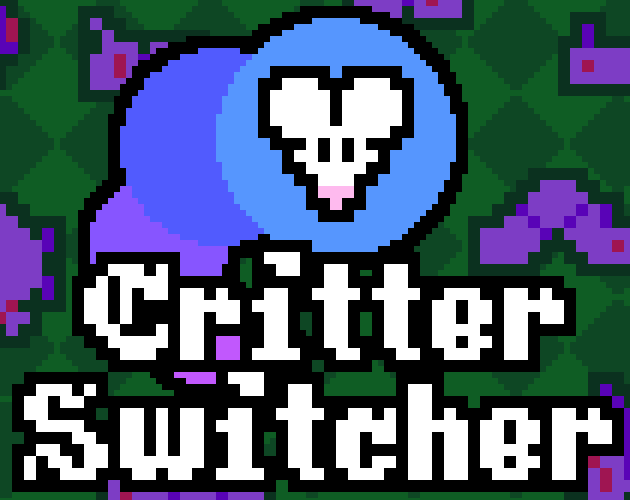
Critter Switcher is a pixel-art roguelike that transports players into a charming, yet challenging, garden environment. The game tasks players with guiding a mouse protagonist through intricate pixelated landscapes, with the objective of finding and rallying its "posse" – other tiny critters scattered throughout the garden. True to the roguelike genre, players can expect procedurally generated levels, permanent death (or significant setbacks), and a focus on strategic decision-making in real-time or turn-based combat/exploration. The "Critter Switcher" mechanic likely implies the ability to switch between different tiny creatures, each possessing unique abilities that are crucial for navigating obstacles or engaging in combat. The pixel art style is both nostalgic and effective, creating an immersive miniature world ripe for exploration and discovery.
Candyween
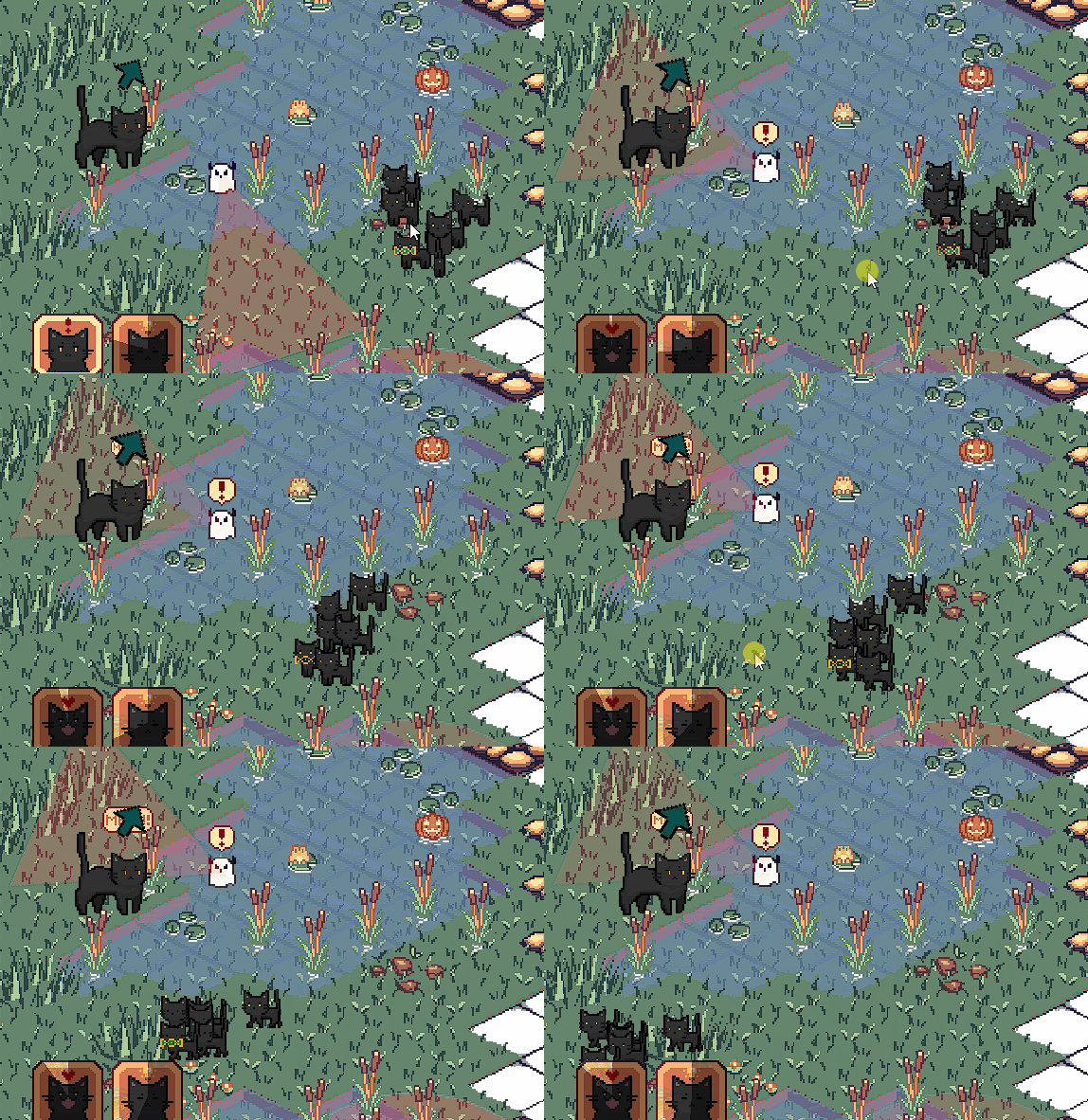
Perfectly timed for the season, Candyween is a Halloween-themed puzzle-platformer that injects a dose of festive charm into the "Tiny Creatures" theme. Players assume the role of a cat, assisting a friendly witch in her quest to recover scattered candies. The game features an appealing isometric pixel art style, providing a unique perspective on its spooky environments. Levels are designed as intricate mazes, where players must navigate around various obstacles and adversaries, including mischievous ghosts and patrolling dogs. The puzzle elements often involve environmental interaction and clever maneuvering, requiring players to utilize the cat’s abilities to outwit foes and reach the elusive candies. Candyween successfully blends its thematic elements with solid puzzle-platforming mechanics, offering a delightful and seasonally appropriate browser-based experience.
Tiny Apple
Tiny Apple offers a minimalist yet engaging take on the idle simulation genre, interpreted through the lens of "Tiny Creatures." In this unique game, players are tasked with generating "love" within a city using incredibly simple, one-button gameplay. The game’s mechanics are designed for passive progression, where small, iterative actions lead to larger outcomes over time. The "tiny" aspect could refer to the scale of the actions, the creatures performing them, or the initial impact that grows exponentially. As players generate more love, the city presumably flourishes or expands, creating a sense of growth and accomplishment from minimal input. Tiny Apple provides a contemplative and stress-free experience, perfect for those who enjoy the satisfying progression of idle games, all playable directly in their browser.
Combo Critters
For fans of strategic card battling, Combo Critters delivers a robust experience centered around its titular tiny creatures. This game challenges players to assemble and deploy teams of critters, each possessing unique abilities and attributes. The core gameplay revolves around creating powerful "combinations" by synergizing the abilities of different critters, aiming to overwhelm and defeat opponents. The strategic depth comes from deck construction, anticipating opponent moves, and executing well-timed combos. The game’s design emphasizes tactical thinking and resource management, offering a compelling competitive experience. While many Ludum Dare entries are browser-based, Combo Critters is available as a free download for Windows, suggesting a potentially deeper feature set and more robust performance, appealing to players looking for a dedicated card battler.
Would You Still Love Me?
Would You Still Love Me? stands out as a poignant narrative adventure that delves into the emotional and relational implications of the "Tiny Creatures" theme. The game explores a unique premise: what happens if your partner unexpectedly transforms into a tiny creature? This question forms the emotional core of the experience, prompting players to confront themes of love, acceptance, change, and commitment. The gameplay likely involves interactive storytelling, dialogue choices, and exploration of environments from a new, altered perspective. The game’s visuals, while simple, effectively convey the intimacy and vulnerability of the situation. By focusing on a deeply personal and human story within a fantastical context, Would You Still Love Me? offers a thought-provoking and emotionally resonant experience that can be played in a browser, making it accessible to a wide audience.
The Broader Impact of Game Jams and itch.io
The curated selections from Ludum Dare 56 serve as a powerful testament to the vibrant creativity and technical prowess within the independent game development community. Events like Ludum Dare are more than just competitions; they are vital cultural touchstones that drive innovation, foster skill development, and strengthen community bonds. They provide a low-stakes environment for developers to experiment with new ideas, test unconventional mechanics, and rapidly prototype concepts that might otherwise take months or years in traditional development cycles. The tight deadlines force participants to prioritize core mechanics and iterate quickly, often leading to surprisingly polished and focused experiences.
Platforms like itch.io amplify the impact of these jams by providing an accessible and supportive ecosystem for distribution and discovery. By actively promoting standout games, itch.io not only rewards the hard work of individual developers but also inspires future participants and enriches the broader indie gaming landscape. The diversity of genres and interpretations seen in the "Tiny Creatures" theme underscores the incredible adaptability and imaginative spirit of the Ludum Dare community. From strategic card battlers to heartfelt narrative explorations, these games demonstrate that even with severe time constraints, developers can deliver experiences that are both innovative and deeply engaging.
The ongoing success of Ludum Dare and the continued support from platforms like itch.io ensure a dynamic future for indie game development. These events are crucial for unearthing new talent, validating experimental approaches, and ultimately, enriching the global gaming culture with fresh perspectives and unique interactive experiences.
To explore these recommended titles and many more creative interpretations of the "Tiny Creatures" theme, players are encouraged to visit the dedicated Ludum Dare 56 tag on itch.io. The platform also hosts an extensive archive of all games tagged "Ludum Dare," offering an unparalleled historical record of this enduring celebration of game development. The community is invited to share their own Ludum Dare 56 submissions or highlight other favorite games from the jam, further contributing to the collective discovery of these tiny, yet mighty, creations.
About the Author