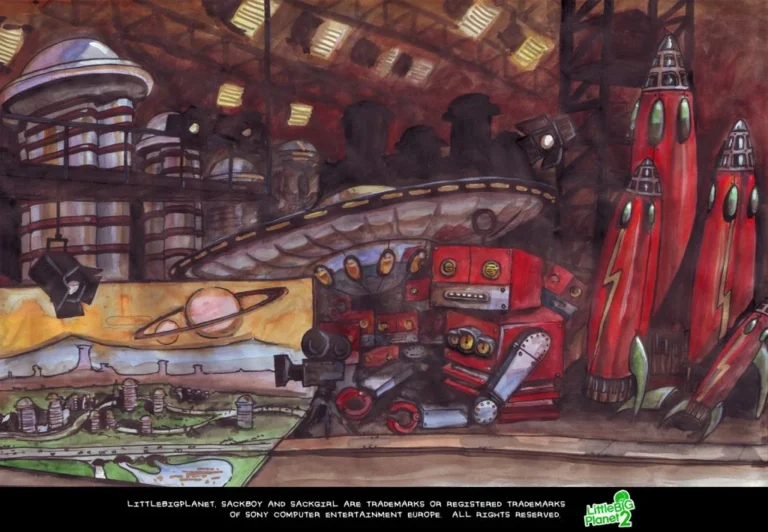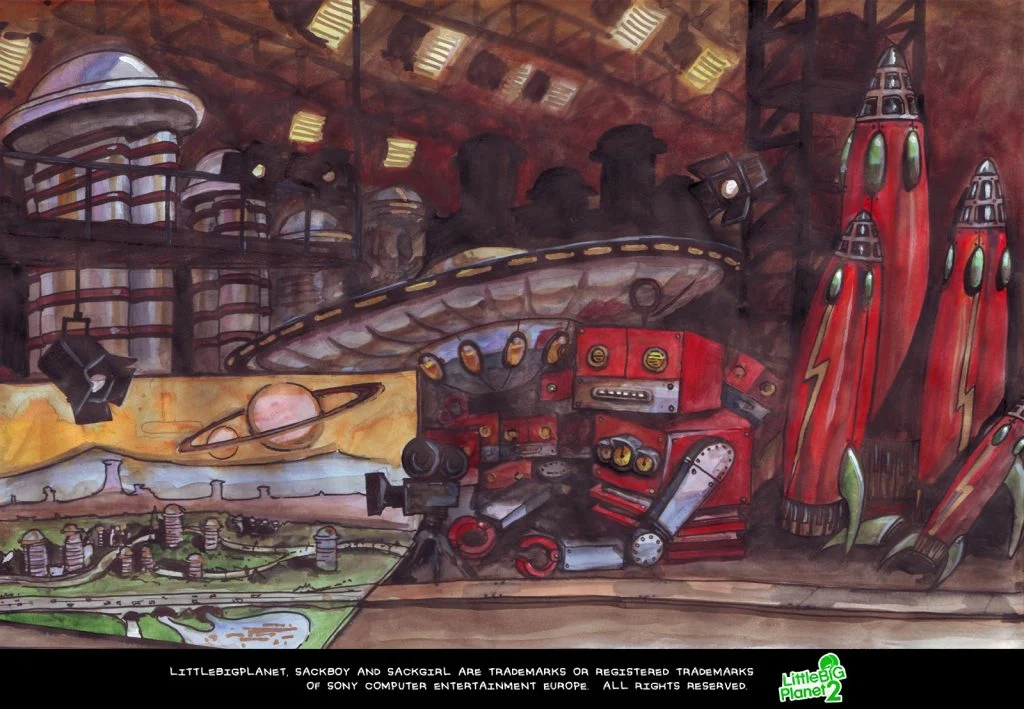
The recent tenth anniversary of LittleBigPlanet 2 has prompted a retrospective look at the game’s rich auditory landscape, particularly its licensed soundtrack. This exploration delves beyond the familiar melodies that defined the game, unearthing a treasure trove of music considered, curated, and ultimately set aside, offering a unique glimpse into the creative process that shaped one of PlayStation’s most beloved titles.
A Sonic Journey Through LittleBigPlanet 2
Ten years on, LittleBigPlanet 2 continues to resonate with players, not only for its innovative gameplay and boundless creativity but also for its distinctive soundtrack. The game’s sonic identity was meticulously crafted, drawing from a diverse range of licensed tracks that complemented its whimsical aesthetic and narrative themes. This anniversary provides a fitting occasion to revisit the decisions behind the music selection, acknowledging both the tracks that made the final cut and those that, for various creative reasons, remained in the archives.
The original LittleBigPlanet established a precedent for integrating licensed music, a philosophy that was not only maintained but expanded upon for its sequel. The development team faced the dual challenge of honouring the legacy of the first game while forging a new sonic identity for LittleBigPlanet 2. This involved a rigorous evaluation process, where countless tracks were considered to find those that best evoked the game’s evolving thematic core.
The Core Soundtrack: Familiar Melodies of a Science-Fiction Odyssey
The licensed soundtrack of LittleBigPlanet 2 is a carefully curated collection of music that players will recognize from their in-game experiences. It’s important to note that this collection also implicitly includes all licensed music from LittleBigPlanet 1, a necessity for ensuring backwards compatibility with player-created levels from the previous title. However, for clarity and focus, these tracks have been excluded from the dedicated playlists to highlight the unique sonic contributions to the sequel.
A significant challenge in compiling these playlists, particularly for platforms like Spotify, is the availability of specific versions of tracks. The development team often licensed instrumental versions, remixes, or edits that were not widely distributed through official channels. These exclusive arrangements, often sourced from platforms like YouTube, underscore the bespoke nature of the game’s audio design, where even familiar songs were tailored to fit the specific needs of the gameplay and aesthetic. The distinction between in-game versions and readily available alternatives highlights the intricate work involved in securing the precise sonic textures desired by the developers.
The Alternate Universe Soundtrack: Unheard Melodies of What Might Have Been
Beyond the familiar, LittleBigPlanet 2 had a rich "alternate universe" of music that was considered but ultimately did not make it into the final game. This collection represents a fascinating exploration of the creative decisions made during development. Many of these tracks were deemed unsuitable not due to a lack of quality, but because they diverged from the carefully defined creative vision for the game’s progression and thematic elements.

The process of selecting music for a game is rarely linear. It involves extensive iteration, where potential tracks are tested against evolving gameplay mechanics, art direction, and narrative beats. From the development team’s perspective, the majority of these "alternate" tracks were set aside due to creative choices that steered the game in a particular direction. In rare instances, a desired track might have been unattainable due to licensing complexities, leading to a sense of wistful regret for a piece that could have perfectly complemented the game. The existence of these playlists offers players a unique opportunity to experience the road not taken, providing insight into the iterative nature of game development and the subjective artistic choices involved.
The "Brief Says No" Soundtrack: Creative Rejections and Missed Connections
The "Brief Says No" playlist is a testament to the rigorous filtering process undertaken to ensure every piece of music aligned with LittleBigPlanet 2‘s core identity. These tracks, while often possessing merit and artistic integrity, were ultimately deemed not to fit the specific brief or evolving direction of the game. Many of these suggestions emerged during the early stages of development, when ideas were more fluid and visual mock-ups were used to explore potential concepts.
As the game’s vision became more refined, certain musical choices that initially seemed promising were re-evaluated. Tracks that worked well in isolation or in linear video presentations sometimes failed to translate effectively into the interactive and dynamic environment of a game. The criteria for selection evolved to prioritize music that not only enhanced the atmosphere but also possessed the necessary energy and pacing to support gameplay. Despite not making the final cut, these tracks are recognized for their intrinsic value, offering a rich listening experience that showcases the breadth of musical exploration undertaken by the development team.
A Decade of Sonic Impact: Enduring Emotional Resonance
The author’s reflection on the music of LittleBigPlanet 2 highlights the profound and lasting emotional impact of carefully chosen soundtracks. Even over a decade later, certain tracks evoke the same powerful feelings and memories as they did during the game’s development. This enduring connection speaks to the power of music to transcend its original context and become inextricably linked with cherished experiences. The ability of these melodies to "make the hairs on the back of my neck stand up" is a testament to their effectiveness in capturing the intended spirit of the game, a spirit that the author notes often felt more potent during the creative process than in the final shipped product. This sentiment underscores the subjective and deeply personal nature of artistic creation and appreciation.
The Genesis of a Sonic Identity: From "Journey Around the World" to "Science Through the Ages"
The conceptual framework for LittleBigPlanet 2‘s soundtrack differed significantly from its predecessor. While LittleBigPlanet 1 was guided by the high-level direction of "a journey around the world," LittleBigPlanet 2 embraced a more abstract and ambitious theme: "science through the ages," or perhaps more accurately, "science fiction through the ages." This thematic shift presented unique challenges and opportunities for the music department.
The new direction provided fertile ground for the art department, allowing for diverse and imaginative visual designs. However, translating this broad concept into tangible musical choices proved more intricate. The approach taken was to delve deeply into the specifics of the art direction, identifying the underlying ideas and emotions that the visuals evoked. Musical analogies were then sought to reinforce these feelings. While the original score focused on characterization, drama, and exposition, the licensed soundtrack aimed to complement these elements by establishing a distinct atmosphere and reinforcing the thematic concerns of science, sci-fi, and temporal exploration. This allowed for a more focused and cohesive sonic identity for the licensed music.
Navigating the Sci-Fi Genre: A Balancing Act of Tropes and Originality
A key concern during the early stages of LittleBigPlanet 2‘s development was to acknowledge and utilize the established musical tropes of the science fiction genre without succumbing to pastiche. The goal was to create a soundtrack that felt both familiar and fresh, drawing on the conventions of sci-fi while injecting its own unique flavour.

To achieve this balance, a target was set to ensure "no more than 50% of the soundtrack being electronic in nature." This decision was strategic, recognizing that player-created levels would not be bound by such aesthetic restrictions. By maintaining a diverse musical palette, the developers ensured that players would have a broader range of sonic inspiration for their own creations. The overarching objective was to retain the successful elements of the first game’s soundtrack while imbuing the sequel with its own distinct identity. Subverting or playing against genre conventions was a deliberate tactic to preserve the "unexpected" edge that had characterized the original LittleBigPlanet.
The Music Montage: An Early Vision of the LBP2 Experience
As early as May 2009, during the pre-production phase of LittleBigPlanet 2, a crucial step was taken to solidify the game’s sonic direction. A music montage video was created, pairing concept art for each game area with work-in-progress licensed music selections. This "quick and dirty" approach, though rudimentary, proved invaluable for initiating the creative process. The high-level direction for each area, heavily influenced by the art direction, was as follows:
- The Factory of a Better Tomorrow: This area, with its industrial and somewhat dystopian aesthetic, was envisioned with music that evoked a sense of mechanical process and perhaps a touch of melancholy.
- Victoria’s Laboratory: The scientific and experimental nature of this setting called for music that suggested innovation, discovery, and perhaps a hint of controlled chaos.
- Eve’s Asylum: This area, likely with a more organic or ethereal theme, would have required music that reflected introspection, healing, or a sense of gentle melancholy.
- The Cosmos: The vastness and mystery of space demanded music that conveyed wonder, exploration, and perhaps a touch of the unknown.
- The Old West: This thematic choice would have necessitated music reminiscent of classic Western scores, evoking adventure, frontier spirit, and perhaps a sense of isolation.
- Da Vinci’s Lost In Space: A playful juxtaposition of historical genius and cosmic exploration, this area would have benefited from music that blended classical influences with a sense of futuristic wonder.
- The Great British Empire: This thematic choice would have likely involved music drawing from British popular culture and perhaps historical periods, with a potentially grand or whimsical tone.
- The Underground Lair: A classic trope for villainous bases, this area would have called for music with a sense of intrigue, menace, or covert operations.
Of the initial selection of tracks presented in this early montage, only Ladytron’s "Ghosts" ultimately made it into the final game. However, artists like Squarepusher and Röyksopp were also considered at this stage, albeit with different tracks than those ultimately chosen. This demonstrates the iterative nature of the selection process, where initial ideas often paved the way for later, more refined choices.
The creation of this music concept video was more than just an exercise in compiling music; it was a pivotal moment in establishing a cohesive vision for the project. By bringing together visual and aural elements, it provided the team with a tangible representation of the game’s intended experience, serving as a vital source of inspiration and a platform for collective discussion.
Evolution of the Soundtrack: Refining Themes and Supporting Gameplay
By December 2009, a year before the game’s release, the musical concepts had undergone further refinement, beginning to align more closely with the visual direction of the finished game. The number of distinct themes had been reduced from eight to six, a process that involved merging overlapping ideas rather than simply cutting content. This streamlining was partly driven by the need to manage content requirements as the full development team came onboard and the project entered its full production phase.
The music direction also evolved. This refinement involved identifying music that was even more suitable for the game’s themes, as well as adapting the sonic landscape to better support the gameplay mechanics that were now beginning to manifest more clearly. Certain aspects of the game’s thematic elements were still under development, including:
- Clive’s Factory: The intended blend of Soviet and Hollywood influences was still being solidified.
- Eve’s Asylum: The definition of "organic" within the context of its high-intensity gameplay presented a creative juxtaposition that required careful sonic interpretation.
- The Cosmos: Progress on the music sequencer gadget, intended to provide an 8-bit sonic component for this area, had yet to be made.
Despite these ongoing developments, the overall direction was clear, and the project was on a positive trajectory. At this point, 10 out of the 21 tracks ultimately licensed for the game were under consideration. However, it was too early to definitively label them as "keepers," as the licensing process had not yet begun. This meant that securing the rights to use any of these tracks was not guaranteed, irrespective of how well they suited the game. The requirement for an "overprovision" of suitable music was therefore essential, ensuring backup options were available.

Collaborative Sound: A Team Effort in Music Selection
The process of selecting music for LittleBigPlanet 2 evolved into a collaborative endeavor, with suggestions originating from various members of the development team and even external partners. Unlike the initial game, where the author played a more singular role, the sequel benefited from a broader range of input. This increased participation was attributed to the team’s positive experience with the first game’s soundtrack and its significant contribution to the project’s identity and reception.
Every track evaluated played a role in refining the brief, whether by confirming existing ideas, challenging assumptions, or opening up new avenues of exploration. The final soundtrack featured contributions from multiple individuals:
- Media Molecule (Mm) Team: Dan, John, Rex, Alex, Costa, Jim, Jonatan, Mark, Martin, and Tom all provided valuable suggestions.
- Sony Side: Martin Hewett and Jo offered their expertise and recommendations.
This widespread involvement underscores the communal spirit of the project and the collective desire to craft a memorable sonic experience. The fact that many of these suggestions are now available in curated playlists further emphasizes the value placed on each contribution, even if not all made it into the final game.
Sony Music Licensing: Expanding the Sonic Horizon
As the game approached its announcement, the collaboration with Sony Music Licensing intensified, significantly expanding the scope of music being reviewed and considered. This timely engagement was crucial, as the game’s thematic direction had been sufficiently honed to allow for focused and productive searches by Sony’s licensing team.
A notable success during this period was Rex’s suggestion of Passion Pit’s "Sleepyhead" for the announcement trailer. This track was a strategic choice, aiming to capture the appropriate emotional tone—a blend of community, achievement, and forward momentum—while also acknowledging the sequel’s more digital aesthetic. While initial plans involved licensing a different track as a primary option, "Sleepyhead" ultimately proved to be the perfect fit for the trailer, its ebb and flow ideally suited to building excitement and maintaining viewer engagement. The pitched-up vocal samples, particularly the Irish Gaelic ones, also resonated with the game’s whimsical Sackfolk characters.
Although "Sleepyhead" was not a direct fit for LittleBigPlanet 2‘s core gameplay, its strong association with the announcement trailer made its inclusion in the game desirable. It was eventually placed in the game’s end credits, providing a meaningful connection between the marketing campaign and the final product. This illustrates the complex interplay between marketing and in-game audio, where tracks chosen for their promotional impact may require careful placement to align with gameplay realities.
Navigating Development Challenges: Schedule Adjustments and Licensing Hurdles
Towards the latter stages of development, a difficult decision was made to delay the game’s release from the crucial Christmas market to January 2011. This postponement was necessary to ensure the game was sufficiently "baked" and met the quality standards expected by players and the development team. This schedule adjustment, while initially a setback, proved beneficial for the soundtrack.

A couple of tracks were not cleared until as late as October 2010, a tight timeframe even with the extended release window. One particular track took an extraordinary six months to clear, a testament to the often unpredictable and protracted nature of music licensing. Such delays highlight the inherent challenges in securing rights for a licensed soundtrack, where external factors can significantly impact the development timeline.
The Enduring Legacy of LittleBigPlanet 2’s Soundtrack
The tenth anniversary of LittleBigPlanet 2 has been met with touching tributes from players who recall the game as a significant part of their childhoods, with some continuing to regularly listen to its soundtrack. This enduring connection is a testament to the power of music to transcend its original context and to evoke powerful memories and emotions. As gaming platforms age and become more difficult to access, the ability of a game’s soundtrack to serve as a gateway to past experiences becomes increasingly relevant.
The music of LittleBigPlanet 2, through its diverse and carefully curated licensed tracks, contributed significantly to the game’s unique identity and its vibrant community. The artists and their contributions have ensured that the spirit of the game, and the memories it holds for so many, continue to live on. The anniversary serves as a reminder of the profound impact that well-chosen music can have on a gaming experience, solidifying its place in the hearts and minds of players for years to come.
About the Author