Ludum Dare 56, a prominent global game jam, concluded on October 7th, 2024, challenging thousands of developers worldwide to conceptualize, design, and implement video games around the evocative theme of "Tiny Creatures" within a stringent 48-hour (Compo) or 72-hour (Jam) timeframe. This intense period of creative output resulted in a prolific outpouring of innovation, with over 800 games tagged specifically for Ludum Dare 56 appearing on the independent game platform itch.io within the subsequent two weeks. Following an initial round of recommendations, itch.io has issued a second, comprehensive selection of standout titles, further illustrating the remarkable breadth and depth of interpretations for the chosen theme. This subsequent showcase underscores the platform’s commitment to highlighting emerging talent and the vibrant creativity fostered by the Ludum Dare event.
Understanding Ludum Dare: A Crucible for Game Development
Ludum Dare, established in 2002, stands as one of the longest-running and most influential game jams globally. Its core mission is to inspire and challenge aspiring and veteran game developers alike to create games from scratch within a severely limited timeframe, fostering rapid prototyping, creative problem-solving, and community engagement. The event operates on a cyclical basis, typically three times a year, drawing participants from every continent. The process begins with a public vote to select a theme, which then serves as the central creative constraint for all submissions. For Ludum Dare 56, the theme "Tiny Creatures" proved to be a fertile ground for diverse interpretations, ranging from literal depictions of small beings to abstract explorations of scale, perspective, and microcosm. The 48-hour "Compo" category requires solo development, including all art and audio assets, while the 72-hour "Jam" allows for teams and the use of pre-existing assets, offering a slightly more relaxed, yet still demanding, environment. The sheer volume of submissions—often exceeding 2,000 across all platforms for a single event—testifies to its enduring popularity and significant impact on the independent game development landscape. itch.io, as a leading platform for indie games, plays a crucial role in hosting, cataloging, and promoting these jam entries, serving as a primary hub for discovery and community interaction post-event.

A Second Wave of Stellar Submissions: Deconstructing the ‘Tiny Creatures’ Theme
The second collection of itch.io recommendations for Ludum Dare 56 further exemplifies the ingenuity of participants in bending and adapting the "Tiny Creatures" theme. Each game presented herein offers a unique lens through which to view the central concept, showcasing a spectrum of genres, art styles, and gameplay mechanics.

Creature Packets: A Retro Culinary Adventure
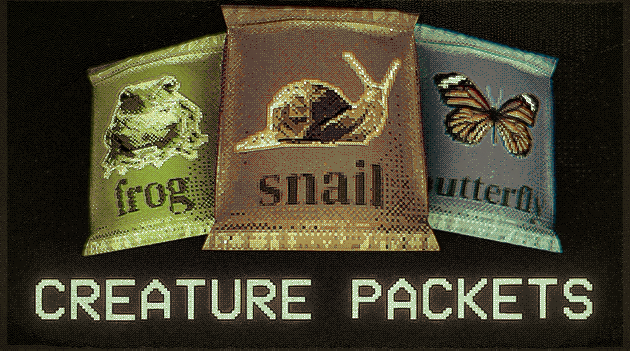
Creature Packets, developed by Kenforest, immediately captivates with its distinct PS1-era graphical aesthetic, evoking a sense of nostalgic charm while presenting a conceptually unsettling premise. This cooking-themed game tasks players with bringing "tiny creatures" to life from packets using a microwave. The twist, however, lies in the ability to then use a blender to explore new "substance packages," which in turn facilitate the creation of even more exotic creatures. The game masterfully interprets "Tiny Creatures" as both ingredients and the resulting culinary abominations, creating a darkly humorous and experimental experience. Its low-poly visuals and deliberate textural distortions enhance the retro appeal, making the act of "cooking" these creatures a surprisingly engaging and visually unique endeavor. The procedural nature of substance packages suggests replayability, inviting players to discover a multitude of creature combinations. Creature Packets is available for Windows, demonstrating the continued viability of classic graphical styles in contemporary indie development.
Build The Sun: A Celestial God Game
Punkcake’s Build The Sun offers a grander, more philosophical interpretation of the theme, placing players in the role of a nascent deity. This god game invites exploration, settlement, and expansion, with the ultimate objective of transforming a humble fire into a celestial body – the Sun. The journey involves discovering resources, establishing settlements, and progressively upgrading the central fire. The "Tiny Creatures" theme is cleverly integrated through the player’s perspective as a colossal entity shaping a minuscule world, or perhaps the early, rudimentary life forms that inhabit this evolving ecosystem. The game’s pixel-art style, while abstract, contributes to its charm, allowing players to witness the gradual growth and transformation of their world with a clear sense of progression. Available across Windows, macOS, and Linux, Build The Sun showcases a scalable concept executed effectively within the jam’s time constraints.
Maginot: An Incremental Battle Against the Sea
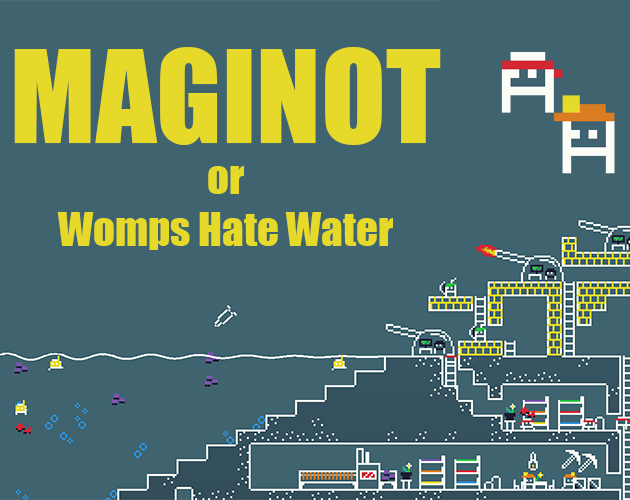
Maginot, from developer vfqd, presents an incremental colony builder that marries the concepts of resource management with a persistent struggle against the forces of nature. Players are challenged to dig deep into the earth for minerals, construct and expand their colony, and attract new inhabitants known as "Womps." The overarching goal is to eventually "obliterate the sea," implying a battle of scale where the tiny, persistent efforts of the colony eventually overcome a vast, overwhelming adversary. The "Tiny Creatures" here are likely the Womps themselves, underscoring the collective power of small entities when organized and purpose-driven. The incremental nature of the game, a genre often characterized by slow but steady progression, is well-suited to representing the arduous task of building a civilization from scratch. As a browser-playable title, Maginot offers immediate accessibility, allowing a broad audience to engage with its strategic depth.
Headquarters: A Cryptic Point-and-Click Simulation
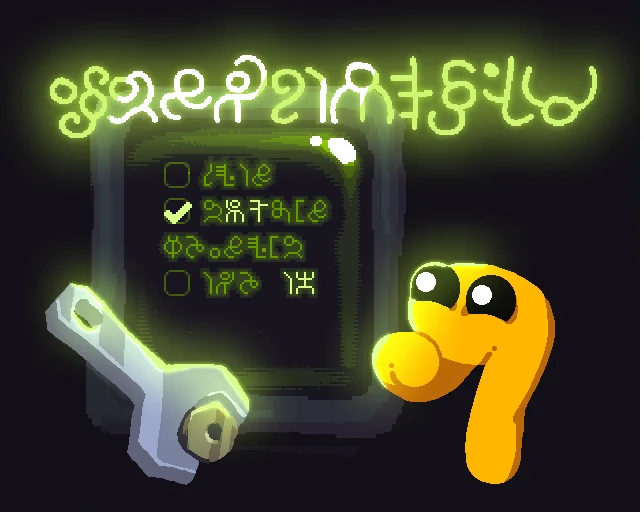
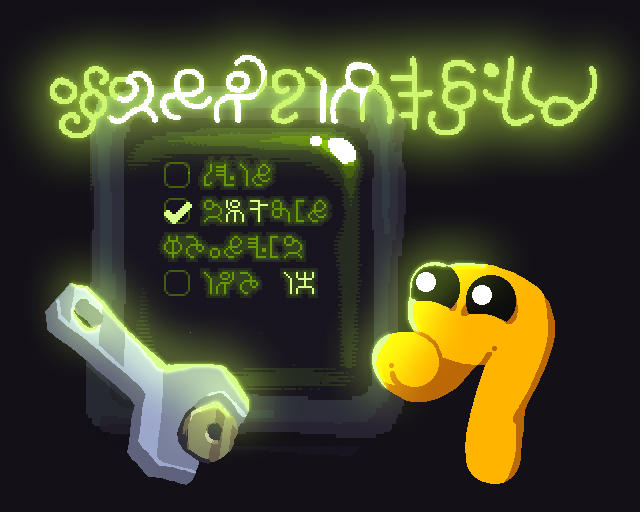
Yogurtthehorse’s Headquarters veers into the realm of mystery and intellectual challenge, presenting a point-and-click simulation game focused on deciphering an unknown alphabet. The interpretation of "Tiny Creatures" here is more abstract, potentially referring to the minuscule, fragmented pieces of information that the player must meticulously collect and analyze to solve the central puzzle. The game’s premise suggests a deep dive into an enigmatic system, where observation and logical deduction are paramount. The point-and-click interface facilitates this investigative gameplay, allowing players to interact with their environment and uncover hidden clues. The cryptic nature and focus on linguistic puzzles make Headquarters a unique entry that emphasizes cognitive engagement over action. Available for browser, Windows, Linux, and macOS, it offers wide accessibility for players eager to unravel its secrets.
Tiny Colony: Interplanetary Slingshot Exploration
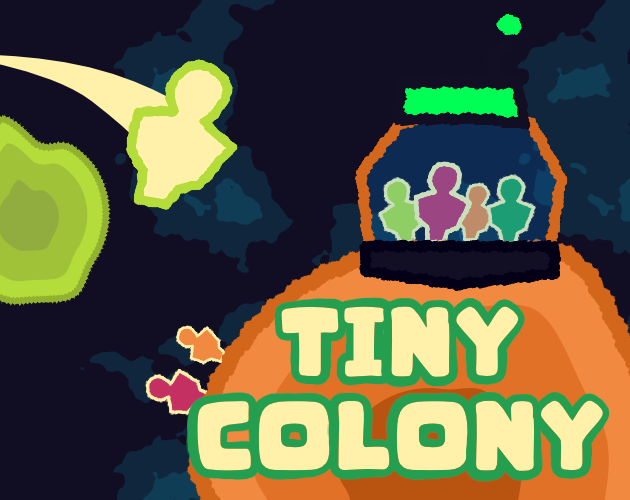
Tiny Colony, developed by mreliptik, literalizes the "Tiny Creatures" theme by having players colonize distant planets using a unique interplanetary slingshot system. The game requires precise timing and an understanding of gravitational mechanics as players launch their miniature colonists across space, utilizing planetary gravity to slingshot them towards new destinations while avoiding obstacles and the infinite void. The "tiny creatures" are the colonists themselves, rendered as small, vulnerable entities traversing vast cosmic distances. This physics-based gameplay provides a compelling challenge, combining elements of puzzle and skill. The visual representation of tiny specks navigating the immense emptiness of space effectively conveys the theme. Its availability across browser, Windows, Linux, and Android platforms ensures that a wide array of players can experience this interstellar journey.
FOREST CLEARING: A Moral Dilemma in the Wilderness
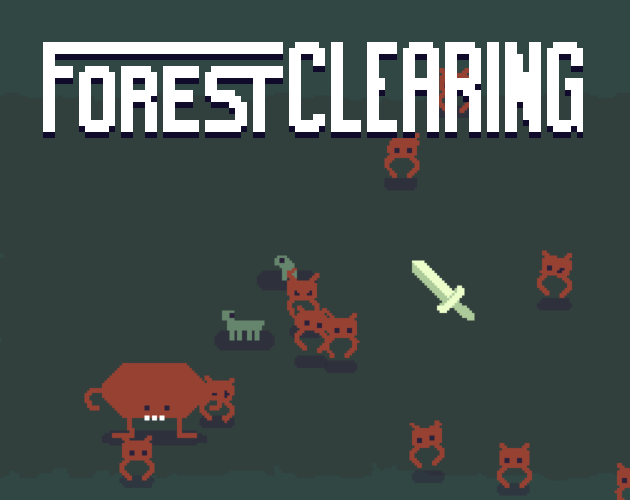
Jefvel’s FOREST CLEARING presents players with a stark moral choice: protect their "small friends" or harvest them for sustenance and power. This action-oriented game involves swinging a sword to defend forest inhabitants, but also offers the option to sacrifice them for "meat," which can then be used to purchase upgrades. This cycle of protection, sacrifice, and growth creates a compelling, albeit grim, gameplay loop, where survival often necessitates difficult decisions. The "Tiny Creatures" are the forest dwellers, whose fate rests entirely in the player’s hands. The roguelike element, implied by the need to "inevitably die" and restart with upgrades, adds replayability and a sense of persistent struggle. The game’s simple yet impactful premise, combined with its combat and upgrade systems, makes for an engaging and thought-provoking experience. FOREST CLEARING is available for browser and Windows.
Please Find Them: The Exterminator’s Hidden Object Challenge
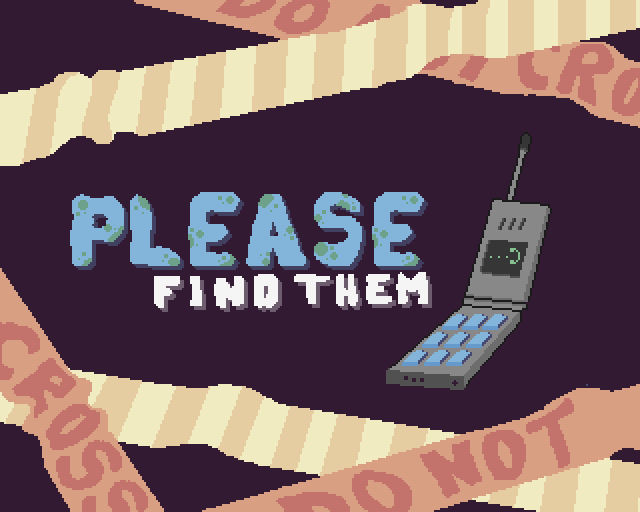
Please Find Them, from Adam Lenglen, directly embraces the "Tiny Creatures" theme within the framework of a hidden object game. Players assume the role of an exterminator tasked with locating small creatures that have mysteriously shrunk within people’s houses. This premise provides a charming and logical justification for the hidden object mechanics, as players must meticulously scan detailed environments to spot the minuscule beings. The game relies on keen observation and attention to detail, transforming mundane household settings into intricate search puzzles. The concept of creatures shrinking adds a whimsical element to the exterminator’s job, moving it away from typical pest control into a more fantastical realm. As a browser-playable game, Please Find Them offers an accessible and engaging experience for fans of the hidden object genre.
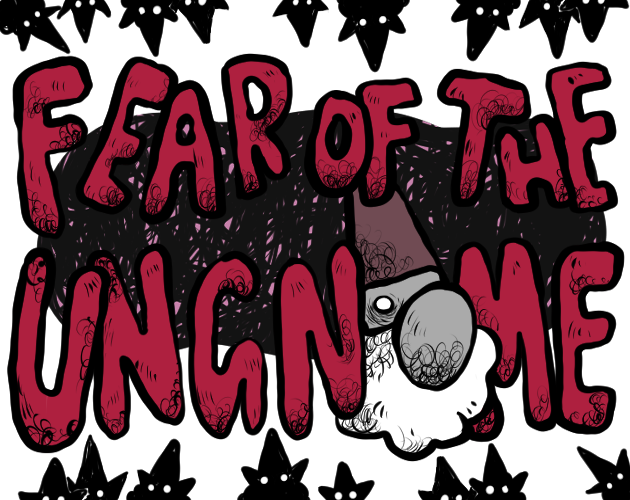
Fear of the Ungnome: A First-Person Procedural Puzzle
Scottts’s Fear of the Ungnome offers a quirky, first-person exploration and puzzle game centered around a quest to find the protagonist’s Great Aunt’s elusive gnome. The "Tiny Creatures" theme is explicitly addressed through the titular gnome, an archetypal small, magical being. The game incorporates procedurally generated elements, ensuring that each playthrough offers a fresh challenge in locating the hidden gnome within dynamic environments. This procedural generation adds significant replay value, as players must adapt to new layouts and puzzle configurations each time. The first-person perspective immerses players directly into the search, enhancing the sense of mystery and discovery. The "Ungnome" title itself suggests a playful subversion of the theme, hinting at the challenges of finding something small and elusive. Fear of the Ungnome is available for browser and Windows.
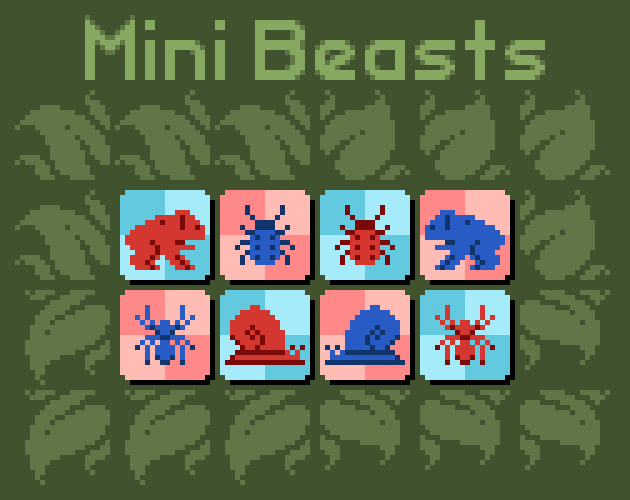
Mini Beasts: A Colorful Critter Puzzle
Mini Beasts, developed by cassowary, is a straightforward yet addictive puzzle game that interprets "Tiny Creatures" as colorful critters. The core mechanic involves rearranging these critters to match their colors, a classic puzzle trope executed with polish and charm. The simplicity of the concept belies its potential for strategic depth, as players must plan their moves to create cascades and clear the board efficiently. The visual design of the "Mini Beasts" themselves is likely appealing, contributing to the game’s overall charm and accessibility. Puzzle games are a staple of game jams due to their ability to provide engaging gameplay with relatively contained scope, and Mini Beasts appears to be a solid example of this. As a browser-playable title, it is easily accessible for quick, casual play.
Vox Regis: Voice-Controlled Medieval Manipulation
Sheepolution’s Vox Regis stands out for its innovative use of voice control within a medieval strategy setting. In this game, players embody the king, whose primary task is to maintain power by creating chaos and keeping rebellious groups "small in size." The "Tiny Creatures" theme is ingeniously woven into the political strategy, where the objective is to prevent factions from growing too powerful. The unique mechanic allows players to use their own voice to "lay blame on factions," subtly manipulating the populace and preventing large-scale uprisings. This interactive input method adds a layer of immersion and strategic depth, making the act of governance feel more direct and personal. The medieval setting provides a rich backdrop for political intrigue and power struggles. Vox Regis is available for browser, Windows, macOS, and Linux, showcasing ambitious technical integration within the jam’s constraints.
The Broader Impact and Future Implications of Ludum Dare 56
The diverse array of games emerging from Ludum Dare 56, particularly those highlighted by itch.io, underscores several significant trends in independent game development. Firstly, the "Tiny Creatures" theme proved remarkably versatile, inspiring creations across numerous genres—from god games and colony builders to hidden object puzzles and voice-controlled strategy titles. This demonstrates the power of well-crafted thematic constraints to spark divergent thinking and innovative design solutions. Developers, working under extreme time pressure, often find ingenious ways to interpret themes, leading to fresh gameplay mechanics and narrative approaches that might not emerge in longer development cycles.
Secondly, the prevalence of browser-playable games among the recommendations (Maginot, Headquarters, Tiny Colony, FOREST CLEARING, Please Find Them, Fear of the Ungnome, Mini Beasts, Vox Regis) highlights the increasing importance of accessibility in game distribution. Platforms like WebGL have made it easier than ever for developers to deploy their creations directly to players without requiring downloads or specific operating systems, significantly lowering the barrier to entry for both creators and consumers. This trend is crucial for game jams, where immediate playability encourages broader participation and feedback.
Furthermore, the technical ambition displayed in many of these projects, such as the PS1 aesthetic in Creature Packets, the physics-driven slingshot in Tiny Colony, or the voice control in Vox Regis, speaks volumes about the talent and skill present within the Ludum Dare community. Developers are pushing boundaries even within limited timeframes, leveraging modern engines and tools to achieve impressive results.
itch.io’s role in this ecosystem cannot be overstated. By providing a robust platform for hosting, discovering, and cataloging thousands of jam entries, it acts as a vital conduit between creators and players. Its recommendation system, as seen with these curated lists, helps surface high-quality and innovative titles from the vast pool of submissions, ensuring that exceptional work receives deserved attention. This curation not only benefits the developers by increasing visibility but also enriches the experience for players seeking unique and experimental games.
In conclusion, Ludum Dare 56 stands as another testament to the enduring vitality of the indie game development scene. The "Tiny Creatures" theme yielded a fascinating collection of games that exemplify creativity, technical prowess, and innovative design. The ongoing efforts of platforms like itch.io to champion these creations are instrumental in fostering a vibrant community and showcasing the future directions of interactive entertainment. The collective output from this jam serves as an inspiring example of what can be achieved when passion, skill, and a tight deadline converge.
About the Author