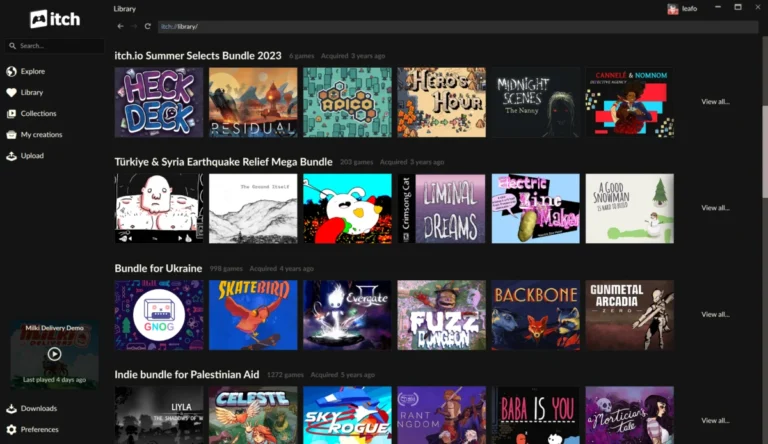
San Francisco, CA – itch.io, a prominent open marketplace for independent digital games, has rolled out a significant update to its desktop application, introducing a suite of features aimed at enhancing user experience, streamlining game management, and expanding compatibility across various gaming ecosystems. The latest release, detailed in its official notes, brings full collection editing capabilities directly into the app, refines Steam Shortcut integration with crucial Proton support, and offers a compelling sneak peek into a new initiative dubbed "itch donk" targeting low-powered Linux retro handhelds. This update underscores itch.io’s ongoing commitment to fostering accessibility and flexibility for its diverse community of developers and players.
Deeper Dive: Enhanced Collection Management Within the App
A cornerstone of the latest itch.io app update is the introduction of comprehensive collection editing functionalities, now fully integrated into the desktop client. Previously, users wishing to organize their vast libraries into curated collections often had to navigate through the in-app browser or resort to the web interface, a process that could be cumbersome and interrupt the workflow. The new update directly addresses this pain point, making collection management a seamless part of the desktop application experience.
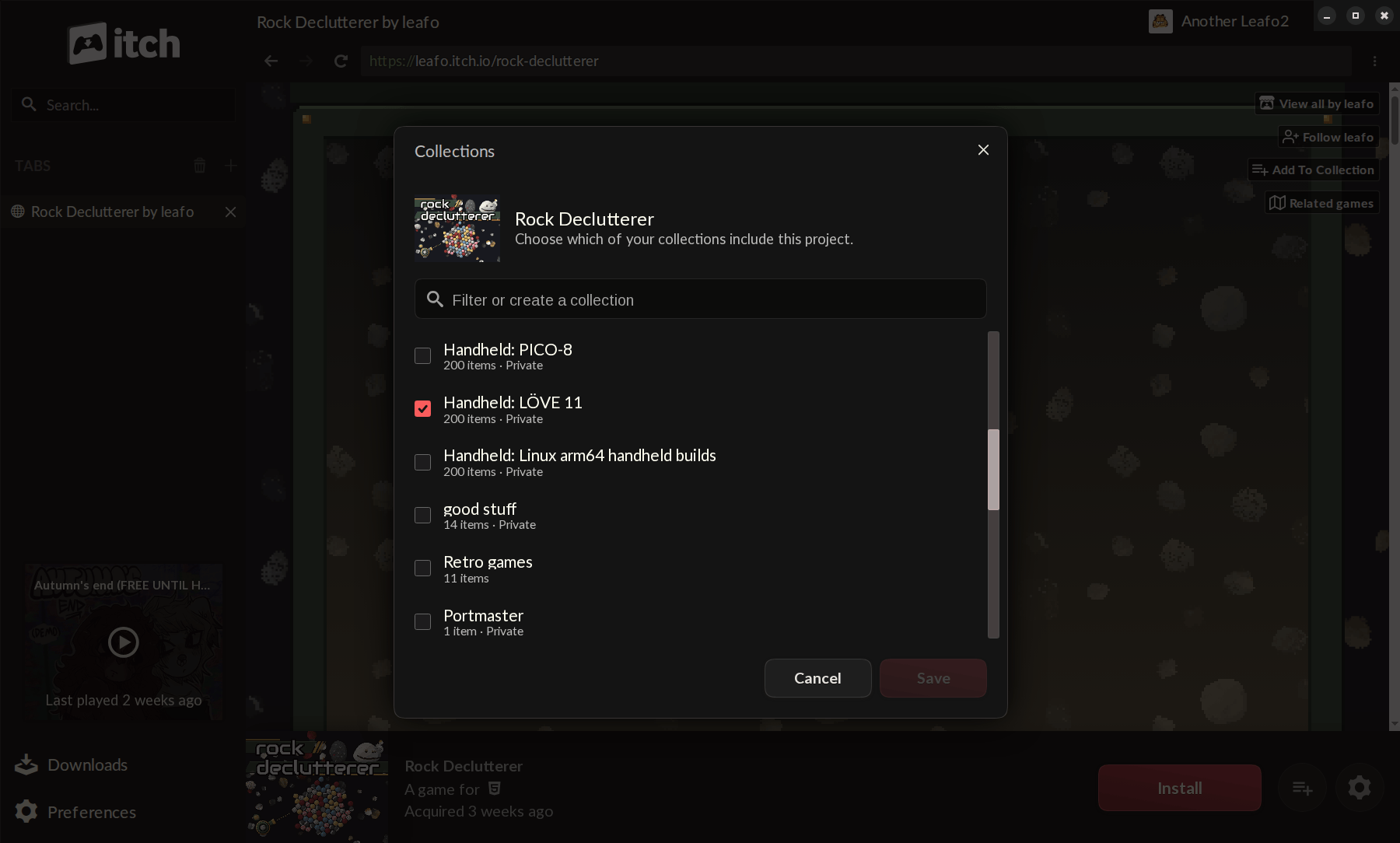
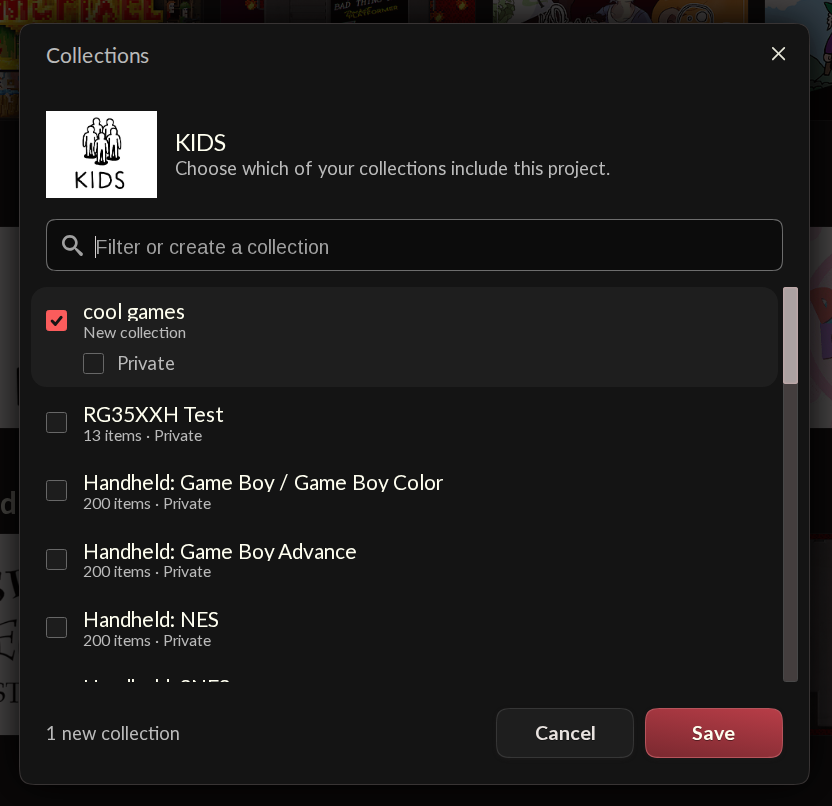
The updated interface now features a dedicated "add to collection" dialog. This intuitive tool allows users to efficiently bulk manage which collections a particular game resides in. Beyond simply adding games, the dialog also provides an option to create entirely new collections on the fly, empowering users to categorize their growing game libraries with unprecedented ease. This is particularly beneficial for players who participate in numerous bundles or acquire a wide array of indie titles, often leading to extensive, diverse game lists that benefit greatly from structured organization.
Furthermore, the collection page itself has been significantly upgraded with a new bulk edit dialog. This feature is designed to simplify the intricate task of maintaining collections, allowing users to reorder items within a collection or remove multiple entries simultaneously. For power users with hundreds or even thousands of games across various genres, themes, or play statuses, this represents a substantial improvement in efficiency and user control. The automatic synchronization of changes made within the app ensures that a user’s collection data remains consistent across all platforms, whether accessing their library via the desktop app or the itch.io website. This focus on integrated, user-friendly collection tools reflects a broader trend in digital storefronts towards providing robust library management features, acknowledging that discoverability and organization are paramount for player satisfaction.
Seamless Integration: Steam Shortcuts and Proton Support Revolutionize Cross-Platform Play
Building upon an initiative introduced in a prior release, the itch.io app has significantly enhanced its Steam Shortcuts tool, a feature designed to bridge the gap between itch.io’s expansive catalog and Steam’s dominant PC gaming ecosystem. The initial iteration of the tool, which allowed users to add any installed itch.io software to their Steam library for centralized launching, received substantial community feedback. This feedback has been instrumental in driving the latest round of improvements, resulting in numerous fixes that promise smoother operation across a wider array of Steam installations and user profile configurations. These refinements likely address common issues such as incorrect pathing, conflicts with different Steam client versions, or user permission challenges, ensuring a more reliable experience for all users.
However, the most impactful enhancement to the Steam Shortcuts tool is the groundbreaking addition of support for launching games through Proton within Steam. Proton, a compatibility layer developed by Valve for its Steam Play initiative, enables Windows-native games to run seamlessly on Linux-based operating systems, including the highly popular Steam Deck handheld console. This integration is a game-changer for Linux gamers and Steam Deck owners, offering an end-to-end functional experience that was previously complex or unavailable.
The technical achievement here is considerable: users can now install Windows games obtained from itch.io directly onto their Linux systems via the itch.io app. Subsequently, these games can be added to the Steam library as shortcuts, configured to launch specifically with Proton. This means that thousands of Windows-only titles available on itch.io, which might not have official Linux ports, can now be played by Linux users and on Steam Deck devices without the need for manual workarounds or complex configurations. This is particularly advantageous for players who have accumulated numerous games through itch.io’s charitable bundles over the years, many of which contain Windows-exclusive titles. The ability to centralize and launch these games directly from Steam, leveraging Proton’s robust compatibility, significantly expands the playable library for a growing segment of the gaming community. This move not only enhances the value proposition of itch.io’s vast game catalog but also solidifies its position as a platform that actively supports and adapts to the evolving landscape of PC gaming, particularly within the burgeoning Linux and handheld PC gaming spheres.
Under the Hood: Performance and Stability Enhancements with Butler v15.32.0
Beyond the headline features, the latest itch.io app update also incorporates crucial under-the-hood improvements, ensuring a more stable and efficient user experience. This version ships with Butler v15.32.0, an updated iteration of itch.io’s robust command-line utility. Butler plays a pivotal role in the itch.io ecosystem, handling game uploads, patching, and delta updates for developers, and facilitating efficient content delivery for users.
While the specific bug fixes and enhancements within Butler v15.32.0 are detailed in the full release notes on GitHub, its inclusion signifies a continuous effort to refine the platform’s core infrastructure. Improvements to Butler often translate directly into benefits for end-users, such as faster download speeds, more reliable updates, and better handling of game files. For developers, a more stable Butler means a smoother upload process and fewer issues when pushing out updates to their titles. In the fast-paced world of software development, continuous bug fixing and performance optimization are essential for maintaining a healthy and responsive application. These incremental updates, though often less visible than major feature additions, are critical for the long-term stability and user satisfaction of the itch.io app.
Forward-Looking Innovation: The "itch donk" Initiative Targets Linux Handhelds
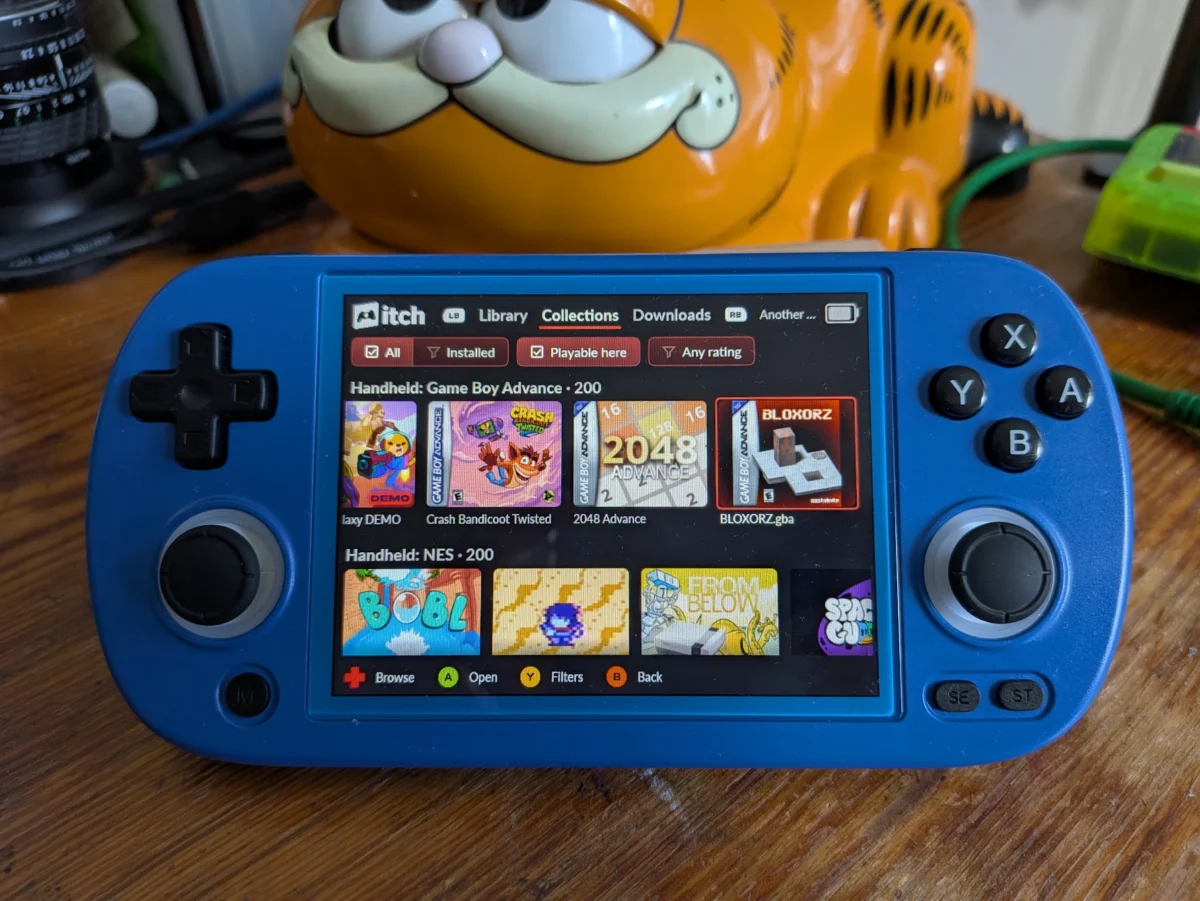
Perhaps the most intriguing revelation in the update announcement is the "sneak peek" into a new project called "itch donk." This initiative signals itch.io’s strategic foray into the rapidly expanding market of low-powered Linux retro game handhelds. Devices from manufacturers like Anbernic, Miyoo, and Retroid have seen a surge in popularity, offering portable platforms for emulating classic games and running lightweight Linux applications. itch.io recognizes the significant overlap between its extensive library and the capabilities of these devices.
The rationale behind "itch donk" is compelling. Many of these handhelds are primarily designed for playing retro ROMs, a category that aligns perfectly with a substantial portion of itch.io’s catalog. The platform hosts thousands, if not tens of thousands, of games that fall into retro-inspired genres, pixel art styles, or are direct ROMs from independent developers. The itch.io team has actively tested native Linux ARM builds – crucial for the ARM-based processors found in most handhelds – and popular indie game engines like LÖVE, reporting surprisingly positive results regarding performance. This indicates a genuine potential for many existing itch.io titles to run natively and effectively on these portable machines.
A key component of the "itch donk" project is an ambitious undertaking to scan every single uploaded file on itch.io. The objective of this comprehensive scan is to accurately tag each file with its compatible platforms and runtimes. This massive data collection and tagging effort will be instrumental in building a robust compatibility database, enabling users of "itch donk" to easily discover and install games known to work on their specific handheld devices. Such a system would eliminate much of the guesswork currently involved in running indie games on niche hardware, significantly lowering the barrier to entry for both developers targeting these platforms and players seeking new experiences.
The implications of "itch donk" are far-reaching. It could unlock a massive new audience for itch.io developers, allowing their creations to reach gamers on dedicated portable hardware. It also positions itch.io as a leader in democratizing game distribution for these specialized devices, offering an alternative to more closed ecosystems or reliance on complex manual configurations. While the project is still in its early stages, with "quite a bit of work to do," the promise of a curated itch.io experience on retro handhelds is a tantalizing prospect for both indie game enthusiasts and the retro gaming community. Further updates on "itch donk" are eagerly anticipated, as it could reshape how independent games are discovered and played on portable Linux devices.
Community Reception and Future Outlook
Initial reactions from the itch.io community to the update have been largely positive, with users expressing enthusiasm for the new features while also highlighting areas for future development. The enhanced in-app collection editing has been particularly well-received, directly addressing long-standing user requests for more robust library management. However, some users, particularly those who primarily interact with itch.io via mobile browsers, have voiced a desire for similar "add/remove to collections" functionality to be integrated into the main itch.io website, acknowledging the limitations of the desktop app for mobile-first users.
The "itch donk" sneak peek has generated significant excitement, with many users expressing interest in the project and inquiring about ways to sign up for further updates. The prospect of an itch.io app tailored for low-powered Linux devices, including potentially Android tablets with 64-bit chips but 32-bit OS limitations, resonates deeply with a segment of the community keen on maximizing the utility of their portable hardware. This feedback underscores the potential market for such an initiative and the appetite for greater accessibility of itch.io’s diverse game catalog across various platforms.
Conversely, some community members have raised questions about development priorities, particularly in relation to features like tag exclusion. While the platform offers workarounds (e.g., a Firefox add-on), the desire for built-in tag filtering functionality remains strong, suggesting a continued need for itch.io to balance innovative new projects with quality-of-life improvements for existing features.
Overall, the latest itch.io app update represents a significant step forward in enhancing user experience, expanding compatibility, and exploring new frontiers in game distribution. By focusing on intuitive collection management, robust Steam integration with Proton support, and the ambitious "itch donk" project, itch.io continues to solidify its position as a dynamic and player-centric platform. The ongoing dialogue with its community, evident in the direct feedback provided on new features, will undoubtedly shape the platform’s evolution as it strives to empower both creators and players in the ever-evolving landscape of independent gaming.
About the Author