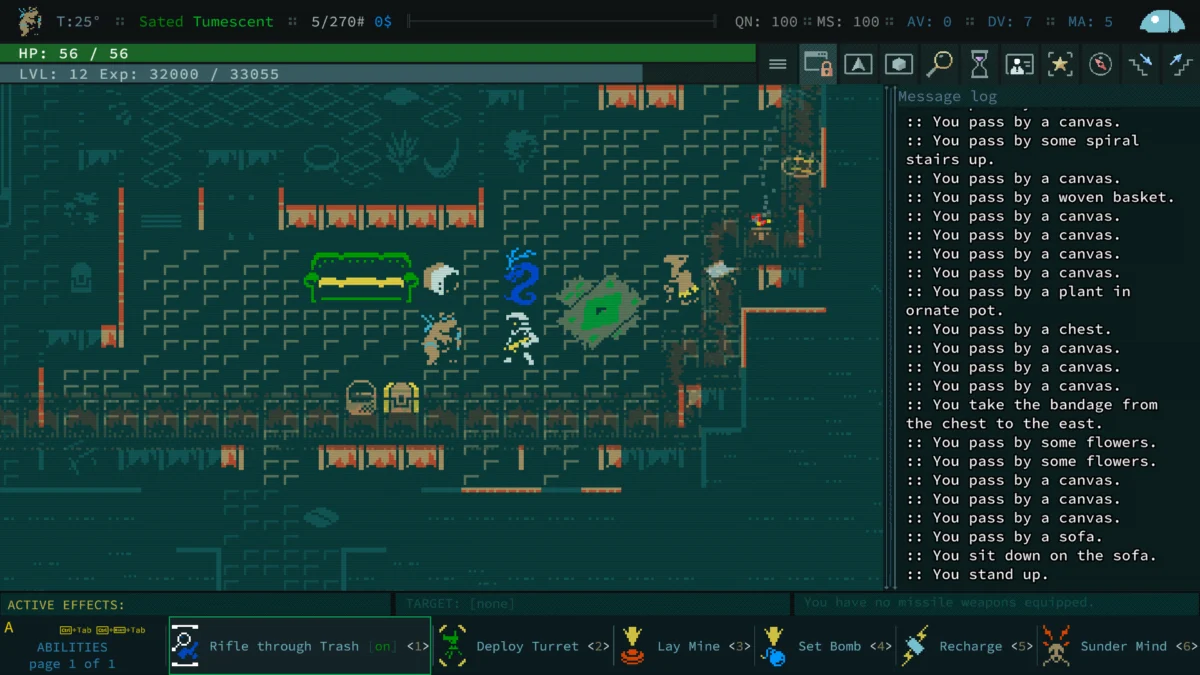
Freehold Games’ critically acclaimed roguelike RPG, Caves of Qud, has announced an unprecedented move on the Steam platform: its first major downloadable content (DLC) expansion, "Diaspora," will launch into Steam Early Access. This decision marks a significant departure from standard industry practices, where DLC typically arrives in a finalized 1.0 state, and has required direct intervention from Valve, the operator of Steam, to facilitate. The development signals a potential shift in how post-launch content is funded and developed, especially for complex, emergent gameplay-driven titles with established and highly engaged player communities.
A Decade-Long Journey: The Precedent Set by Caves of Qud
The journey of Caves of Qud itself provides crucial context for this latest development. The game’s genesis dates back to 2007, when independent developer Freehold Games began crafting its ambitious vision for a post-apocalyptic science fantasy world. Characterized by its deep lore, intricate systems, and procedurally generated environments, Caves of Qud quickly garnered a reputation among niche RPG enthusiasts. However, it wasn’t until 2015 that the game officially entered Steam Early Access, a program designed to allow developers to sell unfinished games, gather community feedback, and iterate on their designs during active development.
For nearly a decade, Caves of Qud thrived within this Early Access framework. Its development was a transparent, community-driven process, with Freehold Games consistently integrating player suggestions, bug reports, and design insights into successive updates. This iterative approach allowed the game to evolve organically, fostering a loyal fanbase deeply invested in its ongoing creation. This extensive period in Early Access culminated in a highly anticipated 1.0 release in 2024, signaling the game’s official graduation from its developmental phase. This lengthy and successful Early Access tenure established a strong precedent for Freehold Games’ development philosophy: one rooted in collaborative design and continuous player engagement.
"Diaspora": Charting Uncharted Waters with Early Access DLC
The announcement that "Diaspora" will follow a similar Early Access path is notable because it breaks from the established norms of the digital distribution landscape. Historically, once a game exits Early Access and achieves a 1.0 release, subsequent content expansions are expected to be fully developed and polished upon launch. The "graduation" from Early Access is generally perceived as a commitment to a finished product, with future additions adhering to that standard.
As Tanya X. Short, co-founder and head of publishing at Kitfox Games (publisher for Caves of Qud), revealed to Game Developer, the idea was initially met with hesitation. "I was a bit hesitant at first to be honest," Short stated, acknowledging the novelty of the proposition. However, the conviction of Freehold Games’ lead developers, Jason Grinblat and Brian Bucklew, ultimately swayed the decision. Their desire to replicate the successful community-driven development strategy that proved so effective for the main game underscored their commitment to a transparent and interactive creation process, even for post-launch content.
The Rationale: Complexity and Sustainable Development
Freehold Games has been candid about the motivations behind this unconventional strategy, articulating two primary reasons in an official press statement.
Firstly, the inherent complexity of Caves of Qud plays a significant role. The game is renowned for its myriad interlocking systems, intricate features, and the highly unpredictable, emergent gameplay that results from their interaction. "Diaspora" is poised to introduce an entirely new layer to this already dense framework. The studio believes that, much like with the base game, the most effective approach to building such a complex expansion is to involve the community directly, allowing players to "stress test it the whole way." This strategy mitigates the risks associated with internal testing alone, leveraging the collective experience and creativity of its dedicated player base to identify issues, balance mechanics, and even inspire new features that might otherwise be overlooked.
Secondly, Freehold Games acknowledges the deliberate pace of their development cycle. "Caves of Qud development is slow," the studio stated, emphasizing the considerable time and dedication required to meet their exacting quality standards. By opting for an Early Access model for "Diaspora," Freehold Games can fund the expansion’s development as it progresses, rather than being constrained by a rigid, upfront timeline that could compromise the expansion’s artistic vision or technical quality. This "watering the flower as it blooms" approach provides financial stability throughout the development period, allowing the team to prioritize quality and creative integrity over rushed deadlines, a common pitfall in traditional game development. This method resonates particularly strongly with smaller, independent studios who often grapple with funding challenges while striving for ambitious projects.
Valve’s Crucial Role: Enabling a Platform First
The implementation of Early Access DLC was not a straightforward process, highlighting the unprecedented nature of the move. According to Tanya X. Short, Valve, the company behind the Steam platform, proved to be a supportive partner, albeit one that needed to adapt its backend systems. Short explained that Valve had to make a "manual adjustment" within Steam’s infrastructure to "enable it as an option." This technical modification underscores that the platform was not initially configured to support Early Access for DLC, treating such content as typically complete upon release. The initial flagging of the store page as a "bug" further illustrates how deeply ingrained the traditional release model is within Steam’s operational parameters. Valve’s willingness to make these adjustments suggests a degree of flexibility and openness to evolving development models, potentially indicating a broader strategic interest in supporting diverse content release strategies.
The Evolution of Early Access: A Historical Perspective
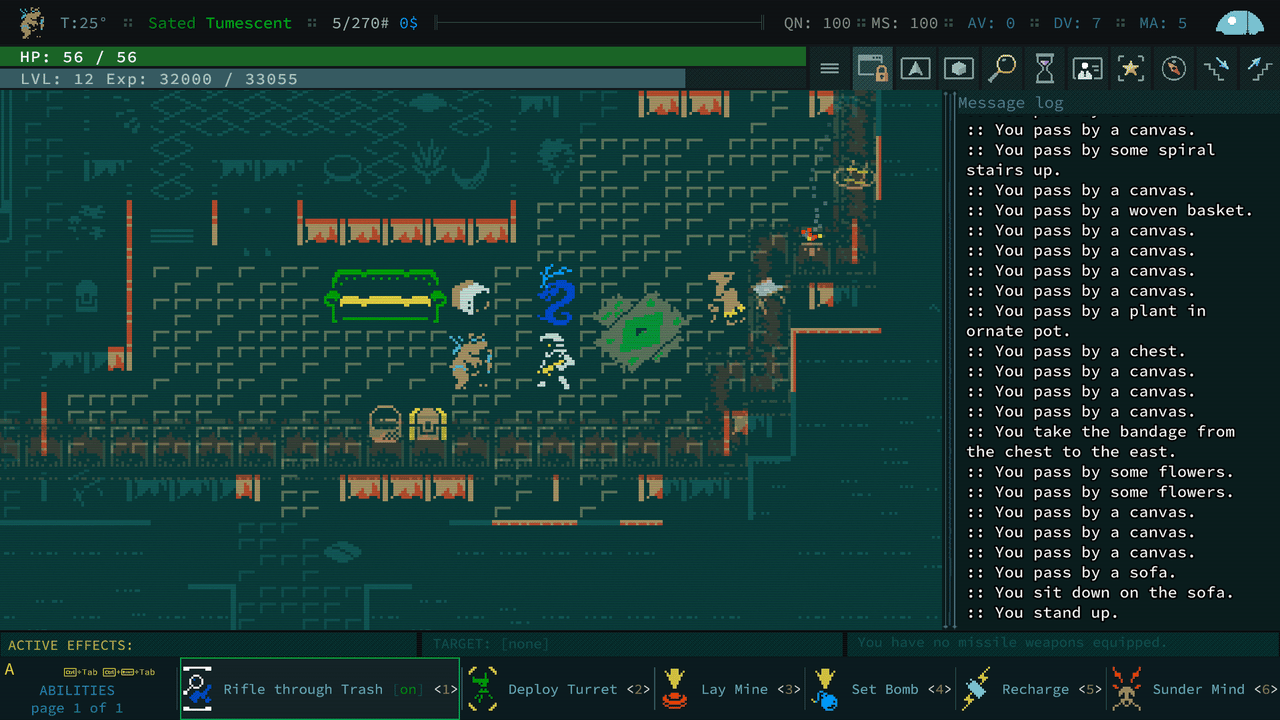
Steam Early Access, launched in 2013, revolutionized indie game development by offering a new paradigm for funding, feedback, and community building. Prior to its widespread adoption, developers primarily relied on traditional publisher funding, self-funding, or crowdfunding platforms like Kickstarter. Early Access provided a hybrid model, allowing developers to generate revenue while actively building their game, directly involving players in the iterative design process.
Many notable titles have leveraged Early Access to great success, including Minecraft (which predated Steam EA but established the concept), Kerbal Space Program, Factorio, and most recently, Baldur’s Gate 3. These games demonstrated that a prolonged Early Access period, when managed transparently and with consistent updates, can lead to highly polished and community-validated final products. However, the model has also faced criticism, with some games languishing indefinitely in Early Access, failing to deliver on promises, or suffering from scope creep. The success of an Early Access title often hinges on clear communication, a manageable scope, and a dedicated development team responsive to community input—qualities Caves of Qud has demonstrably exhibited.
The decision to extend this model to DLC represents a new frontier. While some games might offer "season passes" that grant access to future content that is still under development (e.g., in a beta state), formally labeling an expansion as "Early Access" on the Steam store page is distinct. It explicitly communicates to players that they are purchasing an incomplete product intended to evolve with their input, rather than merely pre-purchasing future complete content.
Broader Implications for the Industry and Developers
The "Diaspora" Early Access initiative could have far-reaching implications for the video game industry.
For Steam: Valve’s support for this novel approach suggests a potential for greater flexibility within the platform’s content delivery mechanisms. If "Diaspora" proves successful, it might open the door for other developers to adopt similar models for post-launch content. This could lead to a re-evaluation of Steam’s Early Access guidelines, potentially expanding them to formally accommodate DLC. Such a shift could foster innovation in game development and content release strategies, catering to different project needs and community expectations.
For Developers: This model offers a new avenue for sustainable development of ongoing content, particularly for games with complex systems or a strong emphasis on emergent gameplay. For smaller studios, securing funding for ambitious expansions post-launch can be challenging. Early Access DLC could provide a vital lifeline, ensuring continuous revenue streams that directly support the development process, reducing financial pressure and allowing for more creative freedom. This could be especially appealing to developers of roguelikes, simulation games, and grand strategy titles, where community input on balancing, new mechanics, and system interactions is invaluable. It also empowers developers who thrive on direct player engagement, allowing them to maintain a collaborative relationship with their community beyond the 1.0 release.
For Players: The implications for players are mixed. On one hand, it offers dedicated fans the opportunity to engage with new content much earlier, influencing its direction and contributing to its refinement. For the Caves of Qud community, deeply invested in the game’s evolution, this is likely a welcome prospect. On the other hand, it means purchasing content that is inherently unfinished, with the understanding that its final form may differ from its initial release. This requires a level of trust in the developer’s commitment and a willingness to tolerate bugs, incomplete features, and potential changes. Transparency from the developer regarding their roadmap and consistent updates will be paramount to maintaining player satisfaction.
Community Engagement: The Core Philosophy Endures
Ultimately, the decision to launch "Diaspora" into Early Access is a testament to Freehold Games’ unwavering commitment to its community-driven development philosophy. As Tanya X. Short articulated, the developers "love working with their players, and they already had all the processes and habits to do it again, so why not?" For a game as intricate and systems-driven as Caves of Qud, where emergent narratives and unforeseen interactions are core to the experience, player feedback isn’t just a bonus; it’s an integral part of the design and balancing process. Working in a "closed-room environment" would have been "uncomfortable and against their natures," she noted, emphasizing the deep-seated preference for developing alongside feedback from their players.
This approach acknowledges that for certain types of games, particularly those with vast, interconnected systems and a high degree of player agency, the "perfect" 1.0 release is less about a static, finished product and more about a robust, evolving ecosystem. By inviting players into the development of "Diaspora," Freehold Games is not just seeking bug reports; it is seeking co-creators who will help shape the future of Qud.
The Road Ahead: Uncertainties and Opportunities
The success of "Diaspora" in Early Access will undoubtedly be closely watched by industry observers, developers, and platform holders alike. While the precedent set by Caves of Qud‘s base game is strong, extending Early Access to DLC introduces new variables. The community’s reception to paying for unfinished expansion content, the ability of Freehold Games to maintain consistent updates, and Valve’s continued support will all play critical roles in determining the long-term viability of this model.
Should "Diaspora" prove successful, it could herald a new era for post-launch content development, offering a flexible, community-centric, and sustainable pathway for enriching games that thrive on iterative design. It challenges the conventional wisdom surrounding content release cycles and underscores the growing importance of player engagement as a core component of modern game development. As Caves of Qud once led the charge for nascent Early Access programs, it now stands poised to potentially redefine how games, and their expansions, continue to grow and evolve long after their initial launch.
About the Author