The independent game marketplace itch.io has unveiled a significant suite of platform enhancements, rolling out updates to its Sale Explorer, overhauling its bundle hosting system, modernizing the game jam theme editor, and rebuilding its Patreon integration. These developments, detailed in the platform’s latest changelog, represent a concerted effort to improve user experience, streamline creator workflows, and bolster community engagement across its diverse ecosystem. The updates, many of which were previously shared in the Developer Updates forum, underscore itch.io’s ongoing commitment to evolving its infrastructure to meet the demands of its growing community of developers and players.
The Sale Explorer: Navigating a Digital Bazaar with Enhanced Precision
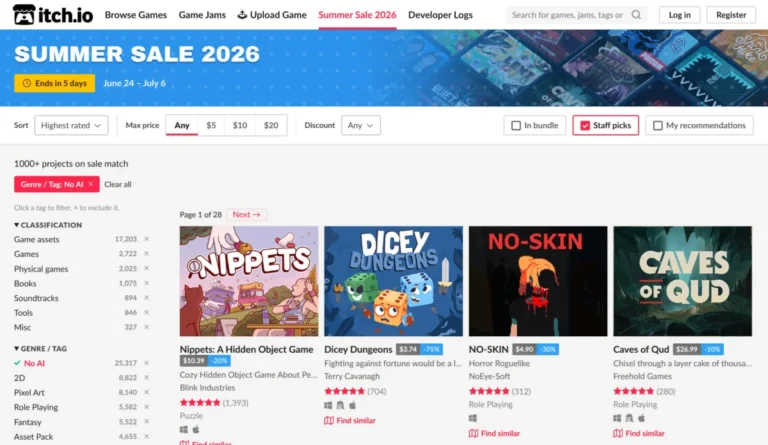
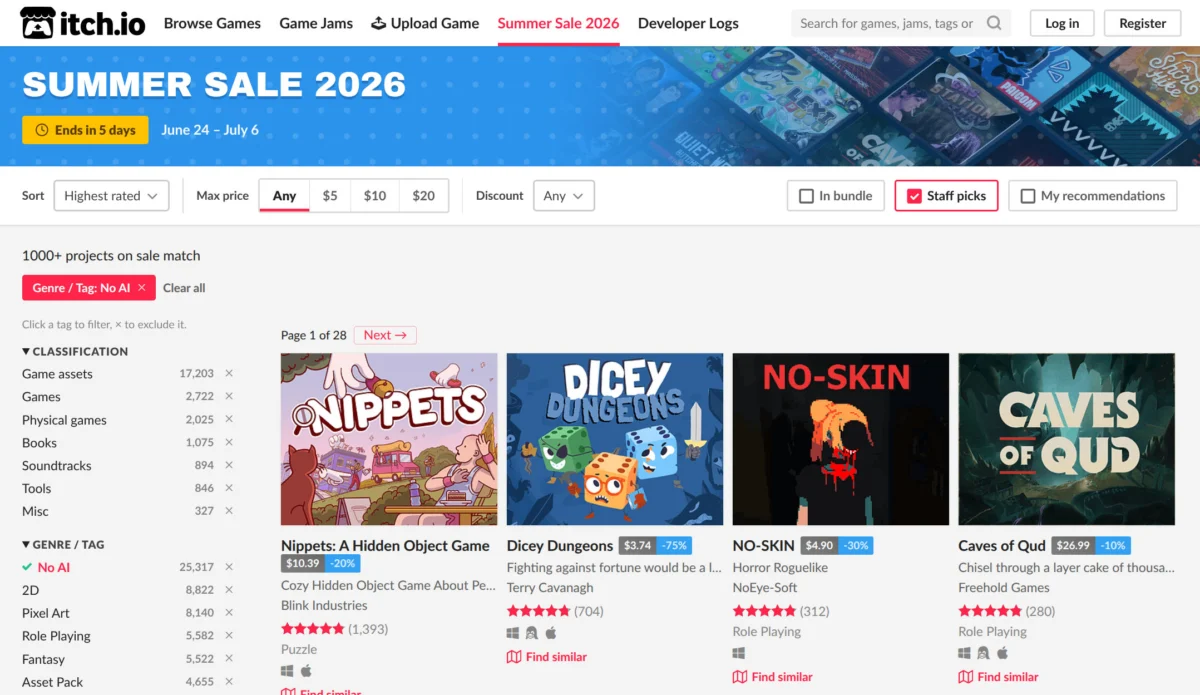
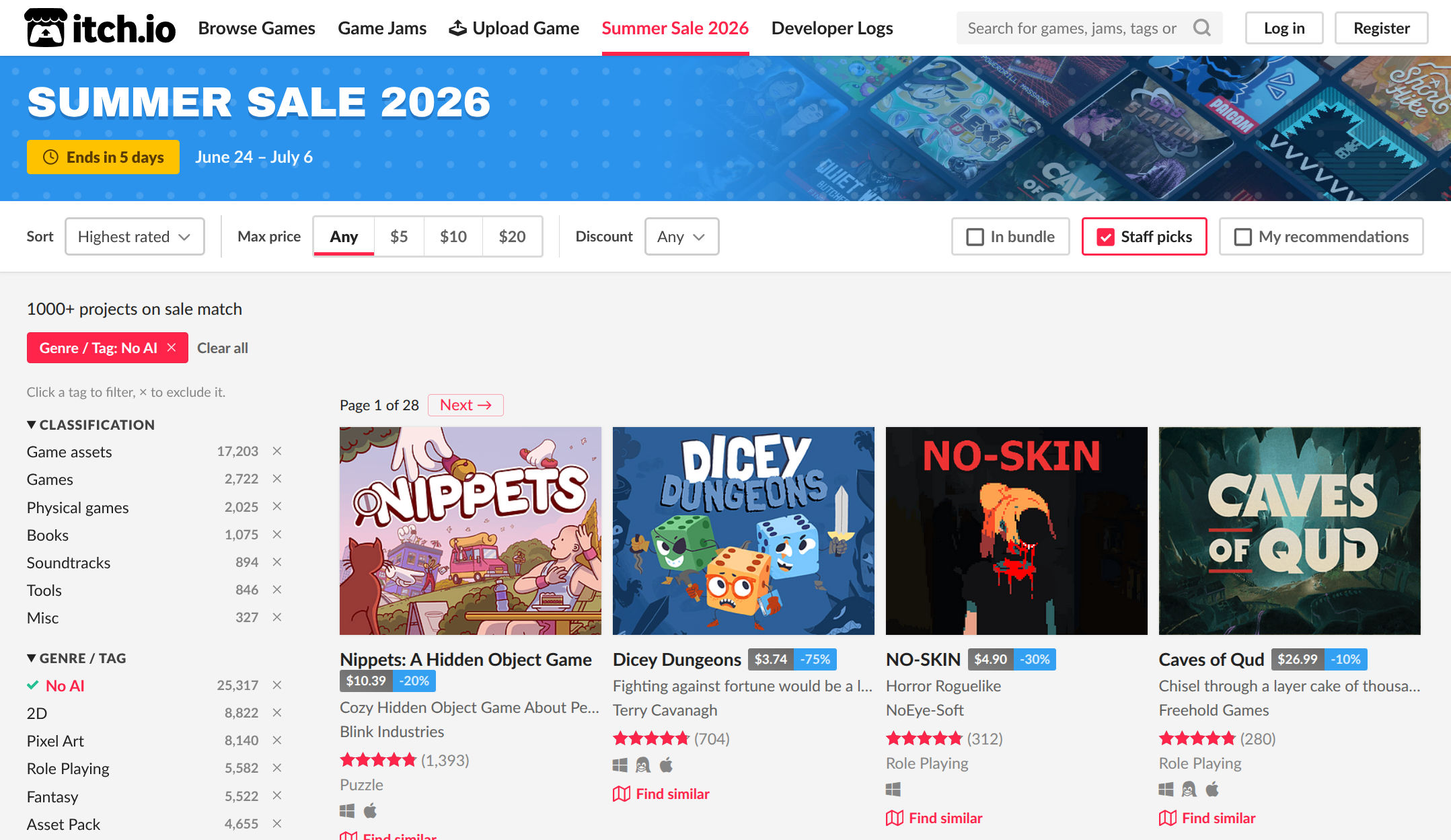
One of the most immediate and impactful additions is the Sale Explorer, a novel browsing interface designed to facilitate discovery within itch.io’s often-massive seasonal sales. Launched in conjunction with the platform’s ongoing Summer Sale 2026, which features over 30,000 discounted projects running through July 6th, the Sale Explorer automatically activates during site-wide promotional events. This new tool addresses a long-standing challenge in digital storefronts: how to effectively present a vast catalog of games and projects without overwhelming users.
Historically, navigating large sales on any digital platform could be a cumbersome experience, often leading to missed gems buried under a deluge of entries. The Sale Explorer aims to rectify this by introducing advanced filtering and recommendation capabilities. While the original changelog provides limited specific details on the explorer’s full feature set, its stated purpose of "digging through massive sales to find exactly what you’re looking for" strongly implies robust search parameters. This would likely include options to filter by genre, tags, price range, operating system compatibility (Windows, macOS, Linux, Web, and potentially Android, as hinted by community comments), and potentially even unique attributes like "AI-assisted" content, a topic of recent debate within the developer community.
The implications for both players and developers are substantial. For players, the Sale Explorer promises a more efficient and enjoyable browsing experience, enabling them to quickly hone in on titles that align with their specific interests, preferences, and hardware capabilities. This improved discoverability can transform the daunting task of sifting through thousands of games into a curated journey. For developers, especially those with niche titles or innovative projects, the enhanced visibility offered by a more navigable sale environment could translate into increased sales and broader audience reach. In a marketplace where visibility is paramount, any tool that helps a game stand out from the crowd is invaluable. Itch.io representatives have indicated that many of these "enhancements" are planned for integration into the standard browse pages in the future, suggesting a long-term vision for improved discoverability across the entire platform, not just during sales events. This strategic move could significantly elevate the user experience beyond temporary promotions, making it easier for players to find new content year-round and providing a consistent benefit to developers.
Revolutionizing Bundle Hosting: Empowering Collaborative Initiatives
The platform’s bundle system, a cornerstone feature for over a decade, has undergone a comprehensive "complete overhaul" on the hosting side. This revamp is particularly aimed at creators and organizers involved in large-scale collaborative bundles, a format that has become increasingly popular on itch.io, especially for charitable initiatives. The previous bundle system, while functional, likely presented limitations and complexities when managing a high volume of participants and projects, given its age.
Collaborative bundles on itch.io have gained significant traction, often raising substantial funds for various causes, from humanitarian aid to social justice initiatives. Notable examples include bundles that have raised millions for Black Lives Matter, Palestinian relief, and reproductive rights. These events bring together hundreds, sometimes thousands, of developers contributing their games and assets, making the logistical management a monumental task for organizers. The overhaul, first previewed in a developer thread, directly addresses these pain points.
Key improvements, while not explicitly detailed in the brief changelog, are inferred to streamline the setup, management, and execution of such complex projects. This would likely include:
- Enhanced Invitation and Participation Management: Easier ways to invite developers, track their responses, and manage their contributions.
- Improved Project Submission and Integration: A more intuitive process for developers to submit their projects to a bundle, ensuring all necessary information and files are correctly uploaded.
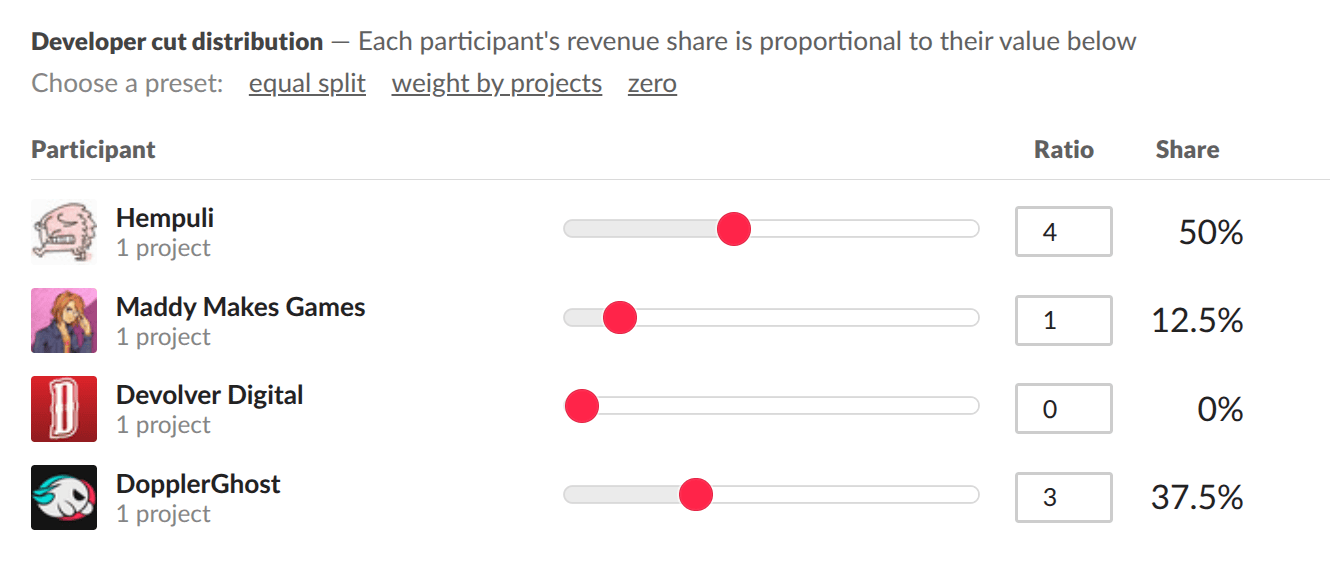
- Advanced Revenue Split Features: The ability to precisely define how proceeds are distributed, whether to a single charity, multiple beneficiaries, or individual developers. Community feedback, such as a developer’s desire for per-project revenue splits, highlights the demand for such granular control, which itch.io leadership has acknowledged as a future goal. This feature is critical for the equitable distribution of funds, especially in charity bundles where transparency and efficiency are paramount.
- Better Communication Tools: Integrated messaging or notification systems to keep all participants informed throughout the bundle’s lifecycle.
- Streamlined Asset Management: Easier handling of promotional materials, descriptions, and other content related to the bundle.
- Robust Reporting and Analytics: Improved tools for organizers to track sales, participation, and financial outcomes.
The impact of this revamp extends beyond mere convenience. By reducing the administrative burden, itch.io empowers more individuals and groups to organize ambitious collaborative projects. This fosters a stronger sense of community, encourages mutual support among indie developers, and facilitates impactful fundraising efforts. Existing pending bundles can leverage these new functionalities by resetting participation, signaling a smooth transition path for ongoing projects. The commitment to modernizing such a vital, community-driven feature reinforces itch.io’s role as a platform that actively supports its creators’ diverse initiatives, from commercial ventures to altruistic endeavors.
Modernizing Game Jam Creation: A Sharper Toolkit for Hosts
Game jams, a vibrant and integral part of the indie game development scene, have also received a significant quality-of-life update with the modernization of the jam theme editor. Game jams are time-limited events where participants create games based on a specific theme, fostering creativity, collaboration, and rapid prototyping. Itch.io has long been a primary host for these events, from global phenomena like Ludum Dare to countless smaller, community-focused jams.
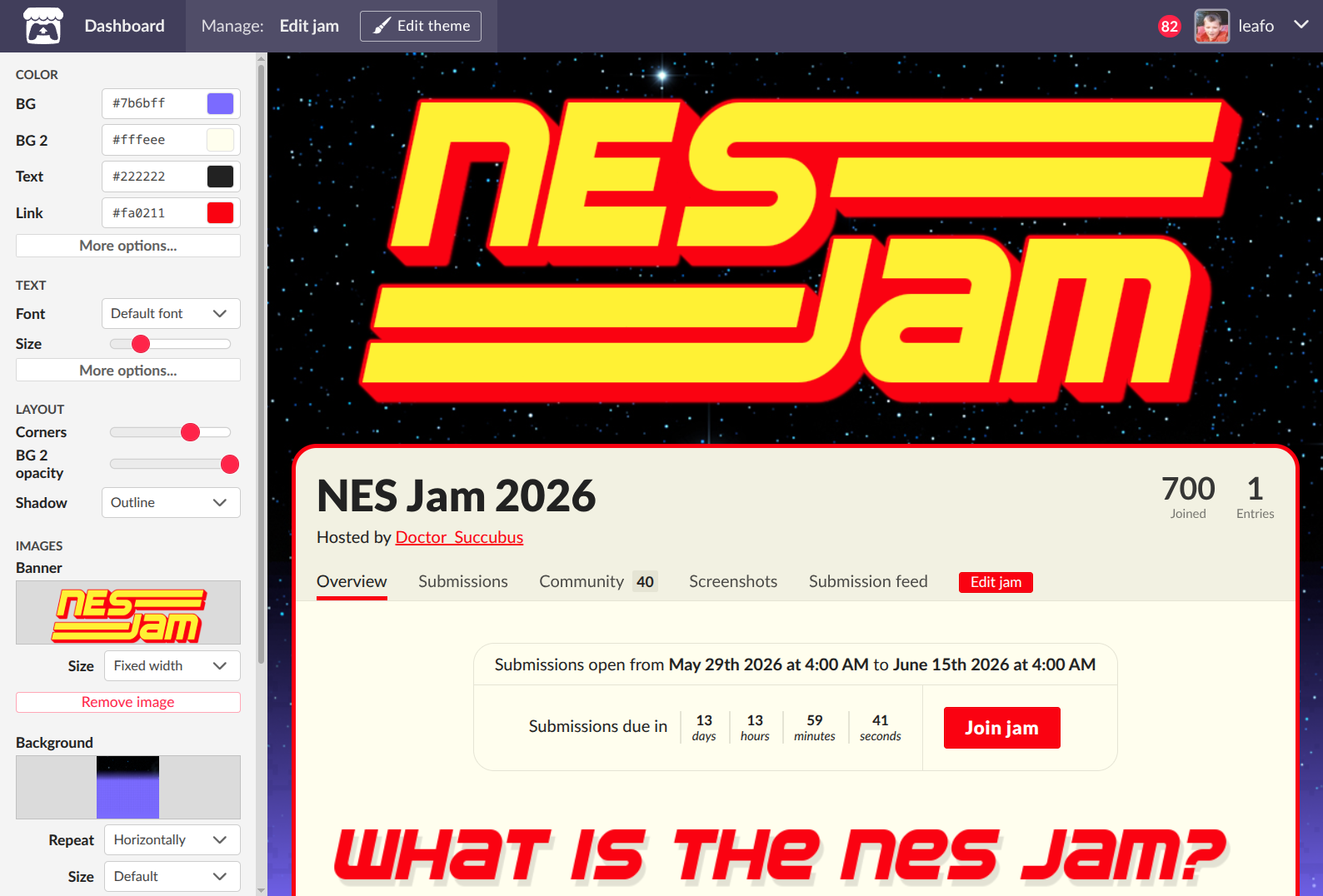
The previous jam theme editor, while functional, was based on an older UI framework, which likely limited its flexibility and user-friendliness. The revamp migrates the editor to "the same theme editor UI used elsewhere on the site," indicating a move towards a more consistent and contemporary design language across the platform. This unification not only improves the user experience for jam hosts but also simplifies maintenance and future development for itch.io itself.
The "modernized" editor offers jam hosts a "bunch of new customization options." While the specifics are not enumerated, these typically include:
- Expanded Aesthetic Controls: More granular control over fonts, colors, background images, and layout elements, allowing hosts to create visually distinctive and thematic jam pages.
- Responsive Design Features: Tools to ensure jam pages look good and function well across various devices and screen sizes.
- Improved Content Management: Easier embedding of media, integration of external links, and organization of rules and guidelines.
- Enhanced Community Features: Better integration with forum discussions, submission galleries, and voting systems.
- Accessibility Options: Potentially new features to make jam pages more accessible to participants with different needs.
Crucially, the update was implemented "while taking care to preserve existing custom CSS jam pages." This attention to backward compatibility is vital for a platform with a long history of user-generated content and customization, ensuring that existing jams are not disrupted and that hosts who have invested time in bespoke designs retain their work. For those leveraging custom CSS, itch.io has provided detailed information on markup changes in the announcement post, enabling a smooth transition and adaptation to the new framework. This update ensures that game jam organizers have a more powerful, flexible, and intuitive toolset to craft engaging and professional-looking event pages, further enriching the creative ecosystem of the platform.
Enhanced Patreon Integration: Strengthening Creator-Patron Bonds
In a significant move to bolster creator support and monetization, itch.io has "rebuilt its Patreon integration" leveraging Patreon’s V2 API. This update is particularly crucial given the rising prominence of creator-funded models and the increasing reliance of independent developers on direct patron support. The previous integration, based on an older API, faced "longstanding issues with granting access to patrons who paid in different currencies." This problem, common in international digital transactions, often created friction and administrative headaches for creators trying to reward their global patron base.
The migration to Patreon’s V2 API resolves these currency-related discrepancies by enabling access grants based on "membership tiers" rather than specific pledge amounts. This shift represents a more robust and flexible approach, aligning with how many creators structure their Patreon rewards. Creators now have three distinct ways to grant access to their projects:
- Tier-Based Access: Directly link specific itch.io projects to Patreon membership tiers. A patron subscribed to a qualifying tier automatically receives access, regardless of their local currency or the exact dollar amount of their pledge, as long as they meet the tier’s criteria. This is the most significant improvement, ensuring equitable access for a global audience.
- Pledge Amount-Based Access (Legacy Support/Specific Use Cases): While tier-based is preferred, the system may still offer options to grant access based on a specific pledge amount, perhaps for creators who prefer this model or for legacy purposes.
- Manual Granting/Other Conditions: The system likely retains or enhances capabilities for creators to manually grant access or set up other custom conditions, offering maximum flexibility.
Beyond addressing currency issues, the new system handles "cases the old one couldn’t." While these specific cases are not detailed in the changelog, they could include:
- More frequent and reliable synchronization: Ensuring that changes in a patron’s membership status on Patreon are quickly reflected on itch.io, preventing delays in access or revocation.
- Improved handling of lapsed or re-subscribed patrons: Better management of access rights when patrons modify or cancel their pledges.
- Enhanced security and data privacy: Leveraging the latest API standards for more secure and efficient data exchange between the two platforms.
- Support for new Patreon features: As Patreon evolves, the V2 API integration ensures itch.io can more readily adapt to and support new functionalities offered by the crowdfunding platform.
A critical detail for both creators and patrons is that "once a patron claims access to a project, they keep it indefinitely." Membership is checked at the time of the grant, meaning a patron doesn’t lose access to a claimed game if they later downgrade or cancel their Patreon pledge. This "ownership" model provides peace of mind for patrons and allows creators to offer lasting rewards, strengthening the value proposition of their Patreon campaigns. This enhanced integration is a powerful tool for creators, simplifying the distribution of exclusive content, fostering stronger relationships with their supporters, and ultimately providing a more reliable and efficient monetization pipeline for independent game development.
Broader Implications for the Itch.io Ecosystem
These comprehensive updates collectively reinforce itch.io’s position as a dynamic and creator-centric platform within the competitive digital distribution landscape. Each enhancement targets specific pain points, ultimately contributing to a more robust, user-friendly, and empowering environment.
The Sale Explorer directly tackles discoverability, a perennial challenge for indie developers. By making it easier for players to find what they want, itch.io boosts the visibility of its diverse catalog, benefiting both established and emerging creators. This positions itch.io as a more efficient marketplace during high-traffic sales events, potentially drawing in more buyers.
The Bundle Hosting revamp significantly improves the platform’s capacity for large-scale collaborative projects, particularly charity bundles. This not only streamlines operations for organizers but also enhances itch.io’s reputation as a platform that facilitates impactful community-driven initiatives, distinguishing it from more purely commercial storefronts. In an era where social responsibility is increasingly valued, this capability adds significant prestige.
The Jam Theme Editor modernization empowers game jam hosts to create more professional and engaging event pages, fostering a more vibrant and accessible game jam culture. Game jams are crucial incubators for new talent and innovative ideas, and by supporting them better, itch.io reinforces its role in nurturing the grassroots of game development.
Finally, the Enhanced Patreon integration directly addresses the financial sustainability of independent creators. By simplifying and improving the process of rewarding patrons, itch.io directly supports creators’ ability to leverage crowdfunding, a vital income stream for many. This aligns with a broader industry trend of empowering creators through direct audience support, offering a compelling alternative to traditional publishing models.
Taken together, these updates signify itch.io’s ongoing evolution beyond a simple storefront. They portray a platform actively investing in its community, tools, and infrastructure to better serve its unique niche of independent developers and passionate players.
Community Reception and Future Outlook
Initial community reactions, as seen in the comments section, have been largely positive. Developers express enthusiasm for the Sale Explorer’s filtering capabilities, particularly the "find similar" recommendations, which are seen as crucial for managing the sheer volume of games during sales. The potential to exclude certain categories, such as "AI-assisted" content, also resonates with parts of the community. The Patreon integration is described as "really neat" and a strong incentive for creators to establish or expand their patron support. There’s also explicit feedback on desired future features, such as the ability to apply the new revenue split functionality on a per-project basis, a suggestion that itch.io leadership (specifically "leafo") has acknowledged as a goal for future development. This open dialogue between the platform and its users highlights a responsive development philosophy.
As itch.io continues to iterate, these updates lay a strong foundation for future growth. The stated intention to bring Sale Explorer enhancements to standard browse pages, for instance, suggests a long-term vision for improved discoverability across the entire platform. The continuous optimization of existing features, coupled with the introduction of new ones, indicates a proactive approach to maintaining relevance and competitiveness in the rapidly evolving digital marketplace.
Conclusion
The latest changelog from itch.io demonstrates a robust period of development, delivering substantial improvements across critical areas of the platform. From empowering players with a sophisticated Sale Explorer to providing creators with overhauled bundle hosting, a modernized jam editor, and a highly functional Patreon integration, these updates collectively enhance the user experience and strengthen the platform’s core offerings. By focusing on discoverability, collaboration, community events, and creator monetization, itch.io reinforces its commitment to fostering a thriving ecosystem for independent games and creative projects. These strategic enhancements position itch.io to continue its growth as a vital hub for the indie development community for years to come.
About the Author