The extended reality (XR) industry is witnessing a significant shift in product timelines and strategic priorities as major technology players prepare for the next generation of wearable devices. Recent reports indicate that Apple is accelerating its internal development of smartglasses, while competitors like Pico and Meta are refining their hardware roadmaps to capture emerging markets in spatial computing and artificial intelligence. This acceleration comes at a time when the industry is transitioning from bulky virtual reality (VR) headsets toward more aesthetic, AI-integrated eyewear designed for daily use.
Apple’s N50 Project: A Standalone Strategy for Smartglasses
According to recent reports from Bloomberg’s Mark Gurman, Apple has moved up the development schedule for its upcoming smartglasses, currently codenamed N50. The device is projected to enter the production phase by late 2026, with a tentative commercial launch slated for early 2027. The N50 project represents a cornerstone of Apple’s broader initiative to integrate its proprietary artificial intelligence, Apple Intelligence, into wearable form factors.
Unlike Meta and Google, which have sought partnerships with established eyewear conglomerates like Luxottica, Apple is reportedly pursuing a vertically integrated approach. The company plans to leverage its existing retail infrastructure and brand equity to market the device as a standalone luxury and tech product. Analysts suggest that Apple’s expertise in industrial design and its "status symbol" branding allow it to bypass traditional eyewear partnerships.
The anticipated features for the N50 glasses align with current smartglasses trends: audio playback, telephony, real-time language translation, and integrated cameras for photography and video. However, the primary differentiator is expected to be the deep integration with the iOS ecosystem and the use of the N50 as a primary interface for multimodal AI interactions.

Pico and Project Swan: High-End Spatial Computing
While Apple focuses on lightweight wearables, ByteDance-owned Pico is preparing to challenge the high-end spatial computing market currently dominated by the Apple Vision Pro. Pico has confirmed it will provide technical details for "Project Swan," the codename for its next-generation headset, at the upcoming Game Developers Conference (GDC).
Project Swan is expected to feature high-fidelity specifications, including a custom-developed chip and a microOLED display boasting 4,000 pixels per inch (PPI). The GDC presentation is scheduled to cover the device’s graphics performance, multimodal interaction systems, and developer toolchains. This move indicates that Pico is positioning the device as a direct competitor to the Apple Vision Pro and the upcoming Samsung Galaxy XR headset.
The strategy behind Project Swan involves a new operating system, Pico OS 6, which aims to bridge the gap between traditional VR gaming and sophisticated spatial workflows. By targeting developers at GDC, Pico intends to secure a robust library of applications before the device’s official market entry, which industry insiders expect could occur in the Chinese market prior to a global rollout.
Meta’s "Hypernova" Rumors and Strategic Realignment
Meta Platforms is also reportedly adjusting its hardware roadmap. Internal leaks suggest that "Hypernova 2," the successor to the Ray-Ban Meta smartglasses, could launch as early as late 2025 or 2026, significantly ahead of previous 2027 estimates. The Hypernova line is characterized by the inclusion of a heads-up display, a feature currently absent from the standard Ray-Ban Meta collection.
However, this aggressive timeline faces logistical challenges. Meta has struggled to meet the high demand for its first-generation smartglasses, leading to supply chain constraints in several global markets. The introduction of a more complex device featuring a binocular display would require significant advancements in battery density and thermal management to maintain the slim profile established by the Ray-Ban partnership.

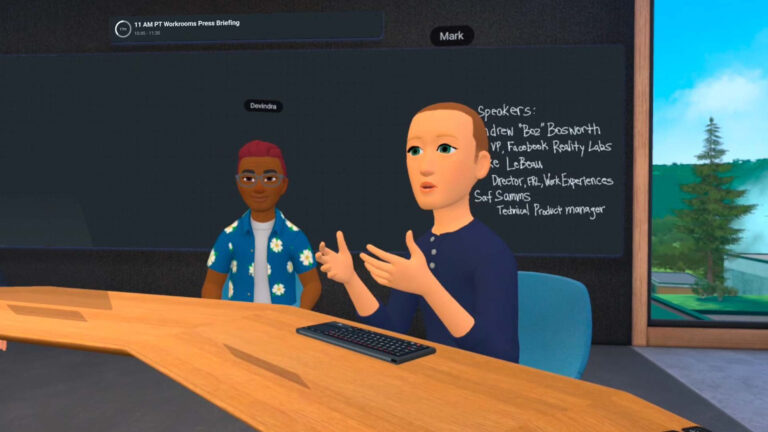
Simultaneously, Meta is executing a major shift in its software strategy. Samantha Ryan, Vice President of Content at Meta Reality Labs, recently reiterated the company’s decision to separate the Horizon Worlds social platform from the core Quest operating system. This move signals Meta’s transition from a first-party content creator to a platform provider, focusing on supporting third-party developers and indie studios to populate its store rather than relying solely on internal metaverse initiatives.
Technical Evolution: Foveated Streaming and Cloud Integration
The software landscape for XR is evolving alongside the hardware. The latest beta update for Apple’s visionOS (version 26.4) has introduced support for foveated streaming. This technology optimizes data transmission by rendering the area directly in the user’s line of sight at high resolution while compressing the peripheral regions.
The implementation of foveated streaming is particularly relevant for enterprise applications and high-end gaming. Apple’s support for NVIDIA Cloud XR further suggests a move toward cloud-based rendering, allowing the Vision Pro to handle complex visual tasks that exceed its on-board processing power. This technical synergy is expected to be a major selling point for professional users who require desktop-grade performance in a mobile headset.
Market Performance and Crowdfunding Milestones
Despite a challenging year for general VR sales, specific segments of the market are showing resilience. VRChat, a leading social VR platform, recently achieved a new record for concurrent users during a high-profile virtual concert in Japan, highlighting the continued demand for immersive social experiences. Furthermore, Meta’s Horizon+ subscription service has reportedly surpassed one million active subscribers, providing a steady revenue stream for the company’s XR division.
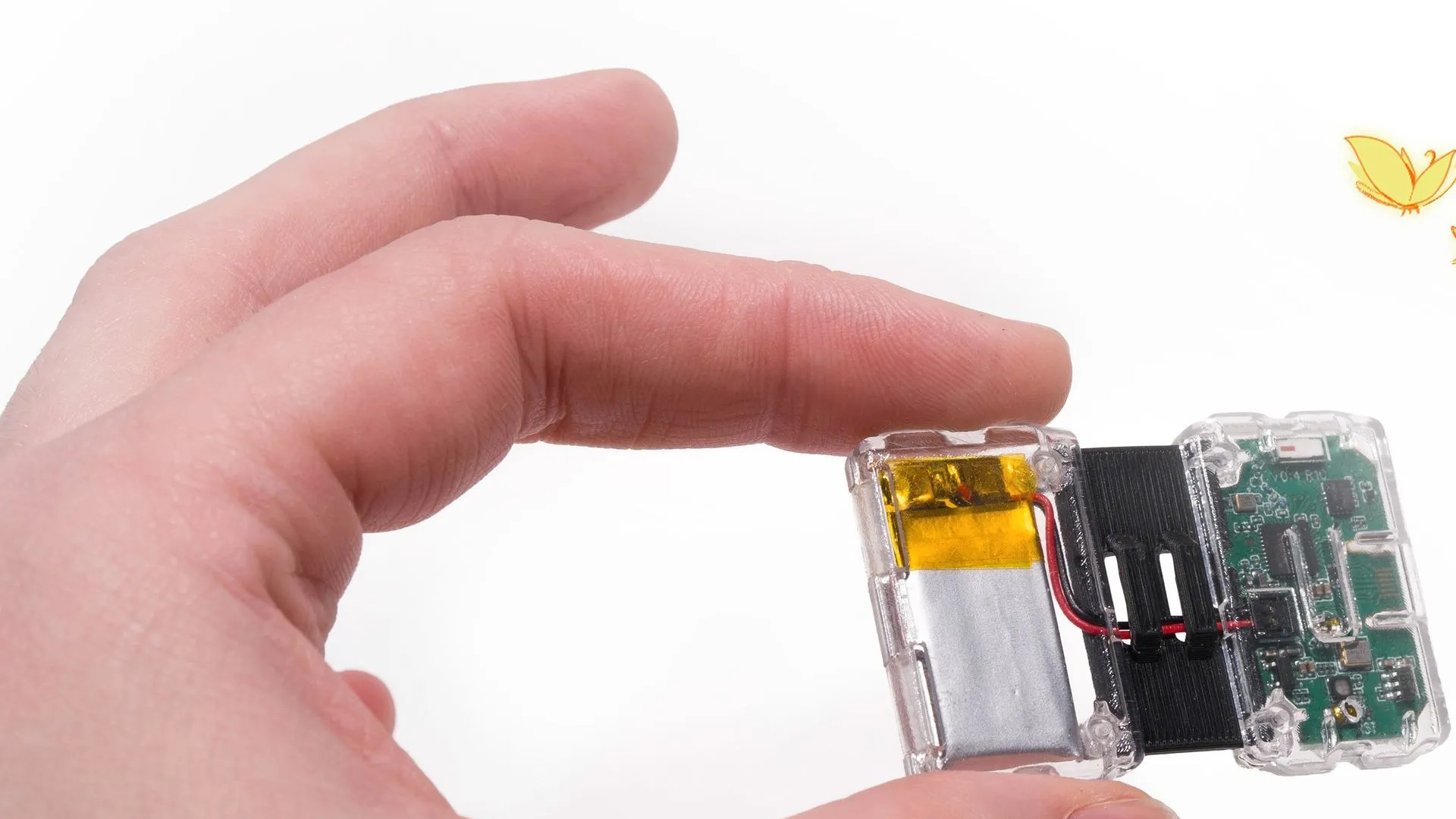
In the hardware accessories market, SlimeVR’s "Butterfly Trackers" recently concluded a highly successful Kickstarter campaign, raising over $400,000. These trackers offer full-body tracking without the need for external base stations, utilizing a compact design and boasting over 48 hours of battery life. The success of such peripherals indicates a dedicated enthusiast market willing to invest in technologies that enhance immersion in existing social VR ecosystems.

Chronology of Upcoming XR Milestones
- February 25, 2026: Samsung Unpacked event. While the Galaxy S26 is the primary focus, the industry remains alert for updates regarding Samsung’s XR collaboration with Google and Qualcomm.
- March 2026: Game Developers Conference (GDC). Pico to reveal "Project Swan" technical specifications and developer tools.
- Late 2026: Projected start of production for Apple’s N50 smartglasses.
- Early 2027: Anticipated commercial launch of Apple’s smartglasses and Meta’s next-generation display-integrated eyewear.
Broader Impact and Industry Implications
The convergence of AI and XR is redefining the "metaverse" concept. The industry is moving away from the idea of a purely digital world toward "augmented intelligence," where wearables provide a persistent, AI-driven layer over the physical environment.
Apple’s entry into the smartglasses market without a traditional eyewear partner challenges the current industry standard and may force competitors to re-evaluate their branding strategies. Meanwhile, the technical advancements in microOLED displays and foveated rendering are pushing the boundaries of what is possible in mobile form factors. As the 2026-2027 window approaches, the competition between Apple, Meta, and Pico will likely determine the dominant interface for the post-smartphone era. The focus has clearly shifted: the race is no longer just about who can build the most powerful headset, but who can create the most wearable, intelligent, and socially acceptable pair of glasses.
About the Author