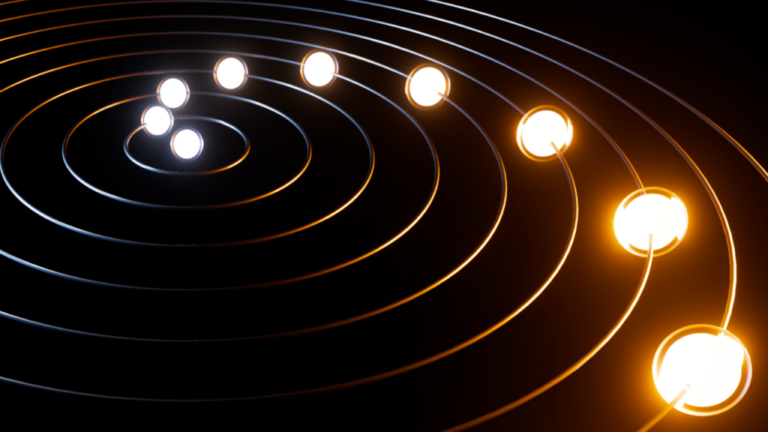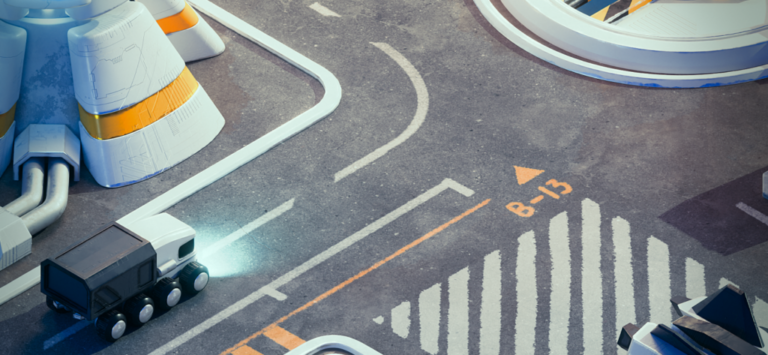
The digital art community, particularly users of the widely adopted open-source 3D creation software Blender, has once again demonstrated its vibrant creativity and technical prowess. A curated selection of the week’s most compelling works, as highlighted in the "Best of Blender Artists: 2026-9" showcase, offers a compelling snapshot of the evolving landscape of digital art. This weekly feature, compiled by BlenderNation, draws from the immense volume of submissions to the Blender Artists forum, a dedicated online hub where hundreds of artists share their creations and engage in constructive critique. The latest installment, "2026-9," underscores the continuous innovation and diverse artistic expressions flourishing within the Blender ecosystem.
The Blender Artists Forum: A Nexus of Digital Creativity
The Blender Artists forum, accessible at blenderartists.org, serves as a cornerstone for the global Blender community. It functions as a digital gallery, a collaborative workspace, and an educational resource, fostering a dynamic environment for artists of all skill levels. Each week, the forum is inundated with a torrent of new projects, ranging from intricate character designs and breathtaking environmental renders to experimental animations and innovative architectural visualizations. The sheer volume of submissions is a testament to Blender’s accessibility and its powerful capabilities, which are increasingly being leveraged by both independent artists and professional studios.
The "Best of Blender Artists" series, curated by BlenderNation’s editor Bart Veldhuizen, plays a crucial role in elevating outstanding contributions from this vast sea of talent. Veldhuizen, a long-time advocate and contributor to the Blender project, has been instrumental in documenting and promoting the software’s evolution and the community’s achievements. His involvement with Blender dates back to its early days, including writing some of the first Blender tutorials and working with Not a Number, the original developers of Blender. His founding of BlenderNation in 2006 and continuous daily editing highlight a deep-seated commitment to the platform and its users. Furthermore, his role as Head of Community at Sketchfab, a leading platform for 3D model sharing and viewing, provides him with a unique perspective on the broader trends and applications of 3D art.
Spotlight on "2026-9": A Glimpse into Artistic Trends
While the specific works featured in the "Best of Blender Artists: 2026-9" are not detailed in the provided excerpt, the implication of such a showcase is the emergence of particular themes, styles, or technical advancements that have captured the community’s attention. Typically, these weekly roundups highlight a diverse array of projects, offering insights into:

- Narrative-Driven Scenes: Artworks that tell a story through composition, lighting, and detail. This could range from fantastical narrative illustrations to slices of life rendered with remarkable realism.
- Character Design and Animation: Detailed character models, showcasing anatomical accuracy, expressive features, and often accompanied by short animation loops that bring them to life.
- Environmental Artistry: Immersive landscapes, urban vistas, or interior scenes that demonstrate mastery of lighting, texturing, and atmospheric effects, creating believable and captivating virtual spaces.
- Abstract and Experimental Work: Pieces that push the boundaries of traditional artistic expression, exploring new visual languages, rendering techniques, or conceptual ideas within the 3D medium.
- Technical Prowess: Demonstrations of advanced modeling, sculpting, texturing, rigging, or rendering techniques that highlight the artists’ technical skills and their innovative use of Blender’s features.
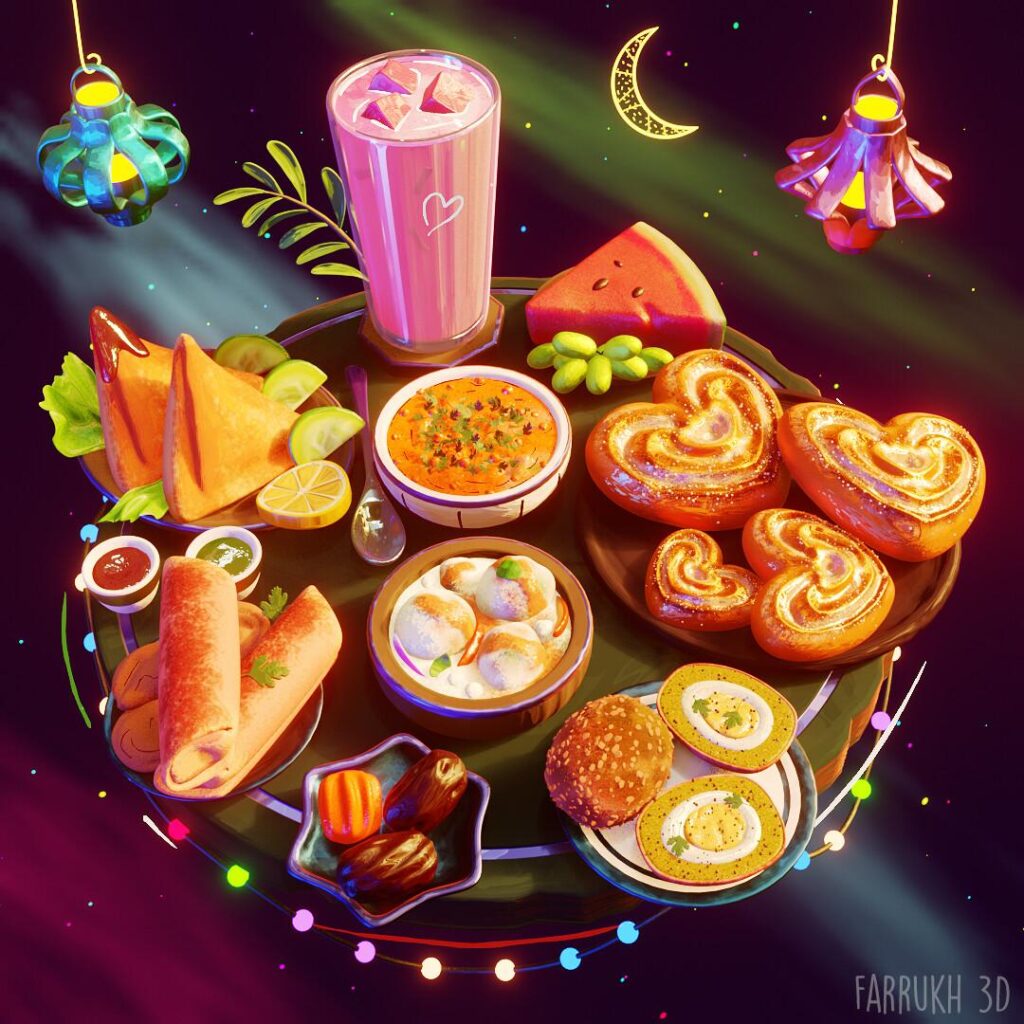
The image associated with the "2026-9" showcase, a render titled "dinner-iftar," strongly suggests a theme related to cultural traditions, likely the breaking of the fast during Ramadan. Such a piece would typically involve meticulous attention to detail in depicting food, table settings, and possibly figures engaged in the communal act of Iftar. This points to the increasing ability of Blender artists to not only create visually stunning art but also to imbue their work with cultural significance and emotional resonance.
Supporting Data and Community Growth
The sheer volume of activity on the Blender Artists forum, with "hundreds of artists" sharing their work weekly, provides crucial supporting data for the vibrancy of the Blender community. While exact figures for the "2026-9" period are not available, general trends indicate robust growth. As of recent reports, the Blender Artists forum hosts millions of posts and has tens of thousands of active users. This sustained engagement translates into a continuous influx of new talent and a constant refinement of artistic skills.
The accessibility of Blender, a free and open-source software, is a primary driver of this growth. Unlike commercial alternatives, Blender can be downloaded and used by anyone, anywhere, without licensing fees. This democratizing effect has allowed individuals from diverse economic backgrounds and geographical locations to access professional-grade 3D creation tools. Consequently, the community encompasses a wide spectrum of users, from hobbyists and students to seasoned professionals working in film, gaming, architecture, and product design.
Chronology of Blender’s Impact and Community Development
Blender’s journey from its inception in the late 1990s to its current status as a leading 3D software has been marked by significant milestones. The transition to open-source under the Blender Foundation in 2002 was a pivotal moment, ushering in an era of rapid development driven by community contributions. This open development model has fostered a culture of collaboration and innovation, where artists and developers work together to enhance the software’s capabilities.
The Blender Artists forum emerged as a natural outgrowth of this burgeoning community, providing a dedicated space for artists to share their work, seek feedback, and connect with peers. Over the years, it has evolved into one of the most important online hubs for Blender users, facilitating knowledge exchange and showcasing the software’s diverse applications. The "Best of Blender Artists" series, in its recurring nature, acts as a chronological marker of the community’s artistic evolution, capturing the prevailing trends and emerging talents at different points in time. The "2026-9" edition, therefore, fits into a larger, ongoing narrative of artistic progress within the Blender sphere.

Official Responses and Community Sentiment (Inferred)
While direct statements from Blender Foundation officials regarding specific "Best of Blender Artists" showcases are rare, the Foundation’s overarching philosophy is one of support and encouragement for its user base. The Foundation actively promotes community-driven projects and recognizes the vital role that artists play in showcasing Blender’s potential. The very existence of a platform like Blender Artists, and BlenderNation’s dedication to highlighting its best content, is a testament to this symbiotic relationship.
The sentiment within the Blender community, as expressed through forum discussions and social media, is overwhelmingly positive towards these curated showcases. Artists often express gratitude for being featured, recognizing it as validation of their hard work and a valuable opportunity to gain wider exposure. For viewers, these features serve as an inspiring source of creative ideas and a benchmark for artistic excellence within the Blender domain. The "Best of Blender Artists" series fosters a sense of shared achievement and collective pride in the capabilities of the software and its users.
Broader Impact and Implications for the Digital Art Landscape
The continuous stream of high-quality work emerging from the Blender community, as exemplified by the "Best of Blender Artists" series, has significant broader implications:
- Democratization of High-Quality 3D Art: Blender’s free and open-source nature continues to empower individuals and small teams to produce work that rivals that of larger, more resource-intensive studios. This lowers the barrier to entry for aspiring 3D artists and diversifies the voices and perspectives present in digital media.
- Innovation in Workflow and Techniques: The collaborative nature of the Blender community often leads to the discovery and popularization of new workflows, add-ons, and rendering techniques. These innovations then feed back into the software’s development, creating a virtuous cycle of improvement.
- Influence on Commercial Industries: As more artists proficient in Blender enter the professional workforce, the software’s influence on industries like animation, visual effects, game development, and architectural visualization continues to grow. Companies are increasingly adopting Blender due to its cost-effectiveness, flexibility, and the availability of a skilled talent pool.
- Cultural Representation in Digital Art: The "dinner-iftar" example, if accurately interpreted, highlights the potential for digital art tools to facilitate the expression of diverse cultural narratives. As Blender becomes more widespread, it can serve as a platform for artists to represent their heritage and traditions in new and engaging ways.
The "Best of Blender Artists: 2026-9" showcase, therefore, is more than just a collection of pretty pictures. It represents a dynamic and evolving segment of the global digital art scene, driven by accessibility, community, and a relentless pursuit of creative excellence. The ongoing contributions from artists on the Blender Artists forum, meticulously highlighted by BlenderNation, serve as a powerful testament to the enduring impact and future potential of open-source creative software. The consistent quality and diversity of these featured works underscore the growing maturity and sophistication of the Blender ecosystem, promising further groundbreaking advancements in the years to come.
About the Author