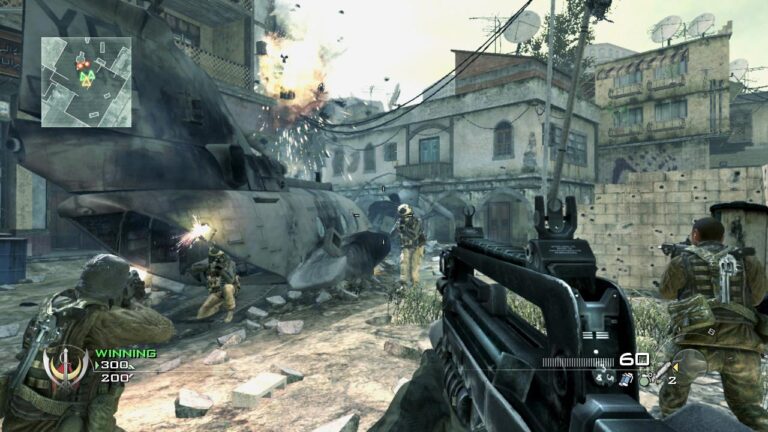
Chicago has firmly established itself as a vibrant epicenter for nurturing game design talent, boasting an impressive array of nationally-ranked game design schools and serving as home to industry-leading studios responsible for global phenomena like the Crash Bandicoot N. Sane Trilogy (developed by Iron Galaxy in part) and the iconic Mortal Kombat franchise (from NetherRealm Studios). This dynamic environment not only provides a rich educational landscape but also offers unparalleled opportunities for aspiring game developers to immerse themselves in a thriving professional ecosystem. The city’s commitment to fostering innovation in interactive media is evident in its robust academic offerings, strong industry connections, and a culture that celebrates creative technological advancements, making it a pivotal location for the future of gaming.
The city’s journey to becoming a game design powerhouse is rooted in a rich history of technological innovation and artistic expression. While Los Angeles and Seattle often dominate headlines for their established tech and entertainment industries, Chicago has quietly cultivated a formidable presence, leveraging its diverse economy and strong educational infrastructure. The presence of studios like Iron Galaxy, known for its expertise in porting and fighting game development, and NetherRealm Studios, a titan in the fighting game genre, provides a tangible link between academic training and real-world application. These studios, among others, contribute significantly to the local talent pool, often recruiting directly from the city’s leading educational institutions, thus creating a self-sustaining cycle of talent development and industry growth. This symbiotic relationship between academia and industry is a cornerstone of Chicago’s success in the gaming sector, ensuring that curricula remain relevant and graduates are equipped with in-demand skills.
To provide a comprehensive overview of the top game design schools in Chicago, Illinois, our methodology involved a rigorous review of publicly available information, detailed program offerings, and independent academic rankings. We primarily leveraged EduRank, a reputable global higher education ranking system, to identify institutions that demonstrate excellence in relevant fields. Our selection criteria prioritized schools that offer robust, career-focused programs designed to provide the strongest possible preparation for professional game design careers. This systematic approach ensures a consistent and objective evaluation, focusing on institutions that equip students with the foundational knowledge, advanced technical skills, and practical experience essential for navigating the complex and rapidly evolving gaming industry. Key considerations included curriculum depth, faculty expertise, industry partnerships, access to state-of-the-art facilities, and documented alumni success in the professional gaming landscape.
While our rankings are meticulously compiled based on statistical data and objective facts, we acknowledge that the ideal educational path is highly personal. Each prospective student brings unique needs, preferences, and aspirations regarding program focus, campus culture, financial considerations, and lifestyle choices. Therefore, our list is intended as a guiding resource, highlighting programs that have demonstrated a high capacity for preparing students for successful careers in game design. It serves as a starting point for individual research, encouraging students to explore further and align their choices with their specific educational and professional goals. The diverse offerings across Chicago’s institutions cater to a wide spectrum of interests, from technical programming and systems design to narrative development and interactive media art, ensuring that a suitable program exists for nearly every specialization within the expansive field of game design.
Top Game Design Schools in Chicago, Illinois (2026)
The following institutions represent the pinnacle of game design education in the Chicago metropolitan area, distinguished by their comprehensive curricula, innovative approaches, and strong ties to the professional gaming industry.
Illinois Institute of Technology
The Illinois Institute of Technology (Illinois Tech) stands out as a preeminent choice for aspiring game designers due to its deep-rooted focus on technology and innovation. Nestled within a city known for its architectural marvels and technological advancements, Illinois Tech provides an ideal environment for students pursuing its Bachelor of Science in Game Design and Experiential Media. This four-year program is meticulously crafted to blend theoretical knowledge with practical, project-based learning, preparing graduates for a dynamic career landscape.
The curriculum is comprehensive, covering a wide array of critical subjects. Core courses such as "Game Design and Experiential Media Intro to the Professions" introduce students to the industry’s various facets, while "Fundamentals of Game Design" and "Game Design Level 2" progressively deepen their understanding of design principles and iterative development processes. Students gain hands-on experience in areas like 3D modeling, animation, scripting, and user interface design. A significant emphasis is placed on working in collaborative, multidisciplinary teams, mirroring the structure of professional game development studios. This project-based learning approach ensures that students not only grasp theoretical concepts but also develop a robust portfolio showcasing their abilities to create compelling interactive experiences.

Graduates from Illinois Tech’s program are highly sought after in the industry, equipped with the skills to pursue diverse roles such as artificial intelligence programmer, game developer, level designer, narrative designer, and quality assurance analyst. The institution’s strong alumni network and career services further aid students in securing internships and full-time positions at reputable studios. Tuition and fees at Illinois Institute of Technology typically range from approximately $32,000 to over $49,000 per year, varying for in-state and out-of-state students. While a significant investment, the program’s strong career outcomes and the institution’s technological prestige often justify the cost for many aspiring professionals. The proximity to Chicago’s tech corridor also offers invaluable networking and internship opportunities with local game development companies and tech startups.
DePaul University
DePaul University has cultivated an exceptionally strong reputation for its comprehensive game design programs, offering both bachelor’s and master’s degrees that provide a continuous pathway for advanced specialization. Its unique approach emphasizes iterative game design and development within a highly collaborative academic environment, preparing students not just for entry-level positions but for leadership roles in the industry.
The Bachelor of Science in Game Design is structured to immerse students in the complete game development lifecycle. Learners engage in hands-on projects, fostering skills in conceptualization, prototyping, playtesting, and refinement. The curriculum covers essential areas such as game mechanics, user experience, storytelling for games, and technical implementation. This foundational degree equips students with a holistic understanding of the art and science behind game creation. For those seeking further specialization and advanced knowledge, DePaul offers a Master of Fine Arts (MFA) in Game Design. This graduate-level program delves deeper into theoretical frameworks and advanced practical applications, featuring courses like "Game Design Workshop," "Game Design Proseminar," and "Game Development Practicum." The MFA program culminates in significant capstone projects, often developed in collaboration with industry partners, providing students with portfolio-ready work that showcases their expertise.
DePaul’s commitment to career readiness is evident in its impressive track record of graduate employment. Alumni have secured positions at some of the most prestigious names in the gaming world, including Blizzard Entertainment, Iron Galaxy, NetherRealm Studios, and many other independent and AAA studios. This success is largely attributed to the program’s strong industry connections, faculty who are active professionals, and dedicated career support services. Tuition and fees at DePaul University typically range from approximately $22,000 to over $43,000 per year for in-state and out-of-state students. DePaul’s urban campus in the heart of Chicago also provides unparalleled access to cultural institutions, technology firms, and a vibrant local gaming community, enriching the student experience with real-world exposure and networking opportunities.
Columbia College Chicago
Columbia College Chicago, renowned for its arts and media programs, offers a Bachelor of Arts in Game and Interactive Media Design that bridges creative expression with technical proficiency. The program is designed to be flexible, allowing students to tailor their education to specific career interests within the broad field of interactive media.
Students enrolled in the BA program have the valuable option to concentrate their studies in one of three critical areas: game design, game programming, or UX/UI (User Experience/User Interface) design. This specialization allows for a focused development of skills while maintaining a strong interdisciplinary foundation. The core curriculum ensures that all graduates develop expertise in fundamental aspects of game art, game design principles, and video game production methodologies. Courses cover topics such as digital sculpting, level design, animation, scripting, and interactive storytelling. Columbia College Chicago places a strong emphasis on collaborative projects and portfolio development, preparing students for the demands of the creative industries. The faculty, often composed of working professionals in the Chicago game development scene, bring current industry practices and insights directly into the classroom.
This program directly prepares graduates for a diverse range of careers in the gaming and interactive media sectors. Common career pathways include game designer, narrative designer, UX/UI designer, game programmer, and technical designer. The college’s strong ties to Chicago’s creative industries provide ample opportunities for internships and professional networking, further enhancing graduate employability. Tuition and fees at Columbia College Chicago typically range from approximately $1,000 to over $30,000 per year, depending on residency and program specifics. Columbia’s location in downtown Chicago, a hub for arts, culture, and technology, offers students a dynamic environment with access to numerous galleries, theaters, and creative agencies, fostering a holistic and inspiring educational experience.
Honorable Mentions: Developing Talent Across the City
Beyond the top-tier institutions, Chicago’s educational landscape features several other universities that contribute significantly to the game design talent pipeline. Chicago State University, for instance, is noted for its online game design course, offering flexible learning options for a broader demographic. The School of the Art Institute of Chicago, while primarily focused on fine arts, provides programs that touch upon interactive media and digital art, appealing to students with a strong artistic vision for game development. The University of Chicago, known for its rigorous academic programs, offers courses and research opportunities in computer science that can be highly beneficial for students interested in the theoretical and computational aspects of game design. Similarly, the University of Illinois at Chicago (UIC) boasts a strong computer science department with concentrations and related courses that can serve as a solid foundation for a career in game programming and technical game development, often collaborating with local industry partners. These institutions collectively strengthen Chicago’s position as a diverse and comprehensive educational hub for interactive media.

Why Study Game Design in Chicago, Illinois? A Strategic Choice for Future Innovators
Chicago’s appeal as a destination for game design education extends far beyond its exceptional academic institutions. The city presents a compelling confluence of factors that make it a strategic choice for aspiring game developers, distinguishing itself through comprehensive programs, a burgeoning industry, and a robust economic infrastructure.
A Thriving Gaming Ecosystem: Chicago’s game design scene is characterized by a vibrant mix of established AAA studios and innovative independent developers. The presence of industry giants like NetherRealm Studios and Iron Galaxy not only provides immediate career opportunities but also contributes to a rich talent pool and a culture of professional excellence. Beyond these major players, the city is home to a growing number of indie studios, offering diverse creative environments and opportunities for new graduates to make significant contributions. This dynamic ecosystem fosters collaboration, networking, and a constant exchange of ideas, crucial for personal and professional growth.
Economic Powerhouse of the Midwest: What truly sets Chicago apart is its status as the top economic hub in the Midwest. This robust economic foundation translates directly into a broader array of career opportunities for game design graduates, not just within the gaming industry itself, but also in related fields such as simulation, interactive advertising, educational technology, and virtual reality. The city’s diversified economy provides a stable environment for startups and established companies alike, ensuring a steady demand for skilled professionals. This economic strength also means access to a larger pool of venture capital and investment, fueling innovation and growth within the tech and creative sectors.
Strategic Location and Accessibility: Chicago’s central location in the United States makes it highly accessible, serving as a major transportation hub. This geographical advantage facilitates networking, conference attendance, and collaboration with professionals from across the country. The cost of living in Chicago, while substantial, is generally more affordable than other major tech hubs like San Francisco or New York, offering a higher quality of life for graduates starting their careers.
Culture of Innovation and Collaboration: The city boasts a strong culture of innovation, supported by numerous tech incubators, co-working spaces, and industry meetups dedicated to gaming and interactive media. Events like Chicago Gamespace and various local game jams provide platforms for students and professionals to showcase their work, receive feedback, and forge valuable connections. Academic leaders and industry analysts frequently emphasize the collaborative spirit unique to Chicago’s tech scene, where competition is balanced with a willingness to mentor and support emerging talent. This collaborative environment is invaluable for students transitioning from academia to the professional world.
Future-Proofing Your Career: As the gaming industry continues its rapid evolution, embracing new technologies like AI, VR/AR, and cloud gaming, Chicago’s educational institutions are at the forefront of integrating these advancements into their curricula. Graduates from Chicago’s programs are thus equipped with cutting-edge skills, making them highly adaptable and resilient in a constantly changing market. The city’s proactive stance on technological integration ensures that students are not just learning current practices but are also prepared for future innovations.
Frequently Asked Questions
Q: Is it possible to study game design in Chicago, Illinois?
A: Absolutely. Chicago is a burgeoning center for game design education, housing several universities and colleges that offer a wide spectrum of programs, degrees, and specialized courses dedicated to game design, development, and interactive media. These institutions cater to various interests, from technical programming to artistic design and narrative development, providing ample opportunities for aspiring professionals.
Q: Among the universities in the city, which one has the best standalone game design program?
A: While "best" can be subjective and dependent on individual student needs, DePaul University’s Bachelor of Science in Game Design is consistently regarded as one of the top, if not the leading, standalone game design programs in Chicago. Its comprehensive curriculum, emphasis on iterative design, strong industry connections, and impressive alumni placement rates contribute to its stellar reputation within the gaming community.

Q: Does Chicago support online game design learning in 2026?
A: Yes, Chicago’s educational institutions are increasingly embracing flexible learning modalities. For example, Chicago State University is noted for providing online game design courses, offering accessible remote learning options. Other institutions may also offer hybrid models or online components within their programs, reflecting a broader trend in higher education to accommodate diverse student needs and geographic locations. Prospective students should verify the latest offerings directly with their preferred institutions.
Q: What kind of career support do Chicago’s game design schools offer?
A: Chicago’s leading game design schools typically offer robust career services tailored to the gaming industry. This includes resume and portfolio workshops, interview coaching, networking events with local and national studios, internship placement assistance, and alumni mentorship programs. Many programs also integrate capstone projects that involve industry feedback, giving students direct exposure to professional expectations and connections.
Q: Are there opportunities for independent game development in Chicago?
A: Yes, Chicago has a vibrant indie game development scene. Beyond established studios, there are numerous independent developers, co-working spaces, and community groups (like Chicago Gamespace) that foster indie creation. Schools often encourage entrepreneurial endeavors, and many graduates choose to start their own studios, leveraging the city’s supportive ecosystem and access to funding and mentorship.
Q: What is the average class size for game design programs in Chicago?
A: Class sizes can vary significantly depending on the institution and the specific course level. Introductory lectures might be larger, while advanced studios and project-based courses often feature smaller, more intimate settings to facilitate personalized feedback and collaborative work. Students interested in specific class sizes are encouraged to consult the admissions departments of individual universities.
Q: How do Chicago’s game design programs incorporate emerging technologies like VR/AR and AI?
A: Leading game design programs in Chicago are actively integrating emerging technologies into their curricula. This often includes specialized courses in virtual reality (VR) and augmented reality (AR) development, as well as modules on artificial intelligence (AI) for game mechanics, character behavior, and procedural content generation. Many schools also provide access to cutting-edge labs and equipment for hands-on experience with these technologies, ensuring graduates are at the forefront of industry innovation.
Note: This article incorporates the latest available data and information at the time of writing. Please note that statistics and program details can fluctuate over time due to updates, curriculum revisions, and real-world changes in the educational and industry landscape. Prospective students are advised to consult official university websites and contact admissions offices for the most current information.
About the Author