The mobile gaming sector has entered a period of significant transition as legacy franchises, long-awaited tactical shooters, and innovative cross-platform ports converge on the global market. This week marks a pivotal moment for several major publishers, including Sybo, Ubisoft, and Blizzard Entertainment, as they debut titles designed to capture both casual audiences and hardcore enthusiasts. From the global release of Subway Surfers City to the definitive launch of Rainbow Six Mobile, the industry is witnessing a strategic push toward high-fidelity experiences and the expansion of established intellectual properties (IP) into the mobile ecosystem.
Sybo Expands the Subway Surfers Universe with Global Sequel
Sybo Games has officially launched Subway Surfers City, the highly anticipated sequel to one of the most downloaded mobile games in history. The original Subway Surfers, which surpassed 4 billion downloads globally, established the "endless runner" genre as a cornerstone of the mobile market. With the release of Subway Surfers City on iOS and Android, Sybo aims to modernize the experience for a new generation of players while retaining the core mechanics that defined its predecessor.
The sequel introduces enhanced graphical fidelity and expanded world-building, allowing players to navigate a more dynamic urban environment. Industry analysts suggest that the launch of a direct sequel is a calculated move to refresh the brand’s monetization strategy and technical infrastructure, which had been limited by the legacy code of the original 2012 release. By introducing new social features and a more robust progression system, Sybo is positioning Subway Surfers City to maintain the franchise’s dominance in the hyper-casual and casual segments.
Ubisoft Concludes Multi-Year Development of Rainbow Six Mobile
Following a development cycle spanning more than six and a half years, Ubisoft has launched Rainbow Six Mobile worldwide. This tactical, competitive first-person shooter represents a significant technical achievement for the studio, attempting to translate the complex, destruction-based gameplay of Rainbow Six Siege to mobile devices. The game’s journey from its initial announcement to global availability has been marked by extensive closed beta phases and technical tests designed to optimize performance across a wide range of hardware.
The launch of Rainbow Six Mobile is a cornerstone of Ubisoft’s broader strategy to bring its flagship "AAA" IPs to the mobile platform, following the footsteps of competitors like Activision Blizzard’s Call of Duty: Mobile. Ubisoft’s commitment to a 5v5 tactical format emphasizes the growing demand for "hardcore" gaming experiences on handheld devices. Market data indicates that the tactical shooter genre remains one of the most lucrative segments in mobile gaming, particularly in regions like Southeast Asia and South America, where mobile is the primary gaming platform.

Narrative Innovation and IP Crossovers: The Witcher and Overwatch
The mobile market continues to serve as a fertile ground for narrative-driven spin-offs and experimental gameplay formats. Devolver Digital and developer Nerial have released Reigns: The Witcher, the latest entry in the card-swiping narrative series. By integrating the dark fantasy world of CD Projekt Red’s The Witcher with the minimalist decision-making mechanics of Reigns, the title offers a unique entry point for fans of the franchise. The game is currently available on mobile platforms as well as PC and Mac, highlighting a trend toward multi-platform accessibility for indie titles.
Simultaneously, Blizzard Entertainment has officially announced Overwatch Rush, a top-down, mobile-exclusive hero shooter set within the Overwatch universe. While the game is currently in early development, its announcement signals Blizzard’s intent to diversify the Overwatch brand beyond the traditional team-based shooter format. Overwatch Rush is expected to leverage the franchise’s deep roster of characters and lore while adapting the controls for a touch-first interface. This move follows the success of Diablo Immortal, further proving Blizzard’s commitment to expanding its presence in the mobile space under its new ownership at Microsoft.
The Rise of Premium Ports and Survival Roguelites
The distinction between console/PC gaming and mobile gaming continues to blur as high-quality ports become more frequent. Devolver Digital has announced that Ball x Pit, a "brick-breaking, ball-fusing, base-building survival roguelite," will arrive on mobile devices on March 12. Priced at a premium point of $9.99, the game follows a successful run on PC and consoles. This pricing model suggests a growing confidence in the "buy-to-play" market on mobile, catering to players who prefer a traditional gaming experience without the interruptions of microtransactions or advertisements.
Similarly, Deck 13’s Drova – Forsaken Kin is scheduled for a mobile release on April 23. Inspired by Celtic mythology, this action RPG gained critical acclaim on PC for its atmospheric world and challenging gameplay. The transition of such titles to mobile is often facilitated by the increasing processing power of modern smartphones, allowing developers to maintain visual and mechanical parity with console versions.
Strategic Soft Launches and Regional Testing
Before a global rollout, many publishers utilize soft launches to refine game balance and monetization. Supercent’s Dragon Burst, described as a "brick-breaking roguelike RPG," has entered soft launch in the United States, Singapore, Puerto Rico, and the Philippines. These markets are often selected for their diverse player demographics and high levels of English proficiency, providing developers with actionable data on player retention and spending habits.
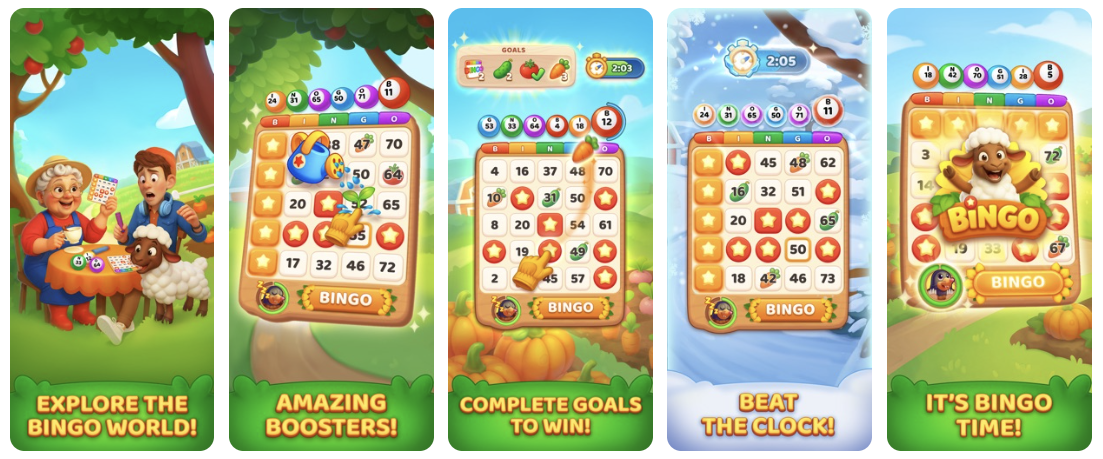
SciPlay is also employing a regional strategy with Bingo Farm, which is set to soft launch in Israel and Ukraine. This targeted approach allows the studio to test server stability and social features in specific geographic corridors before scaling to a global audience. The use of data analytics in these phases is becoming increasingly sophisticated, with studios leveraging AI-driven insights to predict long-term player behavior.

Niche Market Penetration: K-Pop and Match-3 Synergy
The casual gaming sector remains highly competitive, often requiring unique thematic hooks to stand out. Kakao has launched SMiniz, a K-pop-themed match-3 puzzle game. By capitalizing on the global popularity of K-pop culture, Kakao aims to bridge the gap between music fandoms and mobile gaming. Match-3 games remain the highest-grossing sub-genre in mobile gaming, and the integration of licensed K-pop content provides a powerful incentive for user acquisition in a crowded marketplace.
Industry Implications and the Role of Data Analytics
The flurry of high-profile releases and announcements coincides with a broader industry focus on player retention and operational efficiency. The upcoming ThinkingData Summit 2026 is expected to address these challenges, featuring leaders from Google, Blizzard, and Habby. As the cost of user acquisition (UA) continues to rise due to privacy changes and market saturation, the role of analytics and LiveOps has become paramount.
Studios are increasingly turning to AI to automate community management, optimize in-game economies, and personalize player experiences. The success of titles like Rainbow Six Mobile and Subway Surfers City will likely depend not just on their initial download numbers, but on their ability to sustain a live-service model over several years.
Conclusion: A Maturing Mobile Ecosystem
The current trajectory of the mobile gaming market reflects a maturing industry that is no longer satisfied with simple clones of existing hits. Instead, major publishers are investing in long-term development cycles, high-quality production values, and strategic IP expansion. The global launch of a sequel as significant as Subway Surfers City, combined with the technical ambition of Rainbow Six Mobile, underscores a shift toward a more sophisticated mobile landscape.
As we move toward the second quarter of 2026, the industry will closely monitor the performance of these titles. The ability of Blizzard to successfully launch Overwatch Rush and the reception of premium ports like Ball x Pit will provide critical indicators of where the market is headed. For now, the sheer variety of releases—from K-pop puzzles to Celtic mythology RPGs—demonstrates that the mobile platform remains the most diverse and rapidly evolving sector of the global entertainment industry.
About the Author