Following the successful conclusion of Ludum Dare 56 on October 7th, 2024, where game developers worldwide grappled with the evocative theme of "Tiny Creatures" within intense 48- or 72-hour development cycles, itch.io is proud to present a second curated selection of standout games. With over 800 entries tagged "Ludum Dare 56" populating the platform in the past two weeks alone, the sheer volume and diversity of creative output necessitated a deeper dive into the emergent talent and innovative concepts that defined this latest iteration of the esteemed game jam. These recommendations aim to guide enthusiasts and fellow developers through a landscape rich with ingenuity, showcasing how a seemingly simple theme can inspire a myriad of interpretations across various genres and artistic styles.
The Enduring Legacy of Ludum Dare: A Catalyst for Creativity
Ludum Dare, Latin for "to make a game," stands as one of the longest-running and most influential game jams globally. Founded in 2002 by Geoff Keighley and later organized by Mike Kasprzak, the event has grown exponentially, becoming a biennial pilgrimage for independent game developers, hobbyists, and industry veterans alike. Its core mission is to challenge participants to create a video game from scratch within a severely constrained timeframe – either 48 hours for the solo-focused "Compo" category or 72 hours for the "Jam" category, which allows teams and pre-made assets. This intense pressure, coupled with a randomly selected theme, forces participants to innovate, prioritize, and often discover new development techniques and creative solutions under duress.
The significance of Ludum Dare extends beyond merely creating games; it fosters a vibrant, supportive community. Participants provide constructive feedback on each other’s entries, learn from shared experiences, and build valuable networks. Many successful indie games, such as Baba Is You and Mini Metro, trace their origins back to Ludum Dare prototypes, demonstrating the jam’s role as a fertile ground for new ideas and emerging talent. For new developers, it serves as an invaluable learning experience, offering a complete project lifecycle from concept to playable demo within days. For seasoned creators, it’s an opportunity to experiment outside commercial pressures, push creative boundaries, and reconnect with the pure joy of game development.
Ludum Dare 56: A Chronology of "Tiny Creatures"

Ludum Dare 56 officially commenced on September 29th, 2024, with the highly anticipated theme announcement: "Tiny Creatures." This theme immediately sparked diverse interpretations, ranging from literal insects and microscopic organisms to metaphorical small communities, nascent worlds, or even diminutive aspects of larger entities. Developers had until October 7th, 2024, to submit their creations, marking the culmination of intense development sprints. Following the submission deadline, a two-week voting and feedback period began, allowing the global community to play, rate, and comment on the hundreds of entries. This peer-review process is integral to Ludum Dare, providing invaluable critique for developers and helping highlight exceptional titles. Official results, including category winners and top-ranked games, are typically announced a few weeks after the voting period concludes, further celebrating the community’s achievements.
The "Tiny Creatures" theme proved particularly versatile. It encouraged a broad spectrum of game mechanics, from meticulous management of microscopic ecosystems to large-scale narratives told through the lens of small protagonists. Some developers focused on the literal interpretation, crafting games about insects, bacteria, or miniature people. Others explored the metaphorical, creating games about small beginnings, fragile ecosystems, or the impact of minor actions on a grander scale. This thematic flexibility is a hallmark of Ludum Dare, ensuring a rich tapestry of games that defy easy categorization and consistently surprise players with their originality.
The Digital Deluge: Over 800 Games on itch.io

The impressive figure of over 800 games tagged Ludum Dare 56 on itch.io underscores the event’s sustained popularity and the platform’s crucial role in hosting and archiving these creations. itch.io has become the de facto home for many game jams, offering an accessible and developer-friendly environment for submission, discovery, and community interaction. This high volume of entries not only reflects the enthusiasm of the developer community but also presents a significant challenge: how to effectively navigate and appreciate such a vast collection.
The curation efforts by platforms like itch.io are therefore essential, providing spotlights and recommendations that help exceptional games cut through the noise. This volume also highlights the increasing accessibility of game development tools and resources, allowing a broader demographic of creators to participate. The diversity in game engines, programming languages, and art styles evident in the Ludum Dare 56 submissions speaks to a thriving ecosystem where creative barriers are continually being lowered. Each submission, regardless of its polish or scope, represents a significant personal achievement for its creator, embodying countless hours of dedication and problem-solving under tight deadlines.
A Deeper Look: Itch.io’s Second Wave of Ludum Dare 56 Recommendations
This second collection of recommended games further illustrates the breadth of interpretation and innovation present in Ludum Dare 56. Each title, in its unique way, breathes life into the "Tiny Creatures" theme, offering distinct gameplay experiences.
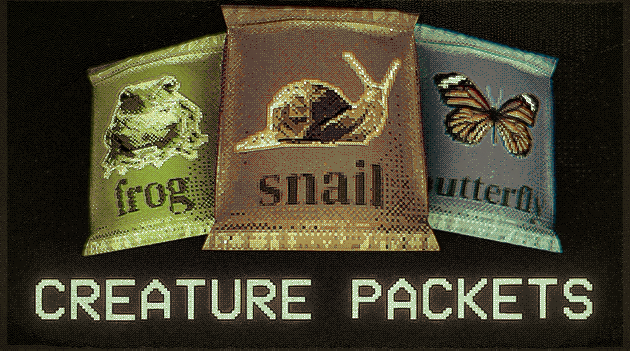
Creature Packets by Kenforest is a prime example of thematic subversion. Presented with a distinct PS1-era aesthetic, this game plunges players into a bizarre cooking simulation where the ingredients are sentient "tiny creatures." The gameplay loop involves using a microwave to bring these packeted creatures to life, then utilizing a blender to discover new substances and, consequently, more creatures to cook. The retro visual style adds a layer of nostalgic charm that cleverly juxtaposes with the unsettling premise of culinary experimentation on living, albeit tiny, beings. It’s a darkly humorous and experimental title that pushes the boundaries of typical cooking game mechanics. Available for Windows, it invites players to explore its peculiar world.
Build The Sun by Punkcake offers a grander, cosmic scale interpretation of "tiny creatures." This pixel-art god game begins with players nurturing a humble fire, exploring a nascent world, settling territories, and gathering resources. The ultimate objective is to expand and upgrade this primal flame until it blossoms into a celestial body – the Sun itself. The "tiny creatures" here could be interpreted as the early civilizations or elements that contribute to this monumental cosmic evolution. The game’s charming pixel art style evokes a sense of wonder and growth, allowing players to witness a world evolve from microscopic beginnings to a star-spanning empire. It’s an ambitious concept executed within the jam’s constraints, available across Windows, macOS, and Linux.
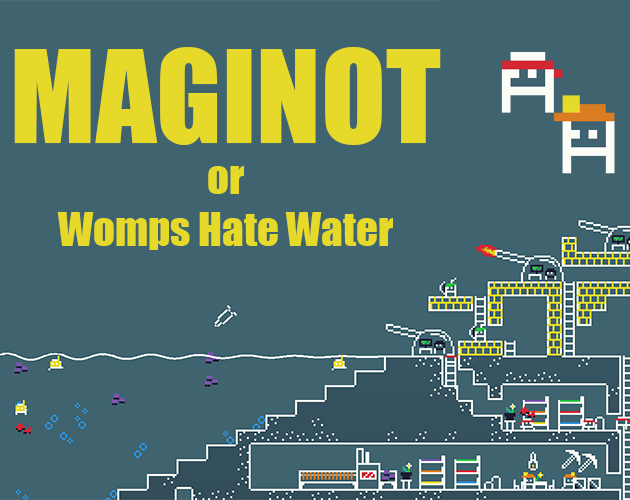
Maginot by vfqd delves into the incremental colony-building genre, focusing on the relentless struggle against the sea. Players are tasked with digging deep for minerals, constructing a thriving colony, and attracting peculiar "Womps" – presumably the titular tiny creatures. The overarching goal is an audacious one: to "obliterate the sea," suggesting a battle of epic proportions from a microscopic perspective. The incremental nature of the game implies strategic resource management and gradual expansion, making every small decision critical to the colony’s survival and ultimate triumph. Playable directly in your browser, its accessibility means a wide audience can experience its unique blend of strategy and persistent progression.
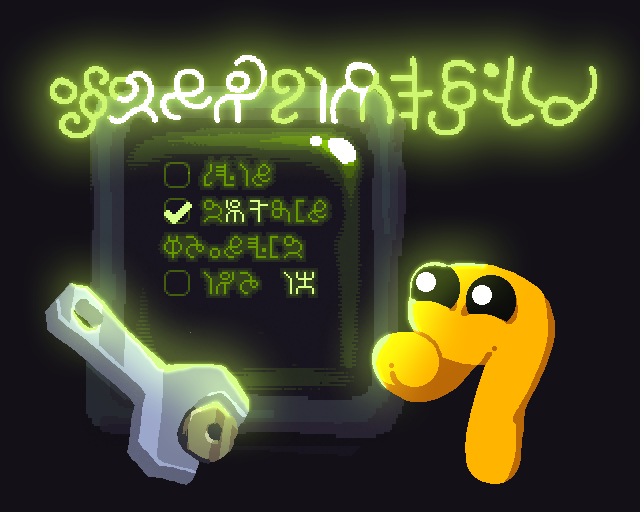
Headquarters by Yogurtthehorse offers a more cerebral experience. This mysterious point-and-click simulation game challenges players to decipher an alien alphabet. The "tiny creatures" in this context might be the cryptic symbols themselves, or perhaps the minute details and patterns that lead to understanding. The game’s focus on observation, deduction, and puzzle-solving provides a quiet yet engaging challenge, appealing to those who enjoy linguistic and logical enigmas. The widespread availability across browser, Windows, Linux, and macOS ensures that a diverse range of players can immerse themselves in its intriguing narrative.
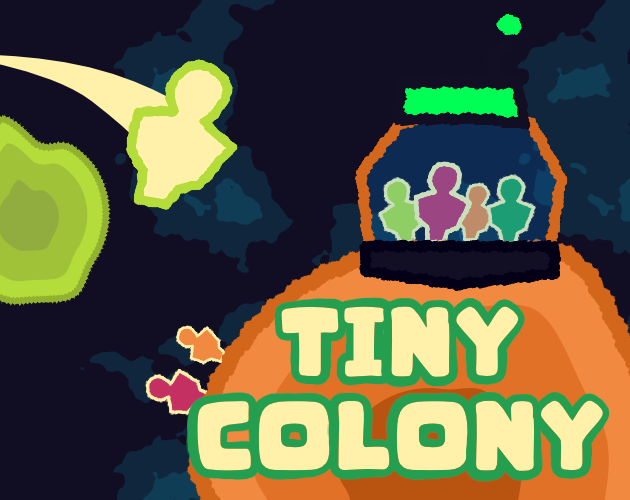
Tiny Colony by mreliptik leverages physics-based mechanics in a space colonization setting. Players colonize planets by launching their tiny creatures through an "interplanetary slingshot system." The core mechanic involves using a planet’s gravity to one’s advantage, navigating through space while avoiding obstacles and the endless void. This game cleverly interprets "tiny creatures" as intrepid spacefarers, emphasizing their vulnerability and the precision required for their journey. The blend of physics puzzles and strategic colonization makes for a compelling and challenging experience. Available in browser, Windows, Linux, and Android, it brings intergalactic strategy to multiple platforms.
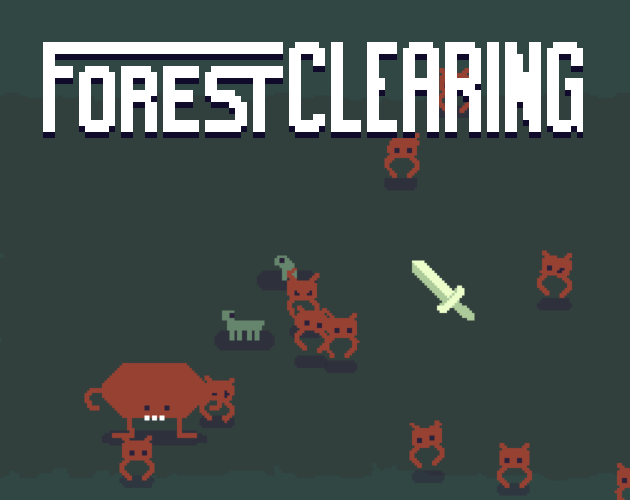
FOREST CLEARING by Jefvel presents a dark and humorous take on the survival genre. Players are confronted with a moral dilemma: protect their "small friends" in the forest or harvest them for meat. The game involves swinging a sword to defend these creatures, using their harvested meat to purchase upgrades when inevitable death occurs. This roguelike structure, where death is a part of progression, combined with the ethical quandary of sacrificing allies for personal gain, creates a uniquely unsettling yet engaging experience. The "tiny creatures" here are both companions and resources, blurring the lines of survival ethics. Playable in browser and on Windows, it offers a quick but impactful challenge.
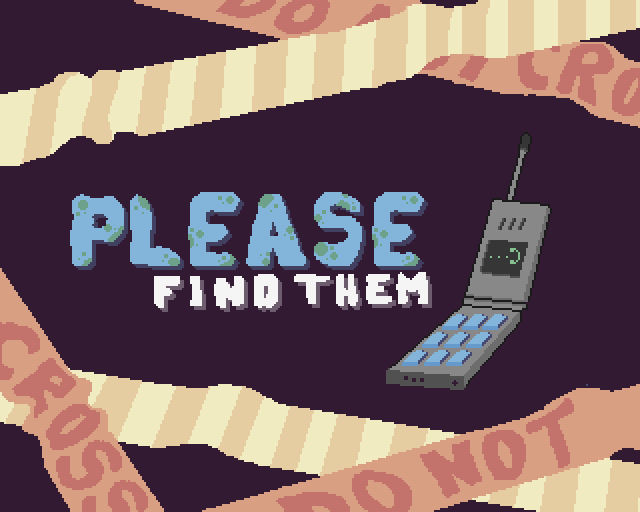
Please Find Them by Adamlenglen is a classic hidden object game with a whimsical premise. Players assume the role of an exterminator tasked with locating small creatures that have inexplicably shrunk within people’s houses. The game relies on keen observation and attention to detail as players meticulously scan environments for the elusive, shrunken beings. This straightforward interpretation of the "tiny creatures" theme provides a relaxing yet engaging puzzle experience, perfect for players who enjoy visual challenges and lighthearted exploration. Its browser-based accessibility allows for immediate play.
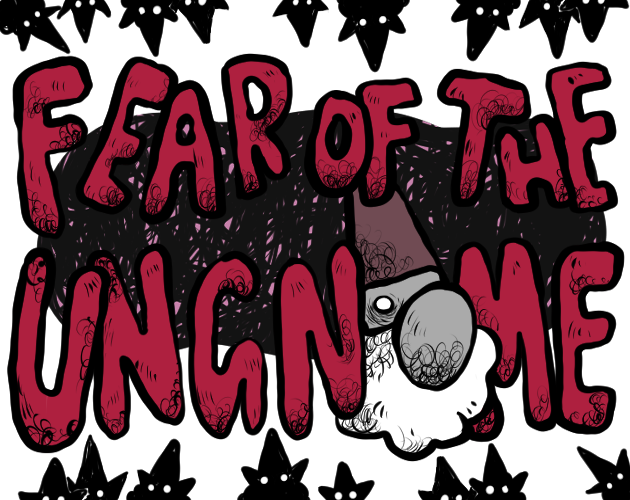
Fear of the Ungnome by Scottts injects mystery and procedural generation into a first-person exploration and puzzle game. The quest revolves around finding a Great Aunt’s elusive gnome, a literal "tiny creature" imbued with perhaps magical or sentimental significance. The procedurally generated elements ensure replayability and a fresh experience with each playthrough, adding an unpredictable layer to the exploration. The first-person perspective draws players directly into the search, enhancing the sense of immersion and discovery within this unique puzzle environment. Available in browser and on Windows, it promises a new adventure every time.
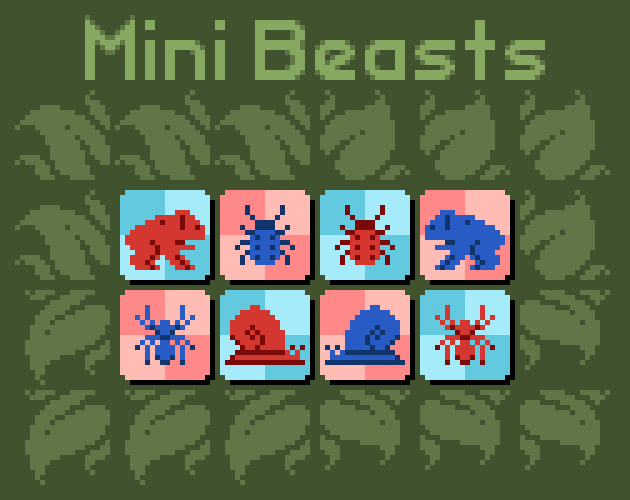
Mini Beasts by Cassowary offers a concise and colorful puzzle experience. The objective is to rearrange critters, the "mini beasts," to match their colors. This game exemplifies the charm and simplicity often found in game jam puzzle entries. It’s an accessible, visually appealing title that focuses on straightforward logical problem-solving, making it an enjoyable diversion for players of all ages. Its browser-based platform ensures easy access for anyone looking for a quick, engaging brain-teaser.
Vox Regis by Sheepolution stands out with its innovative input method. In this medieval strategy game, players embody a king tasked with maintaining power by sowing chaos and keeping rebellious groups "small in size." The truly unique aspect is the use of voice control: players use their own voice to "lay blame on factions," manipulating the populace to uphold their rule. This interpretation of "tiny creatures" refers to the manageable size of dissenting groups, and the voice input adds an unprecedented layer of immersion and interaction. It’s a bold experiment in game control and political simulation. Available in browser, Windows, macOS, and Linux, it encourages players to literally speak their way to power.
Statements and Reactions: The Pulse of the Community
The overwhelming participation in Ludum Dare 56 and the subsequent engagement on itch.io underscore the vibrant health of the independent game development scene. Representatives from itch.io, while not providing direct quotes for this specific event, consistently emphasize their commitment to fostering such communities. "Itch.io exists to empower creators and connect them with players," a spokesperson might infer, "Events like Ludum Dare perfectly encapsulate our mission, bringing together developers to push boundaries and share their passion. We are always thrilled by the creativity and volume of submissions we see, and it reinforces our dedication to providing a supportive platform."
Similarly, the organizers of Ludum Dare would likely express immense satisfaction with the outcome. "The ‘Tiny Creatures’ theme truly resonated with our community, leading to an astonishing array of innovative games," an organizer might state. "The talent and dedication displayed by participants, often under incredible time pressure, continue to inspire us. Ludum Dare is more than just a competition; it’s a celebration of collaborative creativity and rapid prototyping that pushes the art form forward."
Developers themselves frequently laud Ludum Dare for its unparalleled learning opportunities. Many consider it a "boot camp" for game development, where practical skills are honed, new technologies are explored, and creative muscles are rigorously exercised. The feedback loop on itch.io is particularly valued, offering immediate insights and encouragement from peers and players.
Broader Impact and Implications for Indie Gaming
Ludum Dare, and game jams like it, serve as crucial incubators for the indie game industry. They are not merely exercises in rapid development but often the genesis of commercially viable projects. The constraint-driven environment forces developers to focus on core mechanics and unique selling points, often leading to innovative design choices that might be overlooked in longer development cycles. The "Tiny Creatures" theme, for instance, pushed developers to think outside the box, resulting in games that explored scale, perspective, and the intricate lives of small entities in imaginative ways.
Furthermore, these events democratize game development. With readily available tools and platforms like itch.io, aspiring creators from any background can participate, contributing to a richer, more diverse gaming landscape. The games highlighted from Ludum Dare 56 demonstrate a healthy mix of established genres with novel twists, alongside entirely experimental concepts, showcasing the dynamic nature of independent creation. The public accessibility of these games on itch.io also provides invaluable exposure for developers, allowing their work to be discovered by a global audience without the traditional gatekeepers of the industry. This direct connection between creators and players is a cornerstone of the indie movement, fostering a community-driven approach to game discovery and appreciation.
In essence, Ludum Dare 56’s "Tiny Creatures" theme has once again proven the power of creative constraints, generating a diverse ecosystem of games that range from the whimsical to the profound. These jam entries are more than just prototypes; they are testaments to human ingenuity, collaborative spirit, and the boundless potential of interactive storytelling.
To explore the full spectrum of creativity from this event, readers are encouraged to browse all Ludum Dare games on itch.io, or specifically delve into the extensive collection of Ludum Dare 56 games. The discovery of hidden gems awaits, offering a glimpse into the future of independent game development. What were your favorite Ludum Dare 56 games? Share your thoughts and discoveries in the comments below!
About the Author