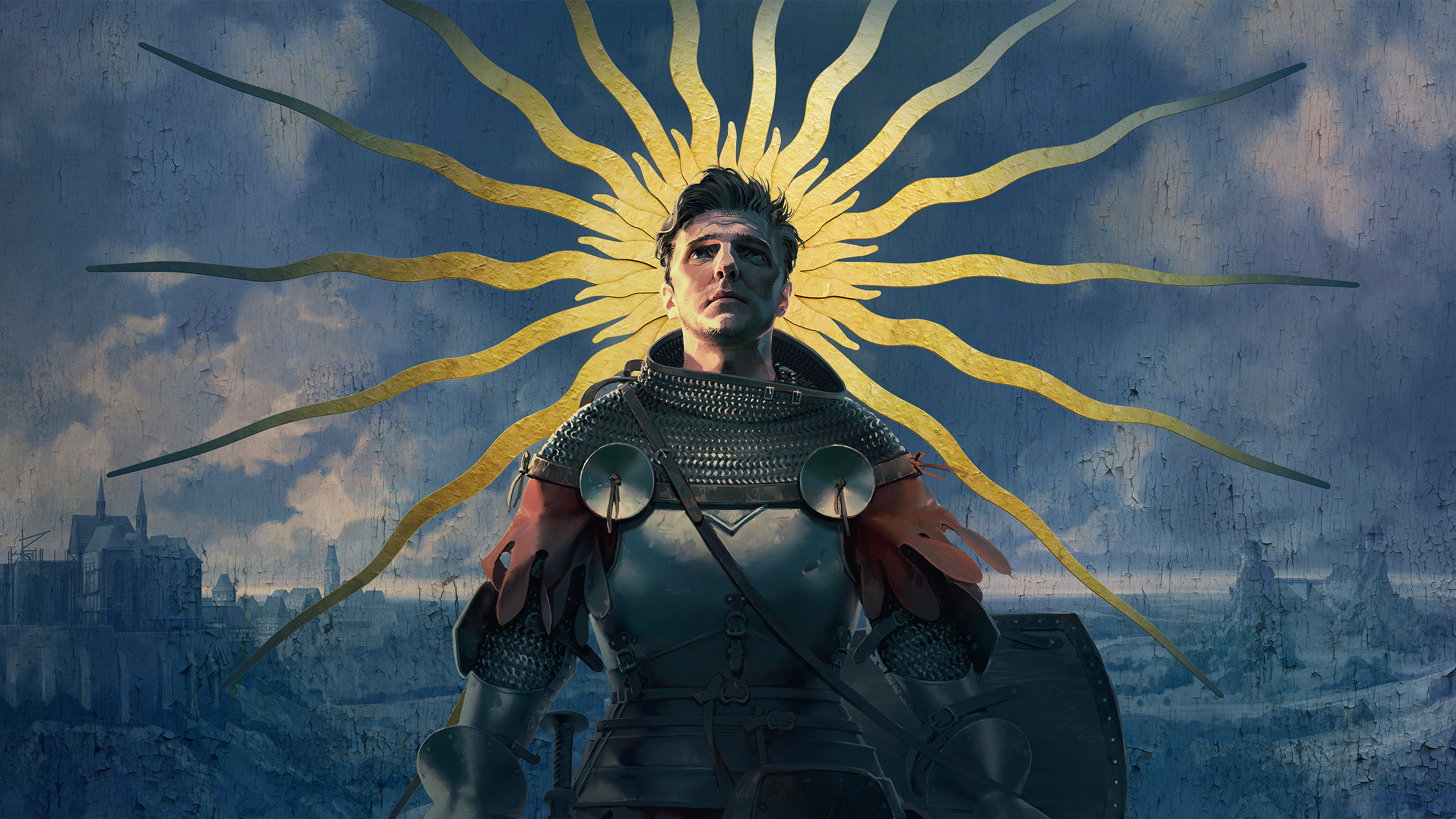
Daniel Vavra, the acclaimed director behind the critically lauded historical RPG Kingdom Come: Deliverance and its recently successful sequel, has announced his departure from direct game development at Warhorse Studios. After a 14-year tenure, Vavra is transitioning into a new role focused exclusively on bringing the rich world of Kingdom Come: Deliverance to the screen, whether cinematic or televised. This significant shift, confirmed by studio boss Martin Frúvaldský in an interview with CzechCrunch, marks a pivotal moment for both the influential developer and the rapidly expanding Czech studio.
Daniel Vavra’s Transition and New Role
Vavra’s decision to step back from the intense daily grind of game development is reportedly driven by a long-held desire to explore new creative avenues. Martin Frúvaldský elaborated on this, stating that Vavra "wanted to move on" and had been keen "to try something different for a long time." While his presence will no longer be a daily fixture in the studio’s game development operations, Frúvaldský emphasized that Vavra remains connected to Warhorse in a "broader sense," signifying a strategic rather than an absolute severance. This new position, which Frúvaldský metaphorically termed "transmedia director," highlights the studio’s ambition to expand the Kingdom Come: Deliverance brand beyond its gaming roots.
This career pivot aligns Vavra’s passion for storytelling with the burgeoning trend of video game adaptations across various media. His deep understanding of the Kingdom Come: Deliverance universe, which he meticulously crafted to be a historically accurate and immersive experience, positions him uniquely to shepherd its transition to film or television. The move suggests a proactive strategy from both Vavra and Warhorse to capitalize on the franchise’s growing popularity and ensure the adaptation remains faithful to its intricate narrative and historical integrity.
The Vision for Kingdom Come: Deliverance on Screen
The "something new" Vavra is pursuing is a direct film adaptation of Kingdom Come: Deliverance. Discussions are already well underway with interested parties in the film world, and a draft script is reportedly in existence. Frúvaldský articulated the studio’s cautious yet ambitious approach to this venture: "We don’t just want to sell the rights, we want the film to be what we imagine it to be." This statement underscores a strong commitment to creative control, a common concern among fans and creators when beloved intellectual properties are adapted for new mediums.
The aspiration is for the adaptation to reach "the screen or the big screen," indicating potential targets ranging from streaming series to major cinematic releases. The studio’s ambition is to connect with "a similar audience as the game," specifically targeting major markets such as the United States, Western Europe, and Asia. This broad international appeal, already demonstrated by the game’s commercial success, is crucial for any large-scale media production. The potential for a Kingdom Come: Deliverance film or series represents a significant opportunity to introduce the compelling narrative of Henry of Skalitz and the turbulent landscape of 15th-century Bohemia to an even wider global audience.
Warhorse Studios: A New Era of Leadership
Coinciding with Vavra’s transition is a comprehensive organizational restructuring at Warhorse Studios, a clear indication of the company’s rapid growth and strategic evolution. With a current employee count approaching three hundred, the studio is expanding its leadership team to manage its increasing scale and future projects.
In terms of game development, the creative helm will now be jointly managed by Viktor Bocan and Prokop Jirsa, who have been appointed as the new creative directors. Bocan brings extensive experience, having been a lead designer on the original Kingdom Come: Deliverance and a long-time collaborator with Vavra. Jirsa also holds a deep understanding of the studio’s vision and development philosophy. This dual leadership structure aims to ensure continuity while fostering fresh perspectives in the game design process.
The executive team is also seeing additions, with Frúvaldský and Martin Klím now joined by Victor Höschl as art director and Martin Stús as CTO. These appointments signify a strengthening of the core leadership across critical departments, preparing Warhorse for continued innovation and efficiency in its game development pipeline. The studio boss reiterated that the film project is viewed as a "complement to our game creation," emphasizing that their primary focus on developing immersive gaming experiences remains steadfast and that the brand’s expansion into transmedia is a strategic enhancement rather than a diversion.
The Enduring Legacy of Kingdom Come: Deliverance
The foundation for these ambitious expansions is the remarkable success of the Kingdom Come: Deliverance franchise. The original game, released in 2018, was a bold departure from traditional fantasy RPGs, garnering acclaim for its historical accuracy, challenging combat, and realistic portrayal of medieval life. It quickly amassed a dedicated fanbase and achieved significant commercial success, surpassing millions of copies sold within its first few years.
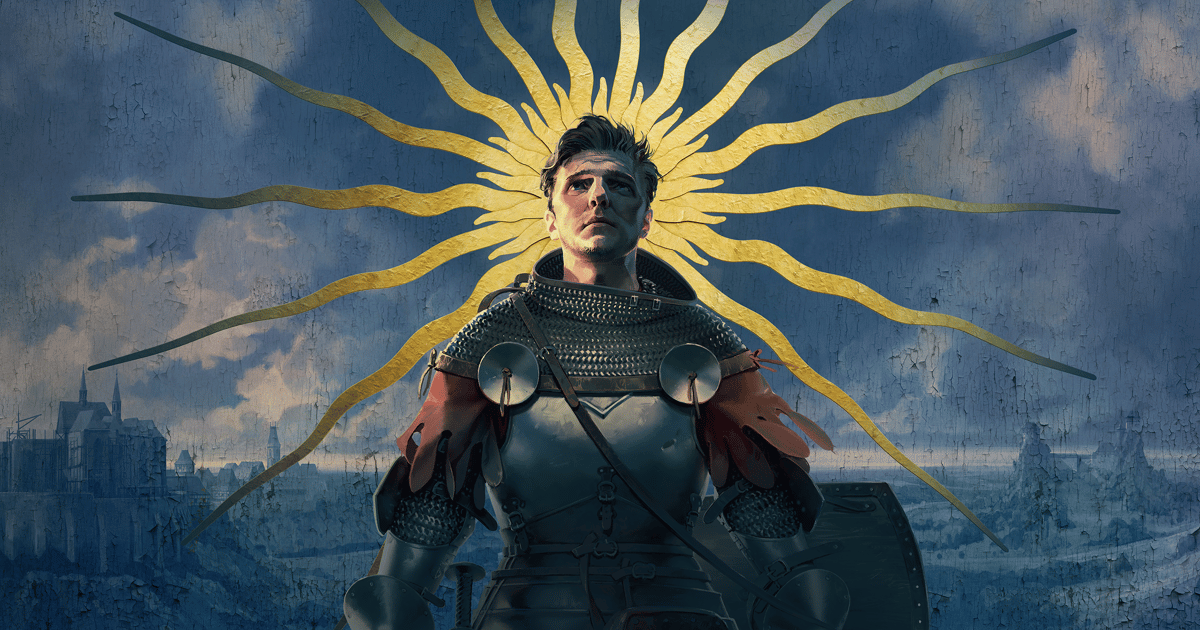
The sequel, Kingdom Come: Deliverance II, has continued this trajectory of success, reaching a major milestone recently announced by publisher Deep Silver (a subsidiary of Embracer Group). Within its first year, Kingdom Come: Deliverance II sold an impressive five million copies, cementing the franchise’s status as a major player in the RPG genre. This rapid sales performance not only validates Warhorse Studios’ unique approach to historical role-playing but also underscores the burgeoning appeal of the Kingdom Come brand. The strong performance of both titles provides a robust financial and reputational basis for venturing into new media adaptations. The studio recognizes the immense growth of its brand, with Frúvaldský stating, "We would have to be blind if we didn’t realize how much our brand has grown." This acknowledgment highlights the strategic imperative to expand the franchise’s reach beyond its core gaming audience.
A Chronology of Warhorse Studios and KCD
To fully appreciate the significance of this transition, a brief chronology of key events related to Daniel Vavra and Warhorse Studios provides essential context:
- 2009: Daniel Vavra departs 2K Czech (formerly Illusion Softworks), where he was instrumental in the creation of the highly successful Mafia and Mafia II series, known for their gritty storytelling and historical settings. This departure laid the groundwork for his pursuit of an independent vision.
- 2011: Daniel Vavra co-founds Warhorse Studios in Prague, Czech Republic, with Martin Klím. Their stated goal is to create a realistic, historically accurate medieval RPG without fantasy elements.
- 2014: Kingdom Come: Deliverance launches a highly successful Kickstarter campaign, raising over £1 million (approximately $1.5 million USD at the time), far exceeding its initial goal. This crowdfunding success demonstrated significant public interest in their unique concept.
- February 13, 2018: Kingdom Come: Deliverance is officially released to critical acclaim and strong commercial performance, quickly selling over a million copies globally and establishing Warhorse Studios as a significant developer.
- 2019: Warhorse Studios is acquired by Koch Media (now Plaion), a subsidiary of the Embracer Group, which also owns Deep Silver, the publisher of Kingdom Come: Deliverance. This acquisition provided the studio with greater resources for future projects.
- Early 2020s (approximate): Development on Kingdom Come: Deliverance II begins in earnest, building upon the foundation and success of the first game.
- Late 2025 (estimated): Kingdom Come: Deliverance II is released, quickly surpassing sales expectations and achieving five million copies sold within its first year, further solidifying the franchise’s commercial viability.
- February 24, 2026: News breaks of Daniel Vavra’s departure from day-to-day game development at Warhorse Studios to focus on a Kingdom Come: Deliverance film adaptation. Concurrently, Warhorse announces a significant organizational transformation, including new creative directors and an expanded leadership team.
Industry Context: Game-to-Film Adaptations
The move to adapt Kingdom Come: Deliverance into a film or series places it within a rapidly growing trend in the entertainment industry. In recent years, Hollywood has increasingly looked to video games as a source of compelling narratives and established fanbases. While the history of game adaptations is mixed, with notable failures alongside breakout successes, the landscape has significantly improved.
Recent triumphs like The Last of Us series on HBO, the Arcane animated series based on League of Legends, and the Super Mario Bros. Movie have demonstrated the immense potential when adaptations are handled with care, respect for the source material, and often, the direct involvement of the original creators. These successes highlight the critical importance of maintaining creative integrity, a point explicitly emphasized by Warhorse Studios regarding their film aspirations.
However, the path is not without its challenges. Translating interactive experiences into passive viewing narratives requires significant artistic decisions, often necessitating changes to pacing, character arcs, and thematic emphasis. The historical realism and intricate RPG mechanics that define Kingdom Come: Deliverance present both unique opportunities and difficulties for adaptation. Vavra’s direct involvement as a "transmedia director" could be a crucial factor in navigating these complexities, ensuring that the essence of the game’s world and characters remains intact.
Implications for the Future
Daniel Vavra’s transition marks a new chapter for both himself and Warhorse Studios. For Vavra, it represents a bold career pivot, allowing him to explore a different facet of storytelling and expand his creative legacy. His deep understanding of the Kingdom Come: Deliverance world will be invaluable in crafting an authentic screen adaptation, a task that many game creators dream of but few get to actively steer.
For Warhorse Studios, the shift signifies a maturing of the company. The appointment of Viktor Bocan and Prokop Jirsa as creative directors ensures that game development remains in capable hands, with individuals intimately familiar with the studio’s ethos. The expanded leadership team indicates a strategic scaling for future projects, suggesting that Warhorse intends to continue delivering high-quality games while simultaneously leveraging its successful IP across other media. This organizational growth is crucial for sustaining the momentum gained from Kingdom Come: Deliverance II‘s record sales.
The Kingdom Come: Deliverance franchise itself stands poised for unprecedented growth. A successful film or series could dramatically broaden its audience, potentially drawing new players to the games and solidifying its status as a major historical entertainment brand. This cross-media synergy could create a virtuous cycle, where each new adaptation or game release fuels interest in the other. However, the success of the screen adaptation will be critical; a misstep could damage the brand’s carefully cultivated reputation for authenticity and quality.
Ultimately, this development underscores a broader trend in the entertainment industry where the lines between gaming, film, and television continue to blur. As video games evolve into complex, narrative-rich experiences, the demand for their adaptation into other formats will only increase. Daniel Vavra and Warhorse Studios are at the forefront of this evolution, demonstrating a proactive and strategically managed approach to expanding a beloved intellectual property across diverse media landscapes. The future of Henry of Skalitz, it seems, will be told not only through the interactive choices of players but also through the compelling visuals of the silver screen.
About the Author