In a significant philanthropic endeavor marking a year since its inception, prominent tech entrepreneur Jeff Atwood and his wife Betsy have escalated their commitment to "Share the American Dream," announcing a total of $71 million in donations and pledges. This ambitious initiative, spearheaded by the newly launched Rural Guaranteed Minimum Income Initiative (RGMII), aims to address both immediate and systemic poverty across America, with a distinct focus on underserved rural communities. The couple’s philanthropic journey, catalyzed by the substantial wealth generated from the 2021 acquisition of Stack Overflow, pivots on the principle of direct cash transfers as a potent tool for societal upliftment, a concept they are rigorously testing through scientific pilot programs in three U.S. counties.
From Tech Visionary to Philanthropic Pioneer: Jeff Atwood’s Journey
Jeff Atwood, widely recognized as the co-founder of the highly influential programming Q&A website Stack Overflow and the author of the popular "Coding Horror" blog, transitioned from a celebrated career in software development and entrepreneurship to large-scale philanthropy following a pivotal financial event. In 2021, Stack Overflow was acquired by Prosus for a reported $1.8 billion, providing Atwood and his family with significant resources. This personal inflection point prompted a profound re-evaluation of wealth and responsibility, leading to the articulation of a core philosophical question: "When, exactly, is enough?" This query, central to their subsequent philanthropic strategy, underscores a belief that having met their own needs, a moral imperative exists to ensure others can meet theirs. The Atwoods’ approach is rooted in the adage, "From those to whom much is given, much is expected," a quote attributed to Mary Gates, mother of Microsoft co-founder Bill Gates, which has profoundly influenced their giving philosophy. This principle guides their conviction that their newfound wealth carries a commensurate responsibility to contribute meaningfully to society.
The Genesis of "Share the American Dream": A Two-Pronged Pledge
The "Share the American Dream" pledge was first introduced by Jeff Atwood a year prior, inviting fellow Americans to join in a dual commitment designed to foster widespread prosperity and equity. The initial call to action outlined two primary objectives. Firstly, it encouraged immediate support for organizations "effectively helping those most in need across America right now," advocating for transparent and impactful giving by referencing resources like Charity Navigator. This immediate-response component acknowledges the urgent crises many individuals and families face daily. Secondly, the pledge called for a longer-term vision: within five years, individuals were urged to contribute "public dedications of time or funds towards longer term efforts to keep the American Dream fair and attainable for all our children." This forward-looking aspect emphasizes the importance of addressing the root causes of inequality and poverty, rather than merely treating symptoms. The pledge’s dual focus reflects a comprehensive strategy that combines rapid relief with sustainable, systemic change, aiming to rebuild and preserve the foundational promise of opportunity for future generations.
Immediate Impact: $21 Million for Urgent Needs
Responding to the immediate needs articulated in the first tenet of their pledge, Jeff and Betsy Atwood initially allocated $1 million to eight diverse nonprofit charities in January 2025. However, witnessing the escalating urgency of societal challenges, they swiftly expanded their commitment. Within a few months, an additional $13 million was disbursed, bringing their total short-term donations to a substantial $21 million. These funds were directed towards organizations providing critical services such, food security, housing assistance, healthcare access, and educational support, aiming to alleviate acute distress and provide immediate relief to vulnerable populations across the United States. This rapid scaling of their initial giving underscores their responsiveness to observed needs and their commitment to making a tangible difference in the lives of those facing immediate hardship. The Atwoods’ strategic deployment of funds in this phase highlights a tactical understanding that while long-term solutions are vital, addressing present suffering cannot be deferred.

Pivoting to Systemic Change: The $50 Million Commitment and GMI
Recognizing that reactive "firefighting" against individual crises is unsustainable without addressing underlying causes, the Atwoods shifted their focus to the second, longer-term component of their pledge. They publicly committed an additional $50 million—half of their remaining wealth earmarked for philanthropy—to tackle systemic issues that erode the American Dream. This significant pledge signals a strategic pivot from immediate relief to fundamental societal restructuring.
By March 2025, after extensive research and deliberation, the Atwoods reached a consensus on their primary long-term vehicle: Guaranteed Minimum Income (GMI). This decision was detailed in a blog post titled "The Road Not Taken is Guaranteed Minimum Income." GMI, an evolved form of Universal Basic Income (UBI), distinguishes itself by directing financial aid specifically to those who need it most, particularly families contending with generational poverty. Unlike UBI, which provides an unconditional income to all citizens regardless of means, GMI employs a targeted approach to maximize impact and efficiency, aiming to lift individuals and families above a baseline standard of living.
The choice of GMI reflects a belief in the efficacy of direct cash transfers, a philanthropic model that has gained increasing traction globally. Research suggests that providing unconditional cash transfers empowers recipients to address their most pressing needs, fostering autonomy and dignity. Studies from various pilot programs worldwide have demonstrated that direct cash transfers can lead to improved health outcomes, increased educational attainment, enhanced food security, and a reduction in crime rates, often without discouraging work. This evidence-based approach aligns with the Atwoods’ commitment to "do science" and generate open data to inform broader policy discussions.
A Personal Testimony: The Impact of Direct Aid
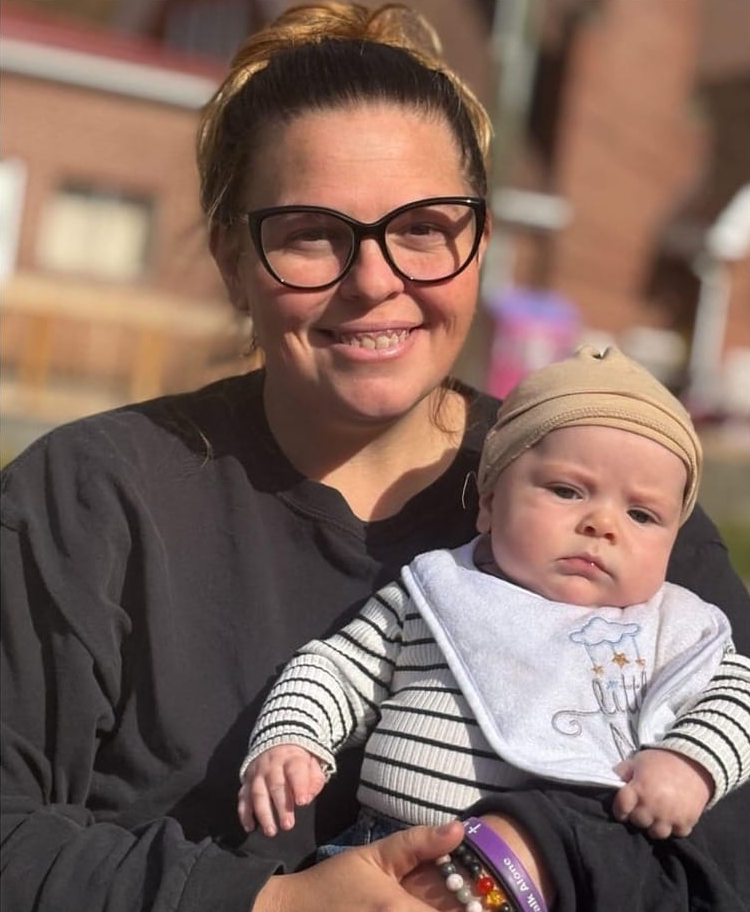
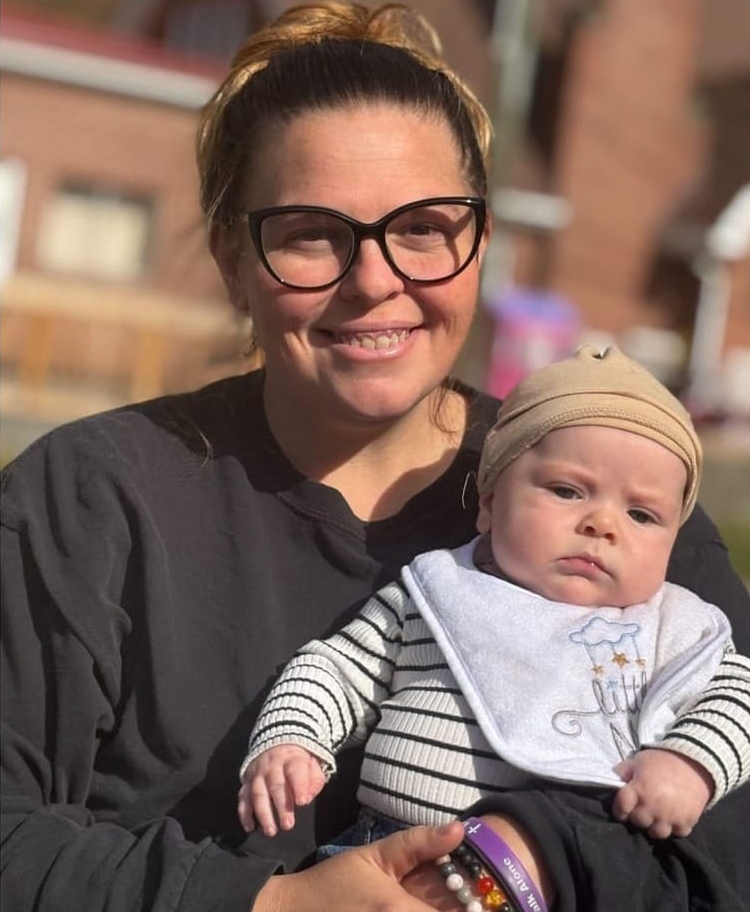
The rationale for GMI is powerfully illustrated through personal stories, such as that of Stacy D., a recipient in West Virginia. Stacy’s experience, shared as part of the initiative, provides a stark reminder of the challenges faced by many Americans and the profound impact that direct financial assistance can have. As a mother of five, pregnant and unable to work due to high-risk conditions, Stacy found herself isolated and without the typical support networks available to others. Her vehicle, essential for transporting her large family, broke down just as she was cleared to return to work, plunging her deeper into precarity.
"I moved here with my family. And I have no family up here other than who I brought with me. So, how most people can be like, ‘Hey, I’m having a hard time. Got $20 or a pack of diapers.’ I have nobody up here to do that. So, if me and my husband don’t figure it out, it don’t get figured out," Stacy recounted, highlighting the intense pressure of self-reliance in the absence of a safety net. She emphasized the practical barriers she faced: "The day I got cleared to go back to work, my vehicle broke down… I’ve been four months without my car. So this is also going to get my vehicle back on the road." For Stacy, the GMI was not an abstract policy but a lifeline, enabling her to secure basic necessities, maintain stability for her children, and regain independence. "This is gonna… it’s going to do a lot!" she exclaimed, encapsulating the transformative potential of direct, unconditional aid in critical moments. Her narrative underscores the initiative’s core belief: that providing financial stability empowers individuals to overcome immediate obstacles and build a foundation for a more secure future.
Building on What Works: The Rural Guaranteed Minimum Income Initiative (RGMII)

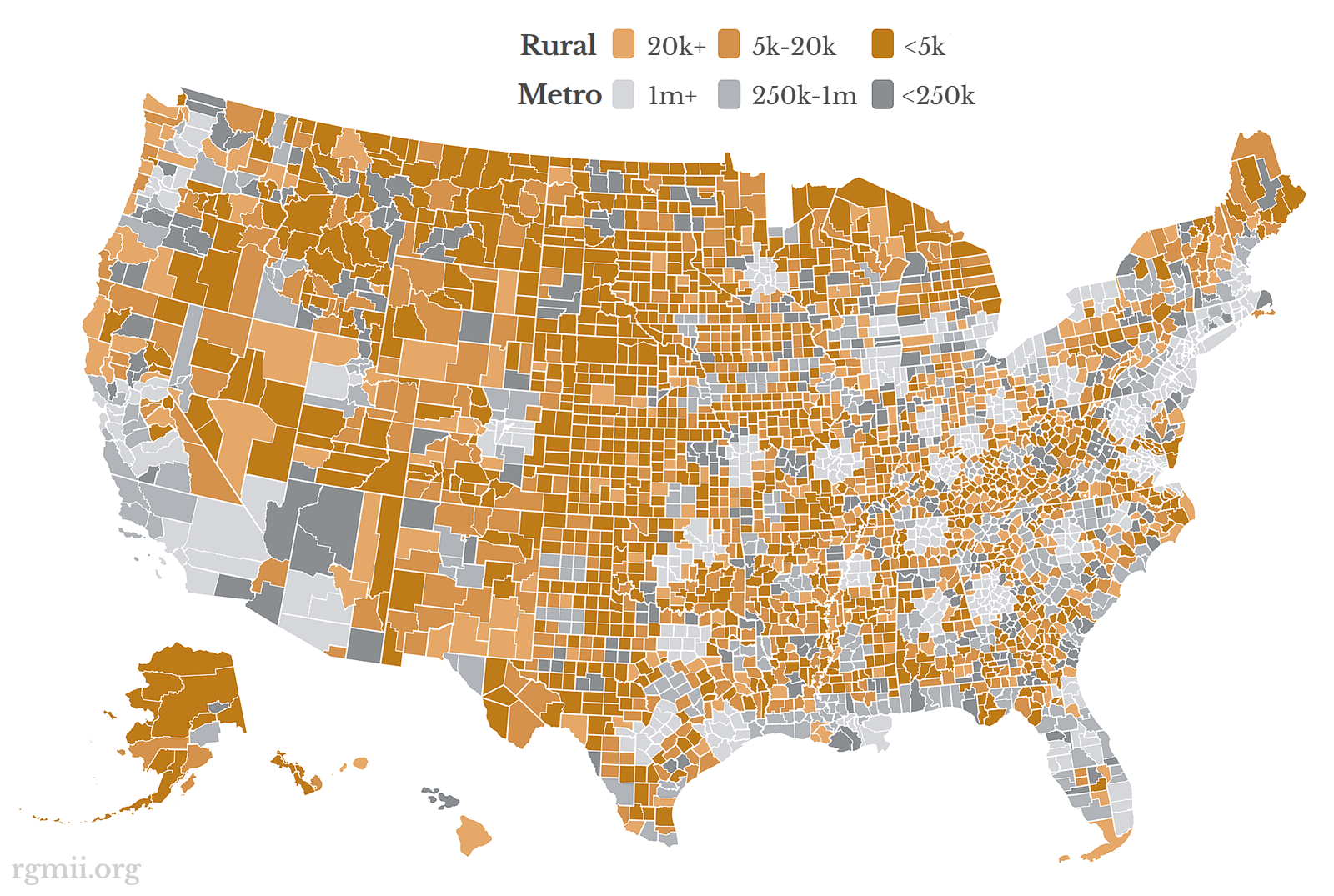
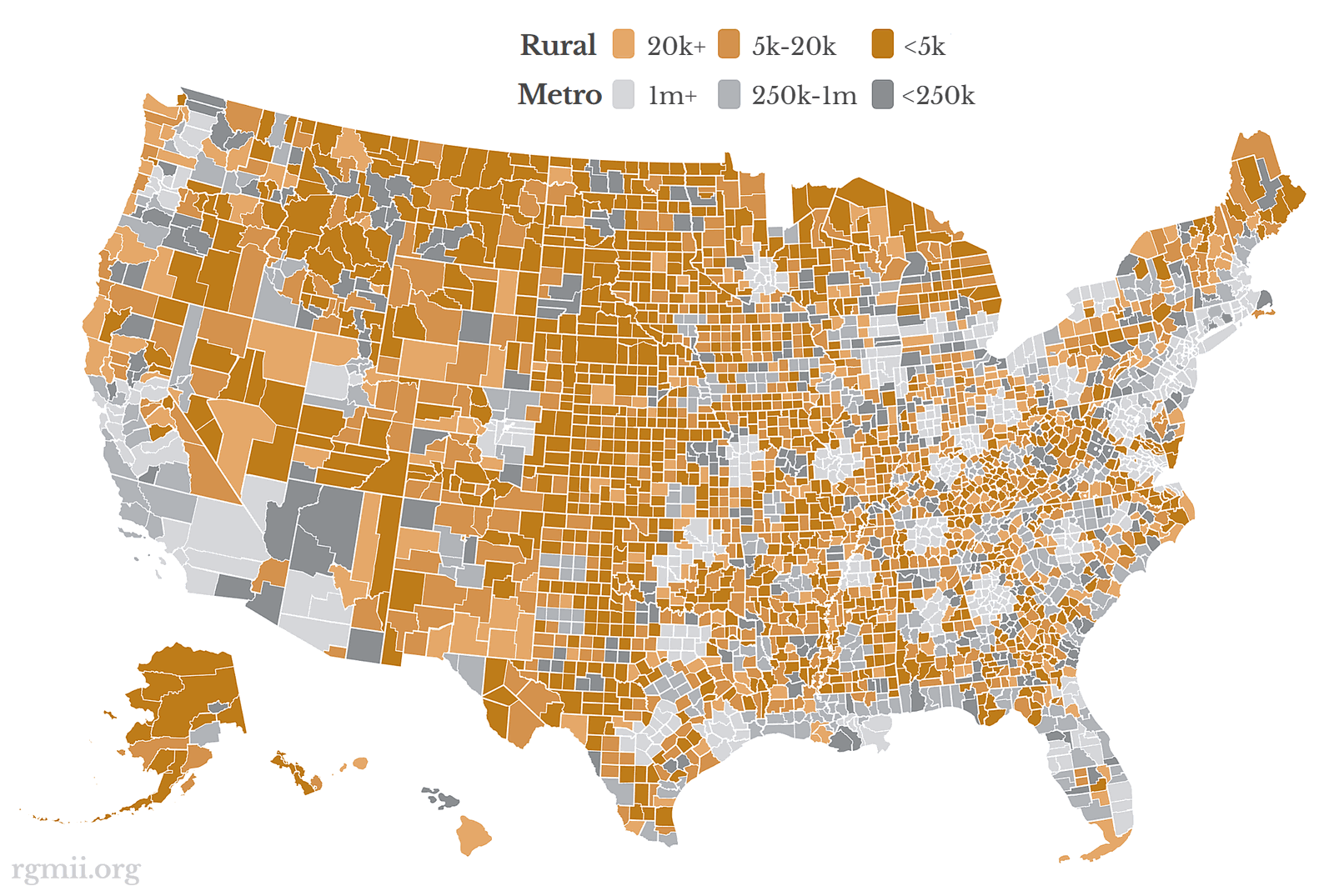
To implement their GMI vision, the Atwoods established the Rural Guaranteed Minimum Income Initiative (RGMII), a new organization dedicated to advancing the concept of direct cash transfers through targeted programs and data collection. The RGMII distinguishes itself by strategically focusing on rural counties across the United States. This focus is deliberate, driven by several key factors. Firstly, dollars often extend further in rural economies, potentially yielding greater impact per investment. Secondly, poverty is frequently more prevalent and entrenched in rural areas, which are often overlooked by large-scale philanthropic and governmental programs. Lastly, rural populations are typically smaller, allowing for tighter, more manageable studies that can generate robust, actionable data.
Jeff Atwood, whose own family roots trace back to rural America, expressed a personal connection to this demographic, noting the "incredible untapped talent" residing in these communities. This strategic choice aims not only to address immediate financial insecurity but also to unlock human potential in areas often marginalized by economic development initiatives.
The RGMII is already well underway, having funded three county-level pilot programs in Mercer, West Virginia; Beaufort, North Carolina; and Warren, Mississippi. These programs are designed to provide financial support to thousands of residents over a 16-month period, with a commitment to openly sharing all data and results with the wider world. This transparent, scientific approach is crucial for validating the efficacy of GMI in diverse rural contexts and for informing future policy decisions. The selection of these initial counties, spread across different regions, will offer valuable insights into the varying socio-economic dynamics that influence program outcomes.
Strategic Rationale: Why Rural America?

The decision to concentrate the RGMII’s efforts on rural counties is a cornerstone of its innovative strategy. Rural areas in the U.S. often face unique and compounding challenges, including limited access to healthcare, education, and employment opportunities, as well as higher rates of poverty compared to urban centers. According to the U.S. Census Bureau, poverty rates in non-metropolitan areas have historically lagged behind metropolitan areas, and rural economies are often more susceptible to downturns in specific industries like agriculture or manufacturing. By focusing on these regions, the RGMII aims to address disparities that are frequently overlooked by broader initiatives.
The lower cost of living in many rural areas means that GMI funds can have a disproportionately higher impact, stretching further to cover essential needs such as food, housing, and transportation. Furthermore, the smaller, more cohesive communities in rural settings can facilitate more effective program administration, deeper engagement with participants, and more accurate data collection. This targeted approach allows the RGMII to conduct rigorous scientific studies, building an evidence base that can advocate for the broader adoption of GMI as a viable poverty alleviation strategy. The Atwoods believe that by demonstrating success in these often-forgotten communities, they can create a compelling model for national change.
Scaling for National Impact: The Path to 50 States
While the initial three pilot programs represent a significant start, the Atwoods harbor considerably larger ambitions. Their long-term vision for the RGMII is to expand its reach to all 50 states over time, progressively lifting thousands more individuals and families out of poverty. This expansion would involve a continuous process of data collection, analysis, and refinement, ensuring that the GMI model is adaptable and effective across diverse socio-economic landscapes.
The initiative explicitly invites broad participation, recognizing that such a monumental undertaking requires collective effort. The RGMII website serves as a central hub for sharing study results, providing a comprehensive history of GMI, and offering resources for advocating for the concept. Community engagement is a key component, encouraging individuals to learn about GMI, discuss its potential with their representatives, and help dispel common misconceptions. A surprising number of people remain unfamiliar with the concepts of UBI or GMI, and education is crucial for fostering informed public discourse.
For those "to whom much is given," the RGMII offers a direct pathway to sponsor county-scale GMI studies, thereby accelerating the expansion of the initiative. By partnering with other philanthropists and organizations, the Atwoods aim to build a robust network capable of bringing GMI studies to new rural counties, thereby generating an expansive dataset on the efficacy and impact of direct cash transfers across the nation. This collaborative model underscores their belief that shared responsibility is essential for achieving widespread societal change.
The Broader Implications of Direct Cash Transfers
The RGMII’s focus on Guaranteed Minimum Income is rooted in a growing body of evidence supporting the transformative potential of direct cash transfers. Beyond simply alleviating poverty, studies from various GMI and UBI pilots worldwide have demonstrated a range of positive externalities. Recipients often report reduced stress and improved mental health, leading to better decision-making and overall well-being. Health outcomes frequently improve as individuals can afford nutritious food, necessary medications, and preventive care. Furthermore, contrary to common misconceptions, most recipients use the funds responsibly, often investing in education, starting small businesses, or making home repairs, thereby stimulating local economies.
The Atwoods’ initiative, therefore, is not merely about giving money; it is about investing in human dignity, fostering economic stability, and empowering individuals to achieve their full potential. By focusing on generating open data, the RGMII aims to contribute significantly to the global understanding of effective poverty reduction strategies. The scientific rigor applied to these pilot programs could provide compelling evidence to policymakers at local, state, and national levels, potentially influencing broader social welfare reforms. The initiative embodies a radical act of love—a direct and unconditional investment in the well-being of fellow citizens, grounded in the belief that shared prosperity is the only sustainable path forward for society.
A Lifetime of Work: Shared Dreams and Future Outlook
Jeff Atwood characterizes the RGMII as his "third and final startup," signaling a profound personal commitment to this philanthropic endeavor for the foreseeable future. Rather than establishing a broad "Atwood Foundation," their specific focus on advancing the concept of direct cash transfer underscores a conviction in its singular power to effect positive change. They emphasize that simply "giving money to those most in need" is perhaps the most direct and effective expression of compassion, a path they believe is supported by extensive data demonstrating its efficacy in helping people secure basic needs, maintain stable housing, and manage unexpected expenses.
The Atwoods’ initiative is a powerful testament to the idea that dreams, like happiness, are only truly realized when shared. Through the Rural Guaranteed Minimum Income Initiative, they are not only providing immediate relief and long-term stability but also generating critical knowledge that could reshape national conversations about poverty, wealth distribution, and the fundamental promise of the American Dream. By fostering collaboration and inviting others to contribute to this scientific and humanitarian effort, they aim to build a more equitable and compassionate society, one rural county at a time. The ongoing work of the RGMII, accessible at staygold.us, represents a dedicated, evidence-based approach to tackling some of the most persistent challenges facing the nation, driven by a profound belief in the survivable path of love and shared prosperity.
About the Author