A year after renowned software developer and entrepreneur Jeff Atwood, founder of Coding Horror and co-founder of Stack Overflow, issued a public call to action for Americans to "Share the American Dream," he and his partner, Betsy Atwood, have announced a transformative philanthropic commitment. Following an initial $21 million in donations addressing immediate societal needs, the couple has now pledged an additional $50 million—half of their remaining wealth—to establish the Rural Guaranteed Minimum Income Initiative (RGMII). This ambitious undertaking is designed to tackle the systemic roots of poverty, specifically targeting underserved rural communities across the United States, and represents Atwood’s "third and final startup" dedicated entirely to advancing the concept of direct cash transfers. The initiative aims to provide financial stability to thousands of families, generate crucial empirical data on the efficacy of GMI, and ultimately influence broader national policy discussions.
The Genesis of a Philanthropic Vision: "Share the American Dream"
The "Share the American Dream" pledge, launched a year prior, called upon individuals to engage in a two-pronged approach to civic responsibility. The first component encouraged immediate support for organizations effectively assisting those most in need across America. The second, more forward-looking aspect, urged public dedications of time or funds within five years towards longer-term efforts aimed at preserving the fairness and attainability of the American Dream for future generations. This personal conviction for philanthropy was deeply influenced by Mary Gates’ impactful quote: "From those to whom much is given, much is expected." For the Atwoods, this maxim served as a profound catalyst, shifting their focus from wealth accumulation to impactful giving. Jeff Atwood, who experienced a significant liquidity event with the acquisition of Stack Overflow by Prosus for a reported $1.8 billion in 2021, has openly grappled with the question of "When, exactly, is enough?" This introspection led to the family’s conclusion that their needs were met, prompting a dedication to ensuring others could also access fundamental necessities.
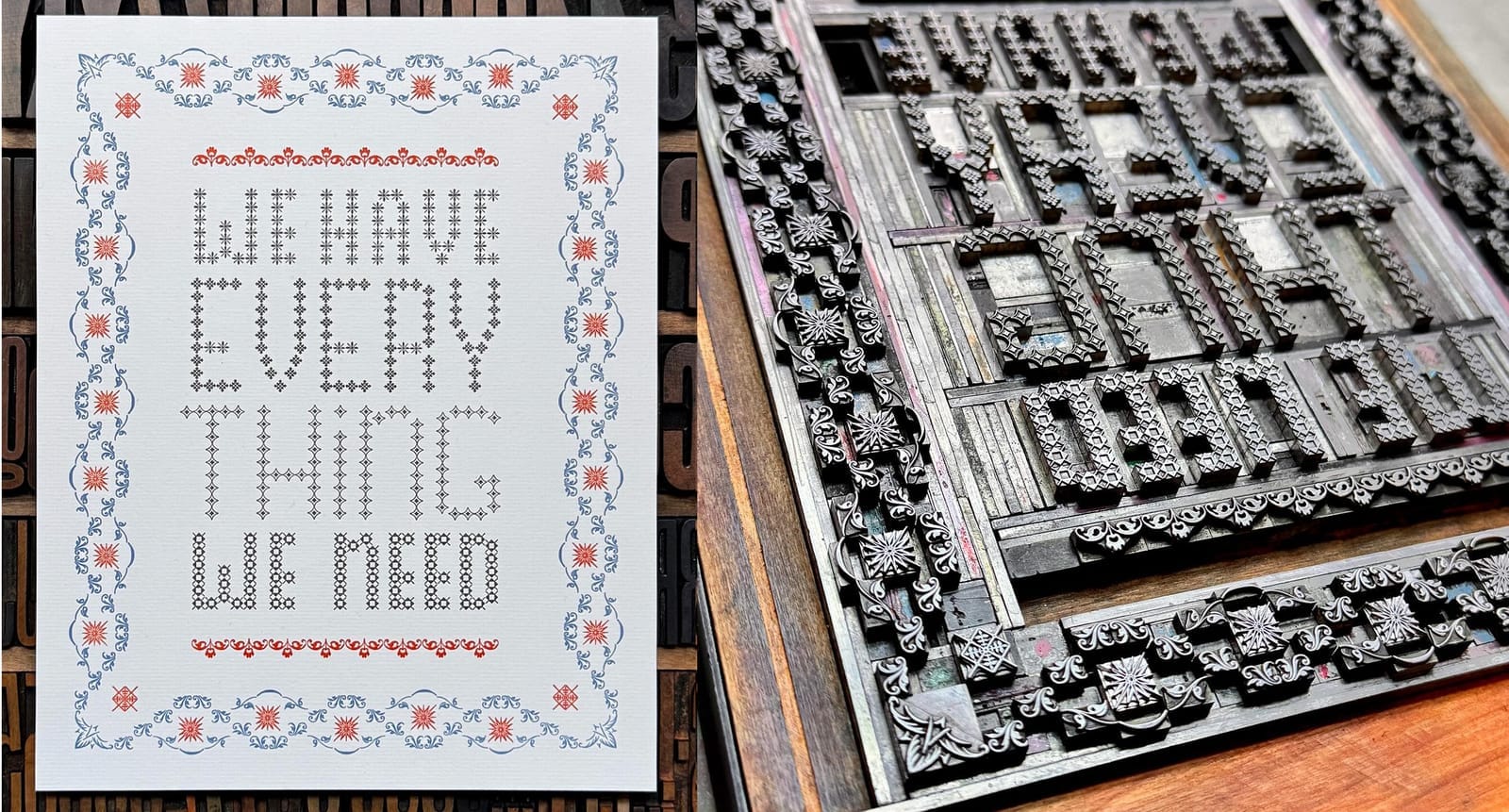
Betsy Atwood articulated this philosophy during a recent podcast, stating, "We have everything we need; how do we make sure everybody has what they need? Because that’s the basic thing — Do you have a comfortable place to live? Do you have enough to eat? Do you have healthcare? If you have the basics, you’re in a good place in life, and everybody should have that opportunity." This sentiment underscores the core humanitarian drive behind their substantial philanthropic endeavor, prioritizing basic human welfare as a cornerstone of societal well-being.

A Chronology of Commitment: From Immediate Aid to Systemic Change
The Atwood family’s philanthropic journey began with swift action following their initial pledge. In January 2025, they commenced with a $1 million distribution to eight distinct nonprofit charities, focusing on organizations recognized for their effective immediate assistance. Recognizing the escalating urgency of societal needs, this initial commitment was rapidly expanded. Within a few months, an additional $13 million was disbursed, bringing the total immediate aid to $21 million. These funds were directed towards critical relief efforts, addressing emergent challenges faced by vulnerable populations across the nation.
However, the Atwoods recognized that reactive "firefighting" against individual crises, while necessary, could not address the underlying causes of poverty and inequality. This understanding spurred their focus on the second, longer-term aspect of their pledge. By March 2025, after exploring various avenues for systemic impact, they converged on Guaranteed Minimum Income (GMI) as the most promising solution. This decision was the culmination of extensive research and deliberation, aligning with Atwood’s previous speculative ideas about establishing a modernized research and implementation organization akin to the RAND Corporation or Lever for Change. The goal was to empower experts to identify realistic and achievable pathways to preserve the American Dream for everyone. The establishment of the Rural Guaranteed Minimum Income Initiative (RGMII) then became the primary vehicle for this $50 million commitment, representing a strategic pivot towards proactive, evidence-based intervention.
Understanding Guaranteed Minimum Income (GMI) and Its Potential
The Atwoods’ decision to champion GMI stems from its nuanced approach compared to Universal Basic Income (UBI). While UBI typically involves providing a regular, unconditional cash payment to all citizens, GMI is specifically designed to direct financial support towards individuals and families who are most in need, particularly those entrenched in generational poverty. This targeted approach aims to maximize the impact of every dollar, ensuring it reaches the populations facing the most significant economic hurdles.
Proponents of GMI argue that direct cash transfers empower recipients by allowing them to address their most pressing needs without bureaucratic restrictions. Unlike traditional welfare programs that often come with strict conditions on how funds can be spent, GMI offers recipients the dignity of choice and the flexibility to allocate resources where they are most effective for their unique circumstances. This can range from securing stable housing and nutritious food to covering healthcare costs, transportation for employment, or educational expenses for children. Research from existing pilot programs globally and within the United States has frequently demonstrated positive outcomes, including reductions in poverty and crime rates, improved physical and mental health, enhanced educational attainment for children, and no significant adverse effects on labor market participation. For instance, the Stockton Economic Empowerment Demonstration (SEED) in California, a UBI pilot, reported that recipients were more likely to secure full-time employment and experienced greater financial stability and well-being.

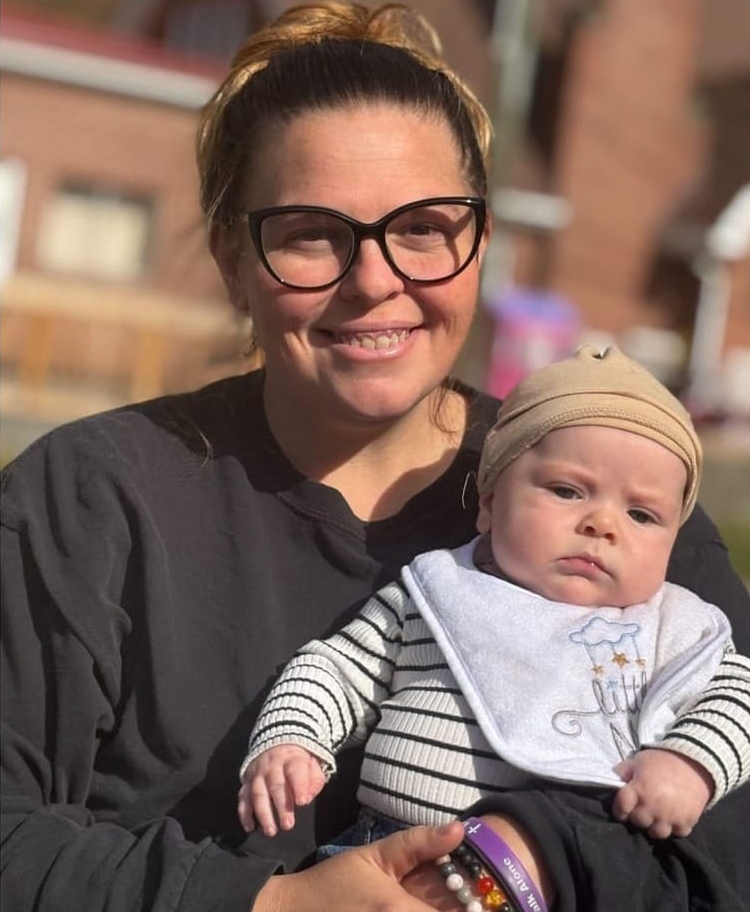
The personal testimony of Stacy D., a RISE recipient in West Virginia, vividly illustrates the immediate and profound impact of such programs. Facing a high-risk pregnancy, a broken-down vehicle essential for her five children, and a lack of local family support, Stacy highlighted the critical role direct cash assistance plays: "You don’t know how hard it is to ask people, hey, can I get a ride to the grocery store? Or, hey, my baby has two month shots. I had to borrow a vehicle. This is gonna… it’s going to do a lot!" Her experience underscores how seemingly small, consistent financial support can break cycles of dependency and enable families to overcome significant barriers to stability.
The Rural Focus: Addressing Overlooked Disparities
A distinguishing characteristic of the RGMII is its deliberate focus on rural counties. Jeff Atwood articulated that this strategic choice is driven by several key factors: dollars tend to stretch further in rural economies, poverty is often more prevalent and deeply entrenched, and smaller populations facilitate tighter, more manageable studies. Furthermore, rural communities are frequently overlooked in national development and philanthropic efforts, despite possessing immense untapped talent and potential. Atwood’s personal connection to rural America, having grown up in such an environment, reinforces his belief in these communities’ inherent value and the necessity of targeted investment.

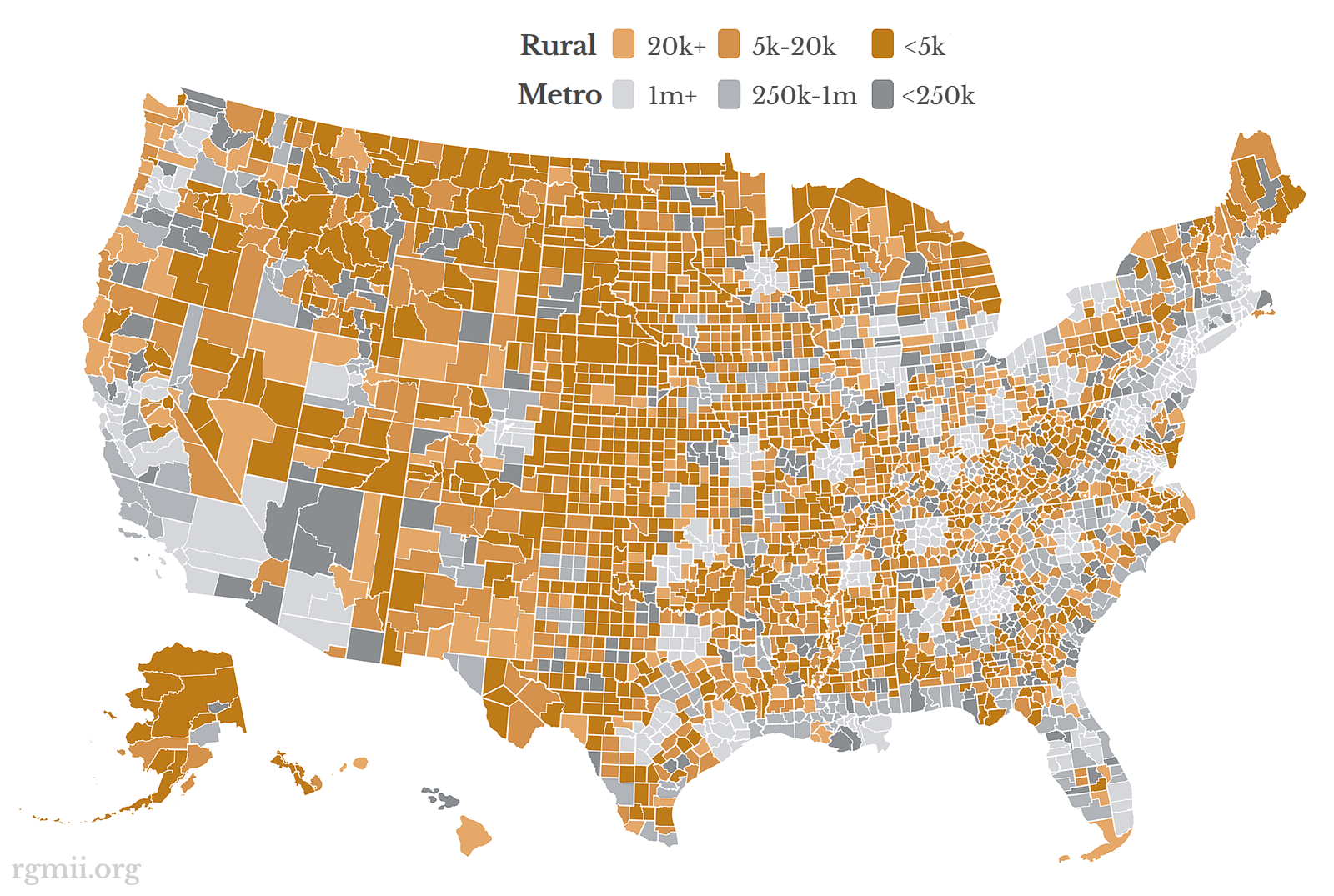
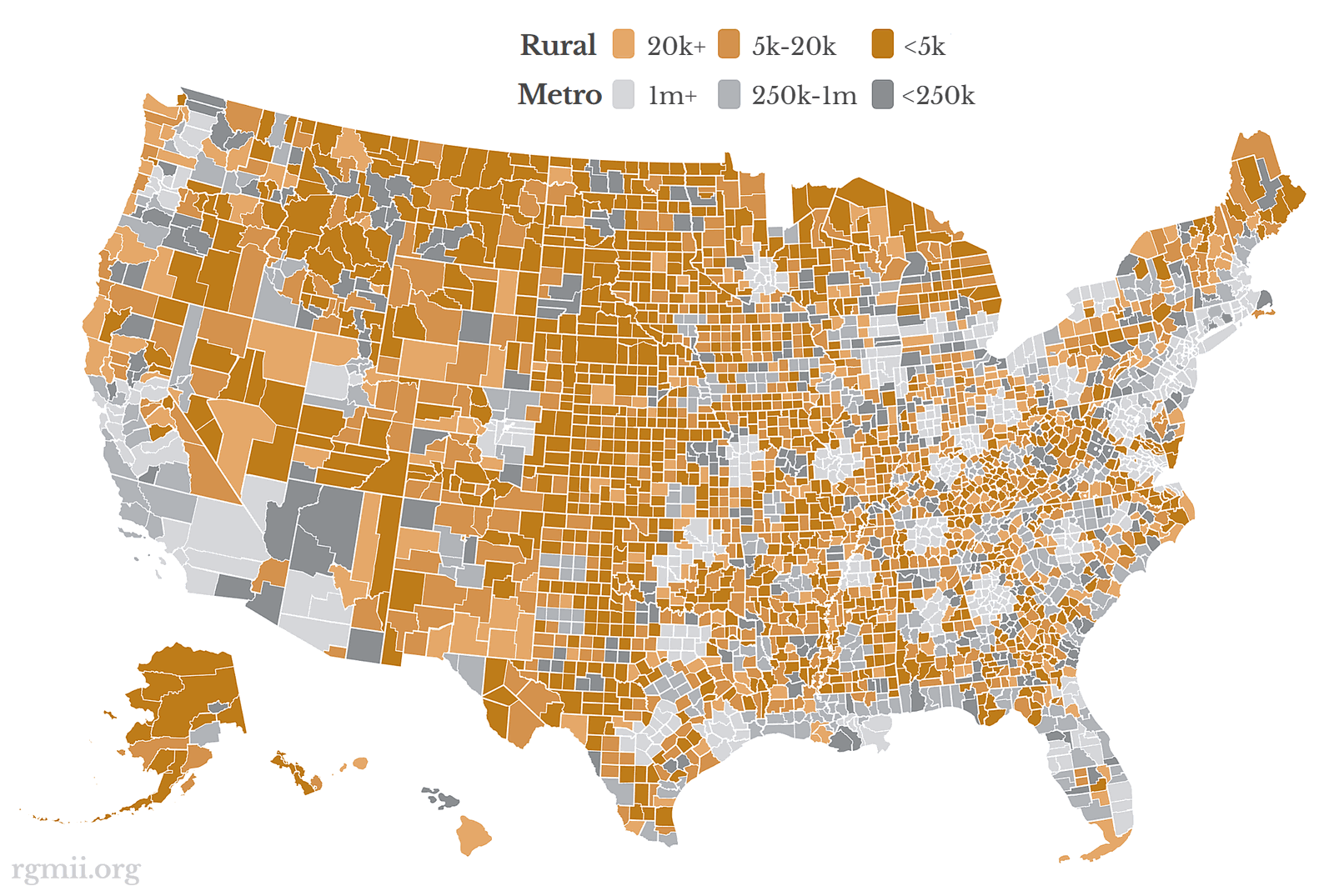
According to the U.S. Census Bureau and the USDA Economic Research Service, rural areas often face unique economic challenges, including lower median incomes, higher rates of poverty, limited access to essential services like healthcare and broadband internet, and fewer employment opportunities compared to urban centers. Approximately 15% of the U.S. population lives in rural areas, yet these regions account for a disproportionately high share of persistent poverty counties. The RGMII’s approach, illustrated by a map highlighting the 3,143 counties across the U.S. categorized by rural versus metro status, acknowledges this disparity and aims to channel resources where they can have the most catalytic effect. By concentrating efforts in these areas, the RGMII seeks to provide a lifeline to communities that have historically been marginalized and underfunded.
Initial Impact and Ambitious Expansion: The RGMII Pilot Programs
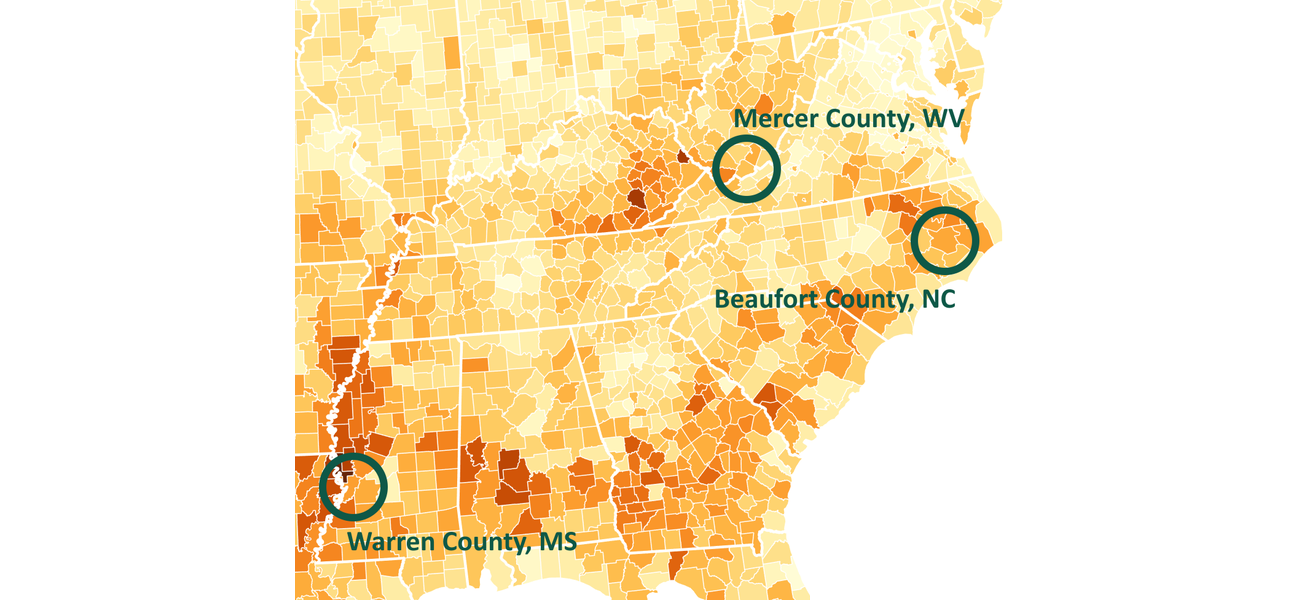
The RGMII is already actively implementing its vision. Three county-level programs have been funded and are currently underway in Mercer, West Virginia; Beaufort, North Carolina; and Warren, Mississippi. These initial pilot programs are designed to provide financial support to thousands of individuals over a 16-month period, with a commitment to rigorous data collection and transparent sharing of results with the broader public and academic community. The goal is to build an evidence base that conclusively demonstrates the effectiveness of GMI in rural contexts.
The choice of these specific counties reflects a strategy to study GMI in diverse rural settings, encompassing different regional economic conditions and demographic profiles. The data generated from these programs will be crucial for understanding the various impacts of direct cash transfers on economic stability, health outcomes, educational engagement, and community resilience in rural America. This scientific, data-driven approach positions the RGMII not merely as a charitable endeavor but as a research initiative designed to inform future policy. Looking beyond these initial pilots, the Atwoods harbor an ambitious goal: to expand the RGMII’s reach to all 50 states over time, fostering a nationwide network of GMI studies and advocacy. This long-term vision underscores the profound belief that GMI represents a fundamental pathway to a more equitable and prosperous America.
Broader Implications and The Future of Direct Cash Transfers
The RGMII’s substantial commitment and targeted approach could have significant implications for the future of philanthropy and social policy in the United States. In the philanthropic sector, it highlights a growing trend among tech-wealthy donors to move beyond traditional charitable models towards systemic, evidence-based interventions. By focusing on direct cash transfers, the initiative champions a model that is increasingly gaining traction among researchers and policymakers for its efficiency and empowerment of recipients. This could inspire other philanthropists to explore similar innovative approaches to poverty alleviation.
Economically, successful GMI programs in rural areas could stimulate local economies by increasing the purchasing power of low-income families, supporting local businesses, and reducing the strain on public services. Socially, addressing generational poverty through direct cash could lead to improved health outcomes, reduced stress, and greater opportunities for education and skill development, thereby fostering greater social mobility. From a policy perspective, the comprehensive data generated by the RGMII will provide invaluable evidence to inform legislative debates around social safety nets, potentially paving the way for broader, publicly funded GMI programs. The initiative’s focus on open data and rigorous analysis is critical for building bipartisan consensus and dispelling common misconceptions about basic income programs, such as fears of work disincentives.
However, challenges remain. Scaling a program to all 50 states requires immense logistical coordination, sustained funding beyond the initial pledge, and navigating diverse state-level political landscapes. Critics of GMI and UBI often raise concerns about the overall cost of such programs, potential inflationary effects, and the philosophical debate about the role of government in providing unconditional income. The RGMII’s commitment to rigorous scientific study and transparent data sharing is designed to proactively address these concerns by providing concrete evidence of impact and cost-effectiveness.
A Call to Action: Engaging with the Initiative
The Atwoods emphasize that the success of the RGMII hinges on collective engagement. They invite everyone to participate in this long-term endeavor, recognizing that the "path of love" for national unity and shared prosperity is a challenging but ultimately survivable one. Individuals are encouraged to visit rgmii.org to learn more about the initiative, explore the history of GMI, and review the ongoing study analyses and results. Spreading awareness about GMI and UBI, engaging in informed discussions, and communicating with elected representatives are all vital steps in fostering a broader understanding and acceptance of direct cash transfer programs.
For those "to whom much is given" and who are in a position to make significant philanthropic contributions, the RGMII extends a direct invitation to sponsor county-scale GMI studies. By joining forces, more rural counties can benefit from these programs, accelerating the pace of data generation and expanding the initiative’s reach towards its goal of impacting all 50 states. Jeff Atwood views the RGMII as his "third and final startup," not as a traditional foundation, but as a dedicated vehicle to advance the concept of direct cash transfers as a radical yet proven act of love and investment in humanity. The core belief remains that dreams, like happiness, are only truly real when shared. Through the Rural Guaranteed Minimum Income Initiative, the Atwoods seek to make the American Dream a tangible reality for countless families, building a legacy of empowerment and shared prosperity. The journey can be followed at staygold.us and rgmii.org.
About the Author