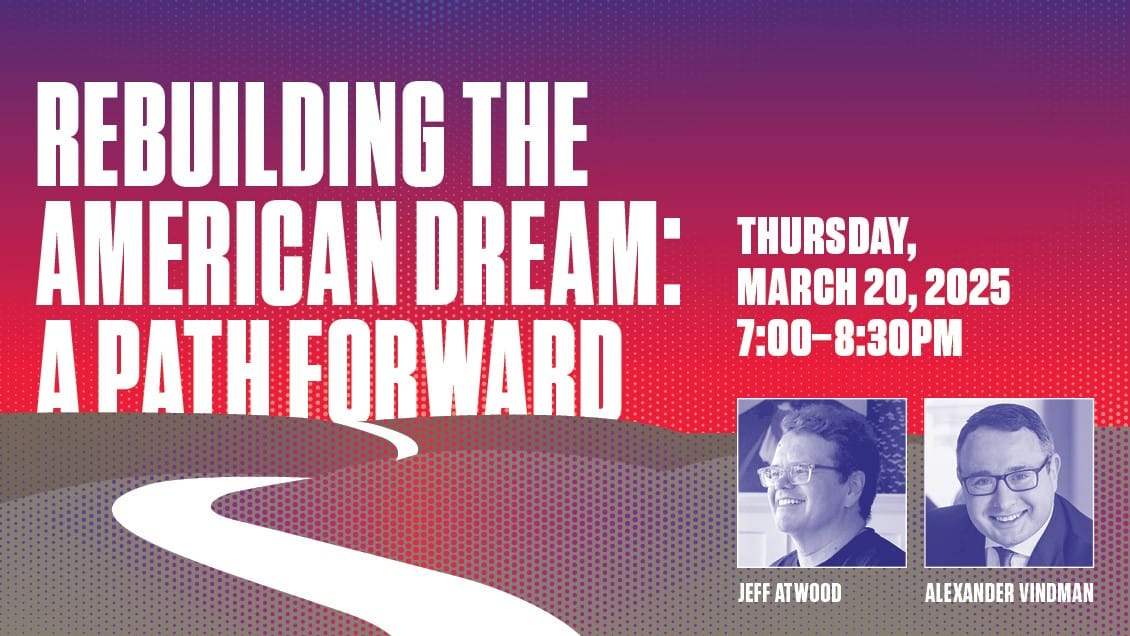
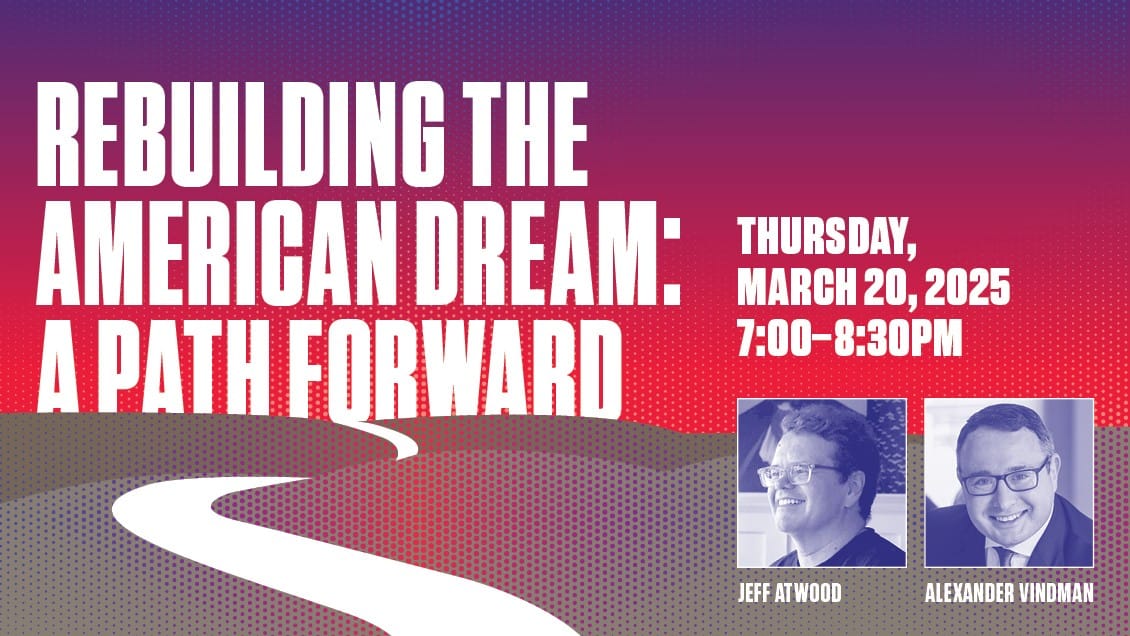
The venerable Cooper Union Great Hall in New York City recently served as the stage for a significant public discourse on the future of the American Dream, featuring a compelling joint talk by renowned software architect Jeff Atwood and decorated military veteran and former National Security Council official, Colonel Alexander Vindman. Titled "Rebuilding The American American Dream: A Path Forward," the event, held fourteen days after its initial announcement, brought together two distinct voices to explore how individuals and communities can actively work towards a more inclusive, equitable, and resilient vision of American society. The discussion delved into the complex interplay of democracy, community, and economic mobility, advocating for a shift from individual generosity to systemic changes that ensure security, dignity, and possibility for all citizens. The full discussion was made accessible to a wider audience through a live stream on the Cooper Union Great Hall YouTube channel, underscoring the event’s commitment to broad public engagement.
A Convergence of Perspectives at a Historic Venue
The pairing of Jeff Atwood, a prominent figure in the technology world known for co-founding influential platforms like Stack Overflow and Discourse, with Colonel Alexander Vindman, a distinguished former U.S. Army officer whose commitment to democratic ideals drew national attention, presented a unique synergy. Their collaboration at the Cooper Union Great Hall, a site synonymous with pivotal American historical moments—including Abraham Lincoln’s "Might Makes Right" speech in 1860 and appearances by figures like Frederick Douglass and Susan B. Anthony—imbued the event with profound symbolic weight. This historical backdrop underscored the enduring American tradition of public debate on foundational national values.
The event’s central premise, building on Atwood’s earlier reflections on what it means to "stay gold"—to actively preserve the best aspects of ourselves, our communities, and the American Dream—stressed that this preservation is not a passive endeavor. Instead, it demands proactive engagement, difficult conversations, and a willingness to confront societal challenges head-on. The speakers aimed to tackle the pressing question of 2025: "How can we build on our dream so that it works for everyone?" They posited that despite their vastly different professional journeys, a shared conviction in the inherent worth of every individual’s American Dream formed the bedrock of their collaborative message.
Colonel Alexander Vindman: A Testament to Civic Courage
Colonel Alexander Vindman’s contribution to the discussion was deeply rooted in his extraordinary life trajectory and his unwavering commitment to civic duty. Born in the Soviet Union, Vindman immigrated to the United States as a child, growing up in Brooklyn and later embarking on a distinguished 21-year career in the U.S. Army. His service included combat tours, earning him a Purple Heart for injuries sustained in Iraq, and culminating in his appointment as Director for European Affairs for the National Security Council (NSC).
Vindman’s career reached a critical juncture during the 2019 impeachment inquiry against then-President Donald Trump. As an NSC official, he reported concerns about a phone call between President Trump and Ukrainian President Volodymyr Zelenskyy, believing that the call undermined U.S. national security and foreign policy. His decision to testify before Congress, despite significant personal and professional risks, was widely interpreted as an act of profound patriotism and a steadfast defense of constitutional principles. Vindman’s testimony, which he framed as upholding the oath he swore to protect the U.S. Constitution, ultimately led to his removal from the NSC and early retirement from the military. His personal sacrifice, as acknowledged by Atwood, exemplifies the profound meaning of civic duty and integrity in the face of immense pressure. His perspective offered the audience a firsthand account of the costs and imperatives of defending democratic ideals, grounding the abstract concept of the American Dream in tangible acts of courage and principle.
Jeff Atwood: Architecting Community in the Digital Age
Complementing Vindman’s institutional perspective, Jeff Atwood brought insights from his extensive experience in building and managing large-scale online communities. As the co-founder of Stack Overflow, a Q&A platform for programmers that has become an indispensable resource for software development, and Discourse, an open-source discussion platform designed for modern internet forums, Atwood has spent years observing and shaping how people interact in digital spaces. His work has focused on creating environments that foster fairness, participation, and constructive discourse—principles he argues are directly applicable to the health of broader societal and democratic structures.
Atwood’s philosophy emphasizes that whether one is "running a country or running a forum," certain fundamental rules apply: the need for clear expectations, fair systems, strong boundaries, and a shared sense of purpose. These elements, he contends, are crucial for creating "artifacts for the common good," analogous to public parks, where everyone can benefit and engage collectively. His "Stay Gold" concept, which he elaborated upon in his blog "Coding Horror," initially explored the emotional and cultural aspects of preserving ideals. The Cooper Union talk, however, served as the platform to unveil the pragmatic, structural dimensions of this concept—how to translate aspiration into actionable, long-term systemic change that expands opportunity for everyone. Atwood’s unique vantage point bridged the often-disparate worlds of technology, community governance, and democratic theory, suggesting that lessons learned from digital ecosystems could inform the reinvigoration of civic life.
The American Dream Under Scrutiny: Contemporary Challenges
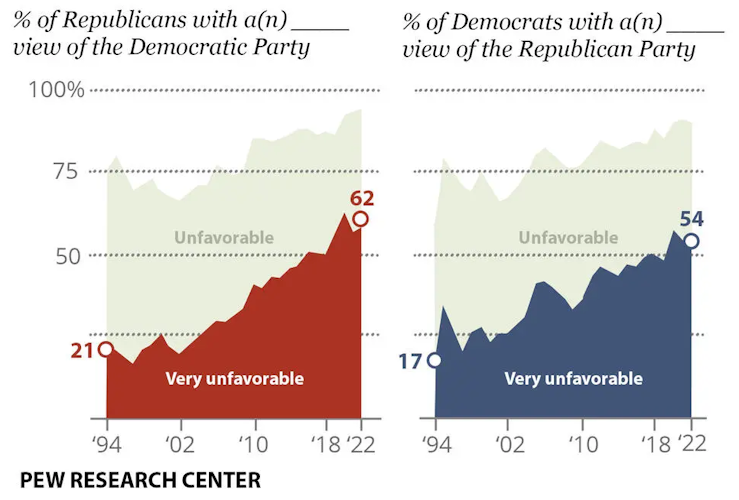
The discussion at Cooper Union took place against a backdrop of increasing public skepticism about the accessibility and fairness of the American Dream. Once a widely accepted narrative of upward mobility through hard work, the Dream now faces significant challenges from economic inequality, stagnant wages, and systemic barriers that disproportionately affect certain demographic groups. Data from various sources underscore this shift. For instance, a 2023 report by the Pew Research Center indicated that a significant portion of Americans believe the American Dream is harder to achieve now than it was for previous generations, citing factors like the rising cost of living, educational debt, and income disparities.
Statistics on intergenerational economic mobility also paint a complex picture. While the U.S. still offers opportunities for advancement, studies from institutions like the Brookings Institution and the Economic Policy Institute suggest that upward mobility has slowed for many, particularly those born into lower-income brackets. The wealth gap, exacerbated by recent economic shifts, continues to widen, with the top 10% of earners holding a disproportionate share of the nation’s wealth. Furthermore, issues of social justice, racial inequality, and political polarization have added layers of complexity, raising questions about whether the foundational promise of "liberty and justice for all" truly extends to every citizen. It was within this context of national introspection and concern that Atwood and Vindman framed their urgent call for systemic reform.
Charting a Path Forward: Systemic Change Over Individual Generosity
A core tenet of the Cooper Union discussion was the imperative to move "beyond individual generosity and toward systems that create security, dignity, and possibility for all." This shift represents a fundamental rethinking of how societal problems are addressed, advocating for structural solutions rather than relying solely on individual acts of kindness or philanthropy. The speakers contended that while individual generosity is commendable, it cannot adequately address the deep-seated, systemic issues that hinder widespread opportunity.
Their combined expertise offered a blueprint for such systemic change across three key pillars:
- Democracy: Vindman’s experiences highlighted the fragility and resilience of democratic institutions, emphasizing the need for robust protections against corruption, disinformation, and abuses of power. The discussion implicitly touched upon electoral integrity, civic education, and the active participation required to maintain a healthy democratic republic.
- Community: Atwood’s insights into digital community building provided a framework for fostering inclusive and functional real-world communities. This involves establishing clear rules of engagement, ensuring equitable access to resources and platforms, and cultivating a shared sense of responsibility and purpose. It suggests applying principles of fair moderation, transparency, and user empowerment from online spaces to local and national civic life.
- Economic Mobility: While not delving into specific policy proposals, the conversation pointed towards creating foundational systems that promote economic security and dignity. This could encompass discussions around fair labor practices, access to affordable education and healthcare, equitable tax policies, and opportunities for entrepreneurship and skill development that are accessible to all segments of society, regardless of their starting point. The emphasis was on building a resilient economic framework that actively reduces barriers and expands pathways to prosperity.
Broader Impact and Implications
The "Rebuilding The American Dream" event at Cooper Union Great Hall resonated deeply within the ongoing national conversation about the state of American democracy and society. The collaboration between a tech visionary and a military patriot offered a fresh perspective, suggesting that solutions might emerge from unexpected interdisciplinary dialogues. Analysts and observers noted that the event effectively highlighted the shared challenges faced by both digital and traditional communities in maintaining cohesion, fairness, and a sense of collective purpose.
The discussion implicitly called for a renewed commitment to civic engagement, not merely as an act of voting, but as an active, continuous participation in shaping the systems that govern lives. It underscored the idea that upholding democratic ideals and fostering widespread opportunity is a collective responsibility, requiring collaboration across diverse backgrounds and ideologies. The availability of the talk via live stream further extended its reach, allowing for a broader public engagement and continued dialogue on these critical themes, reflecting a modern approach to civic discourse in an increasingly digital world.
The event’s lasting implication lies in its powerful call for collective action and a shift in mindset. By uniting their distinct experiences, Atwood and Vindman presented a compelling argument that while the problems facing the American Dream are complex, they are not insurmountable. They challenged the audience to look beyond individual efforts and focus on designing and implementing "systems that create security, dignity, and possibility for all," asserting that through shared purpose and collaborative effort, a revitalized American Dream—one that truly works for everyone—is within reach. The Cooper Union Great Hall, once again, provided the platform for a pivotal moment of reflection and a call to action for the nation.
About the Author