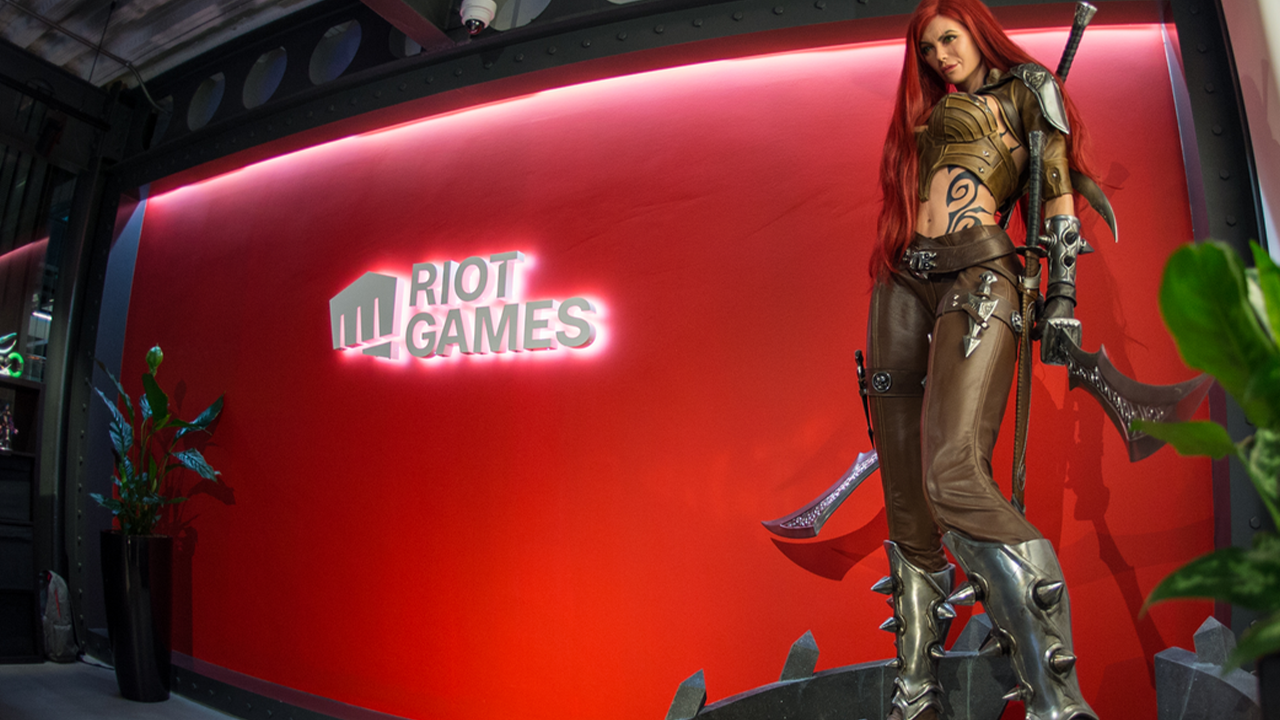
Riot Games, the acclaimed developer behind global esports phenomena Valorant and League of Legends, has undertaken a strategic downsizing of its internal publishing division. This move, confirmed by a company spokesperson on February 26, 2026, impacts approximately 12 roles distributed across several offices and affecting three distinct publishing teams. The company indicates these personnel adjustments coincide with a series of other "small team-by-team changes" impacting various individuals, signaling a broader, albeit granular, organizational realignment within the Tencent-owned studio.
This latest restructuring at Riot Games unfolds against a backdrop of significant shifts within the video game industry, characterized by widespread layoffs and a renewed focus on core competencies and profitability. For a company synonymous with some of the world’s most enduring live-service titles, these adjustments underscore a period of intensified strategic evaluation.
Detailed Scope of the Publishing Division Restructuring
The publishing division at a major game developer like Riot Games is multifaceted, encompassing critical functions such as marketing, community management, public relations, localization, and regional market strategy. The reduction of around 12 roles, while seemingly modest compared to some industry-wide cuts, suggests a targeted optimization. These roles, spread across multiple offices, indicate a global rather than localized consolidation effort. The impact on three specific publishing teams implies a strategic re-evaluation of how Riot approaches market outreach, community engagement, or content distribution for its portfolio of titles.
Industry analysts suggest such targeted reductions often reflect a move towards either consolidating responsibilities, leveraging external agencies for certain functions, or streamlining operations to focus resources more intensely on high-priority projects or regions. Given Riot’s extensive global reach and diverse player base for titles like League of Legends, Valorant, Teamfight Tactics, Legends of Runeterra, and League of Legends: Wild Rift, any adjustments to its publishing arm carry significant implications for how these games interact with their respective communities and markets. The spokesperson’s mention of "small team-by-team changes" alongside the publishing cuts further hints at an ongoing, precise effort to refine operational efficiencies across various departments.
Recent Precedent: Layoffs within the 2XKO Development Team
This internal publishing division downsizing follows closely on the heels of a more substantial layoff event approximately two weeks prior, directly impacting the development team for the upcoming fighting game, 2XKO. Previously known as Project L, 2XKO is set within the expansive and highly popular League of Legends universe. Riot Games confirmed that around 80 employees were affected by these layoffs, representing roughly half of the global development team dedicated to 2XKO.
The rationale provided for the 2XKO layoffs was the game’s perceived failure to attract a sufficiently wide audience during its developmental stages, prompting a strategic pivot. While Riot pledged to continue supporting the title with a more "focused team," the significant reduction in headcount signals a recalibration of ambitions for the project. The challenges of launching new intellectual properties, particularly in competitive genres like fighting games, are well-documented. Even with the formidable backing of the League of Legends IP, securing a broad player base in a crowded market demands substantial investment and a clear path to profitability, which the initial trajectory of 2XKO may not have demonstrated to Riot’s satisfaction.
This sequence of events—first a significant reduction in a development team for an unreleased title, followed by a more granular but strategic cut in a core operational division—paints a picture of a company actively reassessing its portfolio and resource allocation in a dynamically evolving market.
Riot Games’ Trajectory and Tencent’s Influence
Riot Games has grown from a single-hit wonder with League of Legends into a multi-franchise powerhouse. Founded in 2006 by Brandon Beck and Marc Merrill, the company released League of Legends in 2009, quickly establishing it as a dominant force in esports and online gaming. The game’s free-to-play model, combined with continuous content updates and a robust competitive scene, set a new standard for live-service games.
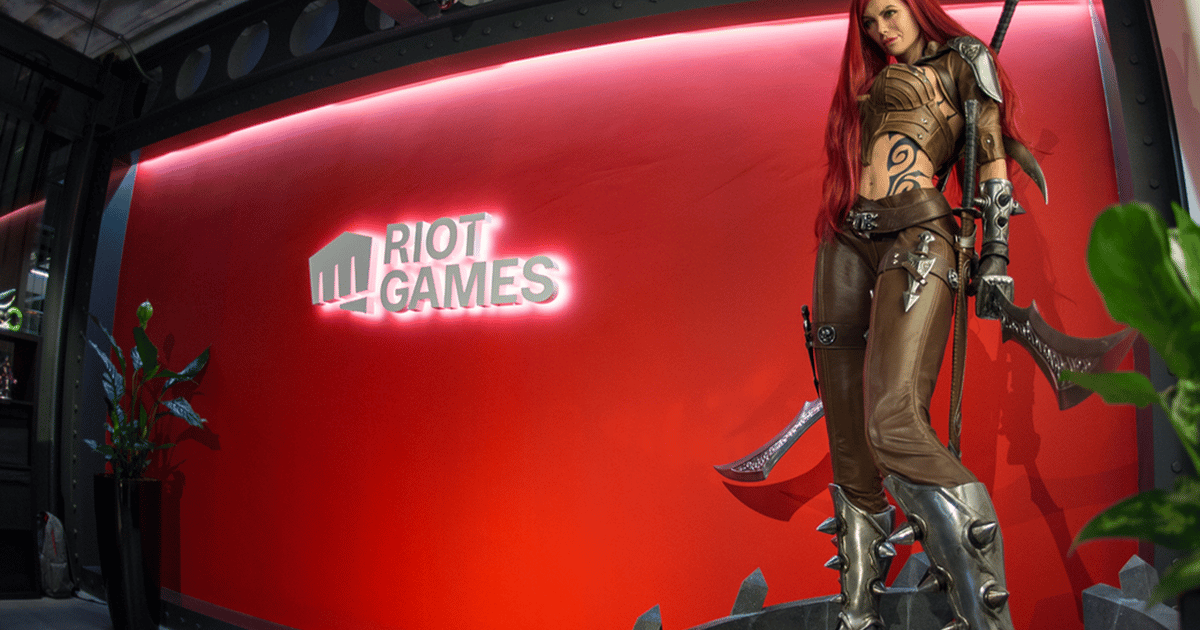
In 2011, Chinese technology conglomerate Tencent Holdings acquired a majority stake in Riot Games, eventually taking full ownership in 2015. This acquisition marked a pivotal moment, providing Riot with substantial capital and access to the vast Asian market, particularly China, where League of Legends enjoys immense popularity. Under Tencent’s full ownership, Riot expanded its development efforts, diversifying its portfolio beyond League of Legends to include Valorant (a tactical first-person shooter), Teamfight Tactics (an auto-battler), Legends of Runeterra (a digital collectible card game), and League of Legends: Wild Rift (a mobile adaptation of League of Legends). This expansion reflected a strategy to leverage its established IPs and create new ones, cementing its position in various gaming genres and platforms.
Tencent’s operational philosophy often emphasizes efficiency and market dominance. While Riot Games has historically maintained a significant degree of creative autonomy, strategic decisions regarding resource allocation, project viability, and profitability targets are undoubtedly influenced by its parent company’s global vision and financial imperatives. The current restructuring can be seen through this lens, reflecting a pragmatic approach to optimizing operations and ensuring sustained profitability in a competitive global market.
Broader Industry Context: A Wave of Layoffs and Consolidation
The layoffs at Riot Games are not isolated incidents but rather part of a pervasive trend that has swept through the video game industry since late 2022 and intensified throughout 2023 and early 2024. Industry reports indicate that over 10,000 game developers lost their jobs in 2023, with projections for 2024 suggesting a continuation of this challenging climate. Major companies such as Microsoft (which acquired Activision Blizzard), Unity, Epic Games, Embracer Group, and Electronic Arts have all announced significant workforce reductions.
Several factors contribute to this industry-wide downturn:
- Post-Pandemic Correction: The COVID-19 pandemic led to an unprecedented surge in gaming activity and investment, prompting many studios to expand rapidly. As pandemic restrictions eased and consumer habits normalized, this growth proved unsustainable, leading to overstaffing.
- Economic Headwinds: Rising interest rates, inflation, and general economic uncertainty have impacted consumer spending on discretionary items like video games, while also increasing the cost of capital for businesses.
- Increased Development Costs: The escalating budgets required to develop AAA titles, coupled with the long development cycles, make new project launches increasingly risky.
- Market Saturation: The sheer volume of games released annually, particularly in the live-service space, makes it challenging for new titles to gain traction and achieve profitability.
- Strategic Realignments: Companies are increasingly focusing on proven franchises and optimizing existing live-service games, rather than investing heavily in new, unproven IPs or experimental projects.
This turbulent environment forces even financially robust companies like Riot Games to scrutinize every department and project for efficiency and strategic alignment. The current actions at Riot, therefore, can be interpreted as a proactive measure to adapt to these challenging market realities and consolidate resources around its most successful and promising ventures.
Implications for Riot Games and Its Future Strategy
The recent layoffs and restructuring carry several implications for Riot Games:
- Renewed Focus on Core Franchises: The cuts, particularly in the publishing division, suggest an increased emphasis on optimizing the existing ecosystems of League of Legends and Valorant. These titles remain the primary revenue drivers and cultural touchstones for the company. Resources are likely being reallocated to ensure their continued growth and dominance.
- Cautious Approach to New IP: The 2XKO layoffs illustrate a more cautious stance on new intellectual property development. While Riot has demonstrated a willingness to explore new genres and universes, the financial commitment required means that projects must demonstrate clear market viability early in their lifecycle. This might lead to fewer, but potentially more thoroughly vetted, new titles in the future.
- Efficiency and Profitability Imperatives: The "small team-by-team changes" across the company, alongside the more significant cuts, underscore a company-wide drive for greater operational efficiency. This reflects a broader industry trend where profitability and sustainable growth are prioritized, even for market leaders.
- Employee Morale and Talent Retention: Layoffs, regardless of size, can impact employee morale and create uncertainty. For a company that relies heavily on creative talent, managing this impact and retaining key personnel will be crucial for long-term success. Riot has historically faced scrutiny over its workplace culture, and transparent communication will be vital during these periods of change.
- Market Perception: While investors often react positively to cost-cutting measures, the gaming community can view such news with apprehension, fearing a reduction in content quality or support for their favorite titles. Riot will need to carefully manage public perception and reassure its player base of its commitment to its games.
Expert Analysis and Forward Outlook
Industry analysts widely concur that the current phase of restructuring within the gaming sector, including actions taken by Riot Games, represents a necessary recalibration following a period of unsustainable expansion. Dr. Anya Sharma, a lead analyst at Global Gaming Insights, commented in a recent brief, "Riot’s moves are indicative of a mature company in a maturing industry. The days of unchecked growth and experimental ventures with unlimited budgets are, for now, largely behind us. Companies are optimizing for the long haul, focusing on sustainable live-service models and leveraging existing strong IPs. The publishing cuts, in particular, suggest a refinement of how Riot communicates and markets its products globally, likely aiming for greater synergy and cost-effectiveness across its diverse portfolio."
The continued support for 2XKO, albeit with a reduced team, signifies Riot’s commitment to its projects but under tighter constraints. The challenge will be to deliver a high-quality product with fewer resources while managing player expectations.
As Riot Games navigates these strategic realignments, the focus will undoubtedly remain on its flagship titles, League of Legends and Valorant, which continue to command massive global audiences and generate substantial revenue. The adjustments in its publishing division, combined with the restructuring of its development teams, position Riot Games to operate more leanly and efficiently in a competitive and fiscally demanding global market, ensuring its continued prominence in the esports and live-service gaming landscape for years to come.
About the Author