The intricate evolution of video game subgenres stands as a testament to the dynamic interplay between creative vision, player reception, and industry trends. In an era where new mechanics and narrative approaches constantly redefine established categories, certain titles transcend their initial classifications to inspire entirely new archetypes. One such phenomenon is the emergence of the "Hades-like" subgenre, a descriptor now widely used to categorize a specific breed of roguelike games that prioritize narrative progression, persistent character development, and a compelling home-base hub alongside challenging, run-based combat. This development was recently brought into sharp focus at the 2026 DICE Awards, where Supergiant Games, the acclaimed independent studio behind the seminal Hades, celebrated another triumph with Hades II winning the "Best Action Game" award. Amidst the accolades, Supergiant’s co-founders, Greg Kasavin and Amir Rao, shared their perspectives on the unexpected journey of watching their original title, Hades, become a foundational text for a new wave of independent game developers.
The recognition of Hades II at the DICE Awards, an event renowned for honoring excellence in interactive entertainment, underscored Supergiant’s continued prowess in action game design. However, the conversation with Kasavin and Rao quickly pivoted to the legacy of its predecessor. Hades, released in its full form in September 2020 after an extensive Early Access period, was not merely a commercial success, selling over a million copies and garnering widespread critical acclaim; it carved out a unique niche within the crowded roguelike landscape. Its distinctive approach to integrating a rich, unfolding narrative into the inherently repetitive structure of a roguelike run, coupled with innovative area-based upgrades and memorable character designs, resonated deeply with players and developers alike. Games such as Spiritfall, Curse of the Dead Gods, and Sworn are just a few examples that openly draw inspiration from Hades‘ design philosophy, prompting the industry and community to coin the term "Hades-like" as a readily identifiable subcategory.
The Accidental Architects of a Subgenre
For the creators at Supergiant Games, the proliferation of the "Hades-like" label was a source of genuine surprise, a sentiment Greg Kasavin articulated vividly. "It was really surreal for us," Kasavin remarked when reflecting on the phenomenon. "When we were making Hades, we thought we were simply making a roguelike. We were playing games like Dead Cells and Slay the Spire and were just making a game in that genre." This candid admission highlights a common thread in creative innovation: groundbreaking ideas often emerge not from an explicit intention to redefine, but from a focused effort to refine and personalize an existing form. Supergiant’s objective was to infuse the established roguelike formula with their signature narrative depth and artistic polish, a characteristic evident across their entire catalog.
The roguelike genre itself boasts a storied history, tracing its lineage back to the 1980 dungeon crawler Rogue. Over decades, it evolved through titles like NetHack, Angband, and more recently, the "roguelite" movement popularized by games such as Rogue Legacy, The Binding of Isaac, and Dead Cells. These modern iterations introduced elements of persistent progression, making each death less punitive and more a stepping stone towards eventual success. Hades did not invent the roguelike or even the roguelite. Instead, it ingeniously layered a compelling, character-driven narrative framework onto this foundation, unlocking unprecedented storytelling opportunities within a genre traditionally known for procedural generation and minimal plot.
Deconstructing the "Hades" Blueprint: Narrative and Progression
Central to Hades‘ transformative impact was its innovative approach to narrative delivery. Unlike many roguelikes where story serves as a backdrop or is sparsely delivered, Hades weaves its epic tale of Zagreus, the Prince of the Underworld, attempting to escape his father Hades’ realm, directly into the gameplay loop. Every failed escape attempt is not merely a setback but an opportunity for new dialogue, character interactions, and plot revelations back at the House of Hades, the game’s persistent "home base." This hub acts as a crucial anchor for storytelling and signifies player progression beyond just combat prowess.
Within the House of Hades, players can interact with a diverse cast of Greek mythological figures—Achilles, Nyx, Dusa, and others—each with their own intertwined stories that unfold over dozens, if not hundreds, of runs. These interactions often lead to permanent upgrades via the Mirror of Night, new weapons, or keepsakes that alter gameplay. The loop of "clear encounter, meet character, receive reward from said character, rinse and repeat" became a highly replicable structure. This system ensures that even when a player dies and returns to the beginning, they are always making progress, either through narrative advancement, resource gathering, or skill improvement. This alleviates the frustration often associated with traditional roguelikes, turning perceived failure into an integral part of the overarching journey.
The brilliant integration of narrative also extended to the gameplay itself. The boons granted by Olympian gods, each reflecting their unique personalities and powers, not only offered tactical variety but also drove character development through witty banter and emergent storytelling. Poseidon’s wave dash, Zeus’s chain lightning, or Athena’s deflect were more than just abilities; they were extensions of divine personalities lending their aid (or sometimes playful jabs) to Zagreus. This constant infusion of character and story into every aspect of the game—from combat encounters to shop visits—created an experience that felt cohesive and deeply engaging.
Supergiant’s Consistent Philosophy: "Their Own Spin"
The success of Hades was, according to Kasavin and Rao, a natural outgrowth of Supergiant’s consistent design philosophy rather than a calculated attempt at genre reinvention. Both developers emphasized that they and their team approached Hades as "their own spin" on an existing genre. Amir Rao noted that the discussion around genre definitions and the coining of "Hades-like" occurred entirely after the game left Early Access, a phenomenon determined by popular reception rather than design intent. "That’s just a part of a reception and conversation at a time where we’re not part of the conversation anymore," Rao explained, acknowledging the organic, uncontrollable nature of how such labels emerge from the collective consciousness of players and critics.
This approach echoes Supergiant’s debut title, Bastion. Released in 2011, Bastion was an isometric hack-and-slash action RPG that, while built on familiar gameplay principles, was elevated to iconic status by its distinctive elements. The game featured a revolutionary dynamic narration by Logan Cunningham, who provided a running, context-sensitive commentary on the player’s actions, weaving a poignant story of a world shattered by calamity. Coupled with Jen Zee’s vibrant, hand-painted art style and Darren Korb’s evocative soundtrack, Bastion demonstrated Supergiant’s early mastery of blending highly polished gameplay with strong narrative and artistic vision. Kasavin alluded to this parallel, suggesting that with Bastion, they also "thought there was kind of a niche we could carve out for ourselves."
With Hades, their "niche" involved "infusing it with more narrative, making it a little bit more forgiving," as Kasavin described. The outcome, however, "succeeded beyond our wildest expectations, to the point where we suddenly realize people are talking about it like it’s this kind of subgenre." The developers’ humility in acknowledging their lack of foresight into this phenomenon further underscores the organic nature of genre evolution. "That’s how that stuff happens sometimes right? We had no clue whatsoever—we didn’t think we were doing anything innovative at the time," Kasavin added. Rao succinctly concluded, "There was no other way we could make this game. We just made the decisions that felt right and natural to us." This unwavering commitment to intuition and internal creative direction, rather than market trends or genre-defining ambitions, appears to be Supergiant’s secret boon.
The Broader Impact and Implications for Game Development
The "Hades-like" phenomenon carries significant implications for the broader landscape of game development, particularly within the independent sector. It demonstrates that innovation doesn’t always require inventing an entirely new genre from scratch but can stem from a thoughtful reinterpretation and enrichment of existing frameworks. For aspiring indie developers, Hades provides a compelling case study:
- Narrative as Progression: It solidifies the idea that robust, character-driven narratives can be deeply integrated into endlessly replayable genres, providing a sense of persistent advancement even when gameplay restarts.
- The Hub World’s Power: The "home base" concept has proven to be a potent tool for world-building, character development, and meta-progression, offering a sanctuary for players between intense runs.
- Artistic Cohesion: The game’s success is inseparable from its distinctive art direction, voice acting, and musical score, emphasizing the importance of a unified artistic vision in making a game stand out.
- Forgiving Difficulty: By making death a narrative event rather than just a penalty, Hades lowered the barrier to entry for many players who might otherwise be intimidated by the roguelike genre’s punishing reputation.
Furthermore, Hades‘ journey through Early Access played a crucial role in its refinement and ultimate success. Launched on the Epic Games Store in December 2018 before moving to Steam and eventually consoles, the Early Access period allowed Supergiant Games to engage directly with their burgeoning community. Player feedback was instrumental in balancing gameplay, iterating on features, and fine-tuning the narrative delivery. This collaborative development model, combined with Supergiant’s transparent communication, fostered a dedicated player base that felt invested in the game’s evolution, contributing to its strong launch and sustained popularity.
The industry has taken note. The success of Hades has not only inspired a new generation of roguelike developers but has also encouraged a wider embrace of narrative experimentation within procedural genres. It challenged the notion that roguelikes must be solely about mechanical mastery, proving that emotional investment in characters and a compelling overarching story can coexist and even enhance the core gameplay loop.
The Future of Innovation: Supergiant’s Enduring Legacy
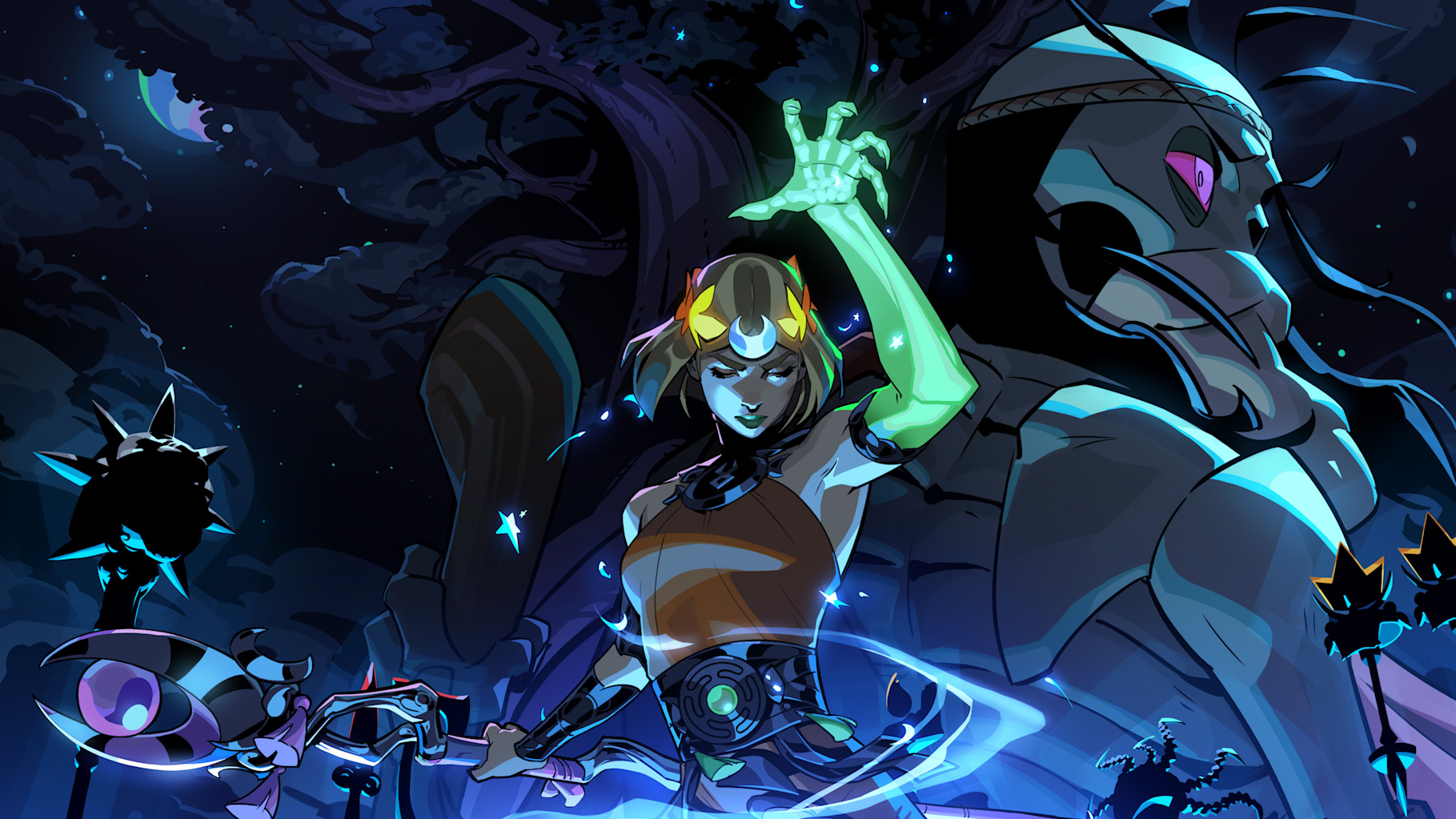
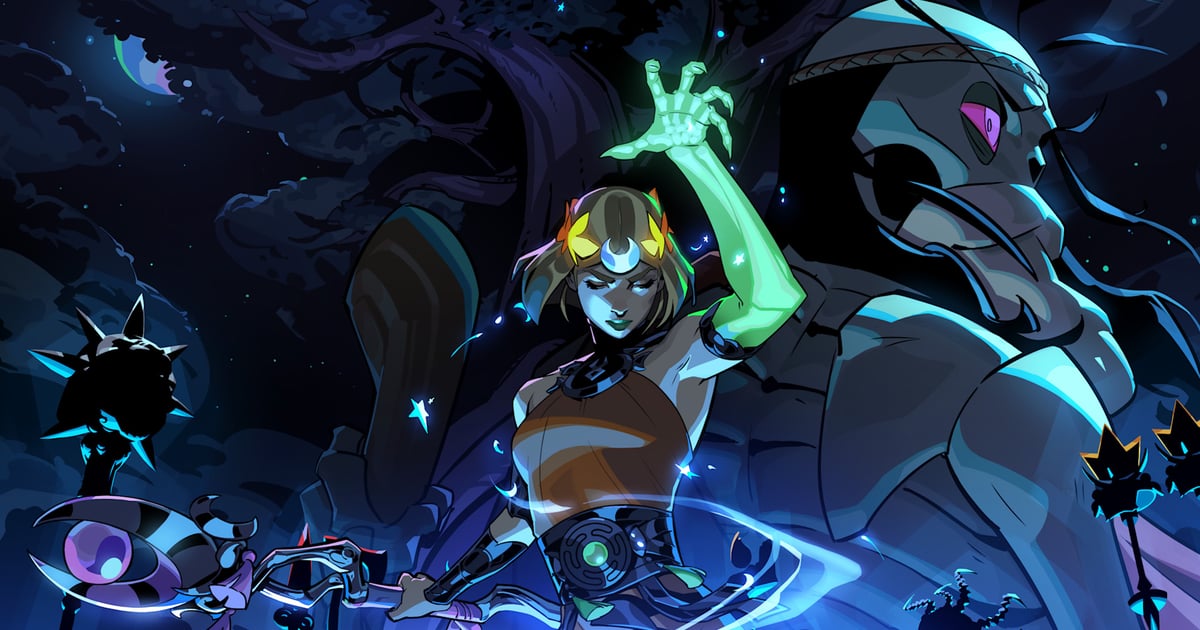
As Supergiant Games continues its trajectory with Hades II, featuring the new protagonist Melinoë in her own quest through the Underworld, their legacy as accidental genre pioneers is cemented. The studio consistently demonstrates that a deep understanding of core game mechanics, combined with an unwavering commitment to artistic excellence and rich storytelling, can lead to experiences that not only captivate audiences but also inspire an entire industry. The developers, through their humble reflections, remind us that true innovation often arises not from a deliberate effort to create a new category, but from the passionate pursuit of making the best possible version of "their own spin." The "Hades-like" subgenre stands as a vibrant testament to this philosophy, ensuring that Supergiant Games’ influence will continue to shape the landscape of interactive entertainment for years to come.
About the Author