In an unprecedented declaration, Jeff Atwood, co-founder of influential technology platforms Stack Overflow and Discourse, has announced a sweeping philanthropic initiative, committing half of his remaining family wealth over the next five years to safeguard and redefine the American Dream. The announcement comes at a critical juncture in American history, marked by escalating political polarization, widening economic inequality, and concerns over the accessibility of foundational opportunities. Atwood’s pledge is preceded by eight immediate $1 million donations to nonprofit organizations addressing urgent needs, signaling a two-pronged strategy of both immediate relief and long-term systemic change.
A Personal Journey Fueling a National Imperative
Atwood’s commitment stems from a deeply personal understanding of the American Dream’s promise and its increasing fragility. Born to parents of "hardscrabble rural West Virginia and rural North Carolina origins," his early life was shaped by economic precarity and familial struggles, including parental alcoholism. This challenging upbringing underscores a narrative familiar to many Americans striving for upward mobility. His parents, despite their difficulties, instilled in him the profound value of love and its outward reflection, a principle that would later become a cornerstone of his philanthropic philosophy.
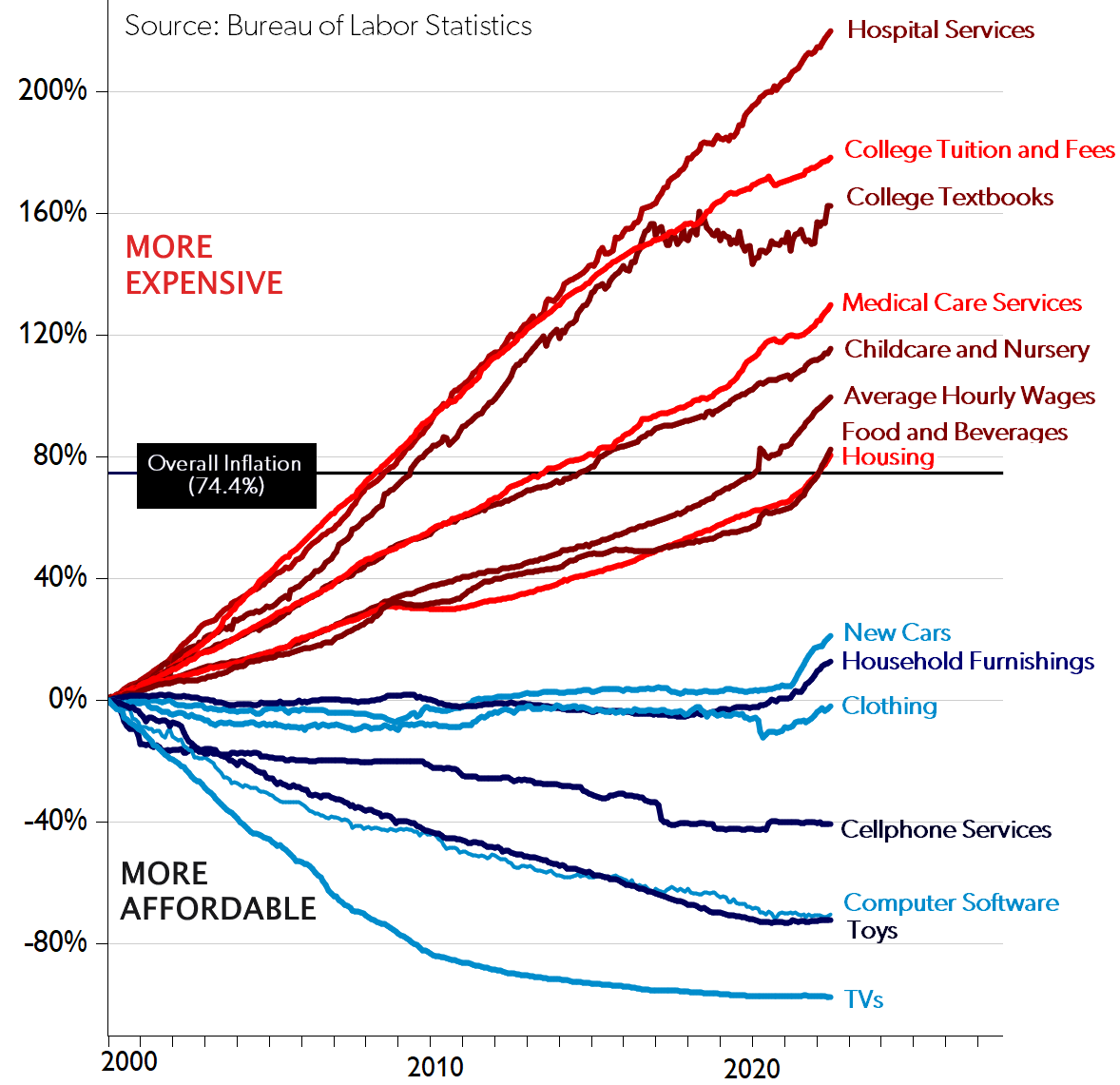
His educational journey further highlights the shifting landscape of American opportunity. Atwood attended public schools in Chesterfield County, Virginia, and graduated from the University of Virginia in 1992, an institution founded by Thomas Jefferson, a key architect of the American ideal. During his college years, he worked minimum wage at Safeway, relying on Pell grants, scholarships, and other part-time jobs to finance his education. At the time, annual tuition at the University of Virginia was approximately $3,000. Today, the same in-state tuition averages around $23,000 annually—an eightfold increase in three decades. This dramatic escalation in education costs, paralleled by soaring expenses in healthcare and housing, forms a central argument in Atwood’s assertion that the contemporary economic environment is fundamentally incompatible with the traditional vision of the American Dream. Data from organizations like the Education Data Initiative confirms that the average cost of college tuition has consistently outpaced inflation and wage growth, creating a significant barrier for aspiring students and contributing to a national student debt crisis exceeding $1.7 trillion.
Building Digital Democracies: Stack Overflow and Discourse

Atwood’s professional career is marked by his contributions to fostering online communities and democratizing knowledge. In 2008, alongside co-founder Joel Spolsky, he launched Stack Overflow, a groundbreaking question-and-answer platform for programmers. This platform pioneered a "digital democracy" model, where users collaboratively ranked questions and answers, and community moderators were elected through ranked-choice voting. The platform’s success, culminating in an $1.8 billion acquisition, demonstrated the power of collective intelligence and self-governance in a digital space.
Building on this experience, Atwood co-founded Discourse, an open-source tool designed for constructive and empathetic community discussions. Discourse emphasizes the establishment of community-agreed boundaries and robust moderation tools, aiming to cultivate environments where diverse viewpoints can coexist without devolving into hostility. This focus on "digital democracy and empathy" reflects Atwood’s belief that genuine connection, even through screens, is vital for a functioning society. He views both ventures as "projects for the public good" that, by happenstance, operated as corporations, allowing him to be "handsomely rewarded" through a combination of hard work and opportune timing—a direct manifestation of the American Dream he now seeks to preserve.
The Philanthropic Imperative: Beyond Personal Success
Atwood initially believed that achieving significant financial success was the ultimate fulfillment of the American Dream. However, a turning point came during a high school theater performance of S.E. Hinton’s "The Outsiders," where the iconic phrase "stay gold" resonated with a deeper meaning: sharing the American Dream. This epiphany catalyzed his current philanthropic drive, shifting his focus from personal accumulation to collective well-being.
His pledge differentiates itself from traditional philanthropic models, such as the "Warren Buffett Philanthropic Pledge," which often entail wealth transfers upon death. While acknowledging Buffett’s generosity, Atwood questions the timing, emphasizing the urgency of current societal challenges. His decision to allocate "half our remaining wealth" within the next five years, rather than posthumously, underscores a conviction that immediate action is required to address pressing issues. This proactive approach reflects a growing trend among some contemporary philanthropists who prioritize impact during their lifetime.
The initiative is structured around two key phases:
- Immediate Relief: Eight $1 million donations have already been disbursed to nonprofit organizations actively supporting Americans "most currently in need." While specific organizations were not detailed in the initial announcement, this phase addresses acute societal challenges such as food insecurity, housing instability, and access to essential services.
- Long-Term Systemic Change: The pledge of half his remaining wealth over the next five years is dedicated to "long term efforts ensuring that all Americans continue to have access to the American Dream." This phase aims to tackle root causes of inequality and democratic erosion, emphasizing foundational issues rather than symptomatic relief.
Atwood’s philosophy aligns with W.E.B. Du Bois’s vision, which posits that national prosperity should be measured "not by the number of millionaires, but by the absence of poverty, the prevalence of health, the efficiency of the public schools, and the number of people who can and do read worthwhile books." This sentiment rejects a purely capitalistic metric of success, advocating for a holistic view of societal well-being.
Addressing the Erosion of the American Dream
Atwood identifies several critical areas where the American Dream is being undermined, particularly focusing on economic inequality and the health of democratic institutions.
Economic Disparities:
His personal experience of wealth accumulation has illuminated the stark reality of economic stratification. He notes a disquieting detachment from everyday financial concerns, a sentiment that led him to deem the accumulation of billionaire-level wealth "unamerican." This perspective is supported by empirical data illustrating growing wealth disparities. In 2012, the top 1% of Americans held 24% of the nation’s wealth; by 2021, this share had surged to 30%. Globally, Oxfam reports that the richest 1% have amassed nearly twice as much wealth as the rest of the world combined over the past two years. Such concentrations of wealth, Atwood argues, create an inherently unequal playing field, where basic necessities and opportunities become unattainable for a significant portion of the population. The rising costs of healthcare, education, and housing disproportionately impact lower and middle-income families, making the promise of upward mobility increasingly difficult to achieve.
Challenges to Democratic Participation:
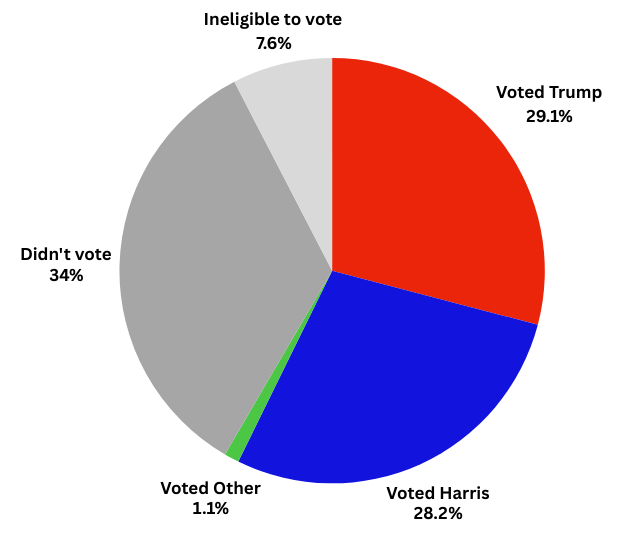
The 2024 United States presidential election serves as a significant backdrop for Atwood’s concerns. He highlights alarming statistics: 34% of eligible adults did not vote, and an additional 7.6% were ineligible (primarily non-citizens and individuals with felony convictions). This means approximately 42% of American adults had no direct say in the outcome of a pivotal election, raising fundamental questions about the representativeness of the democratic process.
Atwood suggests that this disengagement stems from a widespread belief that the government is failing to "keep America fair for everyone." He points to factors such as voter suppression, gerrymandering, and a pervasive sense that individual votes lack impact. To address these systemic issues, he advocates for several reforms:
- Making Election Day a National Holiday: This would remove work-related barriers to voting, increasing accessibility for many citizens.
- Universal Mail-in Voting: Expanding mail-in options could enhance convenience and participation, particularly for those with limited mobility or time.
- Ranked-Choice Voting: As demonstrated in his own Stack Overflow venture, this system allows voters to rank candidates, ensuring that elected officials have broader majority support and potentially reducing the impact of spoiler candidates.
- Strengthening Election Institutions: Investing in state and local election boards and the Federal Election Commission is crucial to maintaining the integrity and fairness of electoral processes.
Political Polarization and the Quest for a Shared Dream:
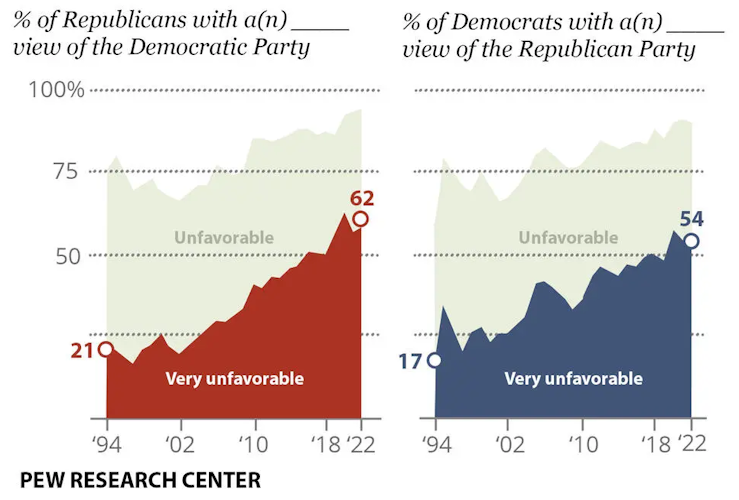
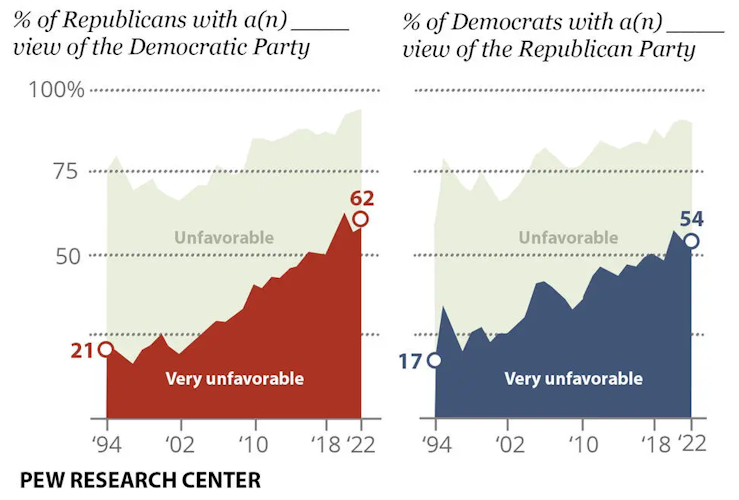
Atwood expresses deep concern over the "historically high levels" of political polarization, which he identifies as a significant impediment to governmental efficacy. He notes that the last meaningful constitutional amendment in the U.S. in over 60 years was the 26th Amendment in 1971, which lowered the voting age to 18. This legislative stagnation, he argues, is a direct consequence of an increasingly fractured two-party system. The inability of Congress to address critical national issues effectively erodes public trust and raises fundamental questions about whether Americans still share a common vision for their future.
Drawing parallels to historical moments, Atwood evokes Jimi Hendrix’s iconic rendition of "The Star-Spangled Banner" at Woodstock, interpreting it as a powerful reflection of a nation grappling with its ideals. He also references Radio Raheem’s "love and hate" monologue from "Do the Right Thing," presenting the nation with a stark choice between two paths. His pledge is unequivocally directed towards an "American Dream founded on love," emphasizing empathy, unity, and shared responsibility as guiding principles for national renewal.
A Call to Action and Future Outlook
Atwood’s initiative is not merely a financial contribution; it is a public call to action, urging fellow Americans to "contribute soon, however you can, to organizations you feel are effectively helping those most currently in need." He also pledges to "advise and empower others" working toward similar goals, seeking to amplify the impact of his family’s commitment through collaborative efforts.
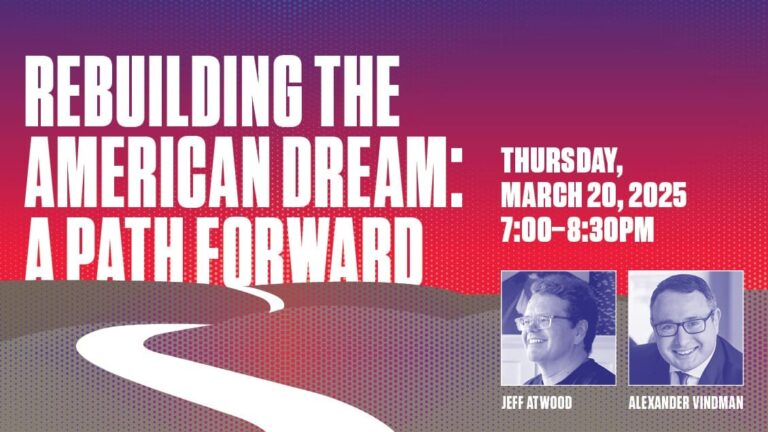
The announcement concludes with a forward-looking perspective, referencing a forthcoming blog post detailing the specific long-term efforts his family has chosen to support, and an upcoming "Cooper Union talk" co-presented with Alexander Vindman. This collaboration with a prominent figure known for his advocacy for democratic principles further underscores the initiative’s broader implications for national discourse and democratic resilience.
Jeff Atwood’s significant philanthropic pledge and his accompanying public statement represent a powerful convergence of personal experience, technological innovation, and a deep commitment to American ideals. By leveraging his wealth and influence to address both immediate needs and systemic challenges, he aims to reignite the promise of the American Dream, calling on individuals and institutions alike to re-engage with the foundational principles of equality, liberty, and the pursuit of happiness in a spirit of collective love and shared purpose. His actions challenge the traditional narratives of success and philanthropy, urging a more urgent, empathetic, and democratically informed approach to securing a brighter future for all Americans.
About the Author