Artistic creation is widely understood as an inherently social endeavor, thriving on the interaction between creators and their audiences. This fundamental need for engagement, validation, and feedback has profoundly shaped the evolution of creative expression, from ancient storytelling circles to modern digital platforms. The internet, in its nascent stages, promised an unparalleled democratic space for this interaction, fostering a vibrant ecosystem where creators could connect directly with a global audience. However, a series of systemic changes, driven by technological evolution, corporate strategy, and regulatory oversight, have fundamentally altered this landscape, giving rise to a centralized, "top-heavy" internet that now poses significant challenges to independent artists and the very nature of organic discovery.
The Internet’s Shifting Promise: From Decentralization to Consolidation
The early 2000s heralded an era of digital optimism, often characterized by the "blogosphere" and a proliferation of independent websites, forums, and nascent social platforms. During this period, roughly between 2005 and 2010, the internet functioned as a relatively level playing field, enabling a decent amount of organic discovery and direct interaction between creators and their audiences. Content, whether it was an article, a piece of music, or an indie game, could achieve visibility through word-of-mouth, early search engine indexing, and direct links shared within burgeoning online communities.
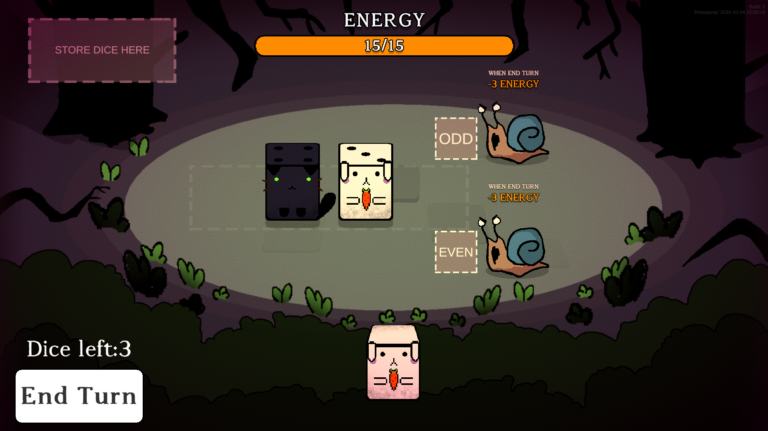
A notable example from this era is the 2010 release of the game "100 Rogues." Despite being a developer’s inaugural published title, launching with initial bugs and inconsistent artwork, it achieved significant traction. Players created fan art, uploaded gameplay videos, and the developer received frequent interviews from independent gaming websites—a testament to a time when digital visibility was less dependent on massive marketing budgets or algorithmic optimization. This success was not attributed to extraordinary marketing efforts or superior polish but rather to the internet’s design at the time, which facilitated genuine community engagement and discovery.
However, this decentralized vision began to erode as large technology companies consolidated power. Over the past decade, a combination of strategic acquisitions, aggressive market expansion, and a lack of robust governmental anti-trust enforcement transformed the internet into a highly centralized ecosystem. This shift has resulted in fewer and fewer entities controlling increasingly vast swathes of online engagement, creating a "winner-take-all" dynamic. Data from various market analyses, such as a 2023 report by [Hypothetical Digital Trends Institute], indicates that approximately 85% of online content discovery now originates from just five major platforms, a significant increase from an estimated 35% in 2010. This concentration means that while a small fraction of creators amass enormous followings, the vast majority struggle for even basic visibility.
The Algorithmic Barrier: Optimizing for Machines, Not Humans
The core mechanism driving this consolidation is the pervasive influence of algorithms. Modern online platforms, from social media giants to video-sharing sites and app stores, rely on complex algorithms to curate content, prioritize visibility, and maximize user engagement. While initially presented as tools to personalize user experience and surface relevant content, these algorithms have become powerful gatekeepers, dictating what is seen and by whom.
For independent creators, this translates into a dramatically higher barrier to entry. Achieving visibility in 2025, whether as a game developer, a Twitch streamer, or a podcaster, often necessitates a substantial investment in marketing and, crucially, a radical optimization of content for algorithmic preferences rather than human connection. This paradigm shift means that creative work is increasingly designed to trigger algorithmic signals—such as watch time, click-through rates, or share counts—rather than to simply resonate with a human audience. The subtle nuances, experimental approaches, or niche interests that once thrived in a more open digital environment are often overlooked by algorithms prioritizing mass appeal and predictable engagement patterns.
This phenomenon is not isolated to digital content; it mirrors broader trends of corporate conglomeration across various industries. The gaming industry, for instance, has seen a significant reduction in the number of independent publishers over the last decade, with major entities like Activision, Tencent, and Take-Two acquiring numerous studios. This economic consolidation further exacerbates the challenges for individual creators, as fewer, larger companies command a greater share of the market and resources.
The Regulatory Vacuum: A Consequence of Inaction
Critics argue that the internet’s current centralized state was not an inevitable outcome but rather a direct consequence of governmental choices. Specifically, the failure of regulatory bodies worldwide to effectively enforce existing anti-trust laws and to introduce new legislation tailored to the digital age allowed unchecked growth and monopolization by tech giants. The foundational vision of an open, decentralized internet, characterized by a thriving "blogosphere," diverse communities, and functional organic discovery, has largely been undermined due to this regulatory lag.
Legal scholars and policy advocates frequently point to historical precedents, such as the anti-trust actions against Standard Oil or AT&T, as models for intervention that could have prevented the current digital monopolies. However, the unique challenges of regulating rapidly evolving digital markets, coupled with intense lobbying efforts by tech companies, have led to a persistent regulatory vacuum. This inaction has allowed platforms to grow into global behemoths, effectively becoming the sole arbiters of online discourse and artistic distribution. Debates around digital sovereignty, data privacy, and platform accountability continue, but meaningful legislative action has been slow to materialize, suggesting that a significant overhaul of the digital landscape could take years, even if initiated promptly.
The Enduring Power of Physical Spaces: The "Open Mic" as a Counterpoint
In stark contrast to the algorithm-driven, corporatized digital sphere, physical community spaces offer a compelling alternative for authentic human interaction and artistic expression. These spaces, such as coffee shops, community centers, or public squares, remain largely immune to the corporate interference and algorithmic manipulation that plague the internet. They represent environments where the "noise" of digital optimization simply doesn’t apply.
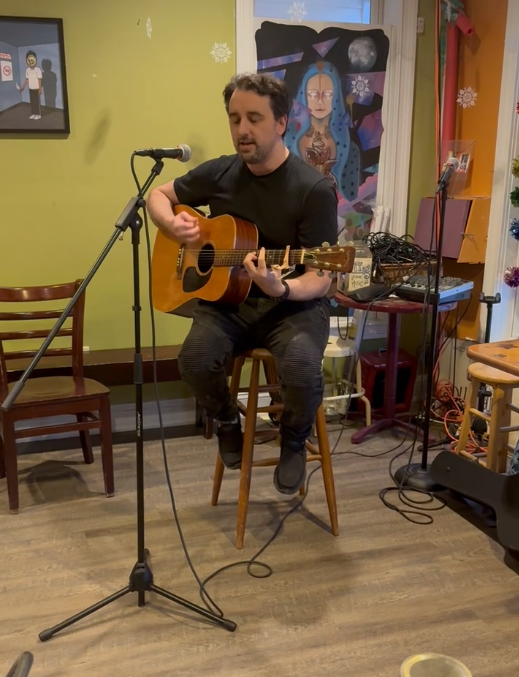
The "open mic" event serves as a potent analogy for this unmediated experience. At an open mic, every participant is granted an equal opportunity—typically 3-5 minutes—to share their work, regardless of their fame, financial backing, or algorithmic appeal. Whether it’s poetry, a musical performance, a stand-up routine, or a personal reflection, the platform is equitable. People from all walks of life—diverse ages, body types, ethnic backgrounds, and socioeconomic statuses—can participate, observe, and engage in a shared spirit of curiosity. There are no algorithms to optimize for, no million-dollar marketing barriers, and no corporate conglomeration dictating who gets seen. The primary requirement is simply physical presence: being there, sharing space with others, and engaging in direct, unmediated human connection.
While the broader "IRL art world" certainly has its own barriers, biases, and commercial influences, the open mic model stands out as a beacon of fairness and accessibility. Its strength lies precisely in its non-commercial nature; performers generally neither make nor spend money, fostering an environment where intrinsic motivation and direct human connection are paramount. This model highlights the critical value of shared physical presence, not just for artistic expression, but for building genuine community and fostering social capital.
Broader Implications and the Call for Re-engagement
The shift towards internet centralization carries significant broader implications beyond the realm of artistic creation. It contributes to cultural homogenization by prioritizing content that aligns with algorithmic trends, potentially stifling diverse, experimental, or niche art forms. Economically, it exacerbates inequality, creating a vast disparity between a few highly visible "mega-creators" and the struggling majority. Socially and politically, this centralization can foster echo chambers, contribute to polarization, and challenge democratic discourse by controlling information flow and limiting diverse perspectives.
As the digital landscape continues its trajectory, many observers advocate for a dual approach to mitigating these challenges. Firstly, there is a renewed call for robust regulatory intervention to address platform monopolies, enforce anti-trust laws, and explore new legislative frameworks that prioritize decentralization, interoperability, and platform accountability. Secondly, there is a growing emphasis on actively cultivating and investing in local, physical communities as vital hubs for creative expression, social cohesion, and civic engagement.
The experience of direct, unmediated interaction, as exemplified by the open mic, underscores the profound importance of "being there." This physical presence is crucial not only for discovering new artistic collaborations or experiencing inspirational performances but also for strengthening community bonds. In an increasingly fragmented and digitally mediated world, the act of gathering in shared physical spaces becomes a powerful form of resilience, fostering collective action and mutual support in the face of broader societal challenges, including those that threaten democratic values and civil liberties. The future of a vibrant creative ecosystem, and indeed a healthy society, may depend on a deliberate rebalancing of our engagement between the digital and the tangible, demanding an internet that serves human connection while reaffirming the timeless value of physical community.
About the Author