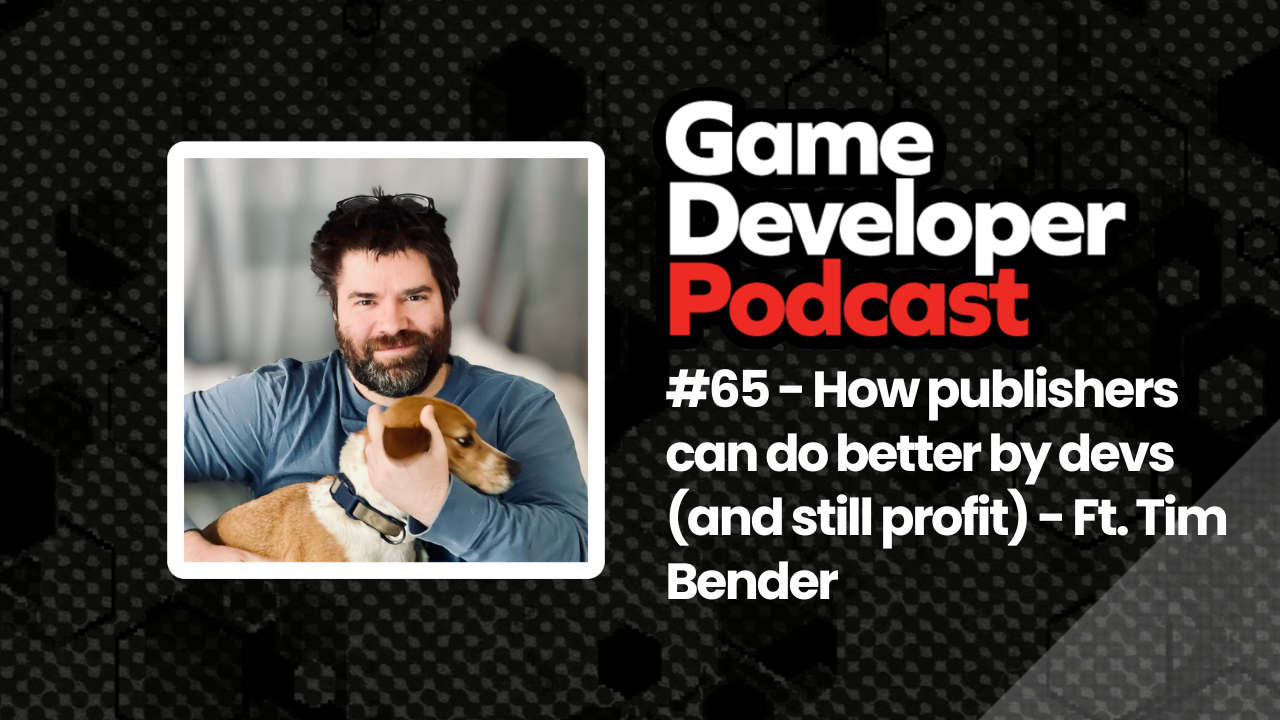
The video game industry, particularly its independent segment, has long grappled with the complex dynamics between developers and publishers. For years, the dialogue has centered on the intricacies of developers pitching their creative visions to potential funding partners. However, a recent, potent commentary from Tim Bender, CEO of Hooded Horse, has shifted the focus dramatically, questioning whether game publishers are genuinely providing adequate support to the developers they ultimately sign. Bender’s controversial assertion that many indie developers might be better served by self-publishing rather than seeking funding from what he termed "predatory and opportunistic" indie publishers has sent ripples through the sector, sparking a vital conversation about risk distribution, ethical practices, and the long-term sustainability of independent game development.
The Spark: Hooded Horse CEO Ignites a Crucial Dialogue
Tim Bender, at the helm of Hooded Horse, a publisher known for its strategic and simulation titles, including the highly anticipated Manor Lords, made headlines with his candid remarks published by PC Gamer. His statement wasn’t merely a critique of a few bad actors; it was a broader indictment of a system where, in his view, even well-intentioned publishers might inadvertently place an undue burden of risk on developers. This perspective stems from Bender’s unique journey into the gaming world and his declared aim for Hooded Horse to be a successful, yet not infinitely growing, entity focused on sustainable partnerships. His insights offer a fresh lens through which to examine the often-opaque world of game publishing, suggesting a potential pathway toward a more equitable and robust industry ecosystem.
A Historical Perspective: The Evolution of Game Publishing
To fully grasp the weight of Bender’s comments, it’s essential to understand the historical context of game publishing. In the early days of video games, particularly during the cartridge era of the 1980s and 1990s, publishers were indispensable. They controlled manufacturing, distribution channels (retail stores), marketing budgets, and access to console platforms. Developers, often small teams or individuals, had limited avenues to bring their creations to market without a publisher’s backing. This model, while necessary, inherently placed publishers in a dominant position, dictating terms that often favored their financial interests.
The advent of digital distribution in the 2000s, spearheaded by platforms like Steam, Xbox Live Arcade, and PlayStation Store, marked a paradigm shift. Suddenly, developers could bypass traditional retail gatekeepers and directly reach consumers. This era ushered in the "indie boom," empowering countless small studios to create and launch games with unprecedented autonomy. However, this newfound freedom also brought new challenges: an explosion of content leading to a severe discoverability crisis, intense competition, and the enduring need for significant marketing and operational capital that many small teams lacked. It was within this evolving landscape that the "indie publisher" emerged, aiming to bridge the gap between self-publishing and traditional large-scale publishing, offering services like funding, marketing, PR, quality assurance, and porting to developers who wanted to retain creative control but needed logistical and financial support.
The Modern Indie Publisher: A Spectrum of Services and Intentions
The contemporary indie publishing landscape is incredibly diverse. On one end are highly reputable publishers known for their transparent dealings, robust support systems, and a genuine commitment to their developers’ long-term success. These partners often provide significant upfront funding, cover development costs, manage extensive marketing campaigns, facilitate platform relations, and offer invaluable strategic guidance. Their revenue-sharing agreements, while varying, are typically structured to ensure both parties benefit fairly from a game’s success.
However, as Bender implies, there’s also a darker side. Some entities operating as "indie publishers" may offer limited capital, insufficient marketing, or a lack of industry expertise, while still demanding significant revenue splits or intellectual property concessions. Developers, often desperate for funding or overwhelmed by the complexities of marketing, can fall prey to agreements that offer little true value beyond initial cash, leaving them with high risk and diminished returns. Data from various industry reports often highlights the precarious financial situation of many indie studios, with a significant percentage struggling to break even, let alone achieve profitability. A 2021 survey by the Game Developers Conference (GDC) indicated that a substantial portion of indie developers earn below the average national income, underscoring the financial pressures that can make less-than-ideal publishing deals seem appealing.
Tim Bender’s Philosophy: Sustainability Over Infinite Growth
Bender’s critique is rooted in Hooded Horse’s distinct operational philosophy. Unlike many venture-capital-backed companies driven by aggressive growth targets, Bender reportedly aims for a sustainable, profitable business model that doesn’t prioritize infinite expansion at all costs. This approach allows Hooded Horse to be selective, focusing on games and developers they genuinely believe in, and structuring deals that are, by their design, more developer-friendly.
The success of titles like Manor Lords, which garnered immense wishlist numbers on Steam and became a massive hit upon its early access launch, provides a tangible example of Hooded Horse’s model in action. While the game’s inherent quality is undeniable, the publisher’s support in marketing, community management, and strategic planning undoubtedly played a crucial role in amplifying its reach. This success story lends credibility to Bender’s argument that a focused, supportive publisher can be invaluable, but only if their priorities align with the developer’s well-being and the game’s long-term potential, rather than short-term gains or exploitative practices.
The Publisher’s True Value Proposition: Beyond Just Money
Bender’s comments prompt a re-evaluation of what constitutes a "good" publisher. While financial investment is often the most visible aspect, the true value of a publisher, especially for indie developers, extends far beyond capital. A truly supportive publisher offers:
- Marketing & PR Expertise: Navigating the crowded media landscape, securing coverage, managing community engagement, and executing effective digital marketing campaigns.
- Platform Relations: Leveraging existing relationships with storefronts (Steam, Epic, console platforms) for better visibility, featuring, and operational support.
- Quality Assurance (QA) & Localisation: Professional testing to identify bugs and ensure a polished product, along with translation and cultural adaptation for global markets.
- Legal & Business Affairs: Handling complex contracts, intellectual property rights, and regulatory compliance.
- Strategic Guidance: Offering insights on market trends, game design feedback, pricing strategies, and post-launch support.
- Funding with Fair Terms: Providing necessary capital without predatory interest rates or disproportionate revenue splits, and often covering development milestones, porting costs, and marketing expenses.
When a publisher fails to deliver adequately on these crucial services, the financial investment alone may not justify the revenue share they take, effectively leaving the developer with much of the risk and workload. This scenario, as Bender suggests, makes self-publishing a potentially more attractive, albeit challenging, alternative for many.
Developer Perspectives: The Double-Edged Sword of Independence
For indie developers, the decision to partner with a publisher or self-publish is often agonizing. Self-publishing offers complete creative and financial control, allowing developers to retain 100% of their revenue (minus platform fees) and make all strategic decisions. However, it demands immense effort, expertise, and resources in areas often outside a developer’s core competency – marketing, PR, business development, legal, and financial management. Many talented developers lack the bandwidth, experience, or capital to effectively market their games in a fiercely competitive market where thousands of new titles are released annually.
Conversely, a publishing deal can alleviate these burdens, providing a safety net of funding and expertise. Yet, the cost is often a significant portion of revenue (commonly 30-50% after platform fees), and a relinquishing of some control. The industry is rife with stories of both wildly successful publisher partnerships and deeply regrettable ones, highlighting the highly variable nature of these relationships. Developers often express frustration over opaque reporting, slow communication, or a lack of proactive support from their publishing partners.
Broader Implications and the Path Forward
Bender’s outspoken comments have not only stirred debate but also served as a clarion call for greater transparency and ethical conduct within the indie publishing sector. The implications are multi-faceted:
- Increased Scrutiny on Publisher Deals: Developers are likely to approach publishing agreements with renewed caution, scrutinizing terms, services offered, and the publisher’s track record more thoroughly. This could lead to a demand for more standardized, transparent contracts.
- Empowerment of Developers: By highlighting the potential pitfalls, Bender’s remarks empower developers to better understand their options and negotiate from a more informed position. The rise of developer-focused advocacy groups and resources further aids this empowerment.
- Market Correction: If enough developers choose self-publishing or gravitate towards genuinely supportive publishers, those employing less ethical or effective models may be forced to adapt or face obsolescence.
- Refocus on Value: Publishers will need to articulate and demonstrate their unique value proposition more clearly. Simply offering money may no longer be enough; concrete, measurable support in marketing, PR, and strategic guidance will become paramount.
- Sustainability of the Indie Ecosystem: Ultimately, the debate contributes to a broader discussion about the long-term health of the indie game sector. A more equitable distribution of risk and reward between developers and publishers is crucial for fostering innovation and ensuring that creative talent can thrive without succumbing to financial precarity.
The industry is already seeing shifts. Some publishers are adopting more developer-friendly models, offering hybrid deals, or focusing on long-term partnerships rather than single-game successes. Crowdfunding platforms continue to evolve, offering another avenue for developers to secure funding directly from their audience. Furthermore, analytics and marketing tools are becoming more accessible, enabling self-publishing developers to manage aspects of their launch more effectively.
Tim Bender’s critique, while provocative, underscores a critical juncture in the independent game development landscape. It is a necessary disruption, forcing industry stakeholders to confront uncomfortable truths about existing practices and to collectively envision a future where the creative forces behind games are adequately supported, fairly compensated, and empowered to build a truly sustainable and innovative industry. The discussion ignited by Hooded Horse’s CEO is not merely about business; it’s about the soul of indie gaming and the conditions under which its most compelling creations can continue to flourish.
About the Author