The global extended reality (XR) hardware landscape is undergoing a period of significant recalibration as major industry players respond to macroeconomic pressures and shifting technological priorities. Valve Corporation has officially announced a reevaluation of the pricing and release schedule for its highly anticipated Steam Frame device, citing a volatile supply chain. Simultaneously, Meta Platforms Inc. has clarified its long-term hardware roadmap following a series of internal restructurings, while Samsung and Apple have signaled new aggressive moves in the smartglasses and input technology sectors. These developments suggest that while the XR market remains a focal point for big tech, the path to consumer adoption is being redefined by component scarcity and a pivot toward artificial intelligence integration.
Valve and the Steam Frame Supply Chain Constraints
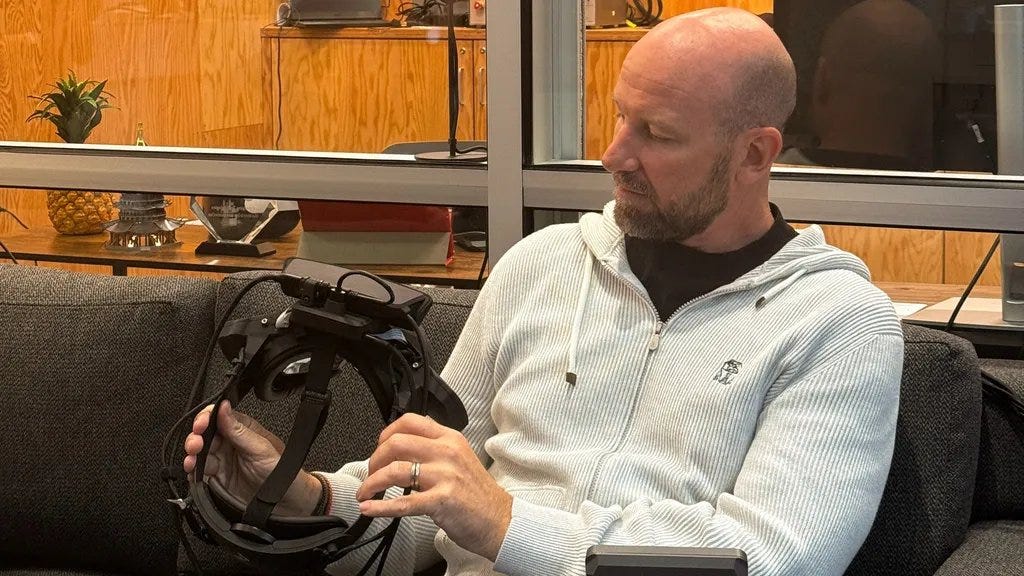
In a recent communication to stakeholders and the enthusiast community, Valve confirmed that the Steam Frame—a device widely considered to be the next major evolution in the company’s hardware ecosystem—is facing delays. The company had originally intended to finalize pricing and a firm launch date by early 2026; however, global shortages in memory and storage components have forced a strategic retreat.
The primary driver behind this shortage is the unprecedented demand for high-performance memory chips from the artificial intelligence sector. As AI firms aggressively build out massive datacenters, they have effectively monopolized the supply of RAM and NAND flash storage, driving prices to levels not seen in several years. This trend has placed immense pressure on the production of specialized computing devices like the Steam Machine and Steam Frame.

Valve’s internal projections now suggest the device will launch in the first half of the current year, though with a likely price adjustment. While the company previously aimed for an aggressive entry-level price point, current market conditions may push the final cost toward the $1,000 threshold—a figure Valve had previously described as a "hard limit." Analysts suggest a retail price between $800 and $900 is more probable, positioning the Steam Frame as a premium tool for prosumers rather than a mass-market consumer peripheral. Additionally, Valve confirmed that official prescription lens inserts will not be available at launch but are scheduled for release later in the year.
Meta Platforms Clarifies Hardware Roadmap and Content Strategy
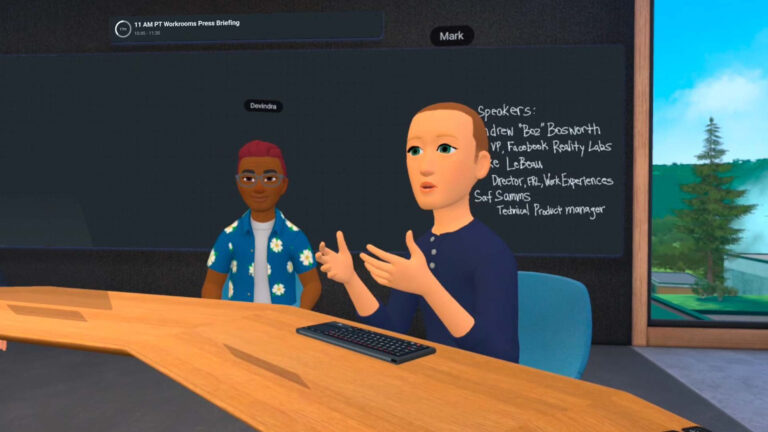
Following a turbulent period of layoffs and the closure of several first-party gaming studios, Meta’s Chief Technology Officer, Andrew Bosworth, addressed the company’s future in a public forum. Bosworth confirmed that despite recent internal cuts within Reality Labs, Meta remains committed to shipping its next two planned headsets. He characterized the recent downsizing as a necessary "remodulation" to align the company’s investments with a VR market that is growing more slowly than initially forecasted.
A significant point of contention remains Meta’s decision to shutter internal development houses. Bosworth argued that by maintaining first-party studios, Meta was inadvertently competing with third-party developers on its own Horizon Store platform. By stepping back from internal game production, Meta aims to foster a more equitable ecosystem for external creators. However, industry observers have noted a potential contradiction in this narrative, pointing to Meta’s history of "sherlocking"—incorporating features from successful third-party apps like Virtual Desktop or YUR directly into the Quest operating system.
To mitigate concerns regarding content droughts, Meta has reaffirmed its commitment to funding third-party titles. The strategy appears to be shifting away from high-budget "system sellers" toward a broader array of indie and social-first experiences. This move coincides with data from the 2026 GDC State of the Game Industry survey, which indicates that while 8% of all game developers are currently working on XR projects, the vast majority are targeting the Quest platform, reinforcing Meta’s dominant market position despite its strategic pivots.

Samsung and Apple: The Race for the Face
The competitive landscape for head-worn wearables is set to intensify with new entries from Samsung and Apple. During its Q4 2025 earnings call, Samsung representatives confirmed that the company’s long-rumored XR glasses are slated for a 2026 release. Seong Cho, head of Samsung’s mobile experience division, stated that the goal is to deliver "multimodal AI experiences" through these next-generation devices. Market analysts predict that Samsung’s first iteration will likely be "AI smartglasses"—devices focused on audio and visual assistance—rather than fully immersive augmented reality (AR) spectacles, which remain technically challenging for a consumer form factor.
Apple, meanwhile, has bolstered its XR input capabilities through the acquisition of Q.ai, a startup specializing in "silent speech" technology. The deal, reportedly valued at $1.6 billion, provides Apple with proprietary methods for translating unvoiced muscle movements into digital commands. This technology allows users to interact with devices using vocal intent without emitting audible sound, solving the dual problems of privacy and social friction in public spaces. This acquisition is seen as a direct response to the limitations of gesture and voice control in current-generation spatial computing devices like the Vision Pro.
Technological Advancements: Volumetric Media and Standardization
The technical foundation of the XR industry is evolving alongside the hardware. Arcturus Studio recently showcased advancements in Gaussian Splatting technology, demonstrating its application in fully volumetric sports broadcasts. By utilizing a multi-camera array and advanced rendering, the studio can recreate live sporting events that allow viewers to observe the action from any perspective within a digital environment.
To support these high-fidelity assets, the Khronos Group is currently working to integrate Gaussian Splatting into the glTF 3D format. This standardization is a critical step for the industry, as it will facilitate the seamless sharing of complex volumetric data across different hardware platforms and software engines, much like the JPEG format revolutionized digital photography.

Chronology of Recent XR Industry Milestones
- Late 2025: Supply chain reports indicate a sharp rise in RAM and NAND flash pricing due to AI datacenter expansion.
- January 2026: Samsung confirms XR glasses development during its Q4 earnings call.
- Early February 2026: Valve publishes a blog post acknowledging Steam Frame delays and potential price hikes.
- February 2026: Meta CTO Andrew Bosworth clarifies the "two-headset" roadmap and defends studio closures.
- February 2026: Apple’s acquisition of Q.ai for $1.6 billion is made public.
- Mid-February 2026: GDC 2026 Survey results reveal 8% of developers are active in XR, with Quest as the primary target.
Broader Economic Impact and Market Implications
The current state of the XR industry reflects a broader trend in the technology sector: the "AI Tax." The diversion of hardware resources—specifically high-bandwidth memory (HBM) and specialized processing units—to AI development has created a bottleneck for other emerging technologies. For Valve and Meta, this means higher bills of materials (BOM) and lower margins, which are inevitably passed on to the consumer.
Furthermore, the shift in content strategy from "Triple-A" exclusives to indie-led social experiences suggests a maturation of the market. Investors are becoming less patient with high-burn internal projects, favoring instead the "platform-as-a-service" model where the platform owner provides the tools and the community provides the content. This is evidenced by the recent $2 million investment fund launched by ENVER and Trass Games, which specifically targets "social-first" VR experiences rather than traditional single-player narratives.
As the industry moves toward the second half of 2026, the success of these companies will likely depend on their ability to balance high-cost hardware engineering with the practical realities of a resource-constrained supply chain. The transition from "Virtual Reality" as a gaming niche to "Spatial Computing" and "AI Wearables" as a general-purpose utility remains the overarching goal, even as the timeline for that transition continues to shift.
About the Author