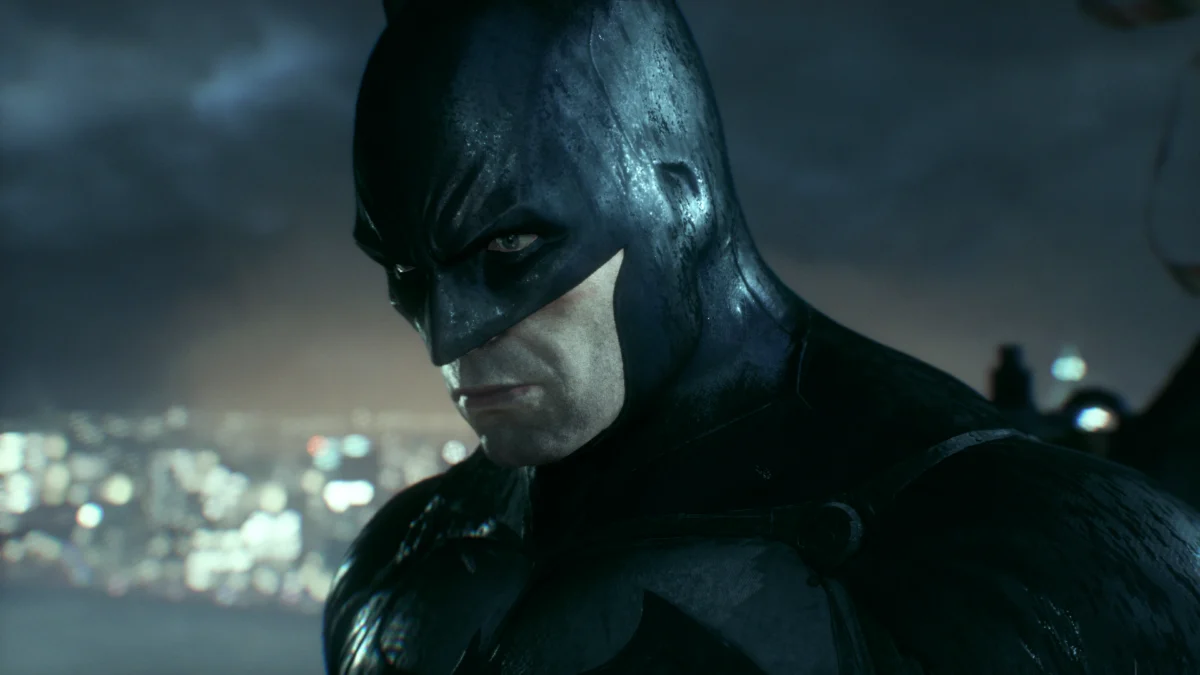
Rocksteady Studios’ Batman: Arkham Knight, the concluding chapter in its critically acclaimed core Arkham trilogy, occupies a unique and often debated position within the pantheon of superhero video games. Much like Christopher Nolan’s The Dark Knight Rises in its cinematic counterpart, Arkham Knight faced a reception that, while generally positive, was notably more mixed than its predecessors, Arkham Asylum and Arkham City. Yet, a closer examination reveals a narrative ambition and thematic depth that solidifies its standing as a powerful, if at times controversial, finale to one of gaming’s most impactful sagas. Despite initial criticisms, the game’s dramatic conclusion, its exploration of Batman’s psychological torment, and its expansion of Gotham City’s scale ultimately deliver a fitting end to the Caped Crusader’s video game journey, as reflected in its generally favorable Metacritic score of 87/100 for PlayStation 4, with similar high scores across other console platforms.
The Arkham Saga: A Blueprint for Superhero Gaming
The journey to Arkham Knight began in 2009 with Batman: Arkham Asylum, a title that redefined superhero video games. Prior to its release, many licensed games struggled to capture the essence of their source material. Arkham Asylum, however, delivered a groundbreaking blend of fluid free-flow combat, intricate stealth mechanics, and compelling detective work, all wrapped in a dark, atmospheric narrative penned by veteran Batman writer Paul Dini. It earned widespread critical acclaim, boasting a Metacritic score of 92/100, and set a new standard for the genre. Its sequel, Batman: Arkham City (2011), expanded upon this foundation, transplanting Batman into an open-world segment of Gotham and deepening the narrative stakes. With an even higher Metacritic score of 96/100, Arkham City is often cited as the series’ undisputed peak, celebrated for its expansive roster of villains, refined gameplay, and a shocking, emotionally resonant ending that saw the demise of the Joker.
This unprecedented success built immense anticipation for the trilogy’s finale. Arkham Knight, announced in 2014, was poised to deliver a definitive conclusion, promising to put players in control of the Batmobile for the first time in the series and unleash a new, formidable threat upon Gotham. The pressure on Rocksteady to not only meet but exceed expectations was immense, given the lofty bar set by its predecessors.
Arkham Knight’s Ambitious Scope and Narrative Darkening
Released in June 2015, Batman: Arkham Knight picks up nine months after the tragic events of Arkham City. Gotham City, still reeling from the Joker’s death, is plunged into chaos once more as Scarecrow orchestrates a city-wide evacuation, threatening to unleash his most potent fear toxin. He is aided by a mysterious, highly militarized figure known only as the Arkham Knight, who commands an army intent on ending Batman once and for all. This setup immediately signals a darker, more intense tone than previous entries, pushing Batman to his psychological and physical limits.
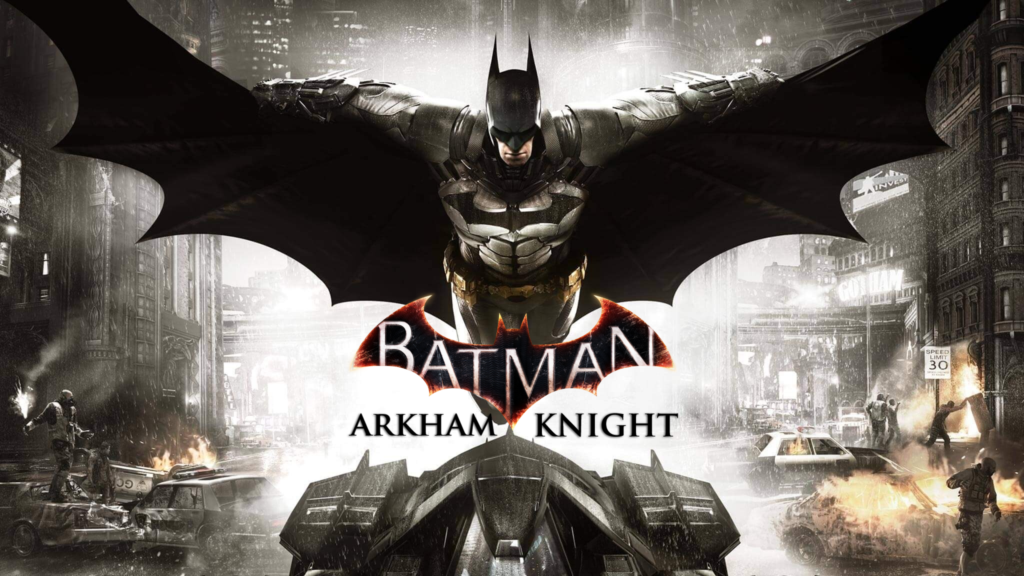
The game’s narrative thrust is not merely about stopping a supervillain plot; it’s a profound exploration of Batman’s identity, fears, and legacy. The story shifts from merely protecting Gotham’s physical safety to confronting the hero’s internal struggles, asking haunting questions: Can Batman win without compromising his moral code? Are his deepest fears, particularly those linked to his failures and losses, justifiable? What is the true cost of his vigilantism on himself and those he cares about? This introspection is woven into the very fabric of the gameplay, often manifesting through psychological torment induced by Scarecrow’s toxin and the lingering presence of the Joker, who appears as a hallucinatory manifestation within Batman’s mind.
Thematic Resonance Through Dialogue: A Deeper Dive into Character
While some initial criticisms pointed to the dialogue lacking the sharp wit of previous entries, its purpose in Arkham Knight is undeniably profound. The characters’ words serve to reveal their core motivations, challenge established beliefs, and force confrontations with grim realities, often reflecting the game’s darker thematic turns.
Batman (Bruce Wayne): The Burden of the Symbol
In Arkham Knight, Batman is at his most vulnerable. His dialogue, though sparse, emphasizes the tension between the unwavering symbol he projects and the broken man beneath the cowl. His lines frequently underscore his commitment to Gotham, yet betray an increasing weariness and self-doubt. For instance, his resolute declaration, "I am whatever Gotham needs me to be," reflects his enduring dedication, even as his internal struggles escalate. Conversely, lines like, "I’m always alone. Always," spoken in moments of profound isolation or betrayal, highlight the crushing weight of his solitary crusade and the sacrifices he has made. This duality is central to the game’s exploration of his character, pushing him to confront the ultimate price of his war on crime. The internal monologues and interactions with the hallucinated Joker further dissect his psyche, revealing the fear of becoming his greatest enemy.
Scarecrow (Dr. Jonathan Crane): The Master of Fear
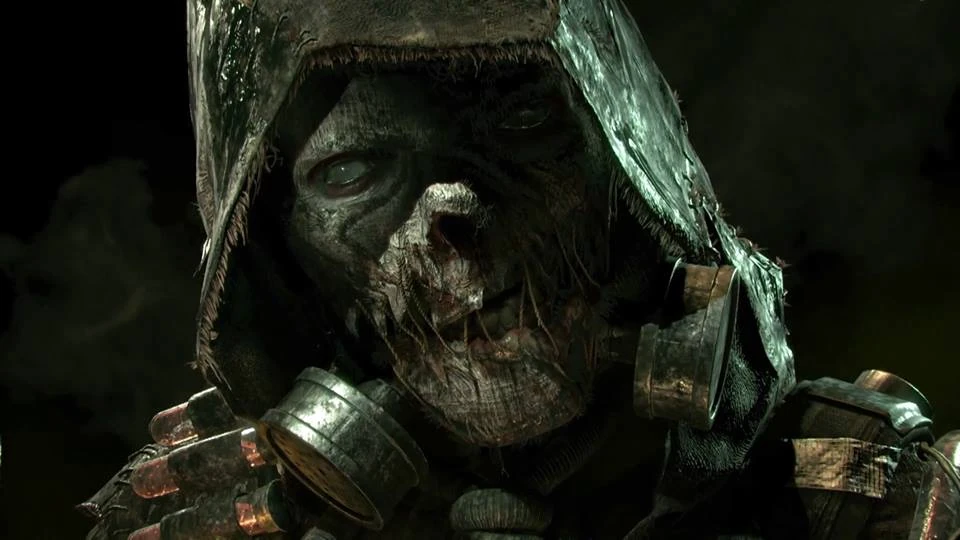
As the primary antagonist, Scarecrow’s influence permeates every aspect of the game. Unlike villains who rely on brute force, Crane wields fear as his ultimate weapon. His dialogue is chillingly calm, yet profoundly menacing, illustrating his belief in fear’s inevitability and its power to dismantle even the most formidable wills. Statements such as, "Fear is the most powerful weapon. It lives in the darkest corners of the mind," not only define his philosophy but also serve as a constant psychological assault on Batman. Scarecrow systematically exploits Batman’s deepest anxieties, forcing him to witness his failures and confront his personal demons, culminating in a masterfully executed plot to expose Batman’s secret identity and break his spirit.
The Arkham Knight (Jason Todd): The Echo of Betrayal
The reveal of the Arkham Knight as a resurrected and vengeful Jason Todd, Batman’s former Robin, is a pivotal narrative moment. His dialogue is steeped in anger, bitterness, and a profound sense of betrayal, reflecting his traumatic past and his warped perception of Batman’s mentorship. Lines like, "You abandoned me! You replaced me!" cut to the heart of Batman’s greatest failure, illustrating Todd’s belief that Batman chose Gotham over him. This personal vendetta elevates the conflict beyond typical hero-villain dynamics, transforming it into a tragic family drama where Batman must confront the consequences of his own choices and the trauma he inadvertently inflicted. Jason Todd’s arc, from enraged antagonist to a damaged but eventually redeemed figure, is one of the game’s most poignant narrative threads.
Supporting Characters and Lighter Moments: Humanity Amidst Despair
Even amidst the prevailing darkness, supporting characters offer moments of insight and occasional levity. Oracle (Barbara Gordon), Alfred Pennyworth, and Commissioner Gordon provide crucial moral support and strategic assistance, their dialogue grounding Batman in reality and reminding him of the human element he strives to protect. Their expressions of concern and encouragement, such as Alfred’s unwavering loyalty, underscore the stakes of Batman’s battle. Even minor characters contribute to the atmosphere, with casual criminal banter often providing stark contrasts to the overarching grimness. Occasional wry remarks from Batman or other allies offer brief respites, preventing the narrative from becoming unrelentingly bleak.
Critical Reception and Technical Challenges
Upon its release, Arkham Knight garnered strong critical praise for its stunning graphics, refined combat, and engaging narrative. However, it was not without its detractors, and several key issues contributed to its mixed reception.
The most significant controversy surrounded the PC port, which was plagued by severe performance issues, bugs, and optimization problems. This led to its temporary removal from sale, a rare and highly damaging event for a AAA title. This technical debacle cast a shadow over the game’s launch and significantly impacted its overall perception, particularly among PC players.
Beyond technical issues, gameplay criticisms emerged. The extensive integration of the Batmobile, while initially exciting, was deemed overused by some players. Its frequent inclusion in combat, puzzle-solving, and traversal sections felt forced to a segment of the audience who preferred the traditional Arkham gameplay loop of stealth and hand-to-hand combat. Additionally, some players found the Arkham Knight’s identity reveal to be predictable, having been heavily speculated upon prior to release.
Despite these points of contention, the game received numerous accolades, including multiple "Game of the Year" nominations and awards for its art direction, sound design, and narrative. Its sales were robust, further cementing the commercial success of the Arkham series. The enduring high Metacritic scores across consoles underscore its quality, suggesting that for many, the strengths far outweighed the weaknesses.
Technological Prowess and Gameplay Evolution
Arkham Knight pushed the boundaries of its generation. Developed on Unreal Engine 3, it delivered a breathtakingly detailed Gotham City, showcasing intricate environmental design and character models. The scale of the city was unprecedented for the series, offering a truly open-world experience for players to glide, grapple, and now, drive through.
The core gameplay mechanics refined over the previous games reached their zenith. The free-flow combat system was expanded with new environmental takedowns and dual-play mechanics, allowing players to seamlessly switch between Batman and an ally (such as Robin, Nightwing, or Catwoman) mid-combat. Predator stealth encounters were more complex, featuring larger environments and more diverse enemy types, demanding greater tactical ingenuity. The integration of the Batmobile, while debated, introduced a dynamic layer of vehicle combat and traversal, allowing Batman to engage in large-scale urban warfare, a significant departure from previous entries. Gadget integration was also smoother, with tools like the Batclaw, Batarang, and remote hacking device playing integral roles in both combat and detective challenges.
Lasting Impact and Re-evaluation
Over time, Batman: Arkham Knight has undergone a gradual re-evaluation. While the PC launch remains a cautionary tale in game development, the console versions have consistently been celebrated for their fidelity and depth. The narrative, in particular, has garnered increasing appreciation for its bold psychological exploration of Batman, its willingness to delve into darker themes, and its definitive, albeit bittersweet, conclusion to Bruce Wayne’s story as Batman.
The game’s ending, featuring Batman activating the "Knightfall Protocol" and seemingly sacrificing himself to protect his identity and inspire Gotham, left a lasting impression. The ambiguous final scene, hinting at a new, more terrifying Batman emerging from the shadows, sparked considerable discussion about the hero’s ultimate legacy and the cyclical nature of crime and justice in Gotham. This bold narrative choice allowed Rocksteady to deliver a truly conclusive ending while leaving room for interpretation, mirroring the complex conclusions often found in long-running comic book sagas.
Arkham Knight‘s influence can be seen in subsequent superhero titles, which have continued to aspire to its level of narrative depth, gameplay polish, and environmental detail. It proved that a definitive ending to a beloved franchise could be both satisfying and thought-provoking, even if it meant challenging player expectations.
In conclusion, Batman: Arkham Knight is far more than just the sum of its initial criticisms. It stands as an ambitious, emotionally charged, and technically impressive finale that pushed the boundaries of its genre. Its rich narrative, driven by powerful dialogue and profound thematic concerns, successfully brought Rocksteady’s vision of the Caped Crusader to a dramatic close. While its journey to critical consensus has been more tumultuous than its predecessors, Arkham Knight has ultimately cemented its place as a pivotal and enduring entry in Batman’s cultural legacy, proving that even a flawed masterpiece can achieve true greatness.
About the Author