The bi-annual Ludum Dare game jam, a cornerstone event in the global independent game development calendar, recently concluded its 56th iteration, challenging participants to craft complete game experiences within a compressed timeframe under the unifying theme of "Tiny Creatures." From October 4th to October 7th, developers worldwide converged online, dedicating 48 or 72 hours to conceptualize, design, and implement their visions from scratch. The sheer volume and creative diversity of submissions, hosted primarily on platforms like itch.io, underscore the enduring appeal and developmental impact of such focused challenges. itch.io, a prominent digital storefront for independent games, has curated a selection of standout titles from Ludum Dare 56, each offering a unique interpretation of the "Tiny Creatures" theme and showcasing the remarkable ingenuity fostered by the jam’s constraints.
Understanding Ludum Dare: A Crucible of Creativity
Ludum Dare, founded in 2002 by Geoff Howland, has evolved into one of the largest and most influential game jams globally. Its fundamental premise is elegantly simple yet profoundly impactful: participants are given a theme and a strict deadline – either 48 hours for the "Compo" category (solo developers, all assets created during the jam) or 72 hours for the "Jam" category (teams allowed, external assets permitted with attribution). This intense pressure, coupled with a unifying creative prompt, serves as a powerful catalyst for innovation, rapid prototyping, and skill development.
Historically, Ludum Dare has been instrumental in the genesis of numerous commercially successful indie titles, including critically acclaimed games like Baba Is You, Broforce, and Papers, Please, all of which originated as jam prototypes. The event provides a crucial proving ground for aspiring and established developers alike, allowing them to experiment with novel mechanics, refine their design sensibilities, and build a portfolio of diverse projects. Each Ludum Dare cycle typically attracts thousands of participants, resulting in thousands of new games submitted, reflecting a vibrant global community dedicated to pushing the boundaries of interactive entertainment. The themes, chosen through a community-driven voting process, are often broad enough to allow for diverse interpretations yet specific enough to provide a clear creative direction, fostering both individual expression and collective exploration within a shared conceptual space.
itch.io’s Integral Role in Indie Game Discovery and Support
For the independent game development ecosystem, platforms like itch.io are not merely digital storefronts but vital community hubs. Founded on principles of openness, developer-centric policies, and a flexible revenue-sharing model, itch.io has become the preferred destination for game jam participants to upload, showcase, and receive feedback on their creations. Its robust tagging system allows for easy categorization and discovery of games, making it an invaluable resource for players seeking unique experiences and for developers seeking exposure.
The synergy between Ludum Dare and itch.io is particularly pronounced. itch.io provides the infrastructure for hosting game jam submissions, managing downloads, facilitating comments and ratings, and ultimately connecting developers with a global audience. This symbiotic relationship ensures that the immense creative output of events like Ludum Dare doesn’t languish in obscurity but finds a dedicated platform where it can be celebrated, analyzed, and potentially nurtured into larger projects. The platform’s emphasis on direct developer-to-player interaction also fosters a strong sense of community, allowing for valuable feedback loops that are crucial for the iterative nature of game development, especially in the post-jam review period.
Ludum Dare 56: The "Tiny Creatures" Conundrum
The theme for Ludum Dare 56, "Tiny Creatures," presented developers with a rich tapestry of possibilities. The interpretation could be literal, focusing on microscopic organisms, insects, or diminutive animals. It could also be metaphorical, exploring themes of insignificance, overlooked perspectives, or the power of small actions. This dual nature of the theme encouraged developers to think beyond the obvious, leading to a wide array of genres and gameplay mechanics.
The creative challenge inherent in such a theme lies in its constraints. How do you make a "tiny creature" compelling? Do you emphasize its vulnerability, its unique abilities, or its perspective on a larger world? The solutions presented by the Ludum Dare 56 participants demonstrate an impressive range of answers, from strategic combat featuring miniature combatants to introspective narrative experiences centered on small beings. This thematic focus often pushes developers to innovate within established genres or to invent entirely new gameplay loops that specifically leverage the concept of "tininess."
Featured Creations: A Deep Dive into "Tiny Creatures" Interpretations

The following games represent a selection of itch.io’s top recommendations from Ludum Dare 56, each offering a distinct and compelling take on the "Tiny Creatures" theme:
1. TINY PACK
Developer: xk
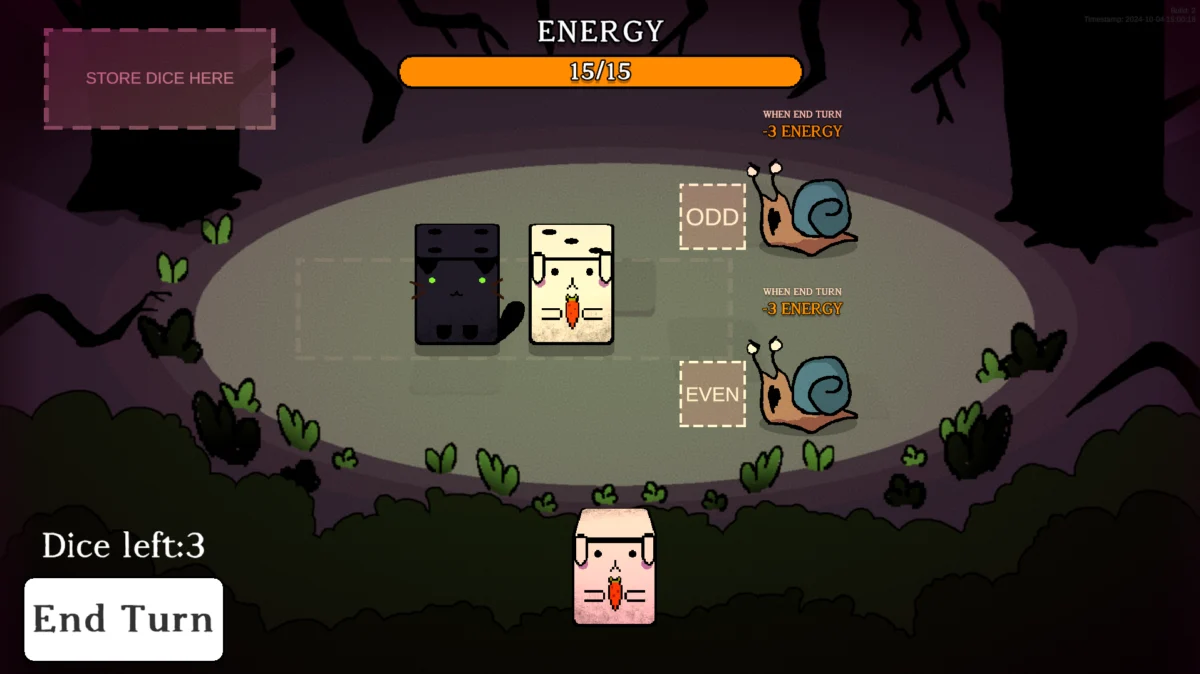
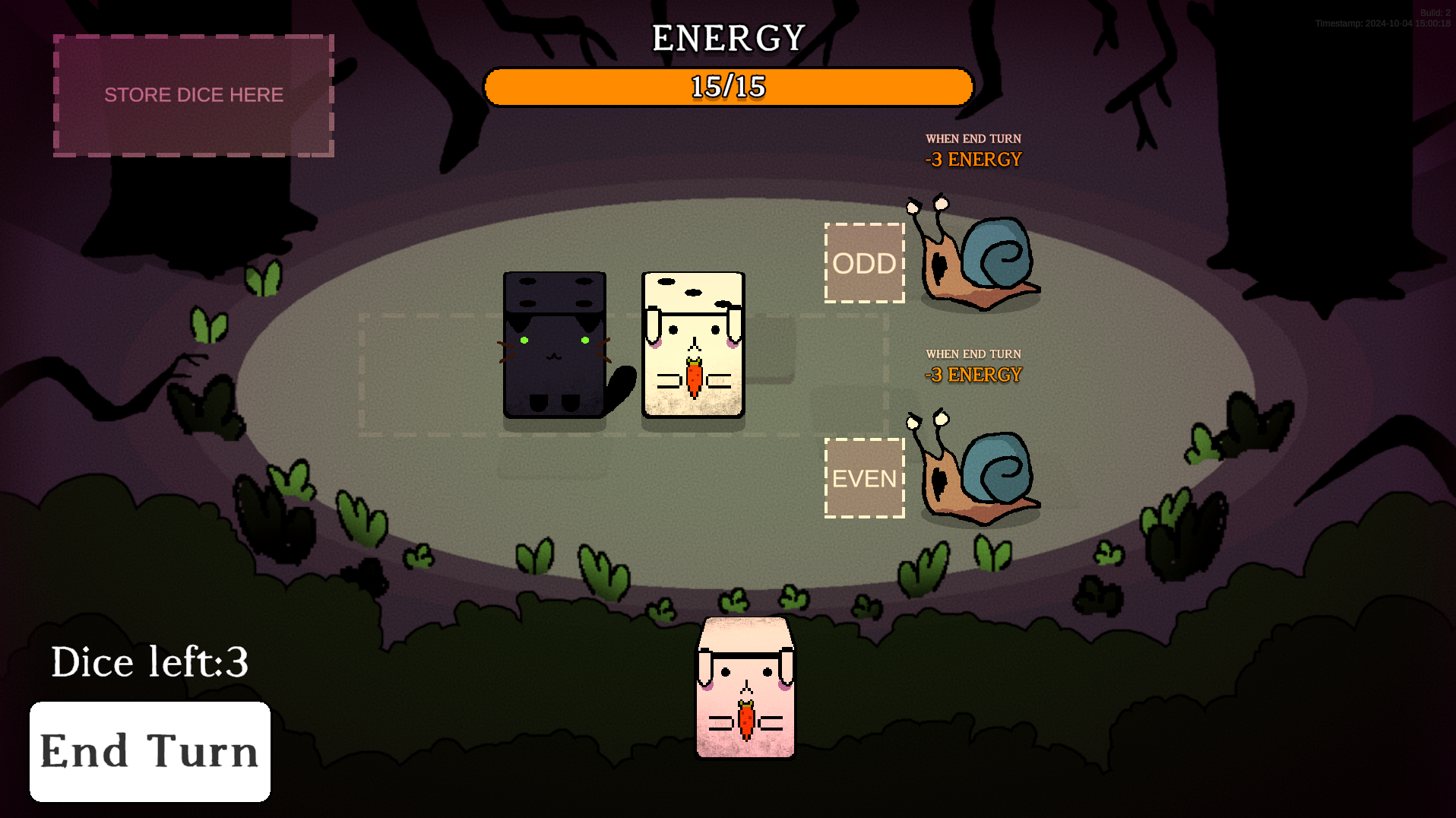
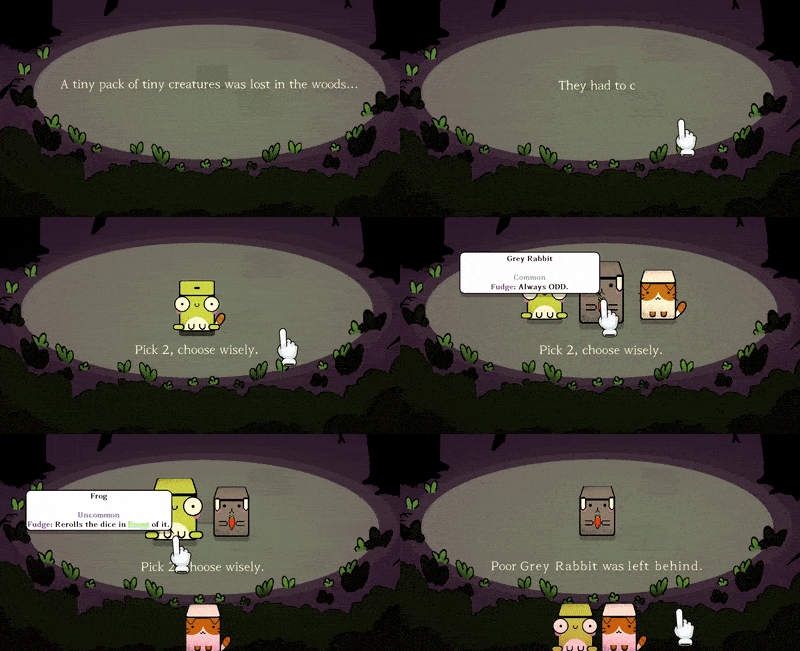
"TINY PACK" masterfully blends elements of the roguelike genre with strategic deck-building and turn-based combat, all set within a beautifully rendered pixel-art forest. Players are tasked with guiding a cohesive pack of diminutive creatures through a series of procedurally generated woodland encounters. The core gameplay revolves around a unique dice-based ability system, where dice rolls dictate available actions and strategic choices. As players progress, they collect new cards to augment their deck, enhancing their creatures’ abilities and allowing for complex combo formations. The "tiny creatures" aspect is central, as the strength of the pack lies in their collective numbers and diverse skills, emphasizing cooperation and strategic resource management against the backdrop of a vast, dangerous forest. This browser-playable title showcases the depth that can be achieved even within a short development cycle.
2. Butterjar
Developer: zz1p
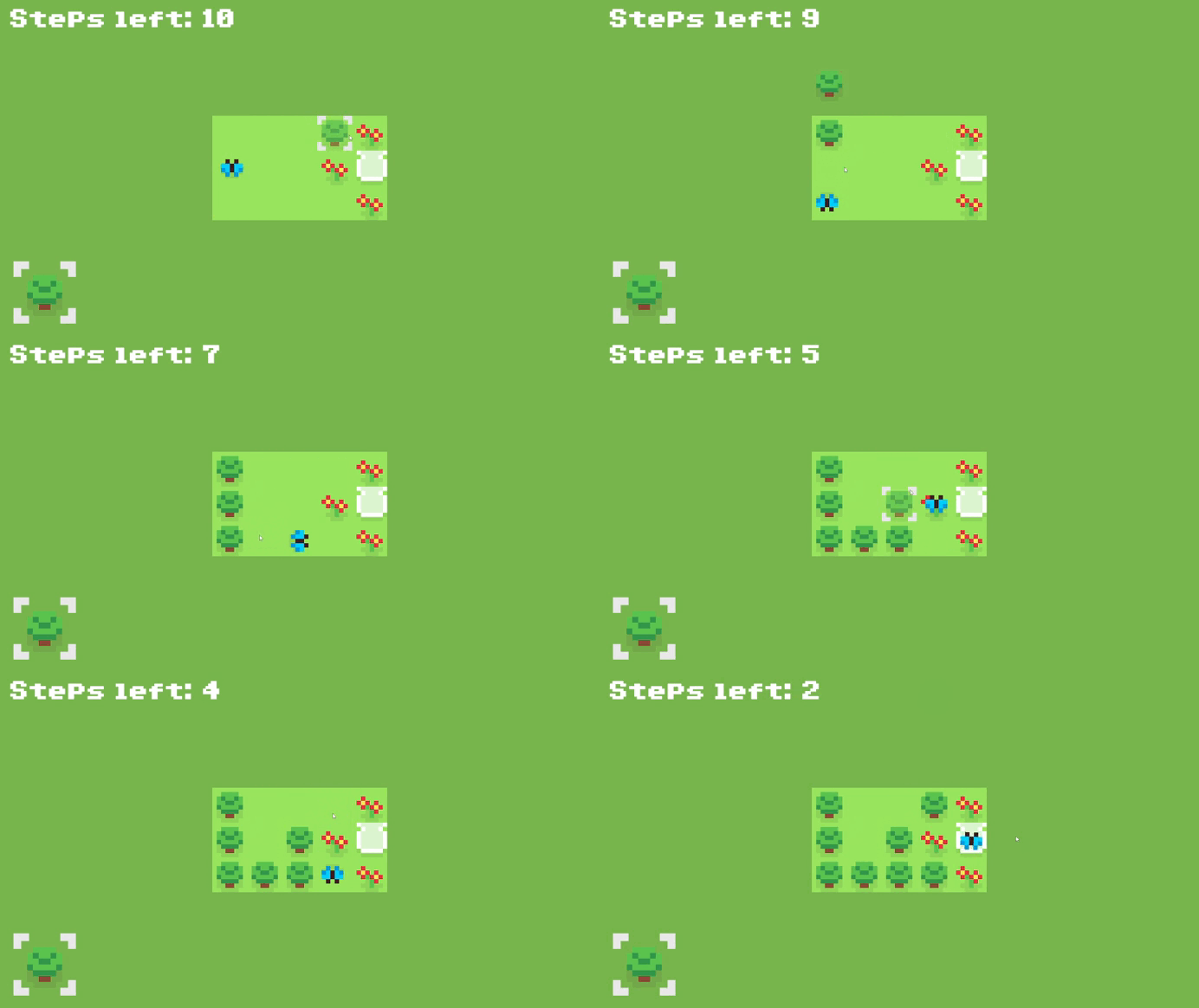
A charming and concise puzzle-platformer, "Butterjar" challenges players to guide a delicate butterfly through a series of intricate environments, with the ultimate goal of safely reaching a jar. The game features 13 carefully designed levels, each presenting a unique environmental puzzle that requires precise movement and clever manipulation of the surroundings. The "tiny creature" here, the butterfly, is inherently fragile, making every jump and flap a calculated risk. The game’s minimalist aesthetic and intuitive controls contribute to a focused, meditative experience that can be completed in approximately ten minutes. Its browser-based accessibility ensures immediate engagement, making it an ideal example of a perfectly scoped game jam entry.
3. GO BLO
Developer: kazantsev
"GO BLO" introduces an intriguing mechanic of crowd-gathering within a puzzle-driven environment. Players lead a primary "blue person" – a titular tiny creature – through various levels, tasked with accumulating an ever-growing troop of followers. Each level’s puzzles are designed around the concept of collective mass; certain obstacles can only be overcome, or switches activated, by a sufficiently large group of these blue individuals. The game cleverly utilizes the "tiny creatures" theme by making the individual insignificant but the collective powerful. Its vibrant, minimalist visual style perfectly complements the straightforward yet engaging puzzle design, offering a fresh perspective on resource management and environmental interaction, all playable directly in a browser.
4. Slimeow Game
Developer: quanran
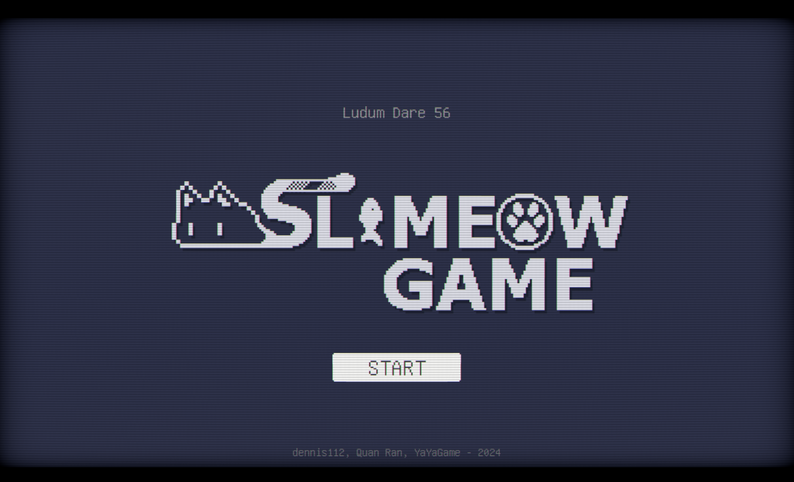
A clever fusion of tower defense and incremental gameplay, "Slimeow Game" places players in control of a burgeoning colony of "slimeows" – adorable, gelatinous feline-like creatures. The objective is twofold: guide these tiny creatures to collect fish, which serves as a vital resource, and then use that resource to breed more slimeows, expanding the colony. Simultaneously, players must defend their precious pond from invading "bobtails" using their growing army of slimeows. The game expertly leverages the "tiny creatures" theme through the exponential growth of the slimeow population and the strategic deployment of these small defenders. The incremental nature provides a satisfying sense of progression, while the tower defense elements demand tactical thinking. This browser-based title offers a surprising amount of depth for a jam game.
5. A very small seed
Developer: vidarn
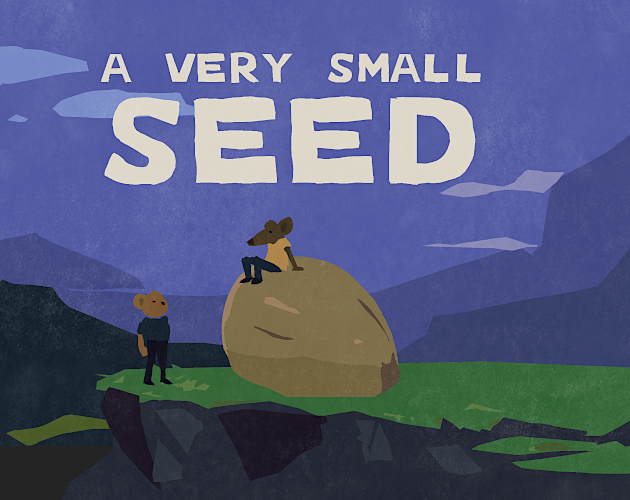
"A very small seed" is a poignant, hand-drawn narrative adventure that follows the journey of two minuscule creatures attempting to transport a tiny seed back to their home. This short, interactive experience emphasizes the scale of the world from a diminutive perspective, where even a small pebble can be a formidable obstacle. The game’s charm lies in its evocative art style and its focus on a simple, heartfelt quest. Players navigate various challenges that are magnified by the characters’ size, fostering empathy for their struggle. It’s a testament to how the "tiny creatures" theme can be used to craft emotionally resonant stories, proving that grand narratives don’t always require grand protagonists.
6. Critter Switcher
Developer: torcado
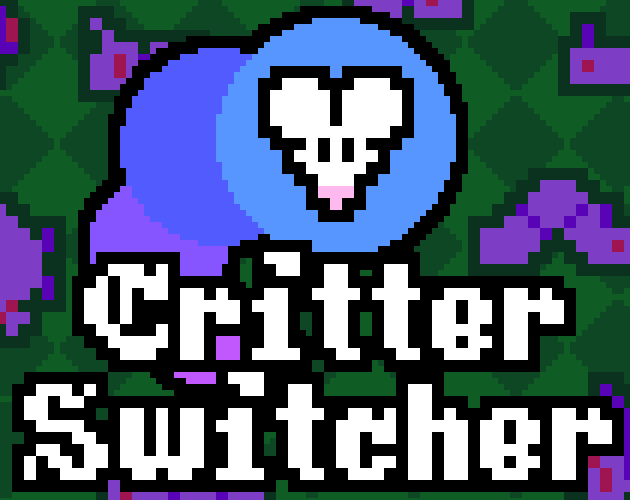
"Critter Switcher" delivers a compelling pixel-art roguelike experience, where players assume the role of a mouse navigating a sprawling garden to reunite with its "posse." The game’s roguelike mechanics ensure a fresh experience with each playthrough, featuring randomized layouts and encounters. The "tiny creature" perspective is beautifully rendered through the pixel art, making common garden elements like blades of grass or fallen leaves feel like significant environmental features. The core gameplay involves strategic movement and interaction within this micro-world, building towards the goal of gathering allies. It highlights the potential for familiar genres to feel fresh when filtered through a specific thematic lens.
7. Candyween
Developer: megurte
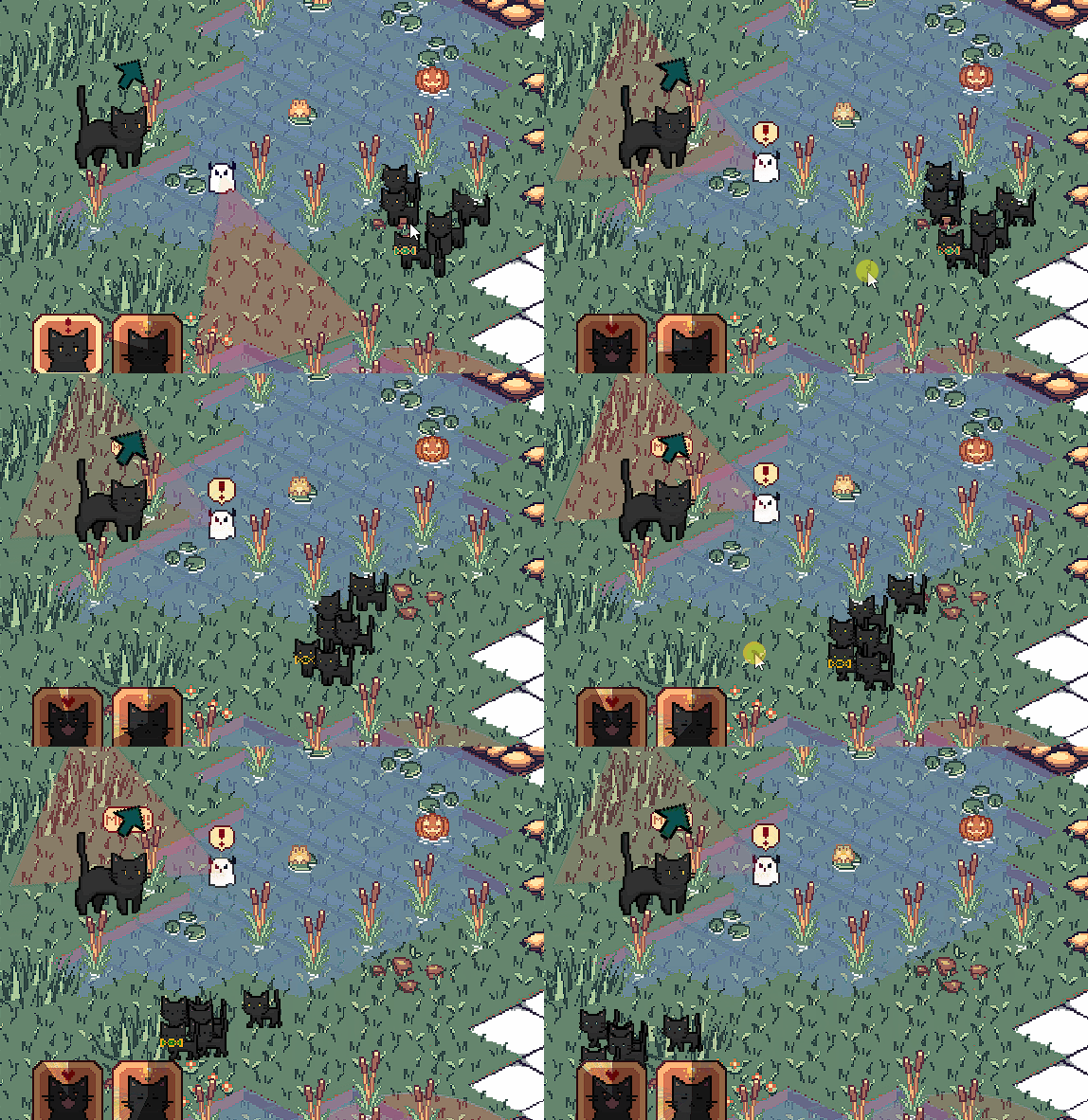
Embracing a festive Halloween aesthetic, "Candyween" is an isometric pixel-art puzzle-platformer where players control a helpful cat assisting a witch in recovering her scattered candies. The "tiny creature" here is the feline protagonist, whose agility and perspective are crucial for navigating a world filled with spooky obstacles. Levels are intricately designed, requiring players to cleverly maneuver around spectral ghosts and vigilant dogs, using environmental elements to their advantage. The Halloween theme adds a delightful layer of atmosphere and visual flair, demonstrating how thematic elements can enrich core gameplay. The isometric view provides a unique visual and navigational challenge, making each puzzle feel distinct.
8. Tiny Apple
Developer: docgeraud
"Tiny Apple" offers a minimalist yet engaging idle simulation experience. With simple one-button gameplay, players are tasked with generating "love" within a quaint, diminutive city. While the connection to "tiny creatures" might initially seem abstract, the game evokes a sense of overseeing a miniature ecosystem where small actions contribute to a larger, positive outcome. The "tiny apple" itself could be interpreted as a source of this affection, a focal point for the city’s inhabitants, or a metaphor for the small acts that build community. It exemplifies how the theme can be interpreted in a more abstract, systemic manner, focusing on the collective impact of small entities. This browser-playable title provides a relaxing, contemplative experience.
9. Combo Critters
Developer: punkcake
"Combo Critters" presents a strategic card-battling game where players assemble teams of diverse, tiny creatures, each possessing unique abilities. The game’s depth lies in its emphasis on creating powerful combinations between critter abilities to outmaneuver and defeat opponents. Players must carefully consider synergy and strategy when building their decks and deploying their creatures in battle. The "tiny creatures" are the heart of the gameplay, with their individual quirks and powers contributing to a larger strategic whole. This title is available as a free download for Windows, offering a robust and engaging experience for fans of tactical card games.
10. Would You Still Love Me?
Developer: rachelftech
Perhaps the most poignant and conceptually unique entry among the recommendations, "Would You Still Love Me?" is a narrative adventure that delves into a deeply personal question: what happens if your beloved partner suddenly transforms into a tiny creature? The game explores themes of unconditional love, change, and perception, forcing players to confront the implications of such a drastic transformation. The "tiny creature" here is not just a gameplay mechanic but the central dramatic catalyst, challenging the player’s emotional responses and fostering introspection. This browser-based experience showcases the power of game jams to produce emotionally resonant, thought-provoking narratives within limited development windows.
The Broader Implications: From Jam to Industry Impact
The curated selection from Ludum Dare 56 serves as a microcosm of the larger impact of game jams on the industry. These events are not just about creating games; they are about fostering communities, incubating new talent, and pushing the boundaries of interactive design. itch.io’s role in showcasing these creations is paramount, providing a platform where these nascent ideas can be discovered, appreciated, and potentially expanded upon.
Many of these "tiny" games, born from intense creative sprints, hold the potential to evolve into full-fledged commercial releases, much like their Ludum Dare predecessors. The feedback and exposure gained on itch.io are invaluable in this process, allowing developers to gauge player interest, identify areas for improvement, and build a foundational audience. Beyond commercial viability, these games contribute to the collective knowledge base of game development, demonstrating innovative solutions to design challenges and inspiring future creators. The Ludum Dare community, supported by platforms like itch.io, continues to be a vibrant engine for innovation, ensuring a steady stream of fresh ideas and diverse voices in the ever-evolving landscape of video games.
The success of Ludum Dare 56, particularly with the "Tiny Creatures" theme, underscores the enduring power of creative constraints to spark extraordinary ingenuity. Developers interpreted the theme with remarkable breadth, from literal insect adventures to metaphorical explorations of scale and emotion. We encourage enthusiasts and aspiring developers alike to delve deeper into the full catalog of submissions by exploring the Ludum Dare 56 tag on itch.io, discovering countless other innovative titles that emerged from this celebrated event.
About the Author