Max Payne 2: The Fall of Max Payne, released by Remedy Entertainment in 2003, represents a significant departure from its predecessor, transforming a high-octane revenge narrative into a deeply introspective, character-driven neo-noir experience. While many sequels adhere to the "if it ain’t broke, don’t fix it" mantra, often designed to mitigate financial risk and manage fan expectations by replicating a successful formula, Remedy Entertainment chose a path of creative audacity. This decision saw the franchise evolve from a gritty, popcorn action flick into a quieter, more profound meditation on love, loss, and the cyclical nature of violence, wrapped in the stylish aesthetics of its genre. The game not only maintained its signature stylish action sequences but elevated its narrative ambition, with its poetic dialogue becoming a defining hallmark that transcended the typical revenge plot to embed a poignant love story within a dark, intricate conspiracy.
The Blueprint of a Sequel: Risk-Taking in Game Development
The original Max Payne (2001) was a groundbreaking title, lauded for its innovative "Bullet Time" mechanic, dark graphic novel aesthetic, and compelling revenge narrative. Its strong debut set a high bar, establishing Remedy as a studio capable of delivering unique, action-packed experiences. The commercial and critical success of the first game, including numerous Game of the Year awards, naturally fostered expectations for a direct continuation. However, rather than merely refining the gameplay mechanics and offering more of the same, Remedy opted for a bold thematic and narrative expansion. This strategic risk underlined the studio’s commitment to storytelling, positioning Max Payne 2 not just as an action game, but as an interactive cinematic experience with a profound emotional core. This decision was pivotal in distinguishing Remedy as a developer that prioritizes artistic vision alongside technical innovation.
A Deeper Dive into the Noir Heart: Story and Themes
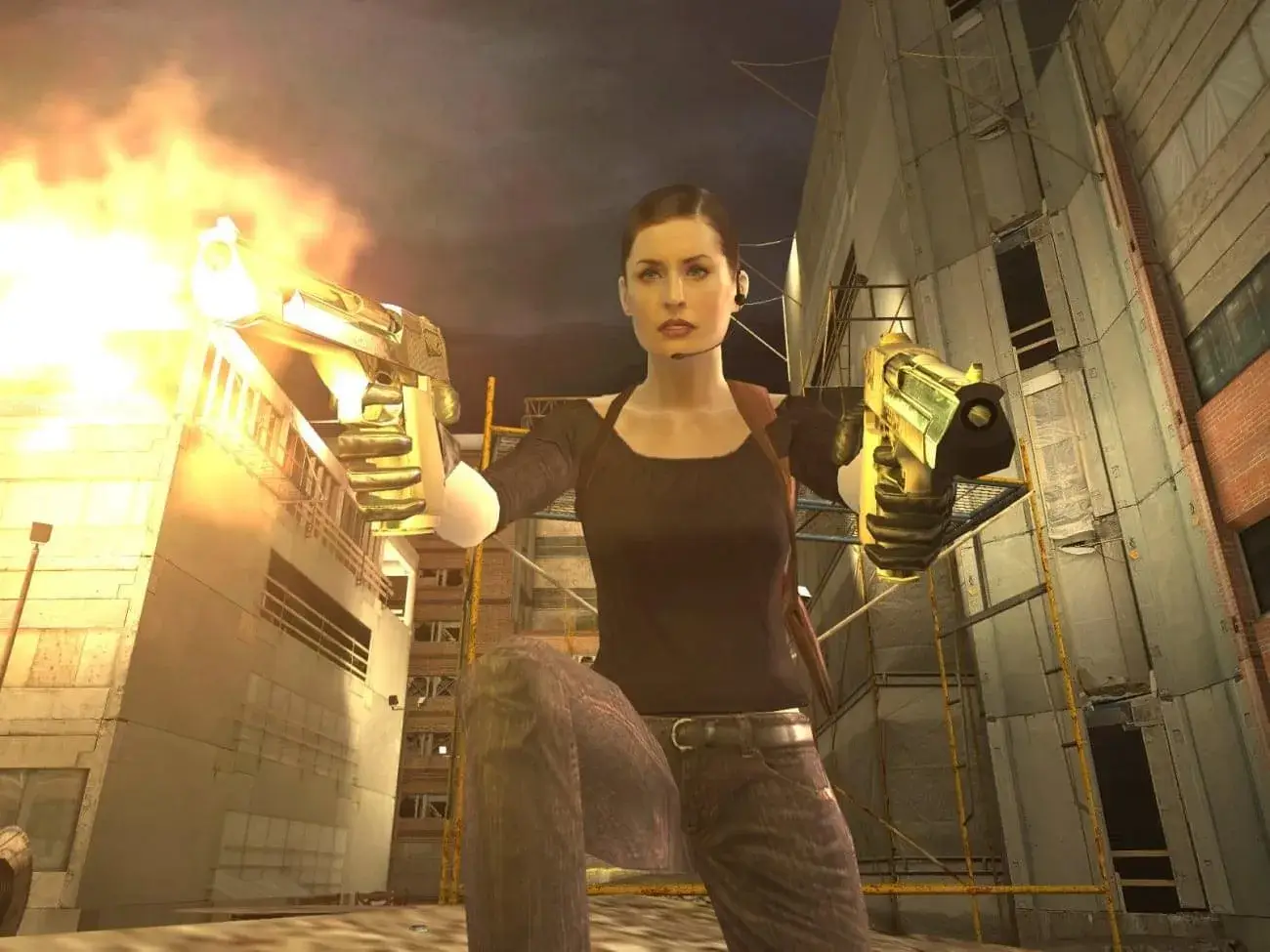
Max Payne 2 meticulously crafts a narrative around its protagonist, Max Payne, a man perpetually haunted by his tragic past. Now reinstated as a New York City detective, Max’s life takes another tumultuous turn when he encounters Mona Sax, an enigmatic assassin believed to be dead, during a seemingly routine investigation. This reunion ignites a complex web of events, drawing Max into a spiraling conspiracy involving the Russian mob, a shadowy organization known as the Inner Circle, and a host of morally ambiguous characters.
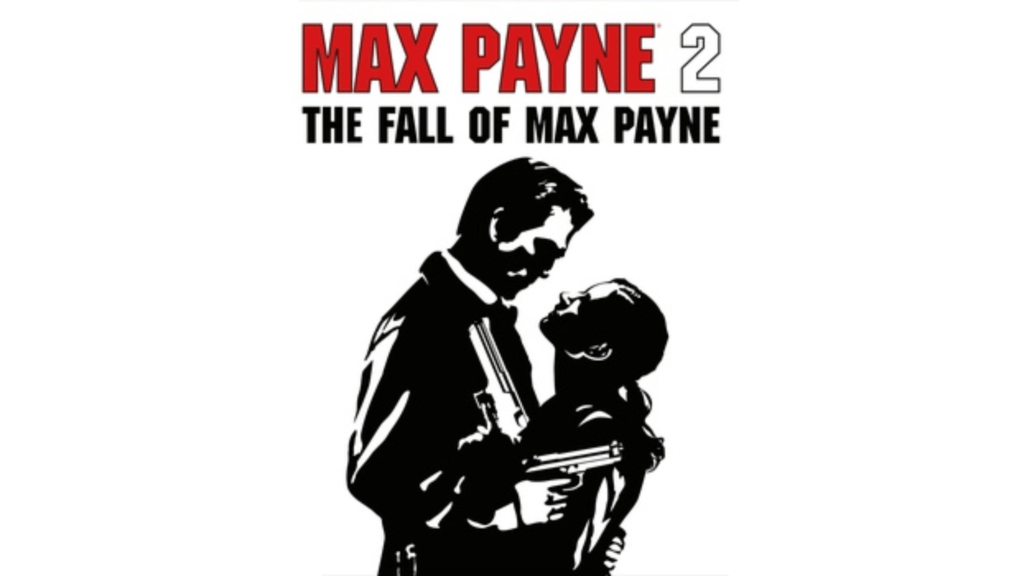
The game paints a vivid picture of a man forced to endure despite overwhelming personal loss, exploring themes of fatalism, obsession, and the elusive nature of redemption. What truly sets Max Payne 2 apart is its central romantic relationship. The intricate bond between Max and Mona becomes the emotional fulcrum, adding a profound layer of vulnerability and yearning to the pervasive violence and existential dread. This love story, told through fragmented memories, poignant internal monologues, and perilous encounters, transforms the game from a standard crime thriller into a tragic romance, echoing classic noir films where doomed protagonists find solace, however fleeting, in dangerous liaisons. The narrative brilliantly oscillates between moments of intense action and quiet introspection, allowing players to delve into Max’s psyche and the complex motivations of those around him.
Gameplay Refinements and Cinematic Innovation
Beyond its narrative prowess, Max Payne 2 also pushed the boundaries of action gameplay and cinematic presentation upon its release in October 2003. The iconic "Bullet Time" mechanic, allowing players to slow down time during gunfights, was refined, offering smoother transitions and more dynamic combat scenarios. The introduction of Ragdoll physics significantly enhanced the realism of enemy reactions to gunfire, adding a visceral feedback loop to the stylish shootouts. Graphically, the game was a leap forward for its time, featuring detailed character models, realistic environments, and impressive lighting effects that accentuated the game’s dark, gritty atmosphere.
The level design, while linear, often provided multiple tactical approaches to encounters, encouraging players to utilize the environment and Max’s abilities creatively. These technical advancements were not mere window dressing; they served to amplify the narrative, making the player feel more immersed in Max’s desperate struggle. The seamless integration of gameplay and story, with in-engine cutscenes and Max’s pervasive internal monologue, created a truly cinematic experience that set a new benchmark for action games.
Critical Reception and Enduring Legacy
Upon its release, Max Payne 2: The Fall of Max Payne garnered widespread critical acclaim. It achieved a generally favorable Metacritic score of 86/100, reflecting praise for its narrative depth, atmospheric presentation, and refined gameplay. Critics particularly highlighted the game’s mature storytelling, compelling characters, and the unique blend of action and noir romance. Despite its critical success, the game reportedly did not meet Take-Two Interactive’s sales expectations, a point of contention often discussed in gaming retrospectives. However, its artistic impact was undeniable, securing its place as a cult classic and a significant title in gaming history.
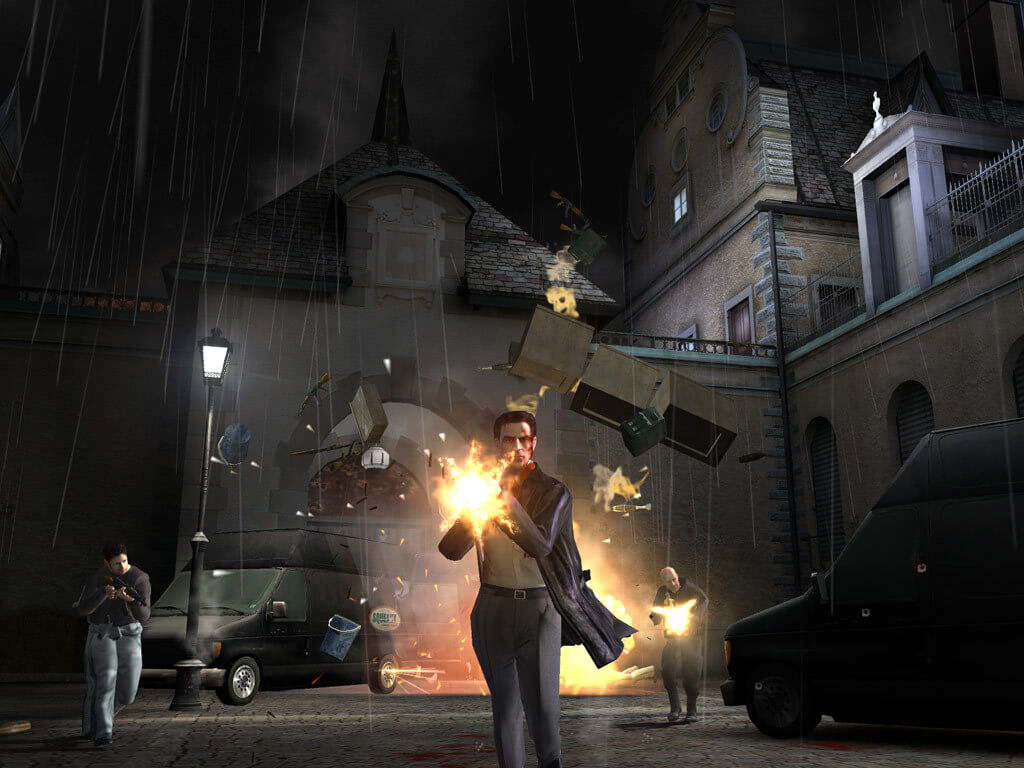
Even two decades later, Max Payne 2 continues to resonate deeply within the gaming community. Discussions on platforms like Reddit, particularly among "patient gamers" who discover titles years after release, consistently praise its character-driven narrative and sophisticated themes. Fans frequently laud its ability to evoke genuine emotion and its lasting replayability, citing the memorable dialogue and intricate plot as primary reasons for its enduring appeal. This sustained adoration underscores the game’s timeless quality and its success in crafting an experience that transcends transient graphical trends or gameplay fads.
The Art of Dialogue: Poetic Prose in a Gritty World
One of the most defining characteristics of Max Payne 2 is its exceptionally well-crafted dialogue. The game’s writing, credited largely to Sam Lake, is steeped in the traditions of hardboiled detective fiction and classical noir cinema, yet infused with a unique poetic melancholy. Max Payne’s internal monologues, delivered with a weary gravitas, are a constant presence, offering cynical observations, philosophical musings, and a raw, unfiltered glimpse into his tormented soul. These lines are not merely exposition; they are a character in themselves, shaping the game’s oppressive atmosphere and deepening the player’s connection to Max’s plight.
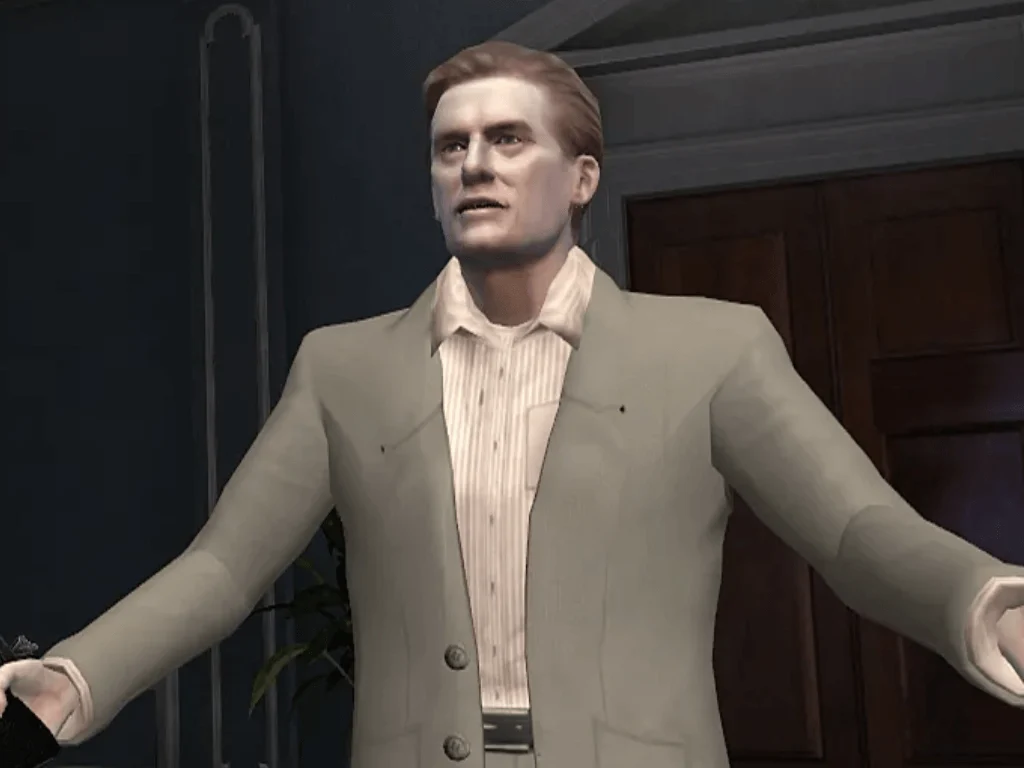
For instance, Max’s lines frequently evoke cynicism and a grim acceptance of fate, often reflecting on the futility of his struggles. His weariness is palpable in phrases that speak of endless nights and battles fought not for victory, but for survival. Mona Sax’s dialogue is equally impactful, reflecting her mysterious past and complicated nature. She is guarded, independent, and sharp-witted, her words often laced with a fatalistic charm that mirrors Max’s own despair while hinting at a deeper vulnerability. Even supporting characters like Vladimir Lem, the charismatic yet treacherous Russian mobster, contribute to this rich tapestry. Vladimir’s smooth, often philosophical pronouncements disguise his sinister intentions, adding layers of deception and irony to the narrative. These exchanges elevate Max Payne 2 beyond a simple action game, transforming it into a romantic crime novel brought to vivid life, where every word carries weight and contributes to the overarching tragic narrative.
Character Arcs and Emotional Depth
The character arcs in Max Payne 2 are meticulously developed, particularly for Max and Mona. Max begins the game still reeling from the events of the first, a man broken by loss and haunted by memories. His journey in The Fall of Max Payne is less about seeking external revenge and more about an internal struggle for peace, or at least a semblance of normalcy. His unexpected connection with Mona becomes both a perilous distraction and a desperate hope for redemption. Mona, initially presented as a classic femme fatale, evolves into a complex figure whose actions are driven by her own survival instincts and a burgeoning, albeit dangerous, affection for Max. Their relationship, fraught with betrayal and fleeting moments of intimacy, explores the idea that human connection can offer an unexpected sanctuary amidst chaos, even if that sanctuary is ultimately fragile and impermanent. The game masterfully portrays the push and pull of their bond, illustrating how two damaged souls might seek solace in each other, despite the overwhelming odds stacked against them.
Development Context and Release Timeline (2003)
Max Payne 2 was developed by Remedy Entertainment and published by Rockstar Games (a subsidiary of Take-Two Interactive). The game was released on October 14, 2003, for Microsoft Windows, followed shortly by PlayStation 2 and Xbox versions. The development cycle for Max Payne 2 was relatively short, approximately two years, following the immense success of the first game. This rapid turnaround demonstrated Remedy’s efficiency and creative drive. In 2003, the gaming industry was undergoing a significant transition, with the PlayStation 2 and Xbox consoles dominating the market, pushing for more cinematic and graphically intensive experiences. Max Payne 2 stood out by leveraging the technological advancements of the era, such as enhanced graphics engines and sophisticated physics, to serve its ambitious narrative rather than merely showcasing technical prowess. Remedy’s commitment to narrative excellence amidst a rapidly evolving technical landscape solidified their reputation as innovators.
Industry Impact and Influence
Max Payne 2 left an indelible mark on the gaming industry, particularly in its approach to narrative design and cinematic presentation. It demonstrated that action games could possess profound emotional depth and literary quality, influencing subsequent narrative-driven titles. Its success in blending bullet-time action with a complex, character-driven story set a precedent for future Remedy titles like Alan Wake and Control, which similarly prioritize rich storytelling and distinct atmospheric aesthetics. The game’s innovative use of an unreliable narrator and its film noir sensibilities helped solidify the concept of "cinematic gameplay" as a desirable standard, encouraging other developers to integrate story and gameplay more seamlessly. Furthermore, the game’s enduring critical and fan appreciation highlighted the importance of strong writing and character development in creating truly memorable and lasting video game experiences, proving that a compelling narrative can transcend technological limitations and remain relevant for decades.
In conclusion, Max Payne 2: The Fall of Max Payne stands as a testament to creative courage and narrative ambition. Remedy Entertainment’s decision to evolve the franchise beyond a simple action sequel resulted in a game that masterfully intertwines stylish combat with a deeply moving love story, all framed within the grim aesthetics of neo-noir. Its poetic dialogue, complex character arcs, and atmospheric storytelling continue to be lauded by critics and fans alike, cementing its status not just as a landmark in action gaming, but as a profound piece of interactive art that explores the depths of human despair, connection, and the elusive hope for redemption. The game’s lasting impact underscores its unique position as a narrative-first action title, where every gunfight serves the story, and every line of dialogue resonates with the weight of Max Payne’s tragic world.
About the Author