The global mobile gaming landscape is currently undergoing a significant transformation, characterized by aggressive consolidation, the integration of artificial intelligence, and a strategic pivot toward cross-platform ecosystem development. This evolution is reflected in the latest wave of high-level executive appointments and talent migrations across the industry’s most influential players, including Atari, Supercell, Zynga, and Scopely. As companies seek to stabilize their market positions in a post-IDFA (Identifier for Advertisers) environment, the movement of seasoned veterans from successful startups to established conglomerates highlights a broader trend of institutionalizing innovation.
Atari’s Mobile Transformation: The Matt Hall Appointment
In a move that signals a definitive shift in its long-term operational strategy, Atari has appointed Matt Hall, the visionary co-founder of Hipster Whale and creator of the seminal mobile hit Crossy Road, as the Executive Vice President of Atari Mobile. This newly established role reports directly to Atari’s Chairman and CEO, Wade Rosen, and represents a cornerstone of the company’s "retro-modern" revitalization plan.
The appointment follows Atari’s recent acquisition of Hipster Whale, a move intended to bolster Atari’s internal development capabilities. Hall’s mandate is expansive: he is tasked with overseeing Atari’s entire mobile business, which includes the significant challenge of translating Atari’s extensive library of PC and console intellectual properties (IP) into the mobile format. Conversely, Hall will lead efforts to migrate successful mobile-first titles to web, PC, and console platforms.

Industry analysts view this as a strategic attempt to leverage Hall’s expertise in "approachable" game design—a hallmark of Crossy Road—to modernize legacy brands like Asteroids, Centipede, and Pong. By integrating mobile-centric monetization and engagement mechanics into its classic portfolio, Atari aims to capture a younger demographic while maintaining its appeal to nostalgic audiences.
Supercell and the Metacore Integration: A New Era of Synergy
Following the completion of its acquisition of Metacore, the developer behind the breakout hit Merge Mansion, Supercell has initiated a comprehensive integration of talent. Mika Tammenkoski, the former CEO of Metacore, has transitioned into a Senior Advisor role at Supercell. This move is designed to ensure cultural and operational continuity as the two entities align their growth strategies.
The talent migration from Metacore to Supercell extends deep into the technical and creative ranks. Daniel Pietschke has joined Supercell as an AI Engineer, a role that underscores the company’s increasing reliance on machine learning for game balancing and personalized player experiences. Additionally, the technical team has been bolstered by client programmers Mikael Björke and Idaliina Laine, along with QA specialist Mimosa Kovero.
Creative production is also seeing a surge in Metacore influence. Livia Antal and Henrik Sarimo have joined the Hay Day team as Creative Producers. Hay Day, one of Supercell’s longest-running and most profitable titles, stands to benefit from the "merge-mechanic" expertise and live-ops strategies that defined Metacore’s success. Furthermore, Supercell has tapped Topias Kokkinen, formerly of Bain & Company, to serve as the Lead for Live Ops and Monetization, indicating a data-driven approach to long-term player retention.

Consolidation and Growth in Ad-Tech and Publishing
The competitive dynamics of the mobile sector are increasingly dictated by the efficiency of user acquisition and the sophistication of ad-tech stacks. This is evidenced by the launch of AdSurge, a new advertising network born from the combined expertise of Miniclip and the technological infrastructure of Tencent. Vincent Bernardin has been appointed as the Head of EMEA for AdSurge, signaling a concentrated push into European, Middle Eastern, and African markets.
In the publishing sphere, Voodoo and Rollic—two titans of the hyper-casual and hybrid-casual genres—continue to exchange talent. Elif Ece Küskü has joined Voodoo as a Publishing Manager after a successful tenure at Rollic. Meanwhile, Rollic has expanded its product management and artistic teams with the appointments of Ömer Vanlıoğlu, Alperen Uzun, and Alp Akkaya. These moves suggest that despite the cooling of the hyper-casual market, the demand for specialists who can optimize short-cycle game production remains high.
Strategic Shifts at Zynga and Scopely
Zynga, now operating under the Take-Two Interactive umbrella, continues to focus on the development of "New Games" to fuel its next growth phase. Paul Chambers, the co-founder of Modma Games, has joined Zynga Trinity as Senior Design Director. His expertise in building studios from the ground up is expected to be a catalyst for Zynga’s emerging project pipeline. Additionally, Matt Branick has joined the business operations team, bringing experience from Warner Bros. Games to help streamline Zynga’s large-scale project management.
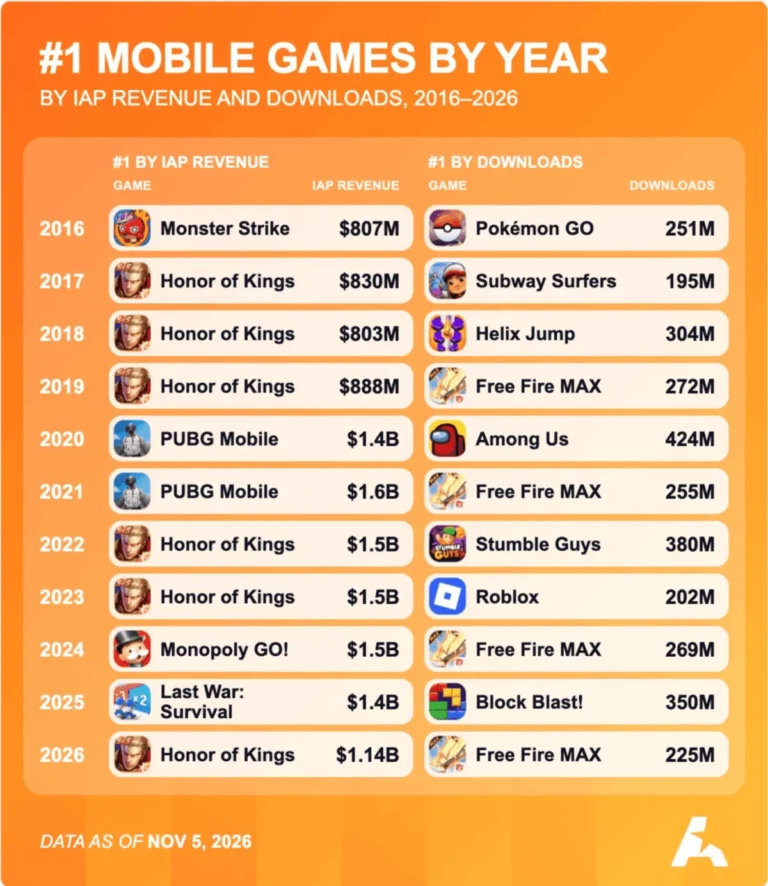
At Scopely, which is currently enjoying massive success with Monopoly GO!, internal promotions and strategic external hires are being used to sustain momentum. Julie Kim has been elevated to Lead Producer, while Shay Nevo, a five-year veteran of Playtika, has joined as the VIP Account Management Team Leader. Nevo’s background in high-value player retention is particularly relevant as Scopely seeks to maximize the lifetime value (LTV) of its record-breaking user base.

The Rise of AI and Direct-to-Consumer Platforms
The technical backbone of the industry is shifting toward AI-driven data science and alternative payment systems. Tripledot Studios has promoted James Timmins to Lead Data Scientist within its Group AI team, reflecting a broader industry trend where AI is no longer a peripheral experiment but a core component of game design and marketing.
Parallel to this, the push for Direct-to-Consumer (D2C) web stores is accelerating as publishers seek to bypass the 30% commission fees charged by major app stores. Appcharge, a leader in the merchant-of-record space, has hired Ronen Morecki as Chief Operating Officer. Morecki, a co-founder of ZooZ and former CTO of PayU, brings a wealth of experience in global payment scaling. His appointment is a clear indicator that mobile publishers are prioritizing the development of independent financial ecosystems.
Expanding the Global Footprint: EMEA and North America
The business development landscape is also seeing a flurry of activity as companies seek to expand their geographic reach. Mistplay has appointed Thomas Ghiazza as Director of Business Development for EMEA. Ghiazza will lead the growth of LoyaltyPlay, a product focused on player loyalty and long-term engagement—a critical metric in the current high-CPI (Cost Per Install) environment.
Xsolla, a global video game commerce company, has secured Laurent Munier as VP of EMEA Partnerships. Munier joins from Ubisoft, bringing a deep understanding of how AAA publishers interact with payment and distribution platforms. On the North American front, Bidease has appointed Dock Kim as VP of Business Development. Kim, who spent seven years at Moloco, will oversee go-to-market strategies across North America, LATAM, and EMEA, focusing on programmatic advertising and supply partnerships.

Context and Industry Implications
The volume and seniority of these moves suggest a mobile gaming industry that is maturing and professionalizing. The era of "growth at any cost" has been replaced by a focus on sustainable monetization, high-fidelity production, and cross-platform synergy.
The "Super-Studio" Model: The integration of Metacore into Supercell suggests that even the most successful mobile developers are moving away from the "small team" ethos toward a more centralized, resource-rich "super-studio" model. This allows for better sharing of AI tools and live-ops data.
The Cross-Platform Mandate: Atari’s strategy with Matt Hall highlights a growing consensus: mobile is no longer a siloed market. Successful IPs must be able to live across mobile, PC, and console to mitigate the risks associated with platform-specific policy changes (such as Apple’s App Tracking Transparency).
The Talent War in Turkey: The frequent moves between Voodoo, Rollic, and Loom Games emphasize Turkey’s status as a global hub for mobile gaming talent. As these companies pivot toward hybrid-casual games, the competition for product managers and publishing experts in this region is expected to intensify.

Alternative Revenue Streams: The hires at Appcharge and Xsolla point toward a future where the "app store" is only one of many ways players interact with and pay for their favorite games. The development of sophisticated D2C platforms is likely to be a major theme throughout the next fiscal year.
In conclusion, the current reshuffling of leadership and technical talent across the mobile games business is more than just a routine jobs digest; it is a roadmap of where the industry is headed. From the integration of AI in every facet of development to the strategic focus on cross-platform IP and independent payment ecosystems, these moves reflect a sector that is aggressively adapting to a complex and rapidly changing global market. As these new leaders settle into their roles, the fruits of their strategies will likely define the next generation of mobile gaming experiences.
About the Author