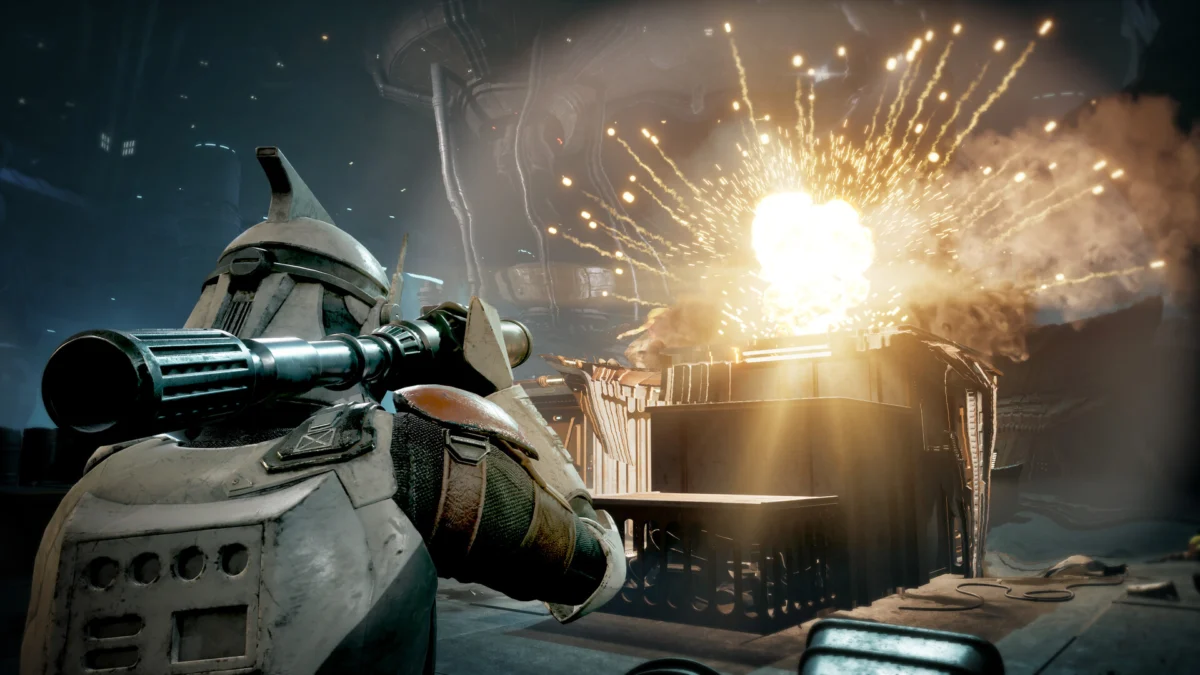
Bit Reactor, the development studio behind the recently launched Star Wars Zero Company, has reportedly initiated a new round of layoffs, impacting an unspecified number of employees. This development marks the third significant personnel adjustment for the studio in recent months, following a substantial furlough of staff prior to the game’s release in August 2026, and a partial rehiring of those furloughed workers in October. The latest cuts suggest ongoing instability within the company despite the title’s market availability and estimated initial sales performance.
A Tumultuous Timeline: Furloughs, Rehires, and Now Layoffs
The journey for Bit Reactor employees since the summer of 2026 has been characterized by a series of unsettling personnel decisions. Just months before the highly anticipated launch of Star Wars Zero Company, the studio implemented a widespread furlough program, impacting the majority of its staff. This move, executed in August, raised immediate concerns across the gaming industry regarding the financial health and operational stability of the studio, especially given its high-profile Star Wars project. Furloughs, distinct from layoffs, typically involve a temporary suspension of employment with the expectation of recall, often without pay, but sometimes retaining benefits. This initial decision was widely reported and critically examined, with many industry observers questioning the strategy of reducing staff so close to a major game release. Such measures are often indicative of budgetary constraints, shifts in project scope, or unexpected financial pressures.
Approximately two months later, in October, Bit Reactor offered a glimmer of hope by rehiring a portion of the previously furloughed workforce. This recall was seen by some as a positive sign, suggesting that the studio might have stabilized or that post-launch needs necessitated additional personnel. The rehires were primarily focused on bolstering post-launch support, including the development of patches and potential content updates for Zero Company. Indeed, the game subsequently received a 1.2 update, indicating continued development efforts. However, the exact number of individuals brought back was not publicly disclosed, leaving uncertainty about the overall staff complement compared to pre-furlough levels.
The current wave of layoffs, reported on November 9, 2026, appears to be the culmination of this protracted period of uncertainty. While Bit Reactor has yet to issue an official statement, reports from the Star Wars news site Bespin Bulletin, citing public LinkedIn posts from affected developers, indicate that these recent layoffs may specifically target individuals whose three-month furlough period had concluded. This suggests that some employees, initially furloughed with the possibility of recall, were ultimately not brought back or had their temporary status terminated. Bespin Bulletin clarified that there is currently no evidence to suggest that employees rehired in October are among those being let go in this latest round, implying a targeted reduction among the remaining furloughed cohort or other specific departments. This sequence of events—furlough, partial rehiring, then layoffs—paints a picture of a studio grappling with significant operational and financial restructuring in the immediate aftermath of its flagship title’s launch.
Bit Reactor’s Genesis and the Promise of Star Wars Zero Company
Bit Reactor was founded in 2022 by industry veteran Greg Foertsch, renowned for his role as art director at Firaxis Games, a studio celebrated for its critically acclaimed XCOM series. Foertsch brought with him a wealth of experience in turn-based tactical strategy games, a genre that XCOM revitalized and perfected. The studio quickly attracted talent from Firaxis, specifically leveraging expertise from the XCOM development teams. This lineage immediately set high expectations for Star Wars Zero Company, which was widely anticipated to be a tactical strategy game within the beloved Star Wars universe. The prospect of an XCOM-style experience infused with Star Wars lore generated considerable excitement among fans and critics alike, positioning Zero Company as a potential standout title in a crowded market.
The game itself, Star Wars Zero Company, was envisioned as a deep tactical experience, promising to immerse players in strategic combat scenarios characteristic of the XCOM franchise but set against the backdrop of the Galactic Civil War or a similar conflict. Early previews and developer insights hinted at complex squad management, strategic map objectives, and narrative choices that would resonate with the Star Wars fan base. The combination of Bit Reactor’s pedigree and the iconic IP led many to believe that Zero Company would not only be a commercial success but also a critical darling, offering a fresh perspective on Star Wars gaming beyond traditional action-adventure or role-playing genres.
Sales Performance Amidst Publisher Secrecy
While public sales data for Star Wars Zero Company remains elusive, primarily due to its publisher Electronic Arts having recently transitioned to private ownership, industry analysis firms have begun to offer estimates. Alinea Analytics, a respected firm specializing in market intelligence, estimated in late September that Zero Company had sold approximately one million copies since its launch. This figure, while not officially confirmed, would place the game in a respectable position, especially for a new intellectual property or a strategy title, which often have a more niche audience compared to blockbuster action games. Alinea Analytics further specified that nearly 70% of these estimated sales were attributed to the PC platform, particularly through Valve’s Steam storefront, highlighting the PC as the primary market for the game’s initial release.
A million units sold in its initial weeks or month would generally be considered a solid performance for many studios, particularly for a title in the strategy genre. For context, many successful strategy games typically achieve sales in the low to mid-single-digit millions over their lifetime. However, the economics of game development, especially for a licensed AAA title like Star Wars Zero Company, involve substantial investment in licensing fees, development costs, marketing, and distribution. Without precise figures on these expenditures, it is challenging to definitively assess whether one million units sold represents a profitable venture or falls short of the financial targets set by Electronic Arts and Bit Reactor. The absence of transparency surrounding sales, a direct consequence of EA’s privatization by entities like Silver Lake and the Saudi Arabia Public Investment Fund (PIF), makes it difficult for the public and even industry analysts to fully grasp the commercial viability of titles under the publisher’s umbrella. This shift to private ownership has undeniably reduced the availability of key financial metrics that were once standard disclosures for publicly traded companies, further shrouding the context of these personnel decisions.
Broader Industry Context: A Landscape of Layoffs
The situation at Bit Reactor is not an isolated incident but rather reflective of a broader, troubling trend within the video game industry in the mid-2020s. The period leading up to and including 2026 has been marked by a significant number of layoffs across studios of all sizes, from indie developers to major publishers. Factors contributing to this volatile environment include:
- Post-Pandemic Market Correction: The unprecedented growth experienced during the COVID-19 pandemic, fueled by increased engagement and investment, has begun to normalize, leading to a market correction. Many companies that expanded rapidly are now rightsizing their operations.
- Rising Development Costs: The cost of developing AAA games continues to escalate, with budgets often soaring into hundreds of millions of dollars. This increases the financial risk associated with each title and puts immense pressure on sales performance.
- Economic Headwinds: Global economic uncertainties, including inflation and potential recessionary pressures, have led to tighter consumer spending on entertainment, impacting game sales.
- Consolidation and Restructuring: A wave of mergers, acquisitions, and internal reorganizations within major gaming conglomerates has often resulted in redundancies and subsequent layoffs.
- Shifting Business Models: The move towards live-service games, subscription models, and free-to-play titles with in-game purchases has altered revenue streams and operational requirements, sometimes leading to reallocations of staff or reductions in traditional development roles.
In 2025 alone, industry analysts estimated over 15,000 job cuts globally, a figure that continued to climb into 2026. Major publishers and celebrated studios, including those with long-standing reputations, have not been immune to these pressures. The human cost of these layoffs is substantial, impacting thousands of skilled professionals and creating an increasingly competitive job market within the industry. For individuals at Bit Reactor, who have now faced successive waves of uncertainty, the emotional and professional toll is undoubtedly significant. The use of social media platforms like LinkedIn has become a primary channel for developers to share news of job losses, creating an unofficial but crucial real-time tracker of industry instability.
Implications for Star Wars Zero Company and Bit Reactor’s Future
The current layoffs at Bit Reactor raise critical questions about the long-term support for Star Wars Zero Company and the very future of the studio itself. While a 1.2 update has been released, indicating ongoing post-launch commitment, a reduction in staff inevitably impacts the capacity for future content development, bug fixes, and community engagement. Strategy games, in particular, often thrive on sustained post-launch support through expansions, new factions, or ongoing balance adjustments. A diminished team could hinder Zero Company‘s ability to maintain player interest and expand its player base in the competitive live-service landscape.
For Bit Reactor, these repeated personnel cuts suggest that the studio may be struggling to find a stable financial footing or to align its operational costs with its current revenue streams and projected future projects. The studio’s reliance on a single major title, Star Wars Zero Company, makes it particularly vulnerable to any perceived underperformance or shifts in publisher strategy. While Bit Reactor’s founding talent and the initial reception of Zero Company were promising, the repeated workforce reductions cast a shadow over its ability to retain top talent and secure future projects. In an industry where studio reputation and stability are crucial for attracting both developers and publishing deals, these events could pose a significant challenge.
The broader implications extend to the Star Wars gaming franchise. While Disney has actively expanded its gaming initiatives, partnering with various studios for diverse projects, the success and stability of each title contribute to the overall health of the IP in the interactive entertainment space. If Zero Company struggles to maintain momentum or if Bit Reactor faces further difficulties, it could influence future licensing decisions or the perceived viability of certain genres within the Star Wars universe.
The Silence of Official Channels and the Role of Social Media
As of the time of publication, Bit Reactor has not issued a public statement regarding the latest layoffs. GameDeveloper.com, along with other industry outlets, has reached out to the studio for comment but has not received a reply. This silence is not uncommon in such situations, as companies often prefer to manage internal communications before making public announcements, or they may choose not to comment on personnel matters at all. However, in the absence of official statements, the vacuum is increasingly filled by reports from affected individuals on social media platforms like LinkedIn. These posts, often heartfelt and candid, serve as an unofficial but powerful source of information, providing real-time insights into industry developments and the human impact of corporate decisions. While these personal accounts offer valuable transparency, they also highlight the growing disconnect between formal corporate communications and the realities experienced by employees.
The ongoing situation at Bit Reactor underscores the precarious nature of game development, even for studios working on highly anticipated titles within major franchises. The blend of creative ambition, substantial financial investment, and the ever-shifting dynamics of the global economy creates a challenging environment where even seemingly successful launches can be followed by significant organizational restructuring. The industry continues to grapple with finding a sustainable model that balances artistic innovation with economic realities, all while navigating a period of unprecedented change.
About the Author