In a significant series of platform enhancements, itch.io, the popular independent game marketplace, has rolled out several key updates designed to improve discoverability, streamline creator tools, and bolster monetization options for its vast community of developers and players. These updates, previously shared in the Developer Updates forum and now consolidated in a comprehensive changelog, introduce a sophisticated Sale Explorer for navigating extensive discounts, a complete overhaul of the long-standing bundle hosting system, a modernized jam theme editor, and a rebuilt Patreon integration. Each of these features addresses specific pain points and opportunities, reflecting itch.io’s ongoing commitment to fostering a creator-centric ecosystem.
Itch.io’s Evolving Ecosystem: A Commitment to Independence
Since its inception, itch.io has carved a unique niche in the digital distribution landscape by prioritizing independent creators and offering unparalleled flexibility in how they publish and sell their work. Unlike larger, more curated storefronts, itch.io operates on an open platform philosophy, allowing a diverse range of games, tools, assets, and other digital content to thrive. This approach has fostered a vibrant community, making it a haven for experimental projects, game jams, and direct creator-to-consumer engagement. The latest suite of updates underscores this foundational philosophy, focusing on empowering creators with more robust tools while simultaneously enhancing the user experience for discovering and engaging with independent content. These developments are particularly pertinent as the indie game market continues its rapid expansion, with platforms like itch.io playing a crucial role in bringing niche and avant-garde projects to light. The platform’s continuous improvement cycle, often communicated through these detailed changelogs, demonstrates a responsive development strategy, directly addressing community needs and evolving industry standards.
The New Sale Explorer: Navigating Digital Discount Aisles
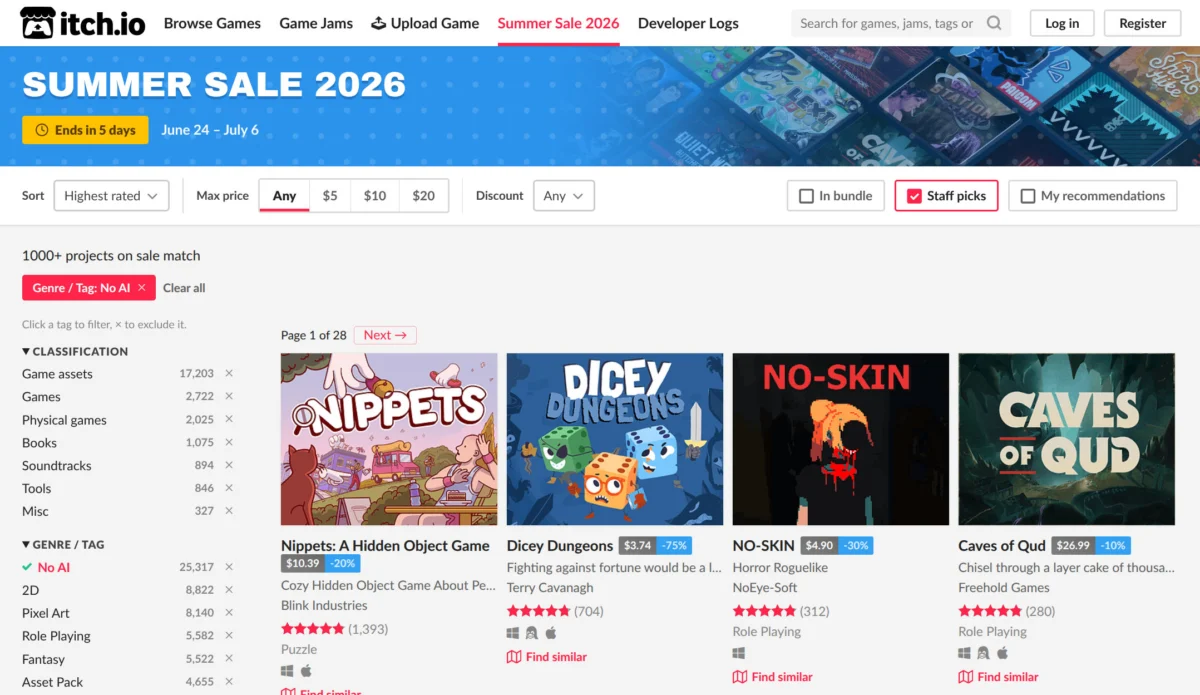
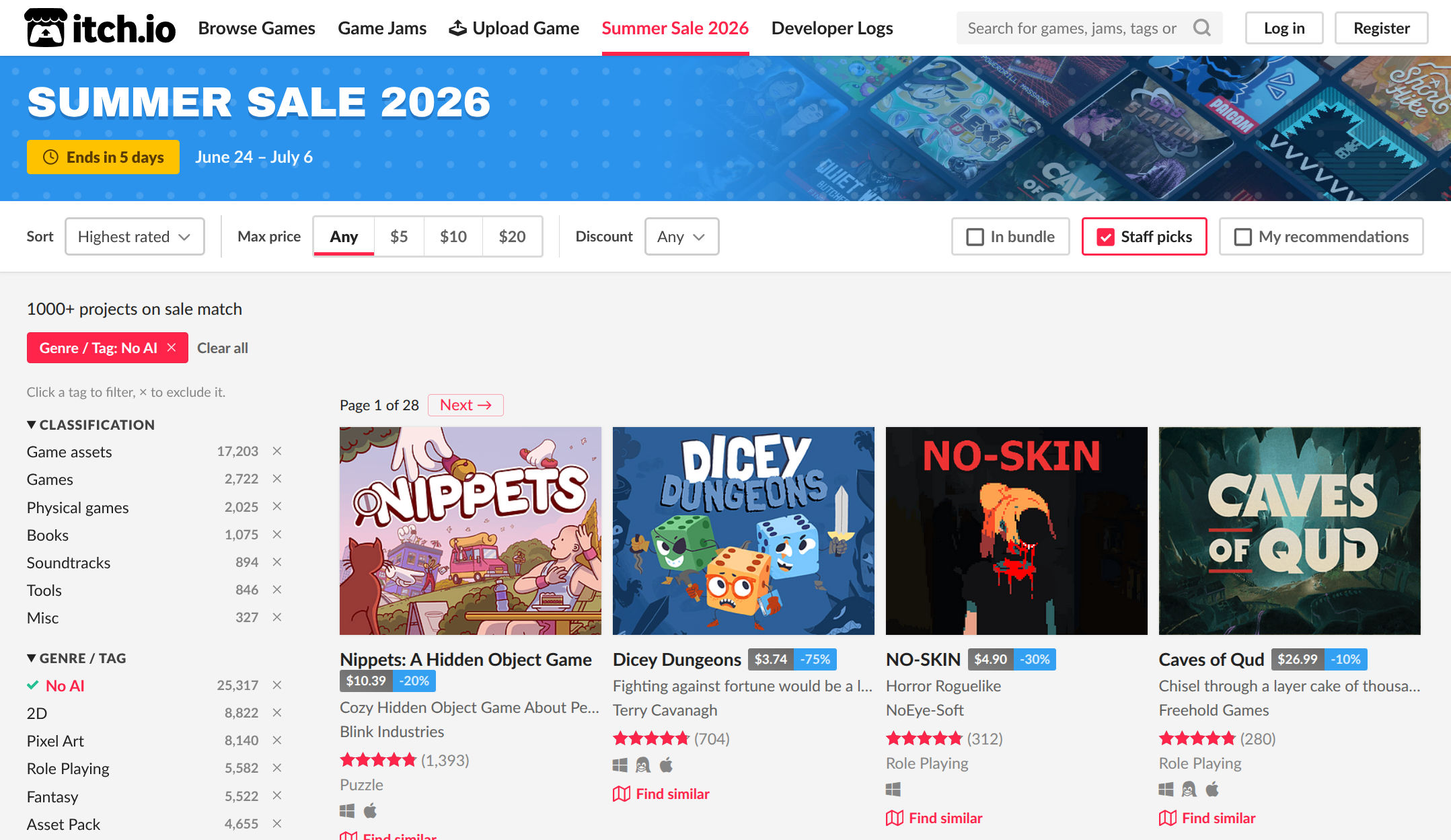
One of the most prominent new features is the Sale Explorer, a dedicated browsing experience launched in conjunction with the ongoing Summer Sale 2026, which features an astounding collection of over 30,000 discounted projects and runs through July 6th. Historically, navigating massive digital sales on any platform can be an overwhelming endeavor for users. With thousands of titles vying for attention, players often struggle to sift through the noise and pinpoint games that genuinely align with their interests. The Sale Explorer aims to resolve this challenge by providing advanced filtering, sorting, and recommendation functionalities.
This new browsing interface represents a significant leap forward in user-centric design. While the specifics of its filtering capabilities were not fully detailed in the original brief, the implication is a robust system allowing users to filter by genre, tags, price range, operating system compatibility, and potentially even more granular criteria like visual style or gameplay mechanics. The ability to "exclude genres" and receive "find similar" recommendations, as noted in early community feedback, transforms a daunting catalog into a manageable and personalized discovery journey. For developers, this means their discounted titles, regardless of how niche, have a higher chance of being discovered by genuinely interested players, moving beyond the traditional "front page" visibility lottery. The platform’s stated intention to integrate many of these enhancements into its standard browse pages in the future signals a broader strategic vision for improving discoverability across the entire site, not just during promotional events. This evolution could significantly impact how independent games, often without the marketing budgets of larger studios, reach their target audiences, fostering a healthier and more equitable marketplace.
Revitalizing Collaboration: The Bundle Hosting Overhaul
Itch.io’s bundle system, a cornerstone feature that has facilitated countless charity initiatives, game jam collections, and curated developer showcases for over a decade, has received a complete overhaul. This revamp is particularly aimed at simplifying the complexities involved in organizing large, collaborative bundles, which often involve dozens or even hundreds of contributors. The previous system, while functional, presented increasing challenges as bundles grew in scale and complexity, leading to administrative bottlenecks and potential frustration for organizers.
The "decade-old" nature of the prior system implies that it was built in a different era of web development, likely predating modern best practices for large-scale collaborative content management. This update addresses legacy technical debt, introducing a modernized backend and user interface for bundle creators. While specific new functionalities were not enumerated, the term "complete overhaul" for "large collaborative bundles" strongly suggests improvements in areas such as:
- Contributor Management: Streamlined invitation processes, clearer status tracking for participant responses, and automated reminders.
- Project Submission & Approval: A more intuitive workflow for developers to submit their projects to a bundle, with enhanced tools for organizers to review and approve submissions efficiently.
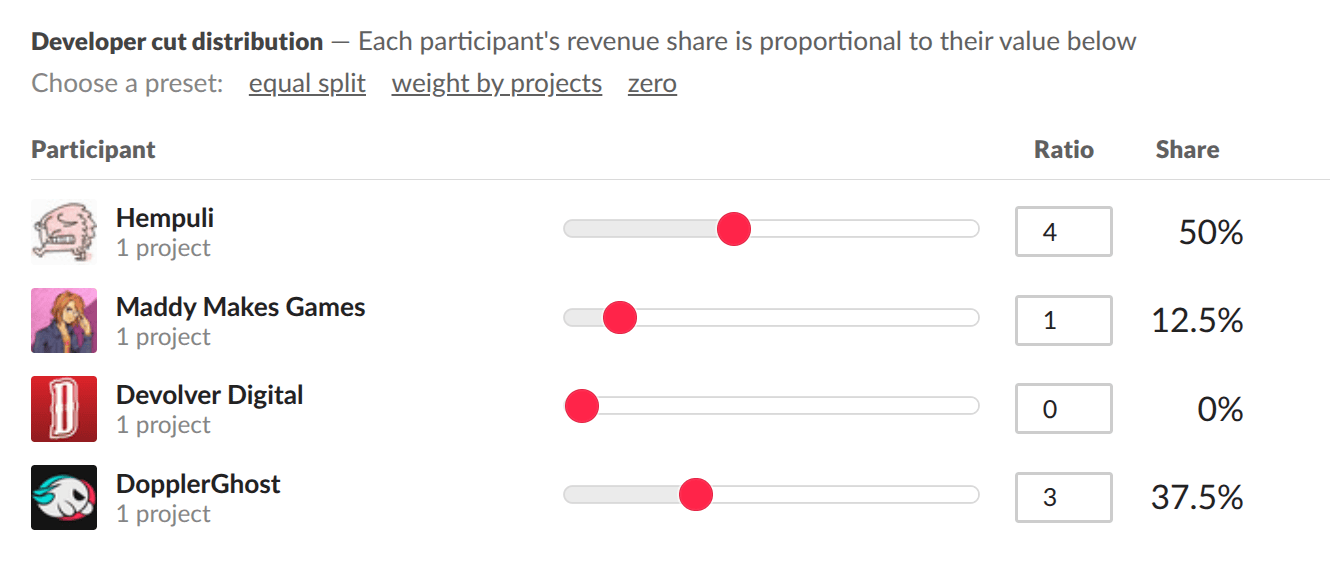
- Revenue Splitting: Potentially more flexible and transparent mechanisms for distributing proceeds among multiple contributors and charities, addressing one of the most critical aspects of collaborative bundles.
- Communication Tools: Improved channels for organizers to communicate with all participants, ensuring everyone is aligned throughout the bundle’s lifecycle.
The requirement for existing pending bundles to "reset participation" to take advantage of these new features highlights the depth of the changes, indicating a fundamental shift in how bundles are structured and managed internally. This overhaul is anticipated to significantly reduce the administrative burden on bundle organizers, encouraging the creation of more ambitious and impactful collaborative projects, from massive charity bundles supporting global causes to thematic collections promoting specific independent game genres or developer communities. It reinforces itch.io’s role as a platform that not only hosts games but also facilitates collective action and community-driven initiatives.
Empowering Creativity: Modernizing the Jam Theme Editor
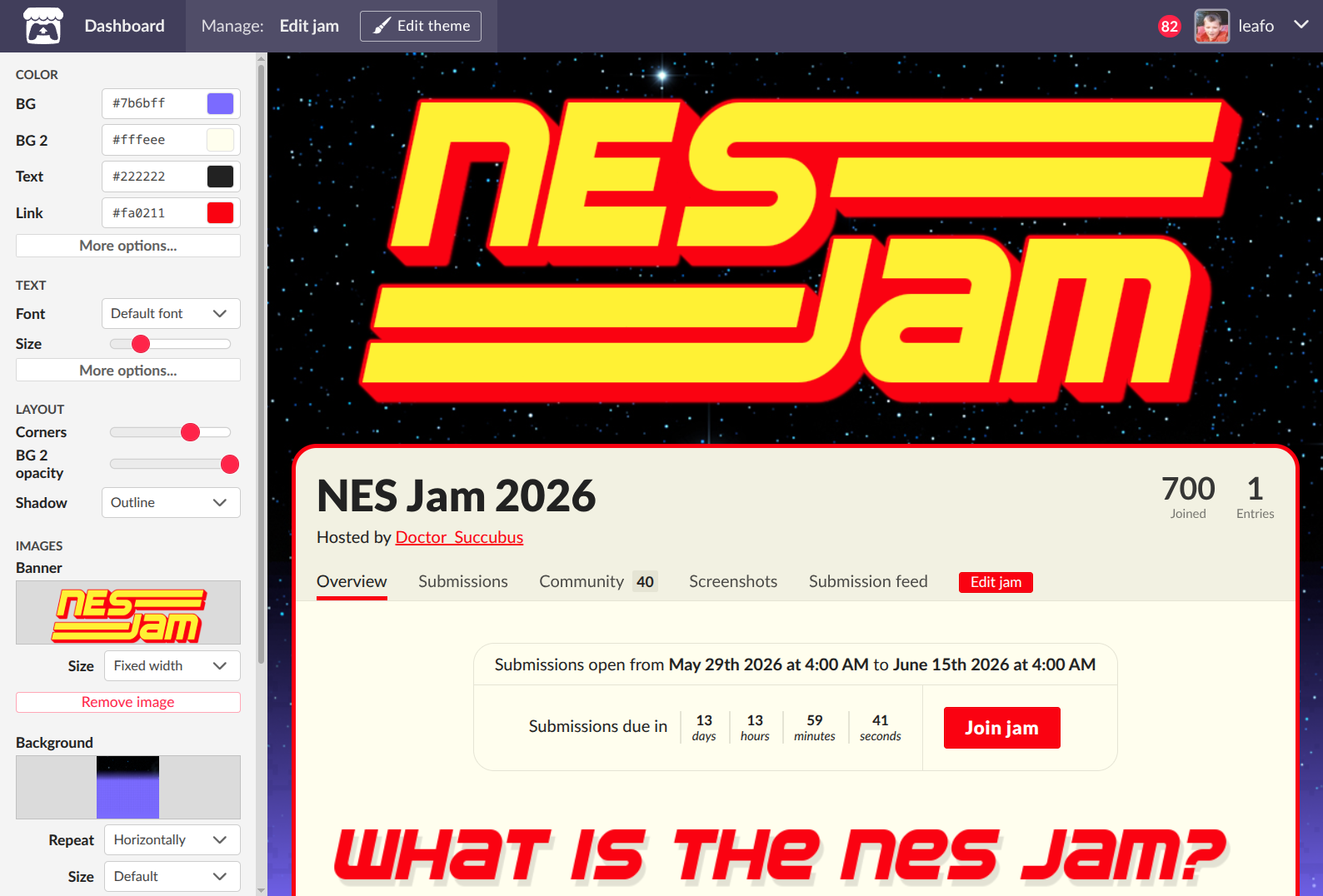
Game jams are an integral part of the itch.io experience, serving as fertile ground for creativity, community building, and rapid prototyping. The platform hosts thousands of jams annually, ranging from small, informal gatherings to large-scale, sponsored events. Recognizing the importance of branding and customization for these events, itch.io has modernized its jam theme editor, migrating it to the same streamlined user interface (UI) employed elsewhere on the site.
This migration to a consistent theme editor UI brings several advantages. Firstly, it reduces the learning curve for jam hosts who are already familiar with customizing other aspects of their itch.io pages, ensuring a cohesive user experience across the platform. Secondly, it signals an underlying architectural improvement, likely leveraging a more robust and flexible theming engine. Crucially, the update takes "care to preserve existing custom CSS jam pages," demonstrating a thoughtful approach to backwards compatibility and respecting the effort hosts have already invested in their jam aesthetics.
The promise of "a bunch of new customization options" for jam hosts is particularly exciting. These could include a wider array of font choices, expanded color palettes, more flexible layout options, drag-and-drop widget placement, and improved control over background images and elements. Such enhancements enable jam organizers to create more professional, engaging, and unique event pages that better reflect the theme or spirit of their jam. For independent developers participating in these jams, a well-designed jam page can enhance the overall experience, making submission and interaction more intuitive. The announcement post also explicitly mentions "markup changes" for those who rely on custom CSS, indicating a deeper technical restructuring that, while requiring attention from advanced users, ultimately leads to a more stable and powerful theming environment. This update reinforces itch.io’s commitment to supporting its vibrant game jam culture, a critical driver of innovation and community engagement within the indie scene.
Streamlining Creator Support: Enhanced Patreon Integration
In an era where creator sustainability is paramount, reliable integration with crowdfunding platforms like Patreon is essential. Itch.io has completely rebuilt its Patreon integration leveraging Patreon’s V2 API, addressing longstanding issues and significantly enhancing functionality for creators. The previous integration, while functional, faced challenges, particularly concerning access grants for patrons who paid in different currencies, leading to inconsistencies and administrative overhead for developers.
The shift to Patreon’s V2 API marks a critical upgrade, allowing for more robust, real-time, and flexible data exchange between the two platforms. The most impactful change is the ability to grant access based on membership tiers rather than merely pledge amounts. This aligns perfectly with how Patreon’s ecosystem operates, where creators define specific tiers (e.g., "Bronze Tier," "Silver Tier") that offer distinct benefits, regardless of the exact monetary value a patron might contribute due to currency conversions or varying pledge cycles. This resolves the previous "longstanding issues with granting access to patrons who paid in different currencies," ensuring a smoother and more equitable experience for both creators and their international patrons.
Creators now have "three ways to grant access to their projects," implying a flexible system that could include:
- Automatic Tier-Based Access: Patrons linked to a specific tier on Patreon automatically gain access to associated itch.io projects.
- Manual Granting/Claiming: Patrons receive a unique link or code to claim their access.
- Direct Integration with Patron Status: Itch.io verifies active patron status and grants access dynamically.
Furthermore, the new system is designed to handle cases the old one couldn’t, which likely includes scenarios such as patron refunds, pledge downgrades, or expired memberships, ensuring that access permissions are always accurate and up-to-date. An important policy detail maintained is that "once a patron claims access to a project, they keep it indefinitely," with membership status being checked only at the initial grant time. This offers peace of mind to patrons, knowing their access won’t be revoked if they later change their pledge, while still incentivizing initial patronage. This enhanced integration significantly empowers creators to manage their Patreon-backed content more efficiently, reducing administrative friction and allowing them to focus more on developing their projects and engaging with their community. It positions itch.io as an even more attractive platform for creators seeking diversified and stable income streams outside of traditional sales.
Broader Implications and Platform Strategy
These comprehensive updates, while seemingly disparate, collectively point towards a cohesive strategy by itch.io to solidify its position as a leading platform for independent game development and distribution. By enhancing discoverability (Sale Explorer), streamlining collaborative efforts (Bundle Hosting), empowering community events (Jam Theme Editor), and strengthening creator monetization (Patreon Integration), itch.io is addressing critical aspects of the indie game lifecycle.
The consistent theme across these updates is improved usability and flexibility. The migration of the jam theme editor to a site-wide UI, alongside the promise of extending Sale Explorer features to general browsing, indicates a concerted effort to create a more unified and intuitive user experience across the entire platform. This not only benefits end-users but also reduces the cognitive load for developers who interact with various tools and interfaces on itch.io.
Furthermore, these developments underscore itch.io’s responsiveness to its community. The "Developer Updates forum" is explicitly mentioned as a place where these changes were first discussed, highlighting a transparent and iterative development process that incorporates direct feedback from its user base. In a highly competitive digital marketplace, this community-driven approach is a significant differentiator for itch.io, fostering loyalty and trust among its developers and players.
The improvements to the bundle system and Patreon integration are particularly vital for the financial health and sustainability of independent creators. In an industry where revenue share models and discoverability algorithms can often disadvantage smaller studios, itch.io continues to champion creator autonomy, offering generous revenue splits and tools that directly facilitate independent funding models. By making it easier to host large bundles, especially for charitable causes, itch.io also reinforces its commitment to social impact, a value often shared by its community.
Looking Ahead: Continuous Evolution
The latest changelog reflects more than just a series of feature additions; it represents a strategic evolution of the itch.io platform. These enhancements are poised to facilitate greater user engagement, boost developer productivity, and provide more stable income avenues for independent creators. As the digital landscape for games continues to evolve, itch.io’s dedication to continuous improvement, guided by community feedback and a clear vision for independent development, ensures its continued relevance and growth. Users and developers are encouraged to explore these new features and provide feedback through the community forums or support channels, further shaping the future development of this unique and vital platform.
About the Author