The gaming industry often dictates that a strong debut should lay an immutable blueprint for future success, aiming to mitigate financial risk and manage fan expectations. The adage, "if it ain’t broke, don’t fix it," frequently guides sequel development. However, in 2003, Remedy Entertainment defied this convention with Max Payne 2: The Fall of Max Payne, choosing a path of artistic daring over conservative replication. Far from merely following suit, this sequel transformed the foundational gritty popcorn action of its predecessor into a more introspective and emotionally resonant experience, prioritizing nuanced storytelling and poetic dialogue as its core distinguishing features. While the hallmark stylish action remained, the profound shift in narrative focus, evolving from a straightforward revenge plot to a complex love story enveloped in a neo-noir aesthetic, became the game’s defining characteristic. This pivot garnered generally favorable critical reception, reflected in its Metacritic score, and continues to be lauded by fans, particularly on platforms like Reddit, for its mature, character-driven narrative depth.
Development Context and Industry Landscape in 2003
The original Max Payne, released in 2001, was a groundbreaking title. It introduced "Bullet Time" – a cinematic slow-motion mechanic that allowed players to dodge bullets and perform acrobatic feats – to a wide audience, blending Hong Kong action cinema aesthetics with a dark, gritty New York City noir narrative. Its success was immediate and substantial, establishing Remedy Entertainment as an innovative force. When embarking on the sequel, the prevailing wisdom might have suggested refining the action mechanics, expanding levels, and offering more of the same successful formula. Yet, Remedy, under the creative direction of Sam Lake, opted for a more ambitious narrative journey.
The early 2000s marked a period of significant transition in the video game industry. Graphics technology was rapidly advancing, with engines capable of rendering more detailed environments and character models. Physics engines, like Havok, were becoming more sophisticated, allowing for realistic environmental destruction and character ragdoll effects, which Max Payne 2 utilized to great effect in its combat. Critically, there was also a burgeoning appetite among players and critics for games that offered more than just spectacle – titles that could deliver compelling stories, complex characters, and emotional depth. Games like Silent Hill 2 (2001) and Grand Theft Auto III (2001) had demonstrated the potential for rich narrative experiences within interactive media, pushing the boundaries of what video games could achieve thematically. Remedy saw an opportunity to capitalize on this growing maturity of the medium, elevating their storytelling while retaining their signature action.
A Deeper Dive into the Narrative: The Fall of Max Payne
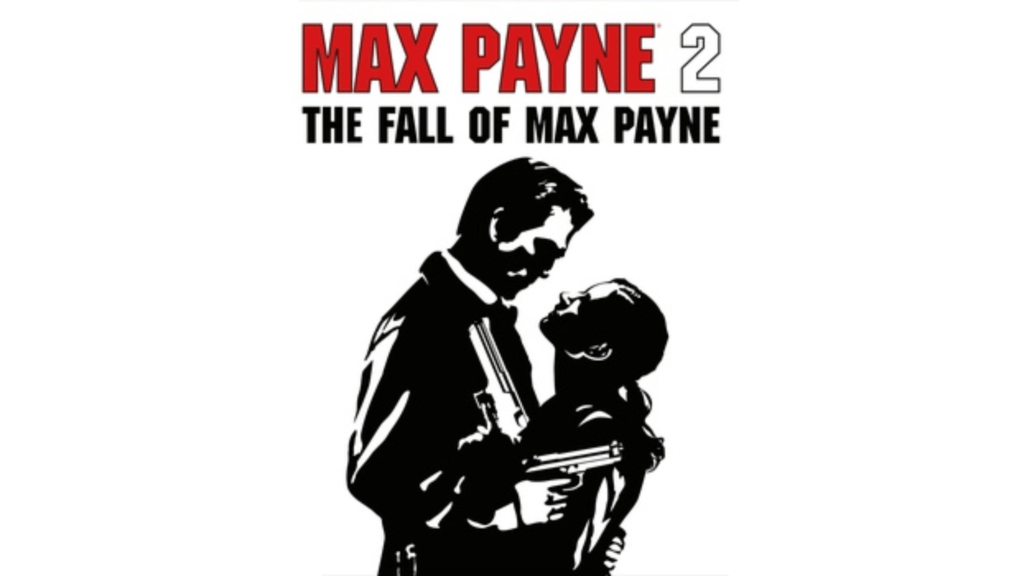
Max Payne 2 meticulously constructs a narrative around its protagonist, Max Payne, a man perpetually haunted by the tragic loss of his family. Having survived the events of the first game, Max returns as a New York City detective, a role that ironically plunges him back into the labyrinthine underworld he desperately sought to escape. His world is irrevocably altered when he crosses paths with Mona Sax during a seemingly routine investigation. Mona, an enigmatic assassin with a complicated past and an even more complicated connection to Max, serves as the catalyst for the game’s central conflict and emotional core. Their reunion ignites a sprawling conspiracy involving a ruthless Russian mob, the enigmatic "Cleaners," and a secret society known as the Inner Circle.
The narrative of Max Payne 2 is not merely a sequence of violent encounters; it is a profound exploration of human endurance, love, and the elusive nature of redemption. The original game was a stark tale of vengeance; the sequel transmutes this into a love story, albeit one steeped in the melancholic tradition of film noir. The romantic entanglement between Max and Mona introduces an unprecedented emotional layer, transforming the incessant violence and intricate conspiracy into a backdrop for their intertwined destinies. Max finds himself trapped between a tragic past he cannot escape and a fatal future he struggles to avert. The game masterfully unravels a series of twists and revelations, demonstrating how human connection, even a perilous one, can offer an unexpected sanctuary amidst chaos and despair. This complex bond with Mona becomes Max’s anchor, offering glimpses of a potential future beyond his perpetual suffering, even if that future is fraught with peril. The writing, characterized by its poetic resonance and philosophical undertones, elevates the dialogue beyond mere exposition, making it a critical component of the immersive experience.
Gameplay Innovations and Design Philosophy
While the narrative took center stage, Max Payne 2 did not shy away from refining its acclaimed gameplay. The game set new benchmarks for action games upon its 2003 launch, featuring fluid and stylish action sequences, spectacular cinematic gameplay, and an enhanced "Bullet Time" mechanic. The integration of the Havok physics engine was particularly notable, allowing for more dynamic and realistic gunfights, where enemies reacted credibly to bullet impacts and environmental objects could be manipulated or destroyed. This contributed to a heightened sense of immersion and tactical depth.
However, Remedy’s design philosophy ensured that these gameplay elements were always in service of the overarching narrative. The combat, while exhilarating, never felt "mindless." Each shootout contributed to Max’s desperate struggle, emphasizing his vulnerability and the relentless pressure he faced. The game skillfully employed environmental storytelling, with meticulously detailed locations that subtly communicated aspects of the plot and character psychology. Furthermore, Max’s recurring nightmares and introspective monologues, often presented through graphic novel-style cutscenes, blurred the lines between gameplay and narrative, creating a uniquely immersive and psychological experience. The pacing expertly balanced intense action sequences with quieter, more reflective moments, allowing the player to absorb the narrative’s emotional weight.
The Art of Dialogue: Quotes as the Defining Hallmark
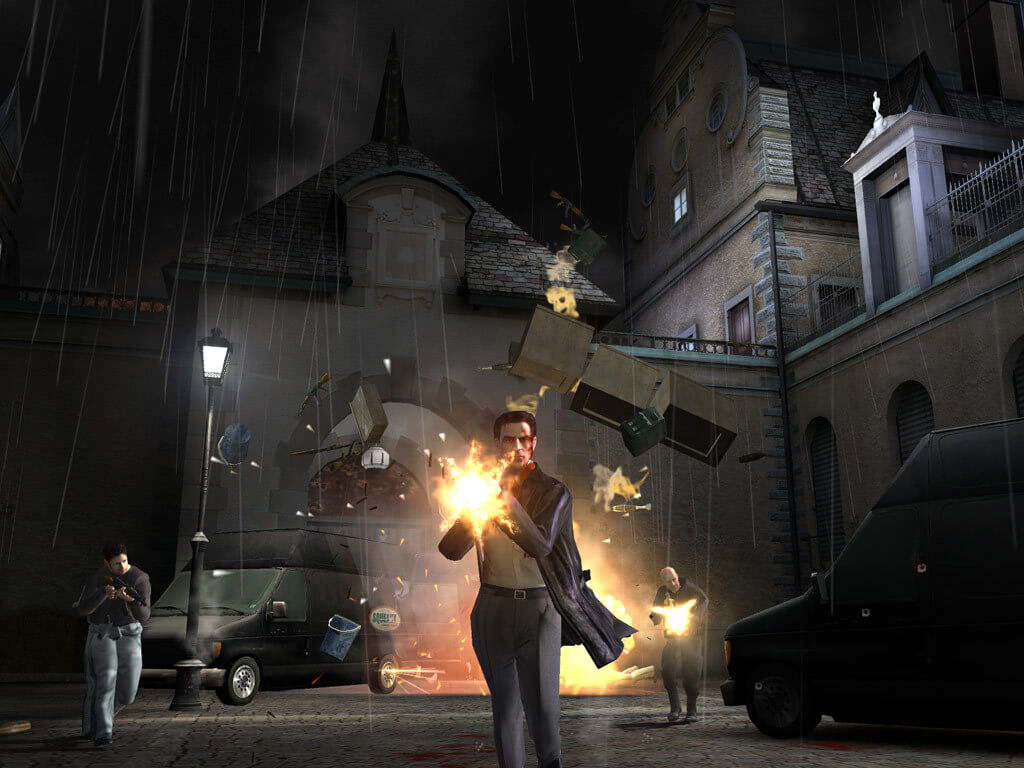
The true genius of Max Payne 2 lies in its writing. The dialogue, rich with noir tropes, existential musings, and a pervasive sense of world-weariness, transforms the game into an interactive romantic crime novel. The characters’ words are not merely functional; they are imbued with a poetic quality that lends profound depth to their personalities and the game’s themes.
Max Payne’s Monologues: As the main playable character, Max Payne’s internal monologues are the game’s literary backbone. His lines evoke a palpable sense of cynicism, grimness, and introspection. He speaks like a man perpetually exhausted by life’s cruelties, a detective who expects the worst because he has experienced it firsthand. His observations are often philosophical, reflecting on fate, loss, and the futility of his struggles. His weariness is a defining characteristic, making his occasional moments of hope or tenderness all the more impactful. Max’s narration serves as a Greek chorus, guiding the player through his fragmented psyche and the treacherous world he inhabits, consistently reinforcing the game’s melancholic tone.
Mona Sax’s Enigmatic Presence: Mona Sax, the elusive assassin who re-enters Max’s life, is characterized by her guarded nature, fierce independence, and sharp intellect. Her dialogue reflects her mysterious past and complicated connection to Max. She is difficult to read, often speaking in riddles or offering pragmatic, cutting remarks that belie a deeper emotional turmoil. Her words are laced with a fatalistic charm, acknowledging the dangers of their world while subtly hinting at the genuine affection she holds for Max. Her exchanges with Max are central to the game’s romantic-noir dynamic, offering glimpses into a dangerous love that defies conventional boundaries.
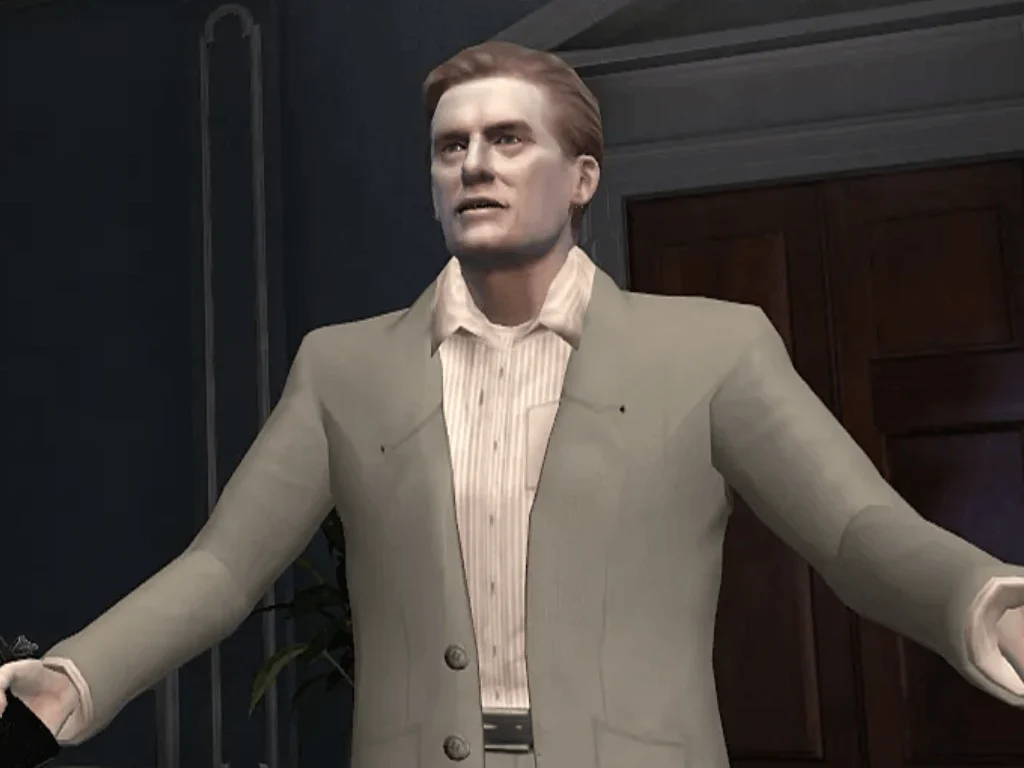
Vladimir Lem’s Charismatic Deception: Vladimir Lem, the Russian mobster, is a master manipulator. His smooth, chatty demeanor initially masks a calculating and treacherous nature. A former ally of Max, his betrayal stings deeply, and his dialogue often carries a veneer of false camaraderie that makes his true intentions all the more chilling. Vladimir’s grandiloquent pronouncements and philosophical justifications for his criminal empire reveal a man who sees himself as a kingpin rather than a common thug. His words are designed to charm and disarm, making him a compelling and dangerous antagonist whose verbal sparring with Max highlights their ideological clash.
The Supporting Cast and Lighter Moments: Even the supporting characters contribute significantly to the game’s tonal tapestry, with their lines perfectly fitting the bleak and often absurd world. From corrupt cops to eccentric mobsters, each character’s dialogue is carefully crafted to enhance the noir atmosphere. While predominantly dark, Max Payne 2 also features moments of dark humor and unexpected levity, often derived from Max’s dry wit or the sheer absurdity of the situations he finds himself in. These "lighter moments," though sparse, provide crucial contrast, preventing the pervasive grimness from becoming monotonous and further emphasizing Max’s coping mechanisms in a world devoid of true joy.
Critical Reception and Player Impact
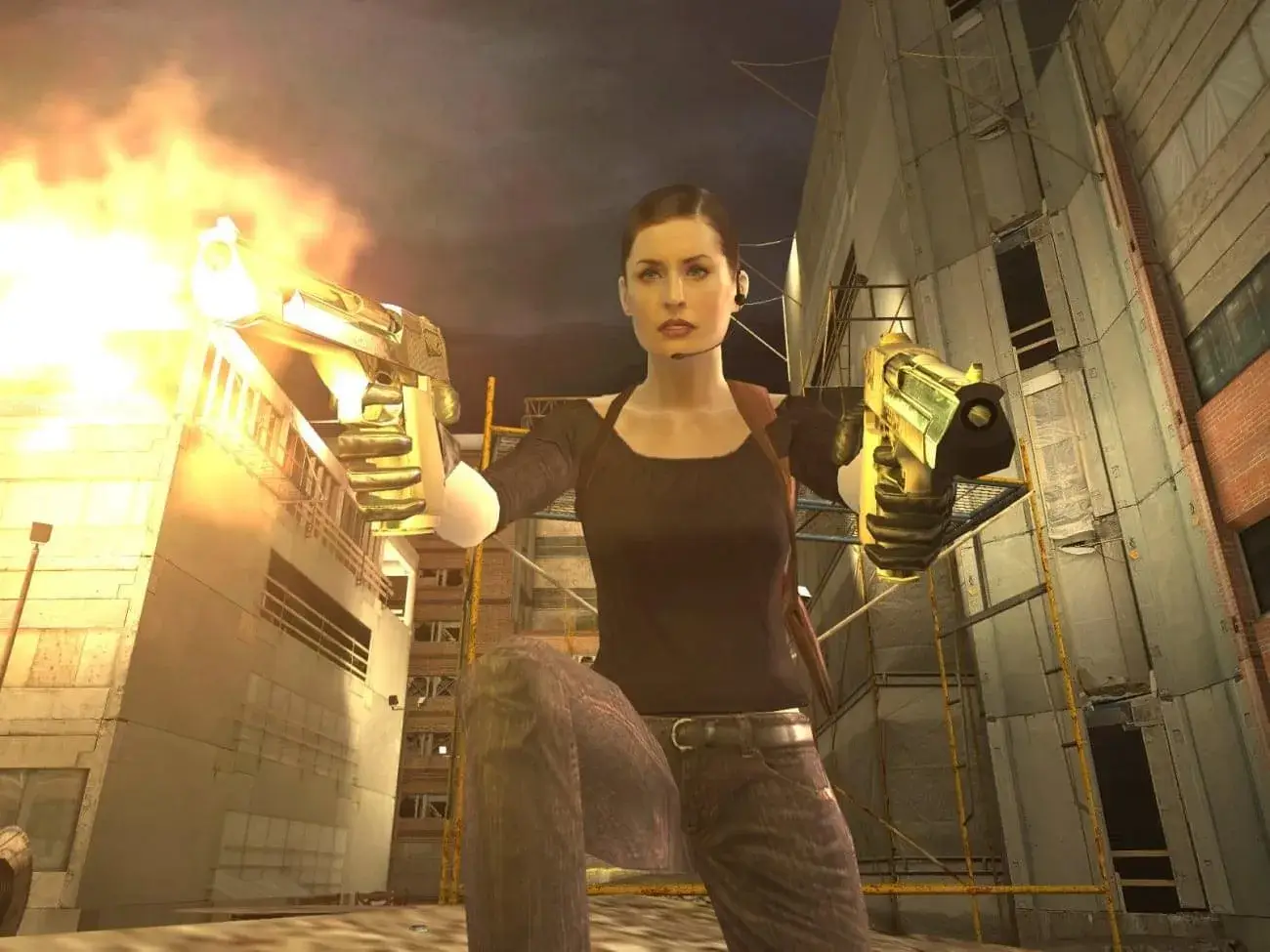
Upon its release, Max Payne 2 was met with widespread critical acclaim. It achieved an aggregate score of 86/100 on Metacritic, signifying "generally favorable reviews." Critics praised its cinematic presentation, refined Bullet Time mechanics, and particularly, its profound narrative and character development. Publications lauded Remedy for taking a bold risk with the sequel, recognizing the shift towards a more mature and introspective story as a sign of artistic courage. Reviewers frequently highlighted the poetic quality of the writing and the compelling, tragic romance between Max and Mona as standout features that elevated the game beyond its action roots.
Beyond critical circles, Max Payne 2 resonated deeply with the player community. On forums and platforms like Reddit, discussions about the game consistently praise its narrative depth, emotional impact, and the iconic dialogue. Players often cite the game as an example of how video games can deliver sophisticated, character-driven stories that rival those in film or literature. The game’s enduring appeal is a testament to its successful execution of a complex narrative, proving that a sequel can innovate dramatically while still honoring its predecessor’s spirit.
Legacy and Broader Implications
Max Payne 2: The Fall of Max Payne stands as a pivotal title in Remedy Entertainment’s history and in the broader landscape of narrative-driven video games. It demonstrated that a successful action franchise could evolve into something more profound, paving the way for future titles that prioritized storytelling and atmosphere. Remedy’s subsequent works, such as Alan Wake, Quantum Break, and Control, all bear the indelible mark of Max Payne 2‘s narrative ambition, showcasing complex plots, memorable characters, and a unique blend of genre influences.
The game’s influence extends beyond Remedy, inspiring countless developers to explore darker, more mature themes and to invest in high-quality writing and voice acting. It solidified the neo-noir genre’s place within gaming, proving its capacity for intricate plots and psychological depth. Its emphasis on a character’s internal struggle, juxtaposed with external conflict, set a precedent for narrative design. The continued discussion and appreciation for Max Payne 2 decades after its release underscore its status as a timeless classic, a testament to Remedy’s willingness to challenge conventions and deliver an experience where the poetry of dialogue holds as much weight as the thunder of gunfights. The ongoing development of remakes for both Max Payne and Max Payne 2 by Remedy further solidifies the enduring importance and legacy of this seminal work in video game history.
About the Author