The KAT Walk C3 Ultra represents the latest advancement in omnidirectional virtual reality (VR) locomotion technology, designed to provide users with a more natural and physically engaging method of navigating digital environments. Developed by KAT VR, a prominent leader in the VR peripheral sector, the C3 Ultra is engineered to translate physical walking, running, and crouching into in-game movements by emulating thumbstick inputs. This hardware release aims to bridge the gap between static VR experiences and fully immersive physical interaction, catering primarily to the high-end enthusiast and professional simulation markets.

Technical Specifications and Hardware Architecture
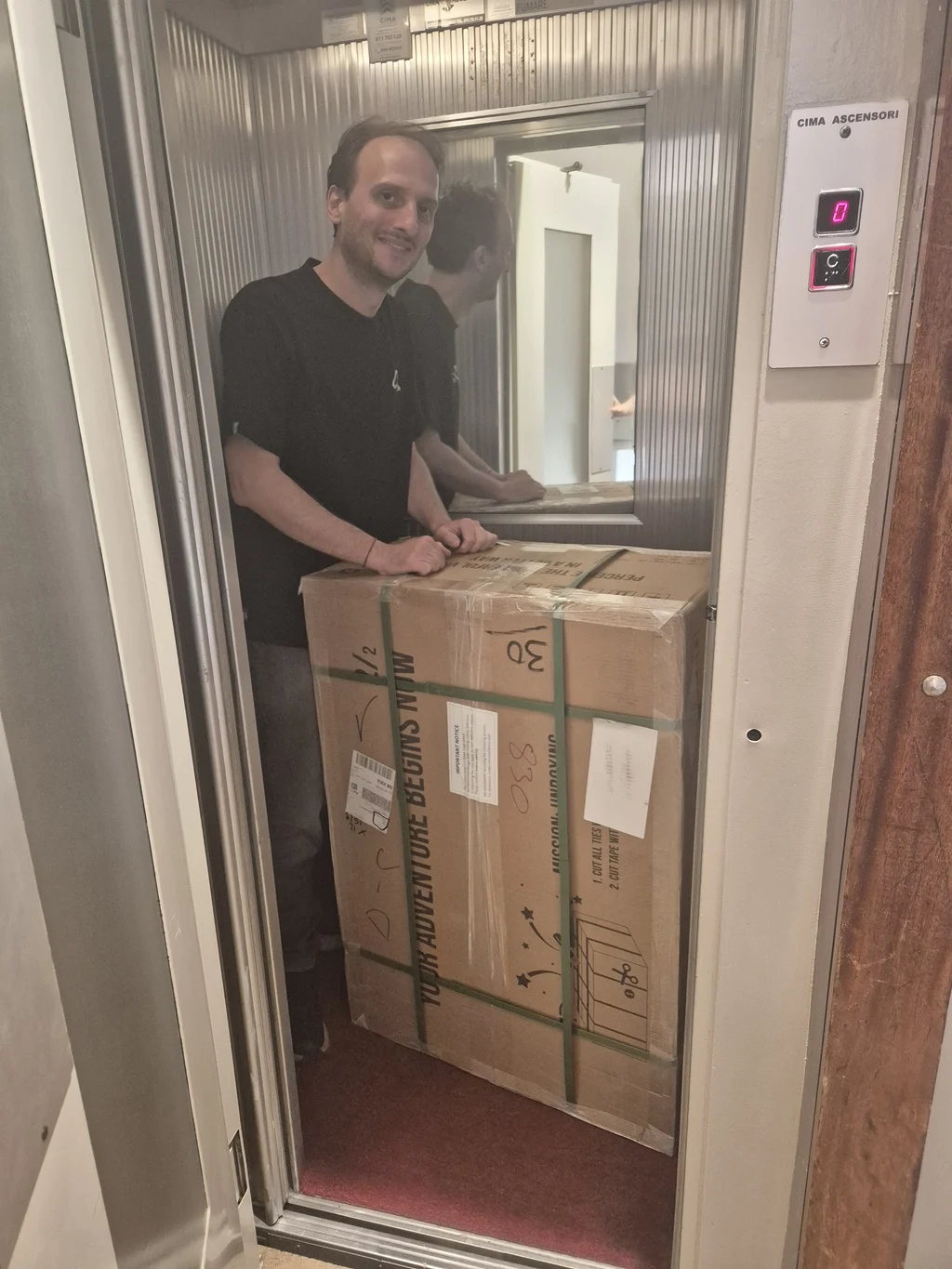
The KAT Walk C3 Ultra is a sophisticated mechanical assembly designed for durability and precision. The unit arrives as a substantial logistical undertaking, shipping on a 70-kilogram (154-pound) pallet. The footprint of the device is approximately 1.5 meters by 1.5 meters (5 feet by 5 feet), requiring a dedicated space within a home or facility. Unlike traditional motorized treadmills, the C3 Ultra utilizes a "slipmill" design. This system features a concave, low-friction platform that, when paired with specialized footwear, allows a user to perform walking motions while remaining centered on the device.

The hardware is comprised of several key components:

- Concave Platform: A slippery, oil-treated surface that utilizes gravity to return the user’s feet to the center point.
- Rotating Harness: A 13-kilogram metal back part that provides 360 degrees of rotational freedom with minimal friction.
- Vertical Rail System: A mechanism that allows for vertical movement, enabling users to crouch, sit, or perform small jumps within the VR environment.
- Specialized Footwear: Shoes equipped with sole-mounted sensors and adjustable friction sliders, allowing users to customize the "grip" of their walk.
The device is offered in two primary configurations: the Standard Edition and the Power Edition. While both provide the same core locomotion experience, the Power Edition includes an integrated charging system for VR headsets, facilitating extended gameplay sessions without the need for external battery management.

Installation, Logistics, and Software Integration
The assembly process for the KAT Walk C3 Ultra is comparable to high-end fitness equipment or modular furniture, typically requiring approximately 90 to 120 minutes for a single user to complete. KAT VR provides comprehensive documentation and video tutorials to assist with the complex multi-piece construction. Once assembled, the device connects to a host PC via a USB interface and requires a standard power outlet.

Central to the device’s functionality is the KAT Gateway software. This companion application serves as the interface between the treadmill’s sensors and the SteamVR environment. The software allows for deep customization, including:

- Walking Sensitivity: Adjusting how physical steps translate to in-game speed.
- Data Smoothing: Reducing jitter or unintended movements during slow-paced exploration.
- Haptic Feedback Management: Controlling the platform’s vibration modules, which can be synchronized with in-game events or controller haptics.
- Fitness Tracking: Monitoring calories burned and distance traveled through a dedicated mission and achievement system.
For users seeking to use the device with standalone hardware such as the Meta Quest series, KAT VR offers the KAT Nexus adapter. This bridge allows the treadmill to communicate with standalone headsets, though a PC remains necessary for initial configuration and management.

Mechanics of Movement and User Safety
The C3 Ultra operates on the principle of simulated locomotion. The user is secured via a heavy-duty waist harness and leg straps, which prevent falls while allowing for a full range of motion. The system detects the movement of the specialized shoes through Bluetooth-connected sensors embedded in the soles. These sensors track the velocity and direction of the user’s feet, sending that data to the PC to emulate the movement of a controller’s analog stick.

Safety is a paramount concern for omnidirectional treadmills. The C3 Ultra includes a "waist lock" system that ensures the user remains anchored to the rotating back part. However, the onboarding and offboarding processes require caution, as the specialized shoes are designed for low friction. KAT VR has indicated that mass-production units will feature a wider range of friction adjustments compared to early prototypes, allowing users to increase stability during entry and exit.

One notable mechanical challenge in premium VR treadmills is rotational inertia. The C3 Ultra’s 13-kilogram rotating harness is designed for low-friction movement, which can result in momentum-based "swinging" during rapid directional changes. Users typically undergo a learning curve to adjust their posture—often leaning slightly forward—to counteract this inertia and maintain balance during high-intensity gameplay.

Market Context and Industry Impact
The release of the KAT Walk C3 Ultra comes at a time when the VR industry is shifting toward more immersive, "full-body" experiences. While the consumer market has largely focused on standalone headsets like the Meta Quest 3, a significant segment of hardcore enthusiasts continues to invest in PC-tethered peripherals that enhance realism.

Industry analysts note that the KAT Walk C3 Ultra addresses several long-standing issues in VR, most notably "VR sickness." By aligning the user’s physical movement with their visual movement in the headset, the device can help mitigate the sensory mismatch that causes nausea in many users. Furthermore, the treadmill serves as a functional fitness station, transforming sedentary gaming into a high-intensity cardiovascular activity.

KAT VR faces competition from other emerging technologies, such as motorized shoes (e.g., FreeAim) and alternative harness-based systems. However, the C3 Ultra’s robust mechanical design and established software ecosystem position it as a leading choice for the "premium enthusiast" demographic.

Pricing, Availability, and Production Timeline
KAT VR has positioned the C3 Ultra as a premium peripheral with a corresponding price point. The Standard Edition is priced at $1,499, while the Power Edition retails for $1,699. To incentivize early adoption, the company offered early-bird promotional pricing starting at $1,199 for bundles including the Quest Adapter.

The company has adopted a tiered shipping strategy:

- Initial Batch: 100 units were designated for immediate dispatch following the official announcement.
- Mass Production: All remaining orders placed during the launch week are scheduled to ship by mid-November.
- Global Distribution: Orders are being processed through KAT VR’s official website, with regional logistics centers handling the delivery of the 70kg units.
Official statements from KAT VR emphasize that the commercial version of the C3 Ultra has been refined based on feedback from preview units, particularly regarding the friction adjustment range and the smoothness of the vertical rail system.

Conclusion and Future Outlook
The KAT Walk C3 Ultra represents a significant milestone in the evolution of home-based VR locomotion. While its size, cost, and physical demands mean it is not yet a product for the mass-market consumer, it offers a glimpse into the future of immersive digital interaction. For professional training, fitness-conscious gamers, and VR purists, the C3 Ultra provides a level of agency and physical presence that software-based locomotion cannot replicate. As VR hardware continues to mature, the integration of physical movement systems like the C3 Ultra will likely play a crucial role in the development of the "Metaverse" and high-fidelity simulation environments.
About the Author