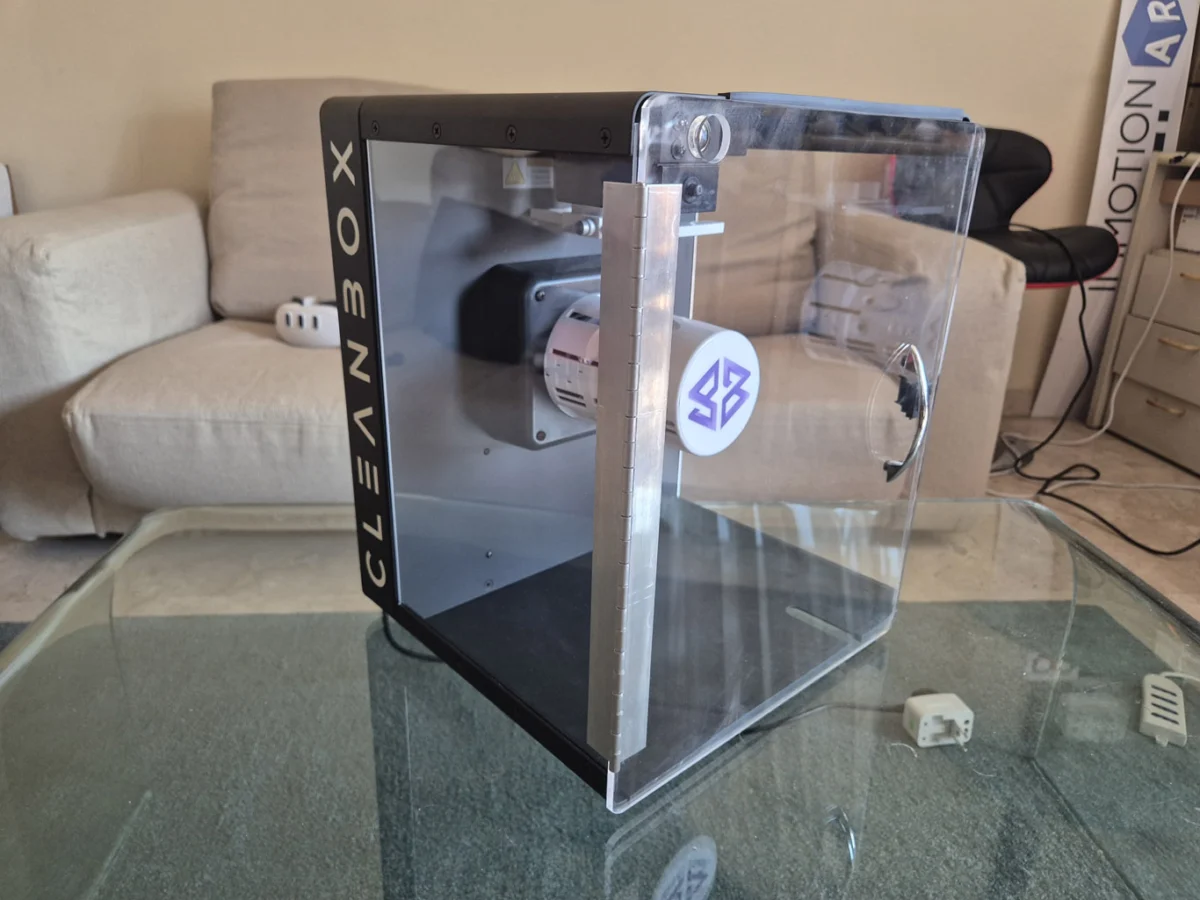
The landscape of extended reality (XR) hardware is shifting rapidly from bulky, stationary headsets toward lightweight, mobile, and wearable devices, a transition that has created a significant gap in the hygiene and maintenance infrastructure required for professional use. At the recent Meta Connect event, Cleanbox Technology, a prominent leader in the UVC-based sanitization space, addressed this evolving market by unveiling two new portable products: the Cleanbox Mini and the Cleanbox Nano. These devices represent a strategic pivot for the company, moving away from large-scale industrial units like the CX1 toward compact solutions tailored for field representatives, independent developers, and the burgeoning smartglasses sector.

Cleanbox Technology has established itself as a critical service provider for enterprise XR, offering medical-grade sanitization solutions that utilize UVC light to eliminate 99.999% of bacteria, viruses, and fungi on hardware surfaces. While the company’s flagship CX1 model has become a staple at major industry conferences and corporate training centers, its physical footprint and power requirements often restricted its use to fixed locations. The introduction of the Mini and Nano models signals a direct response to feedback from industry professionals who require sanitization capabilities that can fit within a standard backpack or even a handbag.
The Evolution of XR Hygiene Standards
Since the resurgence of virtual reality in 2012, hygiene has remained a persistent hurdle for public-facing demonstrations and multi-user enterprise environments. Early solutions often relied on alcohol-based wipes or disposable hygiene masks, both of which presented significant drawbacks. Chemical wipes can degrade the sensitive coatings on lenses and the foam interfaces of headsets over time, while disposable masks often fail to cover the entirety of the device, leaving the forehead and temple areas exposed to sweat and sebum.

Cleanbox entered the market to provide a contactless alternative. By using proprietary UVC LED technology, the company’s devices can reach the nooks and crannies of a headset that manual cleaning might miss. This technology is particularly vital in the "post-pandemic" era, where both corporate stakeholders and the general public have expressed heightened sensitivity toward shared wearable technology. The launch of the Mini and Nano models at Meta Connect—an event largely focused on the future of augmented reality (AR) and smartglasses—reflects a broader industry realization that as devices become more personal and portable, the tools to maintain them must follow suit.
Cleanbox Mini: Redefining Portability for Standalone VR
The Cleanbox Mini is designed specifically for the professional who conducts on-site demonstrations or travels frequently with standalone VR hardware, such as the Meta Quest 3 or the Pico 4. Measuring 12.2 inches in height and weighing approximately 6 pounds, the Mini is roughly the size of a standard headset carrying case. This design allows it to be transported in a backpack, a stark contrast to the CX1, which often required dedicated shipping crates or vehicle transport.

Despite its reduced size, the Mini maintains the technical rigor associated with the Cleanbox brand. The unit is capable of sanitizing a headset and its accompanying controllers in a 60-second cycle. According to technical specifications released by the company, the device operates on a 100-240V power supply and features a durable exterior designed to withstand the rigors of travel.
The pricing of the Cleanbox Mini also suggests an attempt to democratize professional-grade sanitization. Priced at $799, it is significantly more accessible than the $2,495 price tag of the CX1. This price point targets independent software vendors (ISVs), small-to-medium enterprises (SMEs), and educational institutions that may have previously found industrial sanitization units cost-prohibitive. However, the company notes that the Mini is not intended to replace the CX1 in high-throughput environments. While the CX1 can process upwards of 50 headsets per hour and includes integrated USB charging, the Mini is optimized for lower-volume, high-mobility use cases.

Cleanbox Nano: A Specialized Solution for the Smartglasses Era
The most surprising reveal at Meta Connect was the Cleanbox Nano, an ultra-portable device specifically engineered for the emerging smartglasses and AR spectacles market. As Meta showcased its "Orion" AR glasses and expanded the capabilities of the Ray-Ban Meta collection, Cleanbox CEO Amy Hedrick demonstrated that the Nano is small enough to be carried in a purse or a small gear bag.
The Nano addresses a unique problem in the industry: the "washing machine effect." Using a standard VR sanitization box for a pair of slim smartglasses is inefficient and occupies more space than necessary. The Nano is optimized for the form factor of eyewear, measuring just 7.8 inches by 3.3 inches. Notably, the device is designed to accommodate the entire ecosystem of modern wearables. In addition to a slot for glasses, the interior includes dedicated holders for smart rings and smartwatches, allowing a user to sanitize their entire suite of "wearables" simultaneously.

A key differentiator for the Cleanbox Nano is its internal power source. Unlike previous models that required a constant wall connection, the Nano features an integrated battery capable of powering at least 20 sanitization cycles on a single charge. This feature is particularly relevant for field sales teams or retail environments where power outlets may not be readily available at the point of interaction. The Nano is priced at $399, positioning it as a lifestyle accessory for early adopters of AR technology as well as a professional tool for retail staff.
Technical Specifications and Timeline
Cleanbox has provided a detailed breakdown of the two new units to assist organizations in their procurement planning:

Cleanbox Mini Specifications:
- Dimensions: 12.2" H x 9.4" W x 6.5" D
- Weight: 6.0 lbs (2.7 kg)
- Cycle Time: 60 seconds
- Capacity: 1 HMD + 2 Controllers
- Power: 100-240V, 50-60Hz
- Launch Price: $799
Cleanbox Nano Specifications:

- Dimensions: 3.3" H x 7.8" W x 2.2" D
- Weight: 0.7 lbs (0.3 kg)
- Cycle Time: 60 seconds
- Capacity: 1 pair of glasses + 1 ring + 1 watch
- Battery Life: 20+ cycles per charge
- Launch Price: $399
Both products are currently available for pre-order through the official Cleanbox website. The company has confirmed a target shipping window of the first quarter of 2027. This timeline suggests that Cleanbox is aligning its production with the anticipated mass-market availability of next-generation AR hardware from major tech incumbents.
Market Analysis and Industry Implications
The introduction of these portable units highlights a growing maturity in the XR ecosystem. In the early days of the industry, hygiene was often treated as an afterthought or a "best effort" endeavor. However, as XR moves into mission-critical enterprise applications—such as surgical training, heavy machinery operation, and frontline retail—the liability associated with cross-contamination becomes a significant concern for legal and safety departments.

By offering a $399 entry point with the Nano and a $799 mobile solution with the Mini, Cleanbox is effectively removing the "barrier of inconvenience" that often leads to lapsed hygiene protocols. Analysts suggest that the portability factor will be the primary driver for adoption. For a salesperson traveling between client offices via public transit or air travel, the ability to pull a sanitization unit out of a briefcase adds a layer of professionalism and safety that can facilitate quicker buy-in from stakeholders who might otherwise be hesitant to put on a shared device.
Furthermore, the focus on smartglasses indicates that Cleanbox is looking beyond the traditional "gamer" or "industrial worker" demographic. As smartglasses begin to resemble traditional eyewear, they will be worn for longer periods and in more diverse environments, increasing the accumulation of bacteria. Cleanbox is positioning itself to be the standard maintenance tool for this new category of consumer electronics.

Conclusion and Future Outlook
The launch of the Cleanbox Mini and Nano at Meta Connect serves as a reminder that the hardware ecosystem surrounding XR is as vital as the headsets themselves. As the industry moves toward more frequent, shorter interactions with AR and VR—often referred to as "snacking" on content—the need for quick, reliable, and portable sanitization becomes paramount.
While the 2027 shipping date requires a degree of patience from current developers, the announcement provides a clear roadmap for how companies can manage hygiene in an increasingly mobile world. For the XR industry to reach its next stage of growth, users must feel as comfortable putting on a shared headset as they do using a shared tablet or laptop. Cleanbox’s latest innovations are a significant step toward making that comfort a universal standard.
About the Author