The global mobile gaming landscape is witnessing a significant surge in both high-fidelity ports and hardware-specific innovations as major publishers and independent studios alike rollout their year-end offerings. This week’s developments highlight a dual strategy within the industry: the optimization of massive franchises for lower-end hardware to capture emerging markets, and the push toward subscription-based services like Apple Arcade to provide premium, ad-free experiences. From Tencent’s strategic launch of a lightweight battle royale to the expansion of the Transformers IP into the idle RPG genre, the current release cycle reflects a diversifying market that caters to varying hardware capabilities and player preferences.
Strategic Market Expansion: PUBG Mobile Flash and Transformers: Eternal War
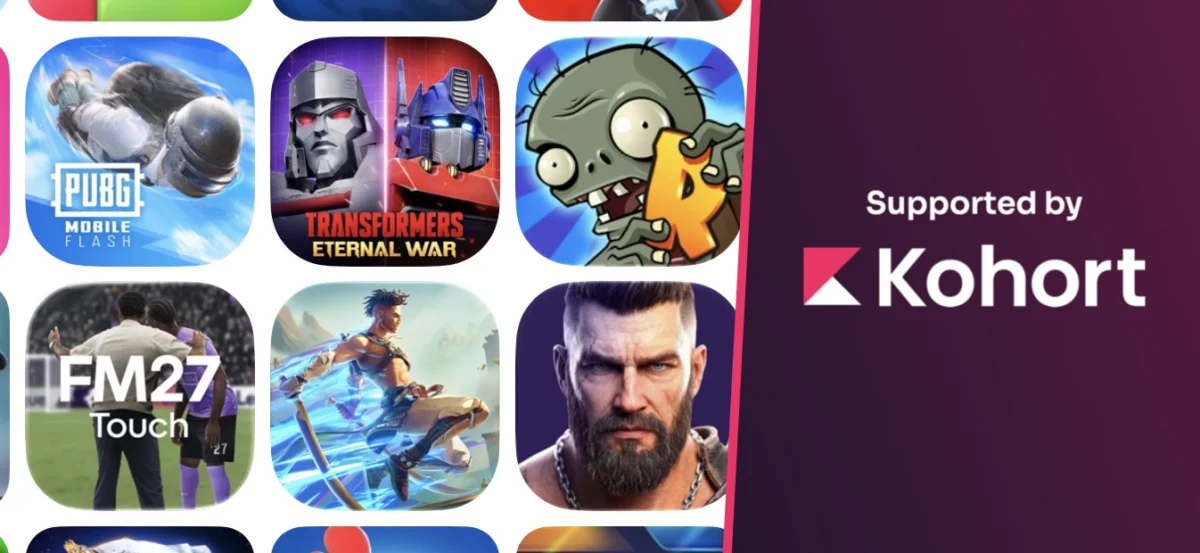
Tencent and its global publishing arm, Level Infinite, have officially released PUBG Mobile Flash on both iOS and Android platforms. This version represents a calculated move to maintain dominance in the battle royale sector by addressing the "digital divide" in mobile hardware. While the standard PUBG Mobile remains a resource-intensive powerhouse, the Flash edition is engineered to run on devices with limited memory and processing power. According to internal data from Level Infinite, the title garnered over 27 million pre-registrations prior to launch, signaling a massive latent demand for high-quality competitive gaming in regions where budget-friendly smartphones are the norm. This launch follows a broader trend of "lite" applications that ensure brand ecosystem retention regardless of the consumer’s hardware tier.

Simultaneously, the partnership between Wanda Cinemas Games and Hasbro has yielded immediate dividends with the release of Transformers: Eternal War. Launched on November 12, the title quickly ascended to the number one spot on the UK iPhone charts. Unlike the high-action shooters often associated with the brand, Eternal War is an idle adventure RPG. This genre selection allows for a broader demographic reach, focusing on squad-building mechanics and the collection of iconic Autobots and Decepticons. The game’s rapid ascent in the Western market suggests that the Transformers brand retains significant commercial leverage when paired with the highly accessible "idle" progression systems that currently dominate mobile monetization trends.
Apple Arcade’s Year-End Content Offensive
Apple is concluding the calendar year with a robust expansion of its Arcade subscription service, focusing on established sports franchises and critically acclaimed ports. On November 10, Sega launched Football Manager 25 Touch, bringing the depth of the world’s premier management simulation to mobile devices with a specifically redesigned interface for the iPhone. The 2025 edition introduces a significant match engine upgrade and enhanced scouting tools, aiming to bridge the gap between the desktop experience and portable play. Joining the sports lineup is 2K’s NBA 2K25 Arcade Edition, which notably includes all 15 WNBA teams for the first time, reflecting a growing industry-wide commitment to representing women’s professional sports.
The service’s roadmap for December 3 indicates a pivot toward high-prestige legacy titles and indie innovators. Ubisoft’s Prince of Persia: The Lost Crown+ will headline the December drop, including all previously released downloadable content (DLC). This marks a major win for the subscription model, offering a high-fidelity "Metroidvania" experience that was originally designed for consoles. Additionally, EA and Popcap will release Plants vs. Zombies: Replanted, a modern reimagining of the classic tower defense title, while Playstack’s Solitaire(ish) and StoryToys’ Lego Duplo Playtime target the roguelike and educational demographics, respectively. This diverse lineup underscores Apple’s strategy of providing a "safe haven" for premium gaming experiences away from the aggressive in-app purchases common in the wider App Store.

Independent Innovation and Critical Success: The Roottrees Are Dead
IndieArk has successfully ported the investigative puzzle game The Roottrees Are Dead to mobile platforms, following its critical success on PC in 2025. Set in 1998, the game utilizes a "simulated OS" interface, tasking players with investigating a family mystery following a tragic jet crash. On PC, the game achieved a Metacritic score of 86, a rarity for the genre. The mobile version includes the "Roottreemania" content, offering a complete package for fans of the "detective-sim" subgenre. Industry analysts note that investigative games are increasingly finding a second life on mobile, where the touch interface mimics the act of sifting through files and archives more naturally than a traditional mouse and keyboard setup.
The Rise of Hardware-Specific Design: The "iPhone Duo" and Wearables
A unique development in this week’s digest is the emergence of games designed specifically for foldable hardware, particularly the iPhone Duo. German developer Conto IT released Blotkins on November 9, a premium creature-collecting game that utilizes the physical fold of the device as a core gameplay mechanic. Players create creatures by "pressing" virtual ink between the two halves of the screen, a tactile use of hardware that separates it from standard slate-style games.
Similarly, Studio 9io has released two titles, Football Kick and Bitfold, which leverage the laptop-style "tent" mode of foldable phones. Football Kick uses the bottom half of the device as the pitch and the top half as the goal, while Bitfold transforms the device into a retro clamshell console. These releases represent an early-adopter phase of development where studios are experimenting with how physical form factors can dictate game design.

In the wearable space, Really Real Games has launched Casus Terrae for the Apple Watch. The arcade shooter uses the watch’s gyroscope for "flick-to-roll" maneuvers and even supports online co-op between two watch users. While the Apple Watch has historically been a secondary platform for gaming, Casus Terrae suggests a shift toward more complex, standalone experiences for the wrist.
Chronology of Key Releases and Events (November 2026)
- November 5: The Roottrees Are Dead launches on iOS and Android, bringing the acclaimed PC mystery to mobile.
- November 9: Blotkins (Conto IT) and Roll & Merge: Farm Go (Outfit7) enter their respective markets; Blotkins as a premium launch and Farm Go as a regional soft launch.
- November 10: Apple Arcade adds Football Manager 25 Touch and NBA 2K25 Arcade Edition.
- November 11: Azra Games releases the dark fantasy RPG UnGodly worldwide, with a long-term roadmap leading to a 2027 console release.
- November 12: Transformers: Eternal War launches and hits the top of the UK charts.
- December 3 (Upcoming): Scheduled release of Prince of Persia: The Lost Crown+, Plants vs. Zombies: Replanted, and Solitaire(ish) on Apple Arcade.
- December 8 (Upcoming): Cyberpunk adventure Replaced is scheduled for release on Google Play.
Emerging Trends in Soft Launches and Monetization
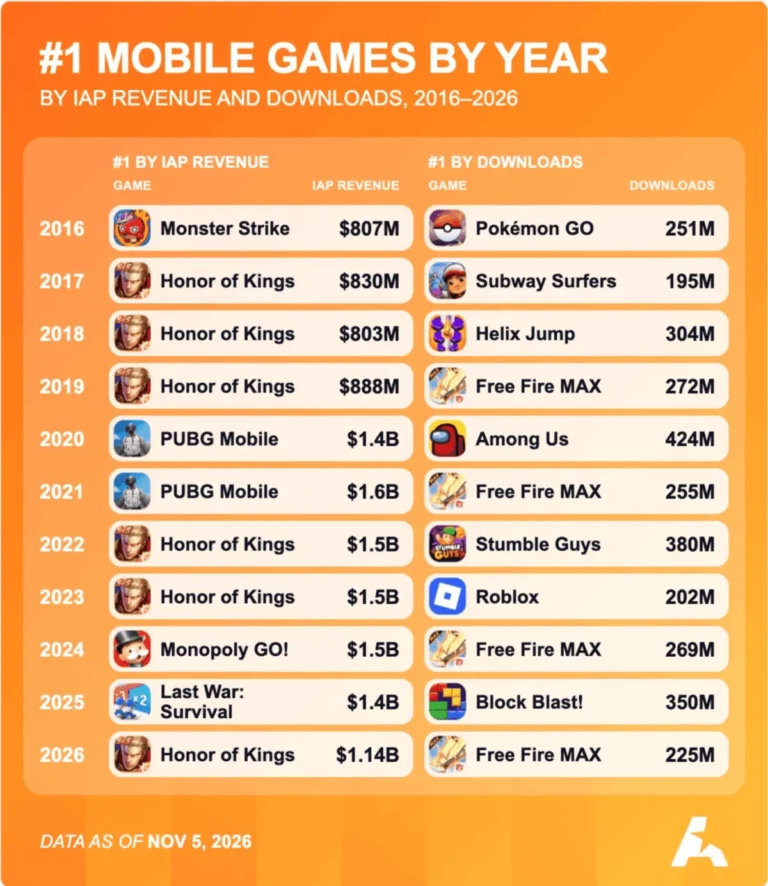
Several major publishers are currently testing new titles in limited markets to refine their monetization and gameplay loops. Outfit7, the creator of the Talking Tom franchise, has entered a soft launch for Roll & Merge: Farm Go in the US, Philippines, Puerto Rico, and Slovenia. The game appears to be a hybrid of "merge" mechanics and board-game style dice rolling, a combination that has seen significant financial success in titles like Monopoly Go.
Ten Square Games is also testing Fishing Trip in Mexico, Brazil, Poland, and Australia. This title is particularly noteworthy for its shift in monetization strategy. Unlike the company’s previous hits, Fishing Clash and Let’s Fish, which relied heavily on direct in-app purchases, Fishing Trip is designed around a "rewarded ad" model. This approach is intended to appeal to a more casual audience that prefers to progress by watching advertisements rather than spending currency, reflecting a broader market shift toward "ad-supported" premium content.

Broader Impact and Industry Implications
The current wave of releases highlights three distinct shifts in the mobile gaming industry. First, the "Flash" or "Lite" version of major IPs like PUBG indicates that the global market is no longer viewed as a monolith. Publishers are increasingly tailoring their software to meet the specific economic and technological realities of different regions.
Second, the migration of high-end PC and console titles (Replaced, Prince of Persia, The Roottrees Are Dead) to mobile suggests that the hardware gap is closing, but more importantly, that the "mobile-first" audience is becoming more sophisticated. There is a growing appetite for narrative-driven, complex games that were previously the exclusive domain of home consoles.
Finally, the experimentation with foldable phones and smartwatches indicates that hardware innovation still has the power to drive creative game design. While the "iPhone Duo" and Apple Watch remain niche gaming platforms compared to the standard smartphone, the willingness of developers to build bespoke experiences for these devices shows a long-term bet on the evolution of mobile form factors. As we move into the final weeks of the year, the competition between subscription services like Apple Arcade and the traditional "free-to-play" model continues to intensify, providing consumers with an unprecedented level of variety in how they access and pay for digital entertainment.
About the Author